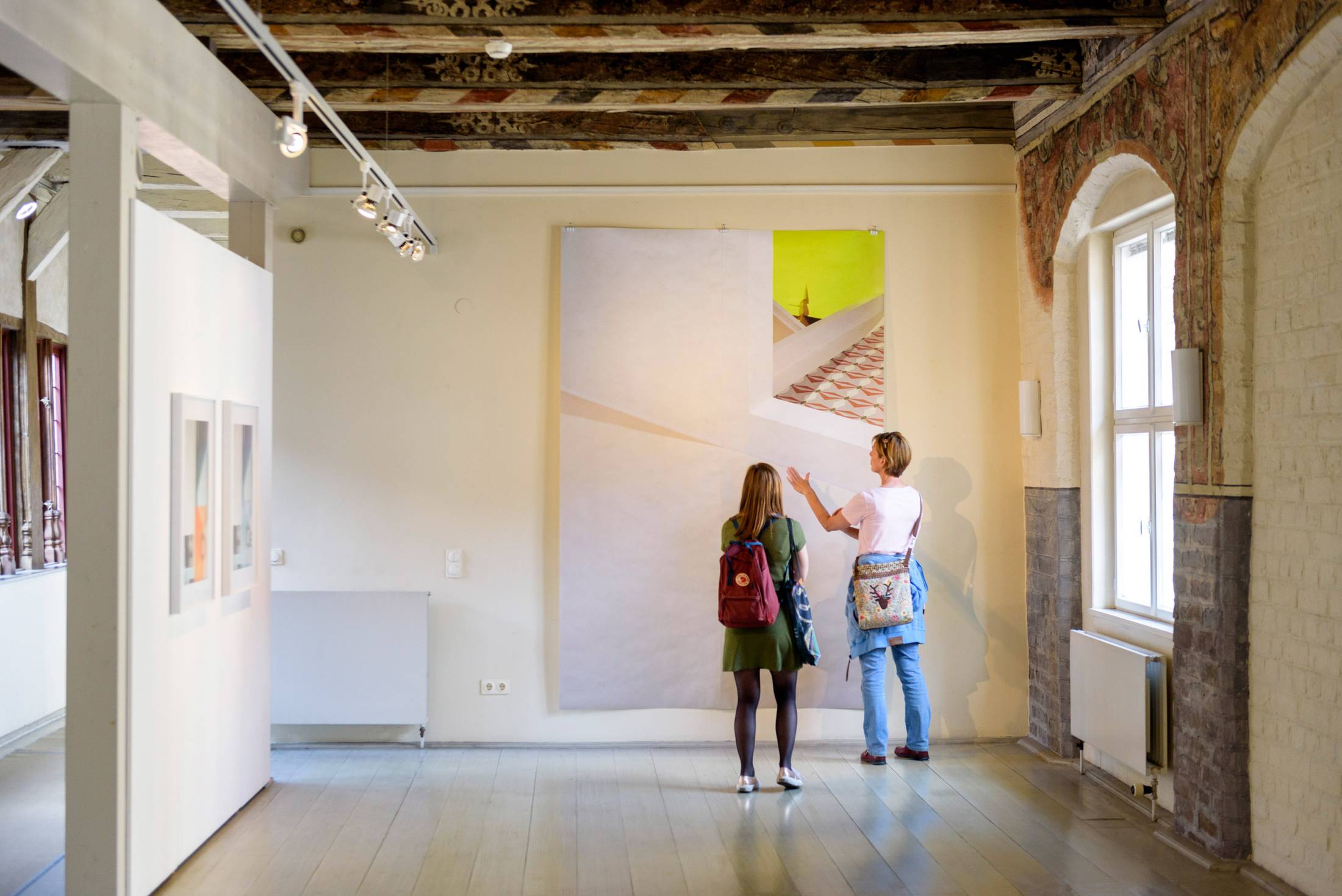
Andrea Grützner:Exhibitions

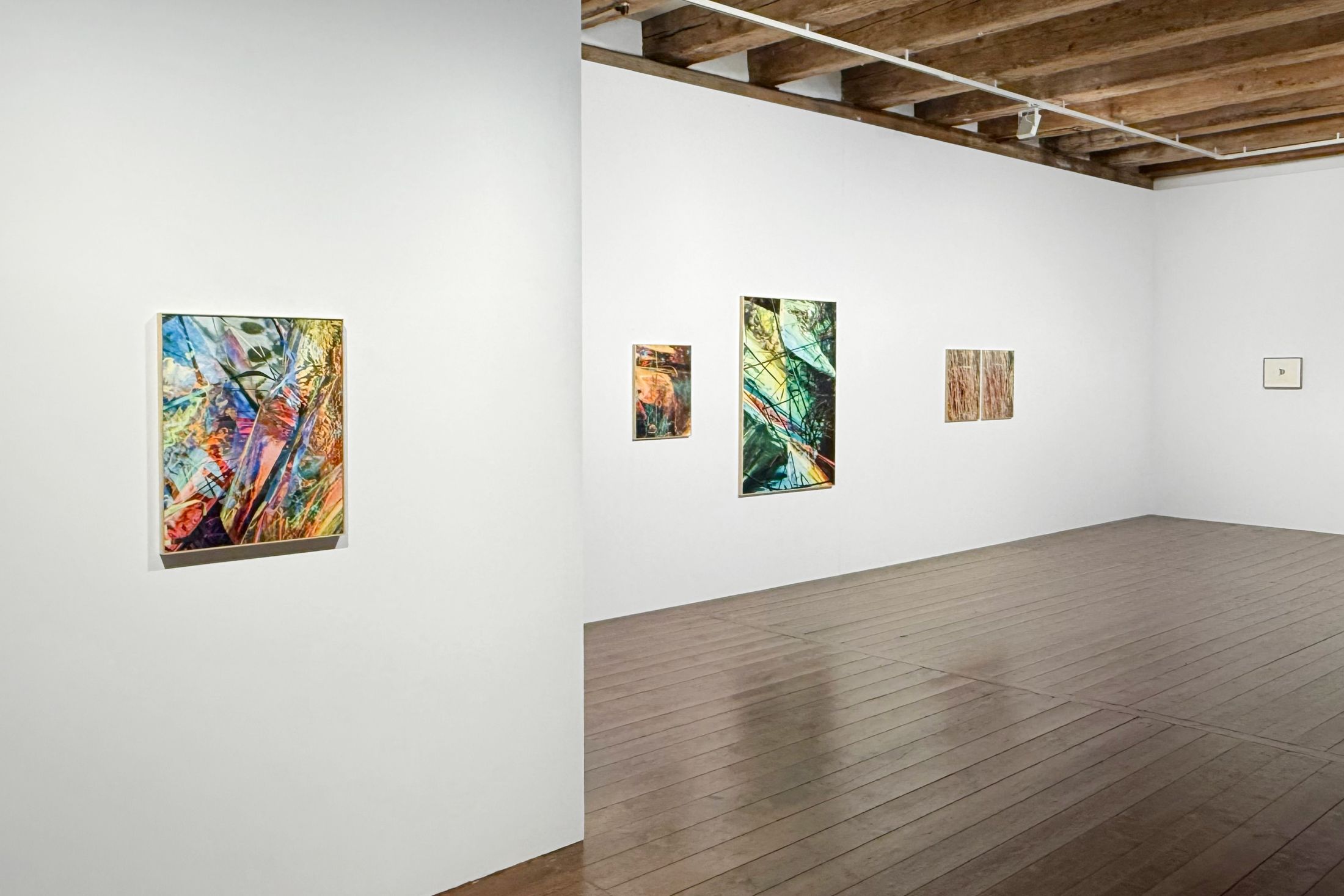
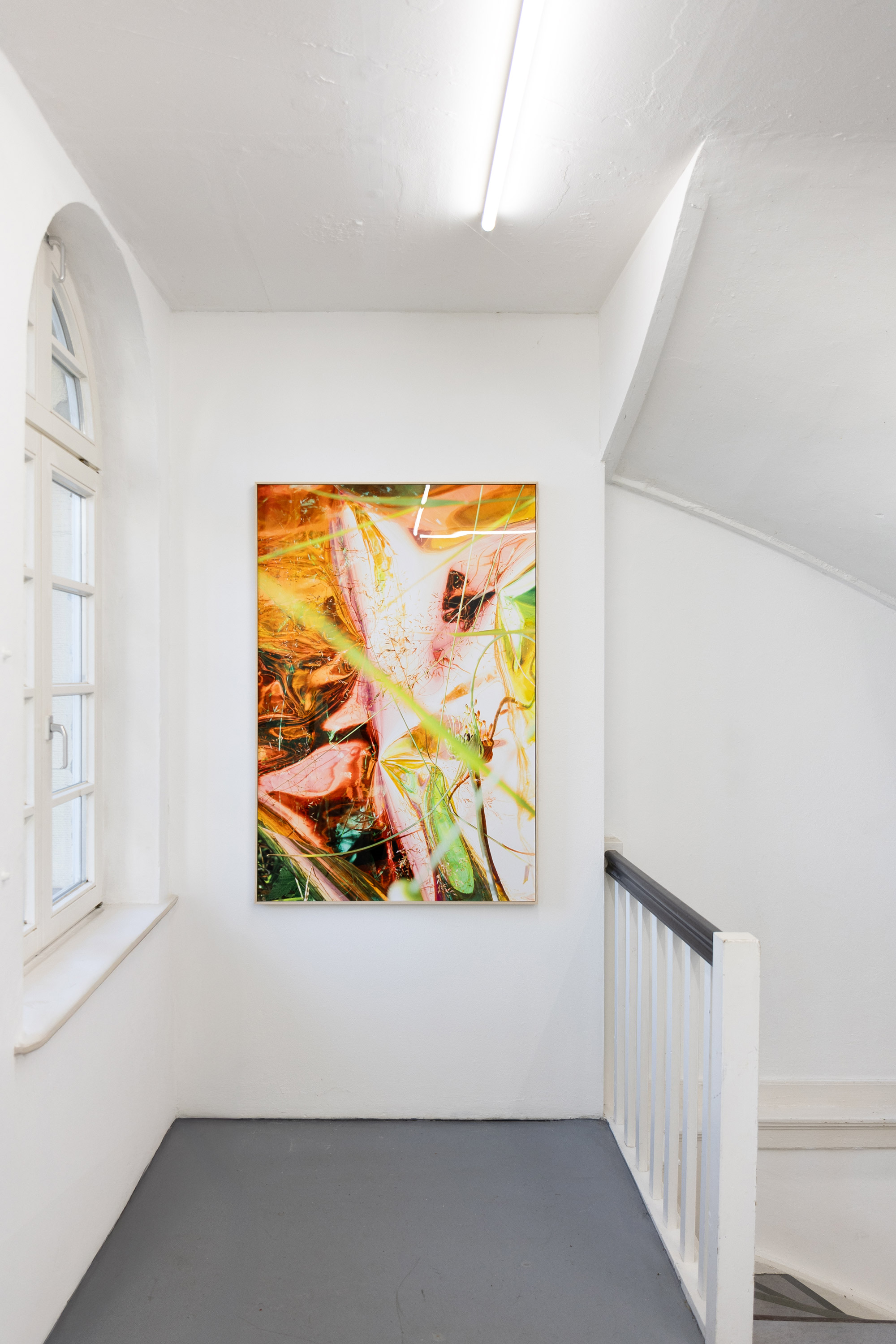
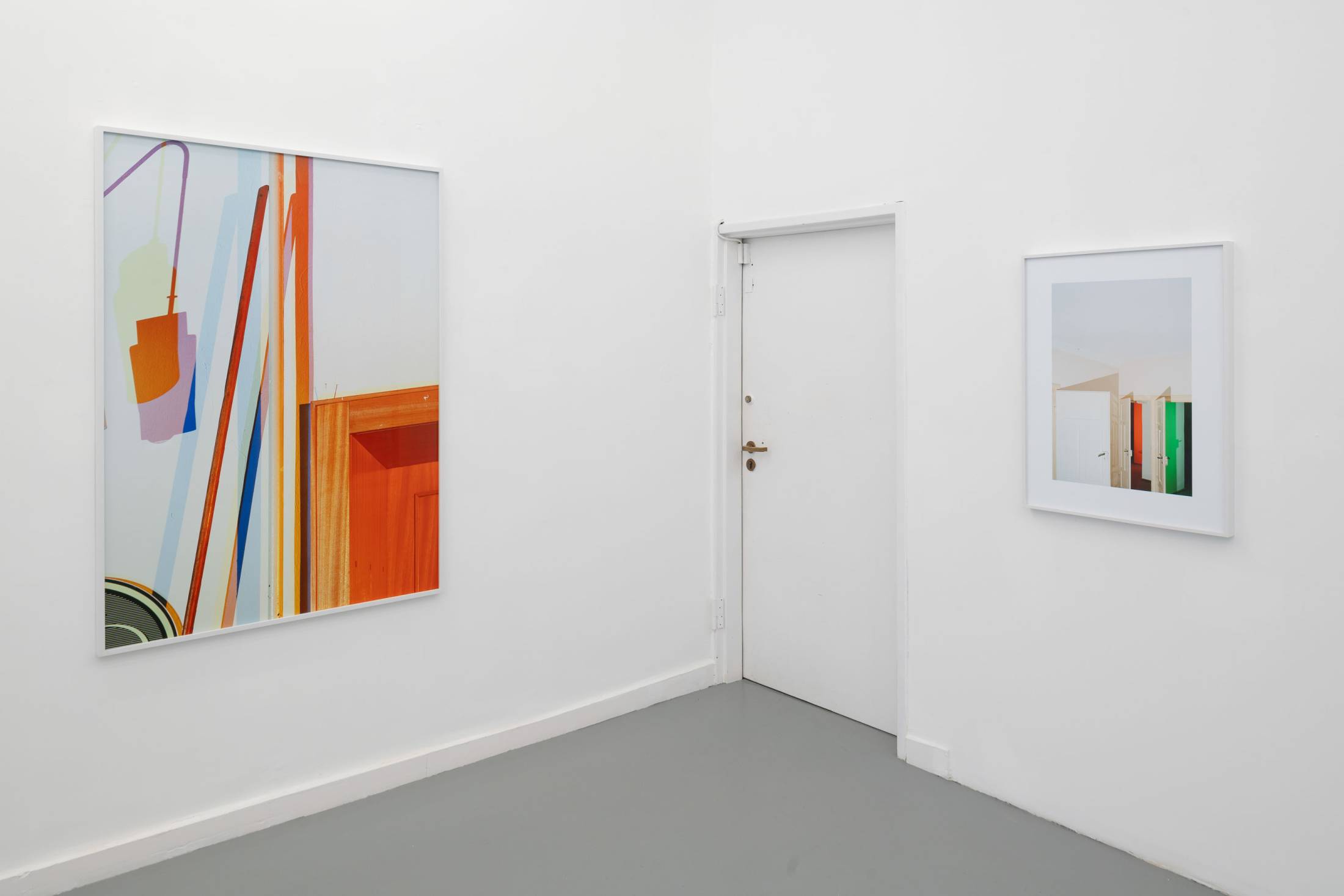
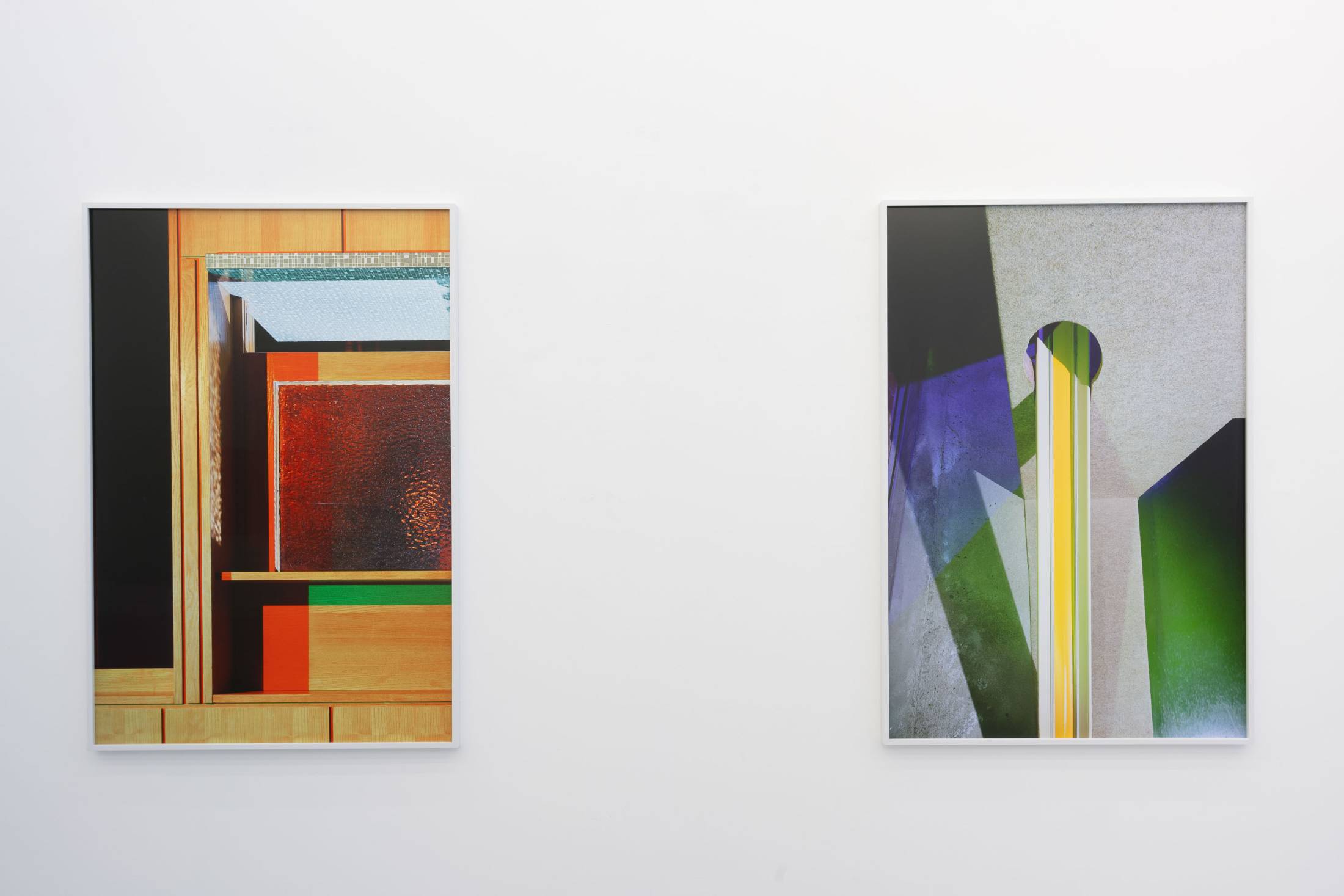
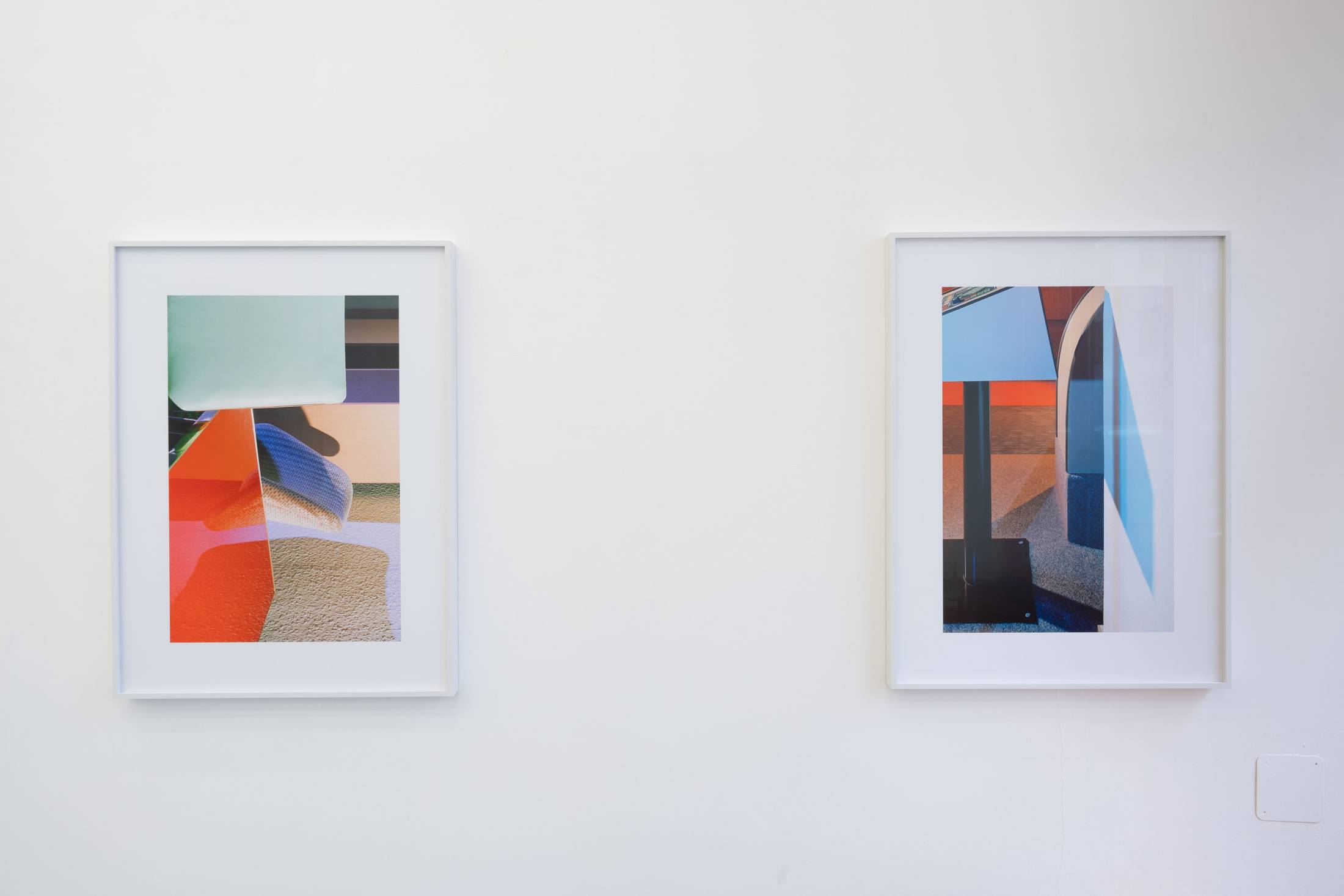
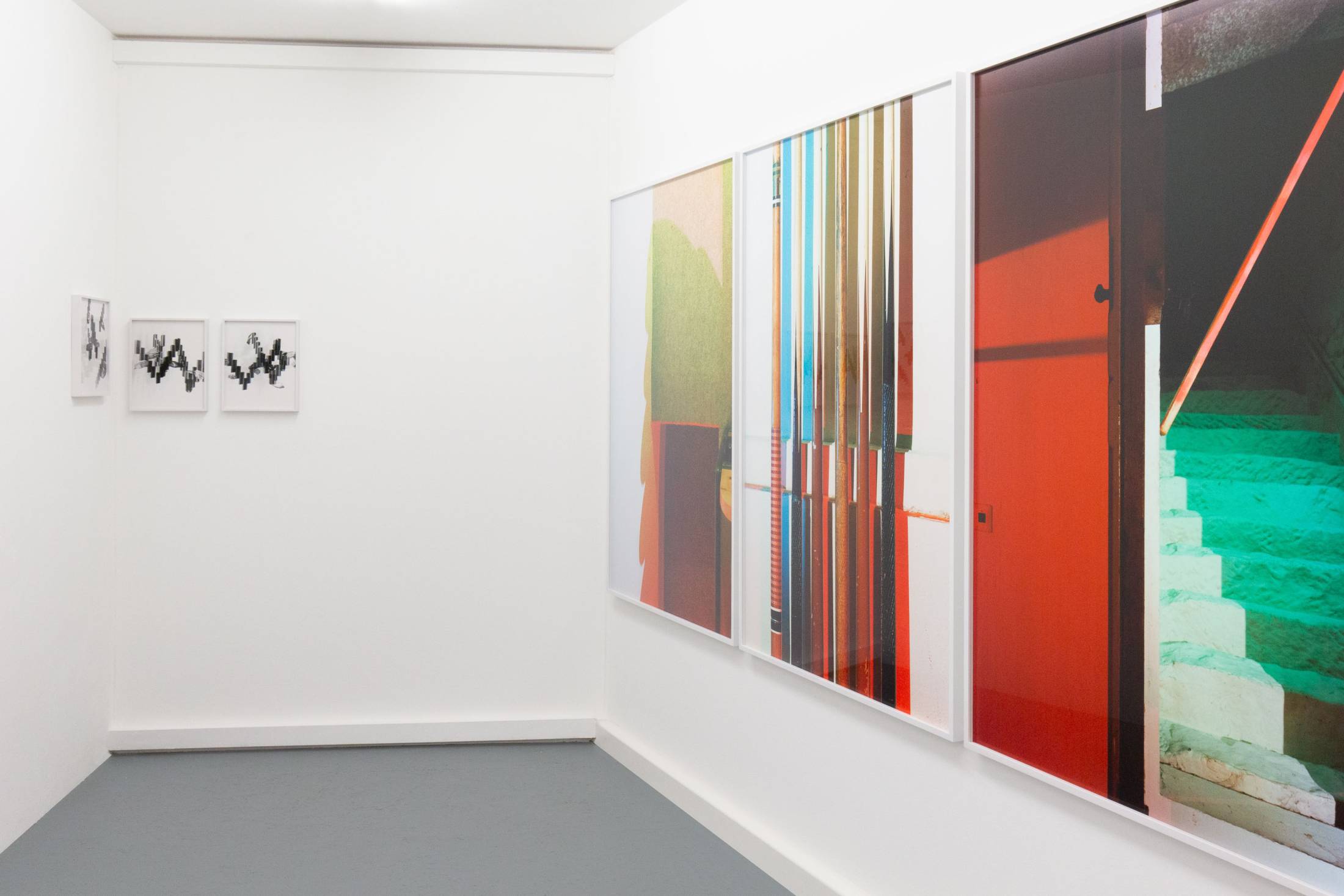
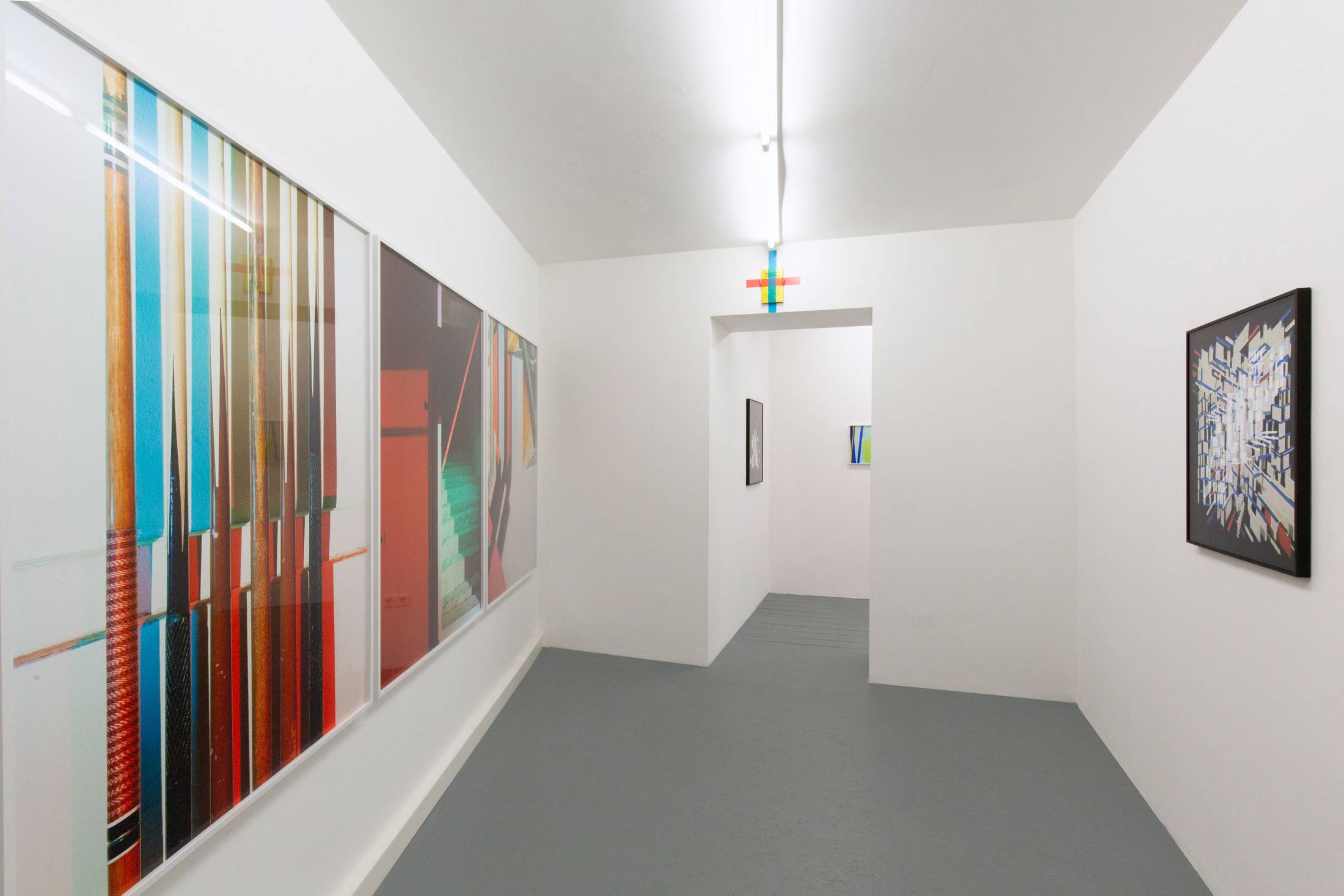
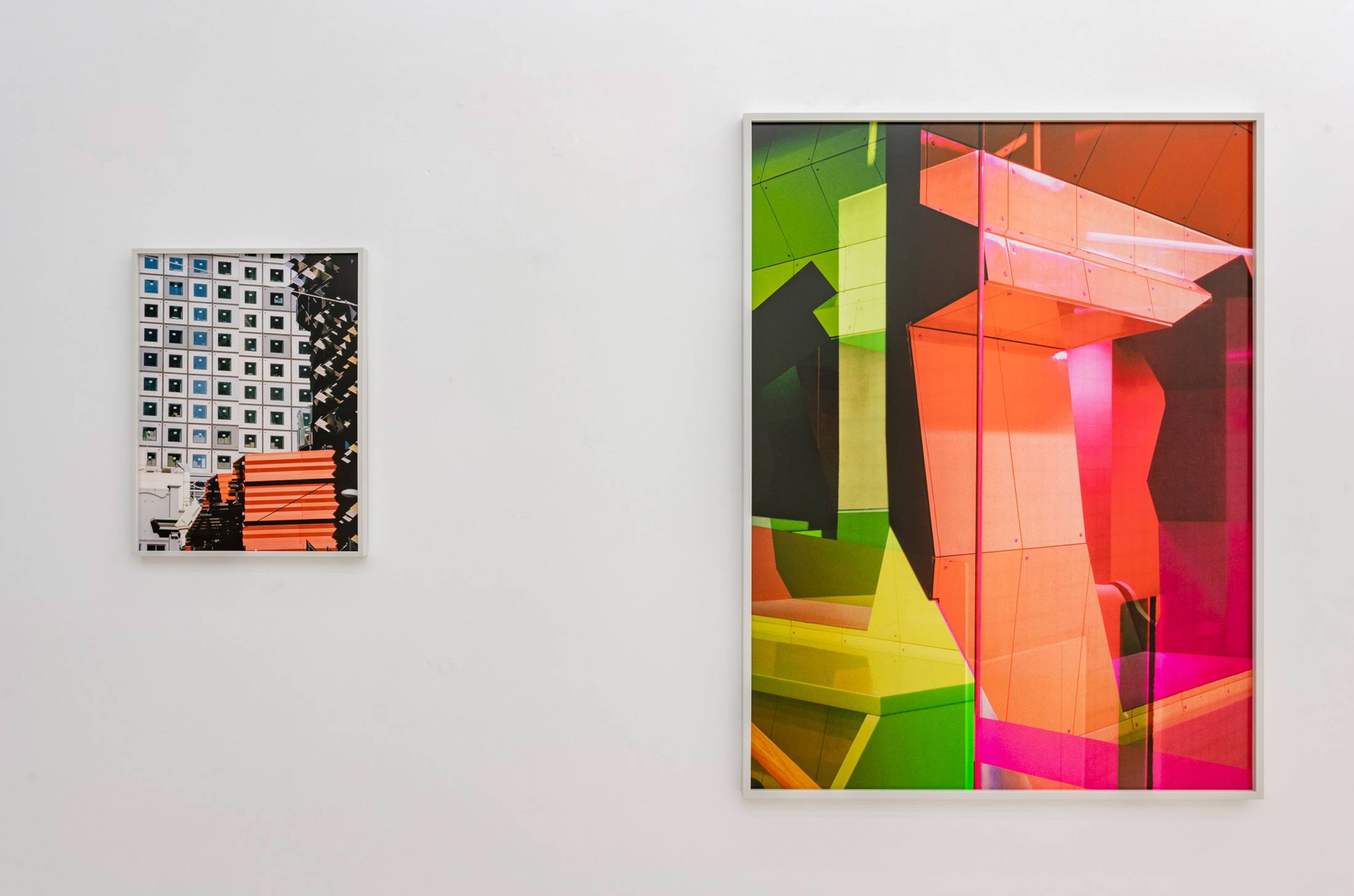
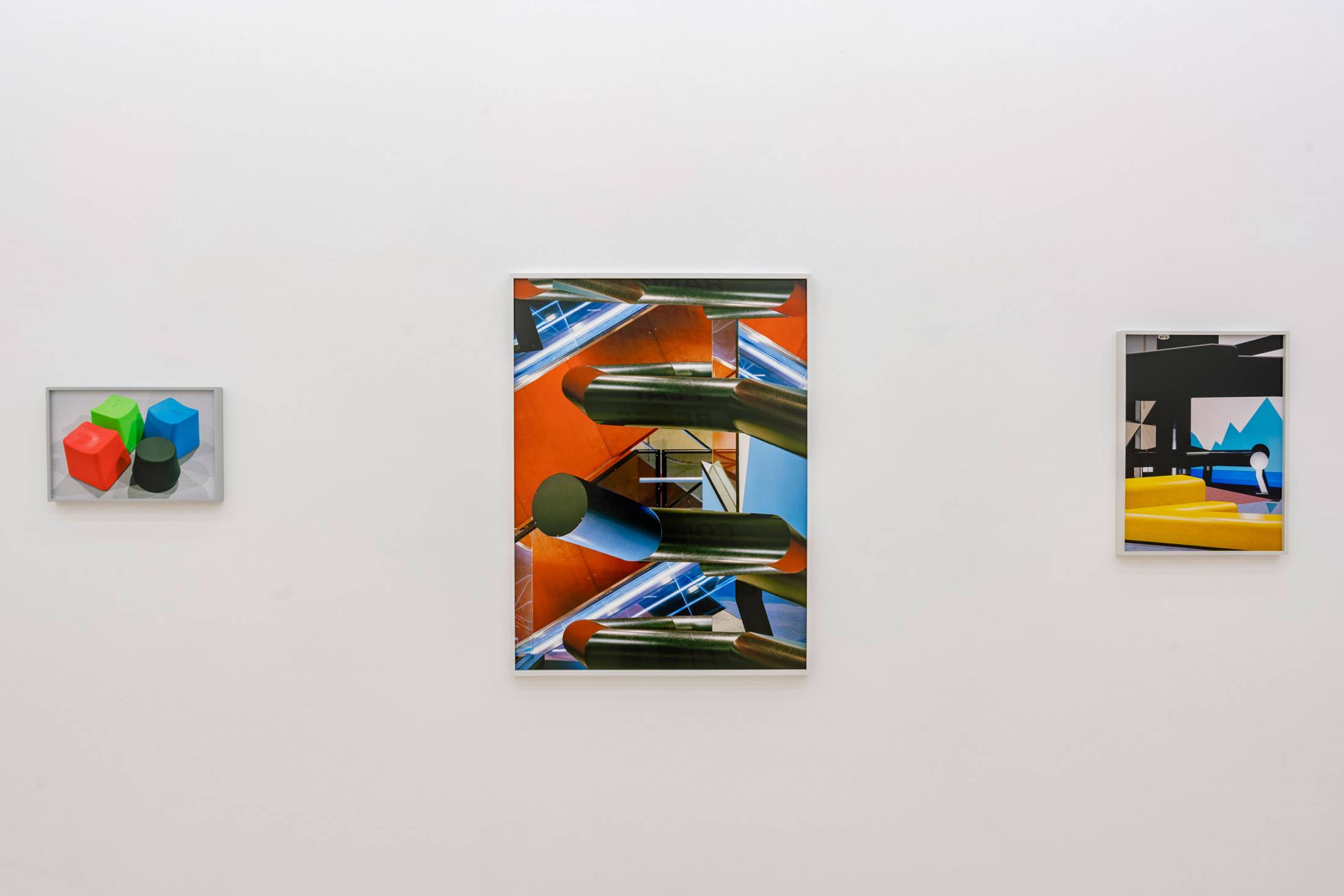
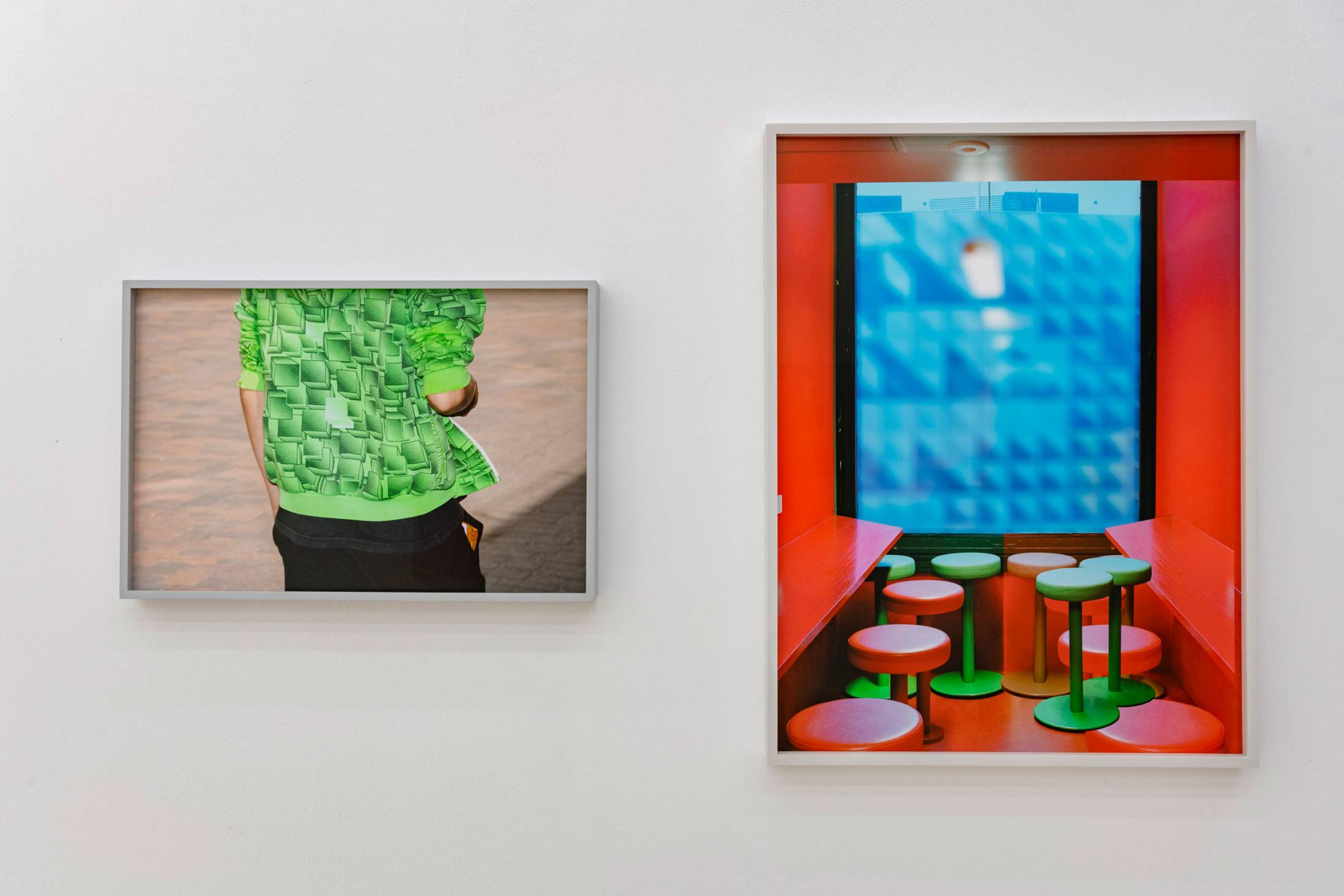
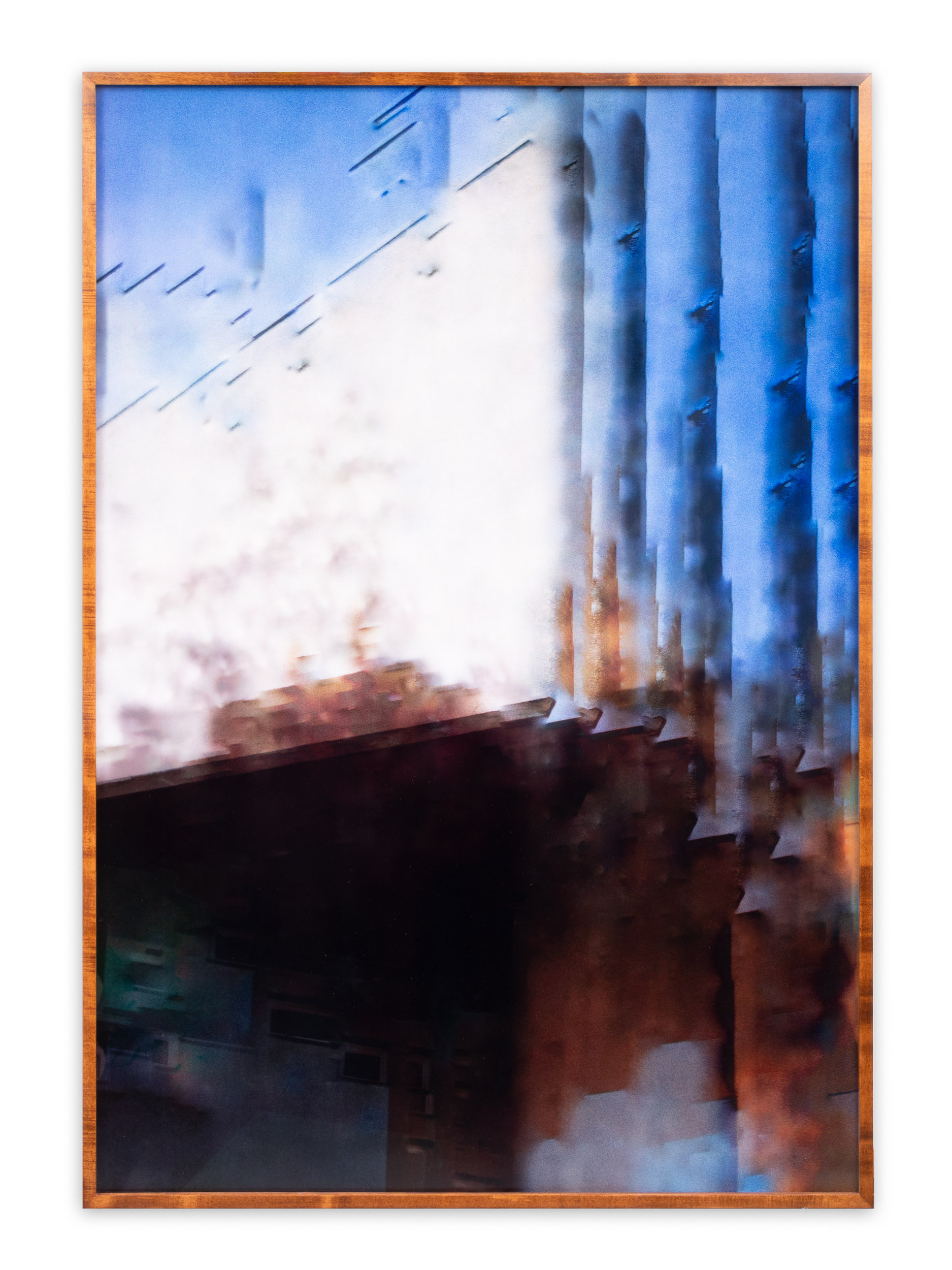
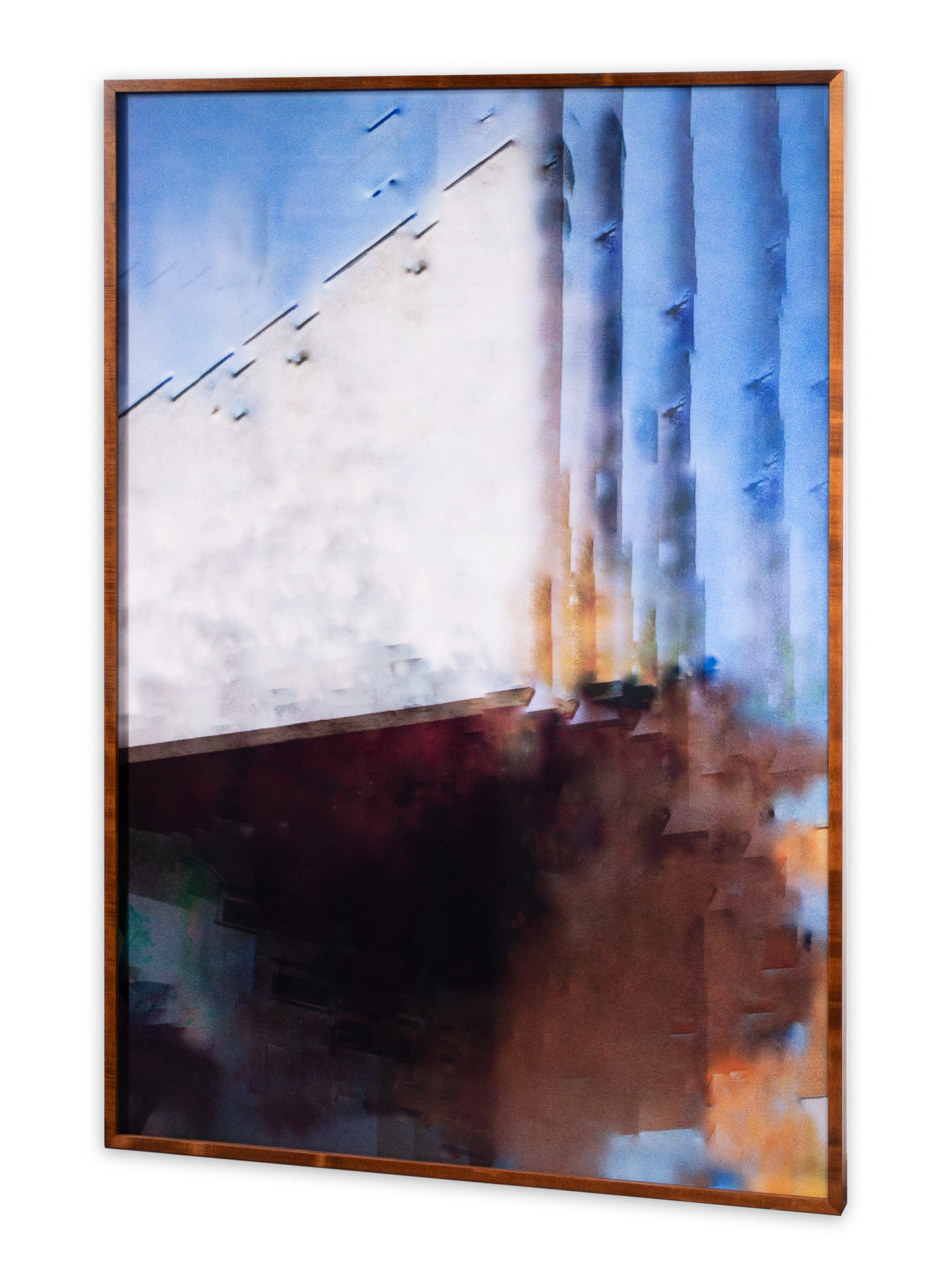
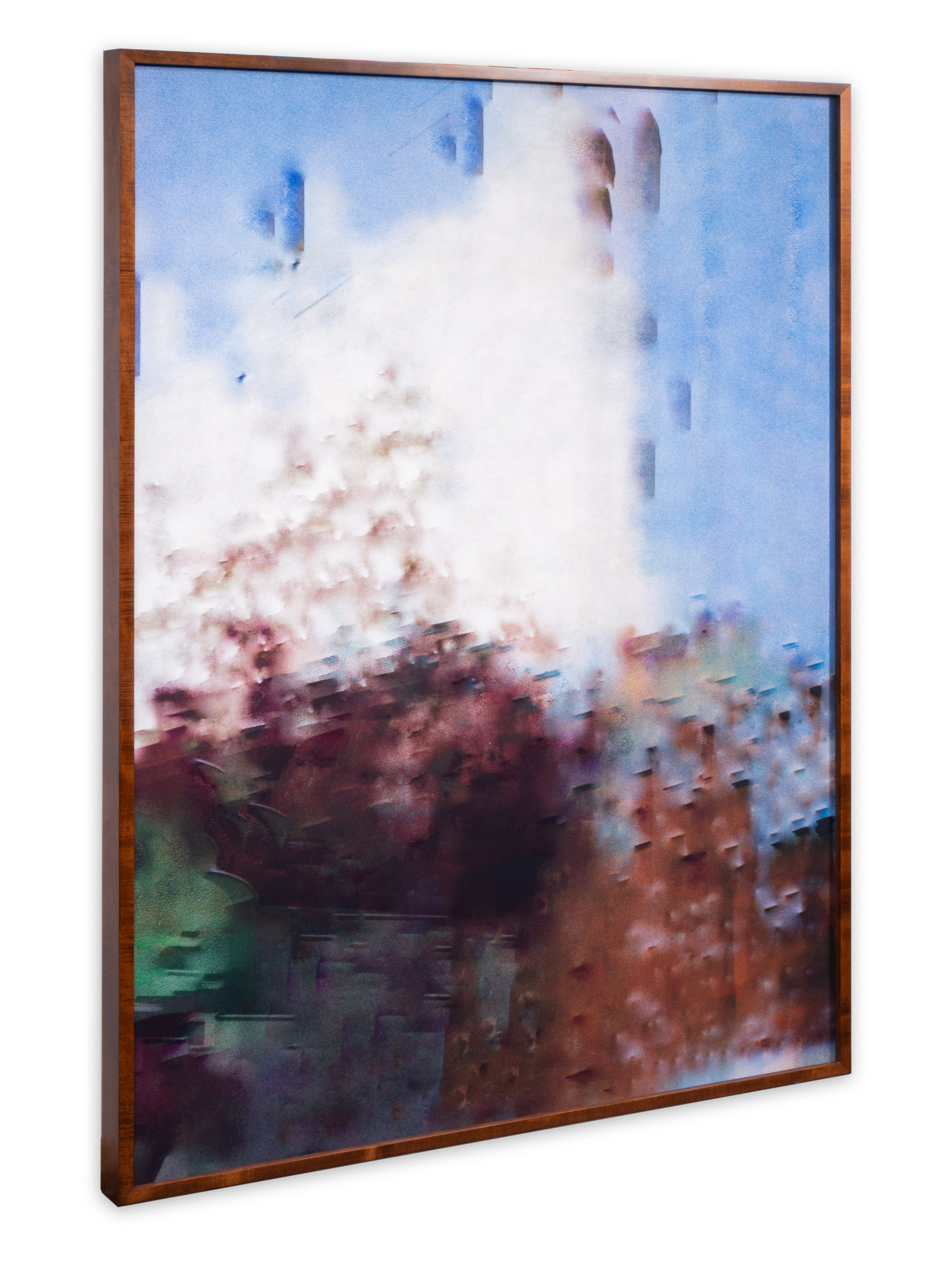
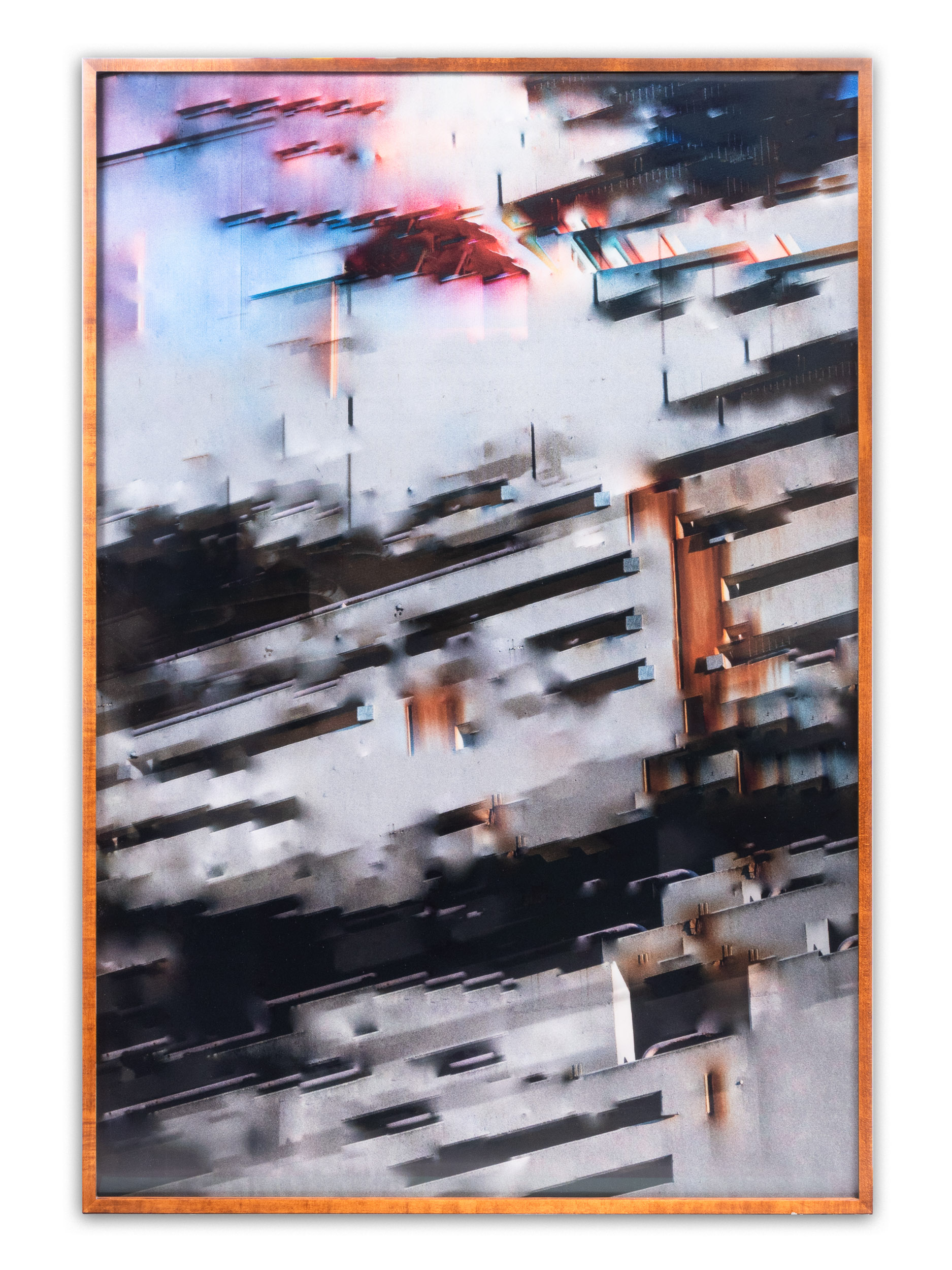
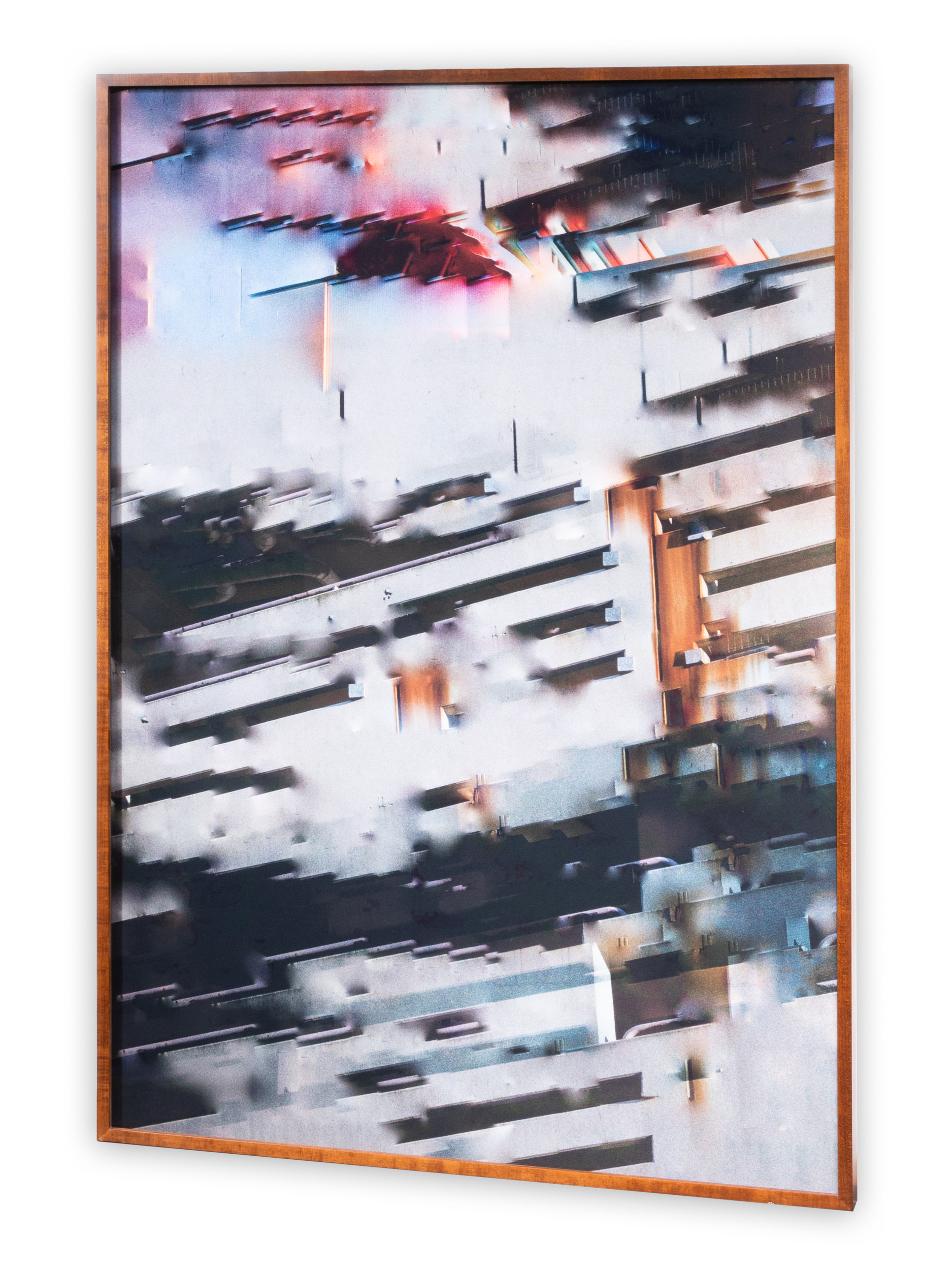
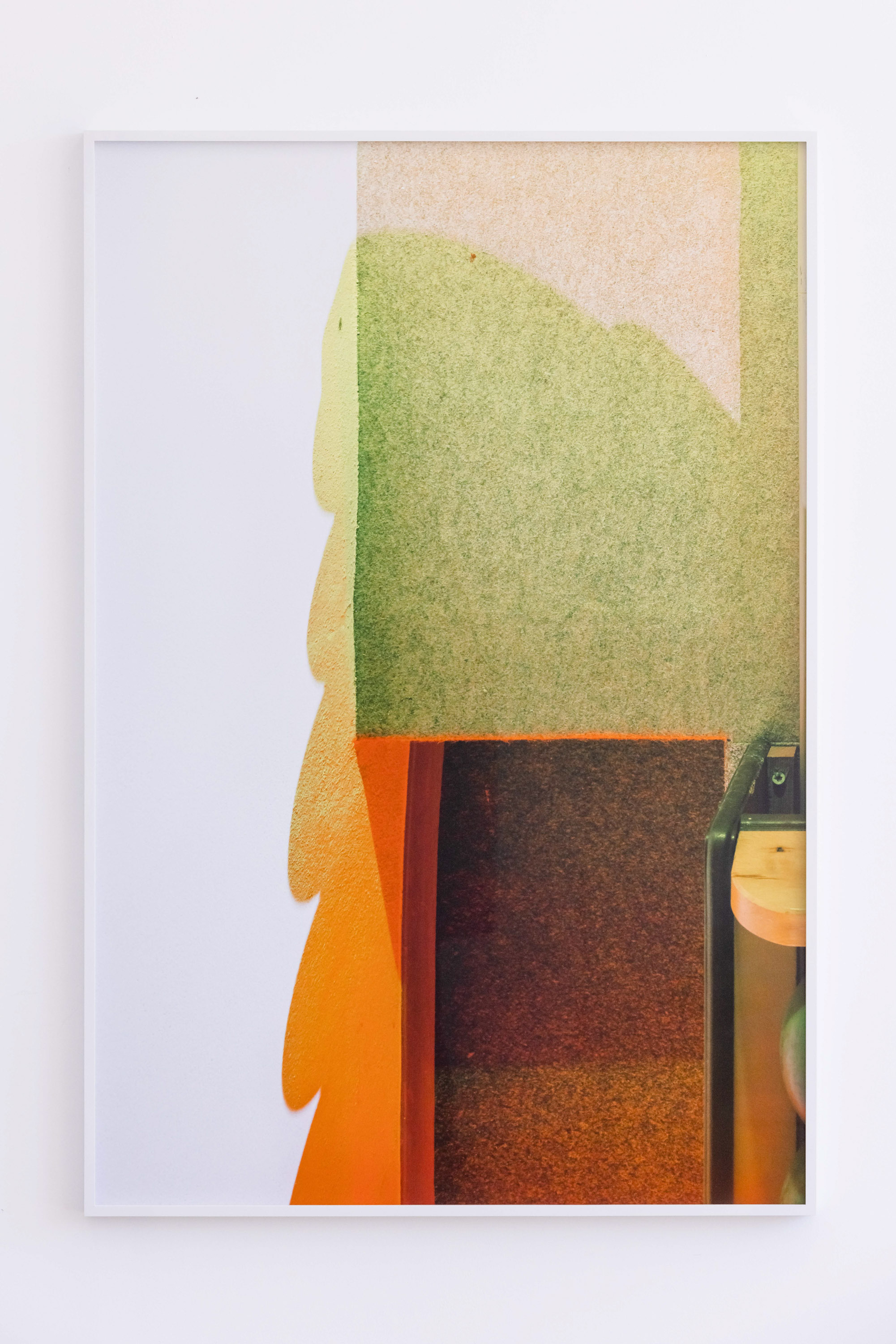
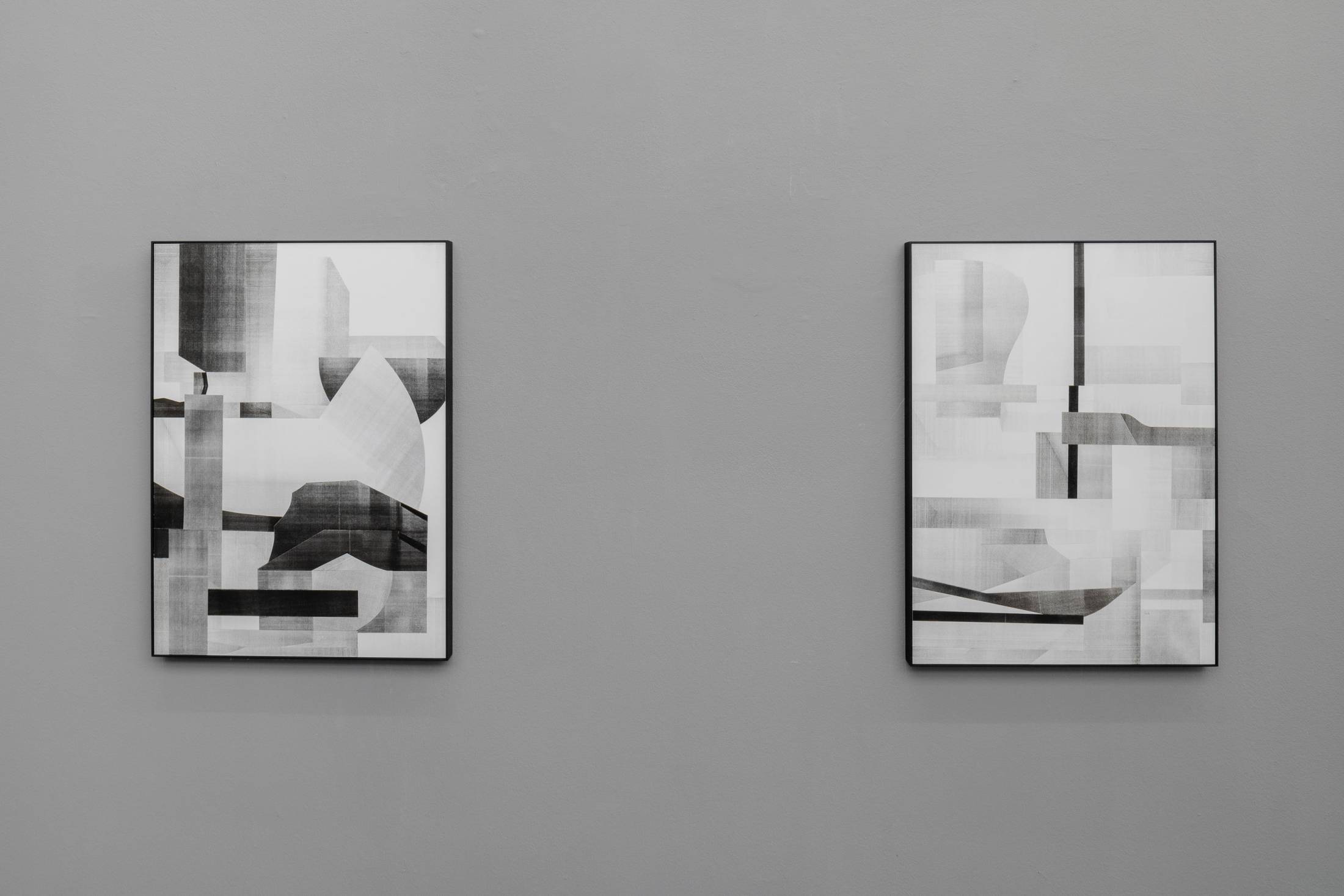
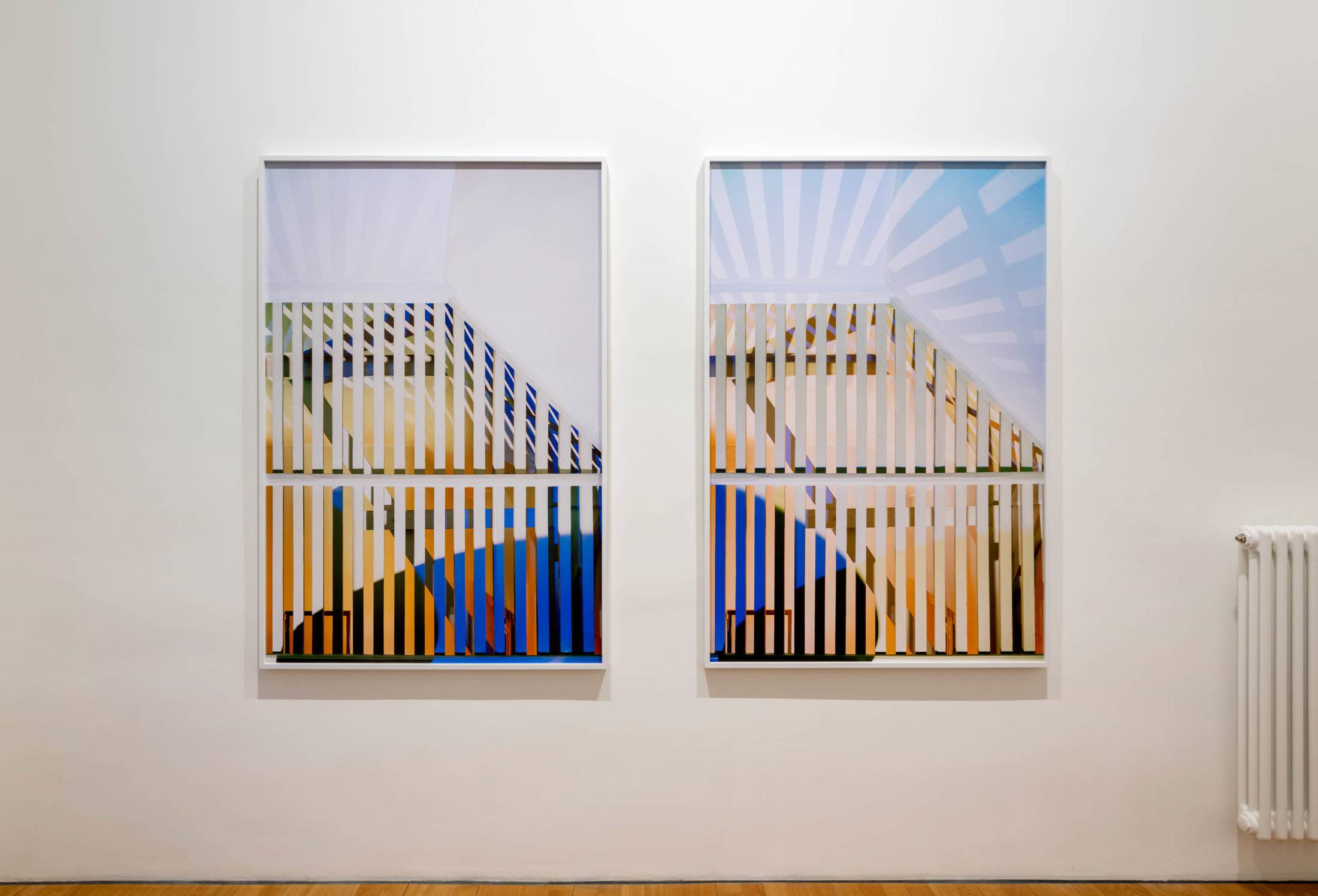
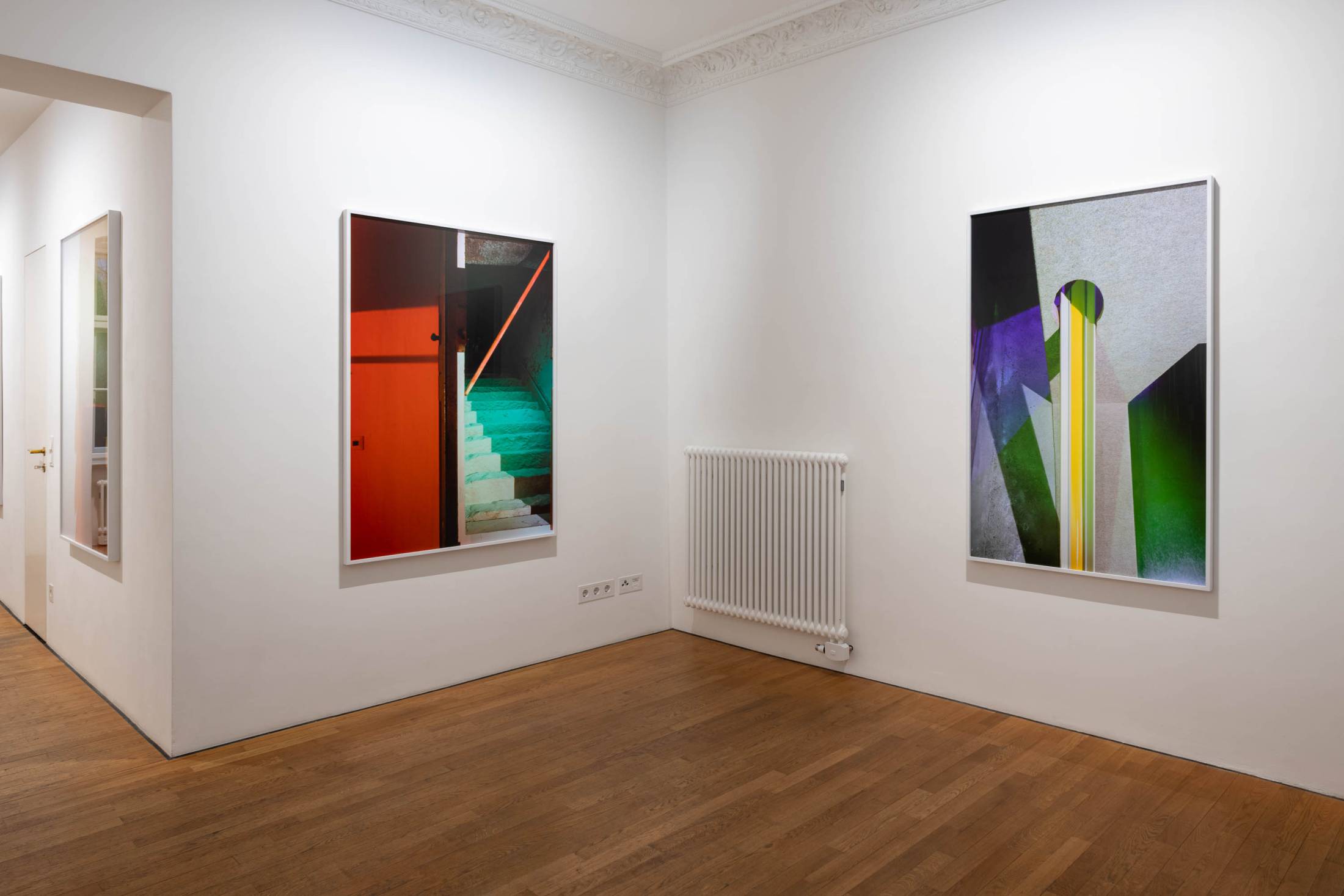
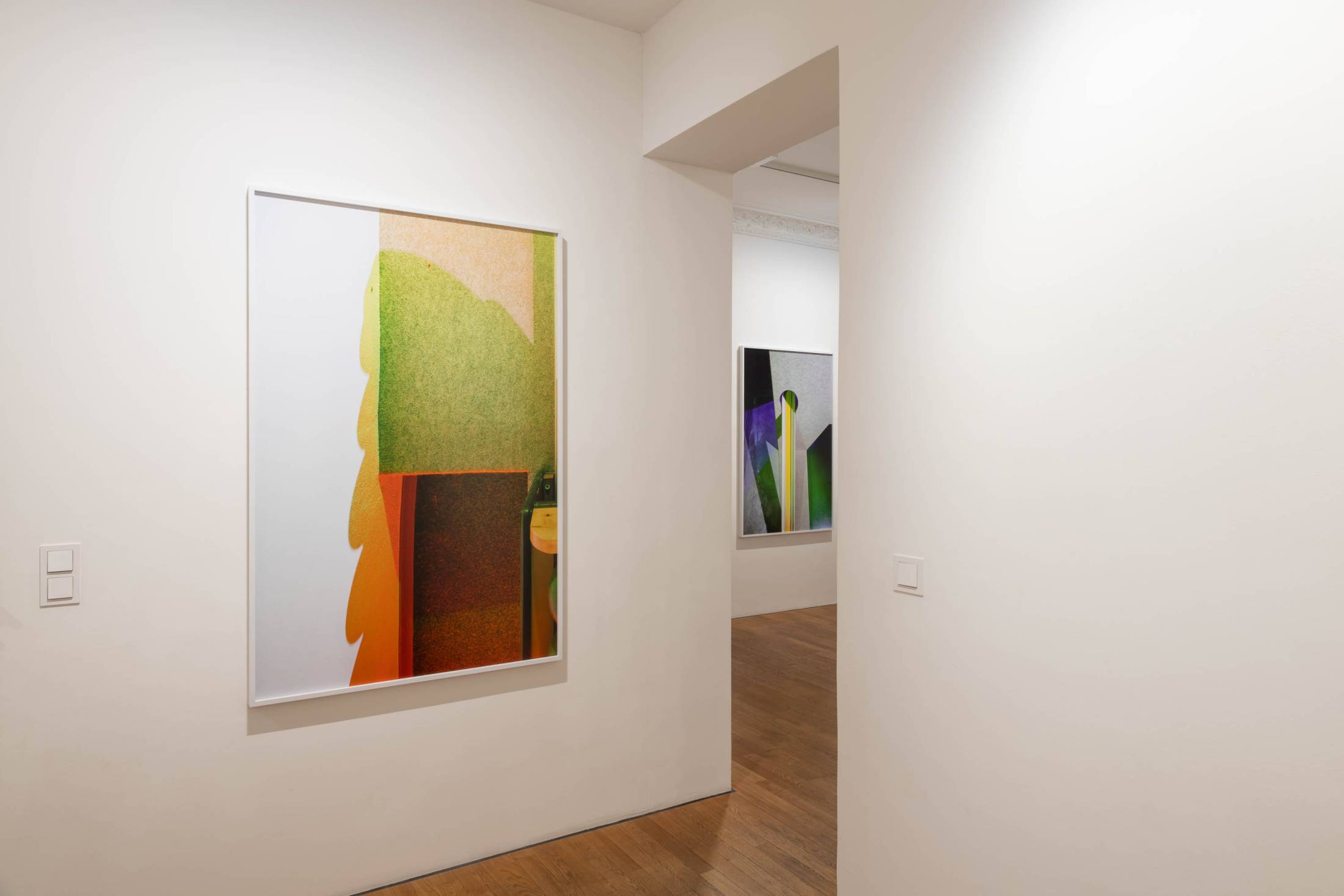
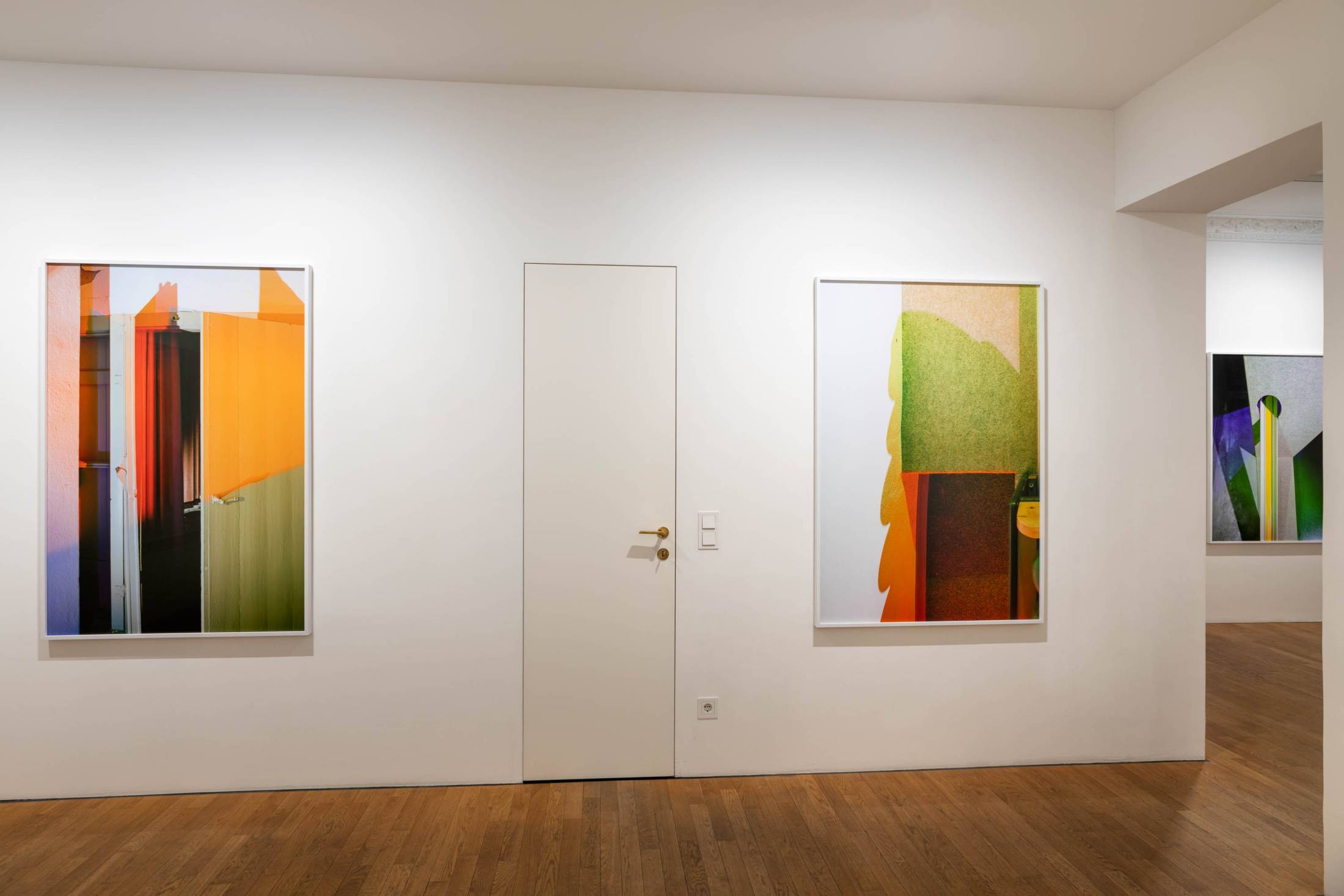
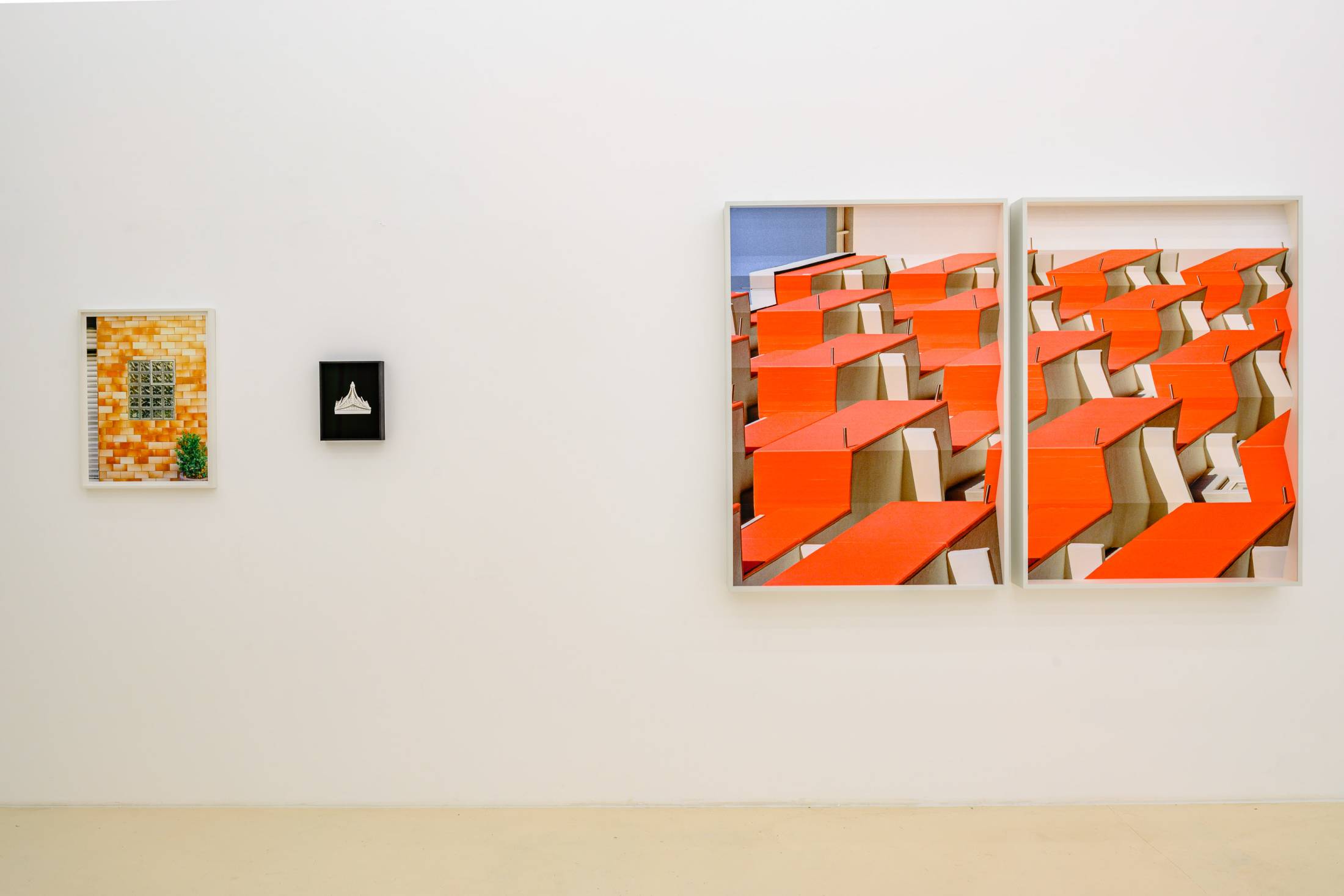
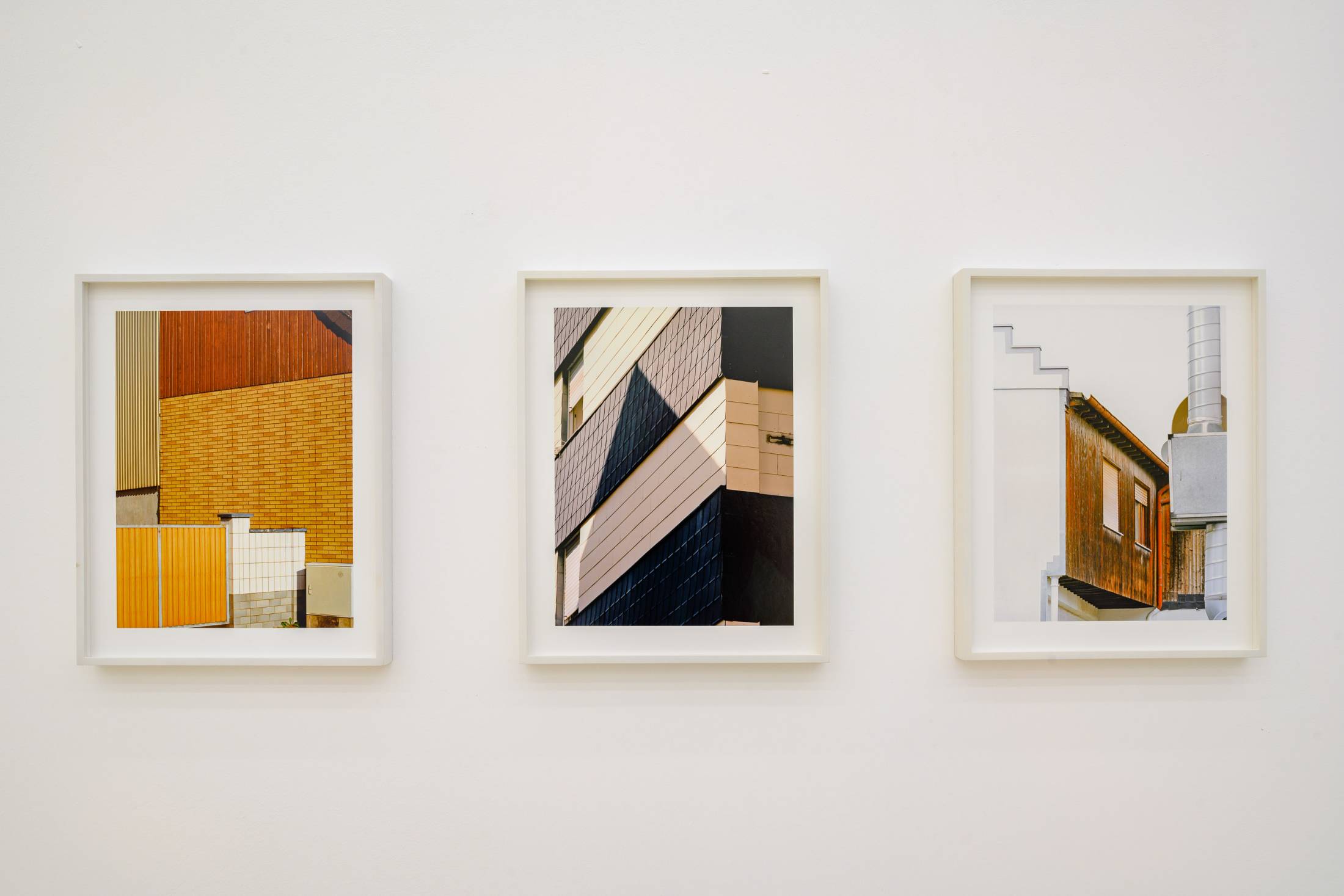
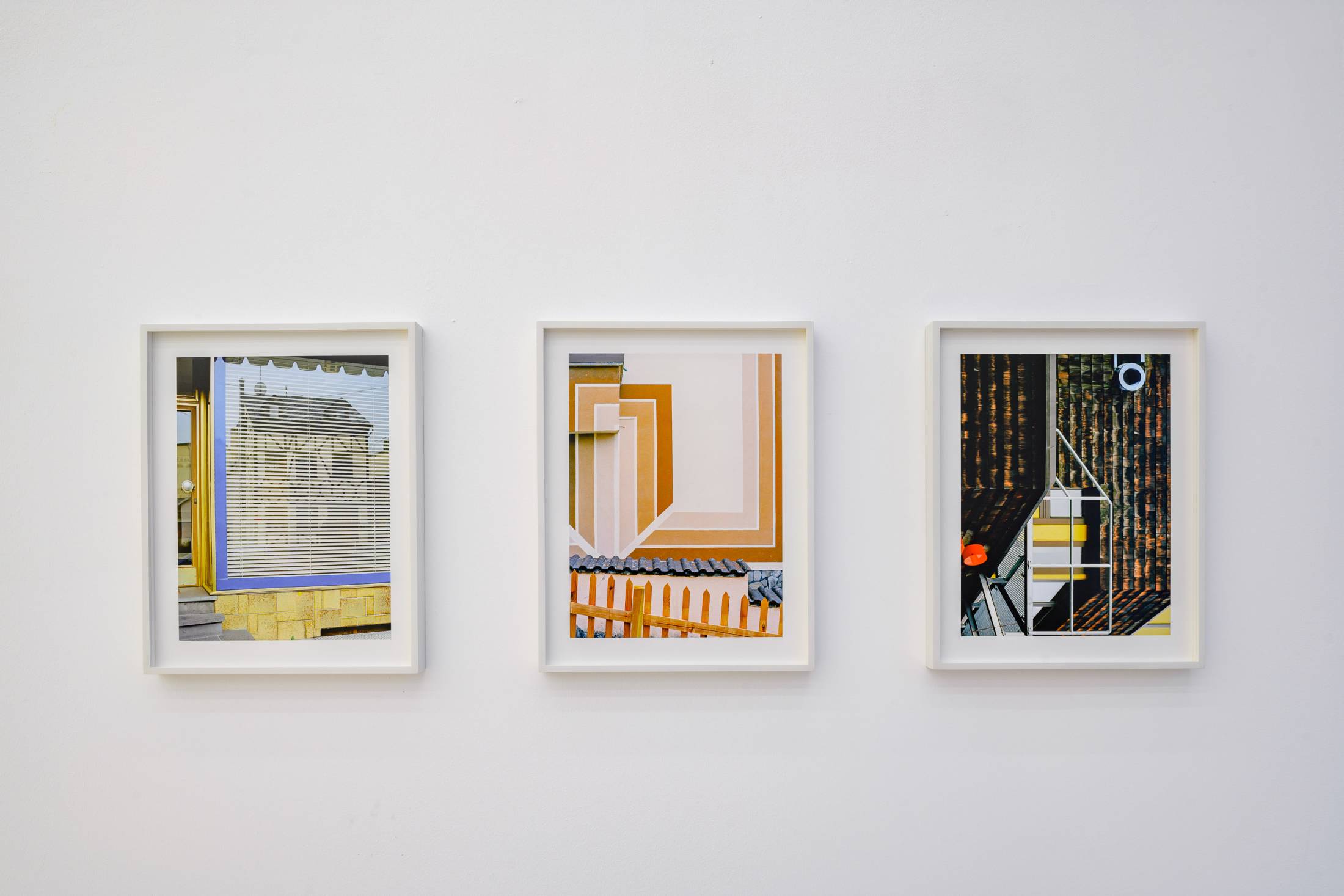
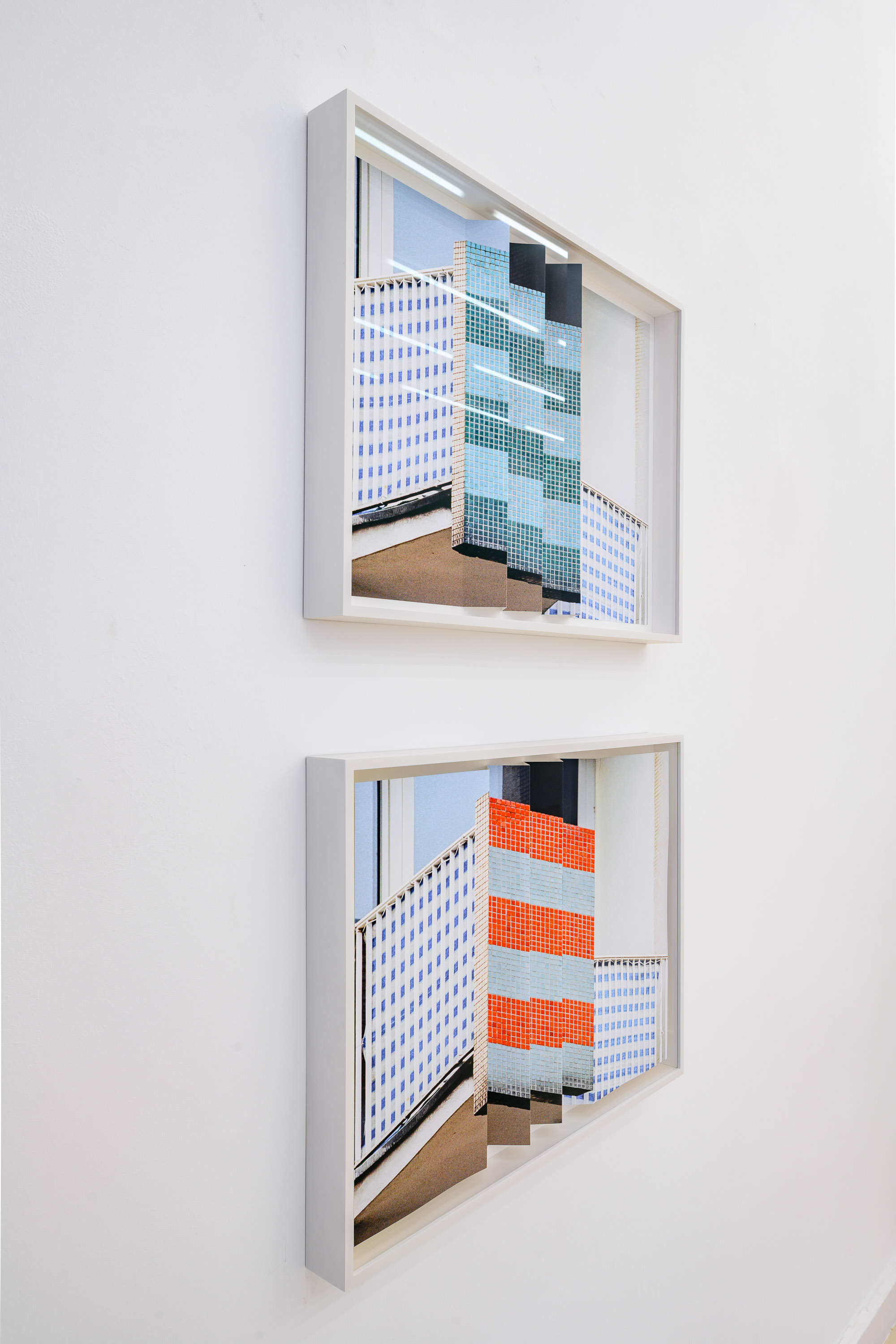
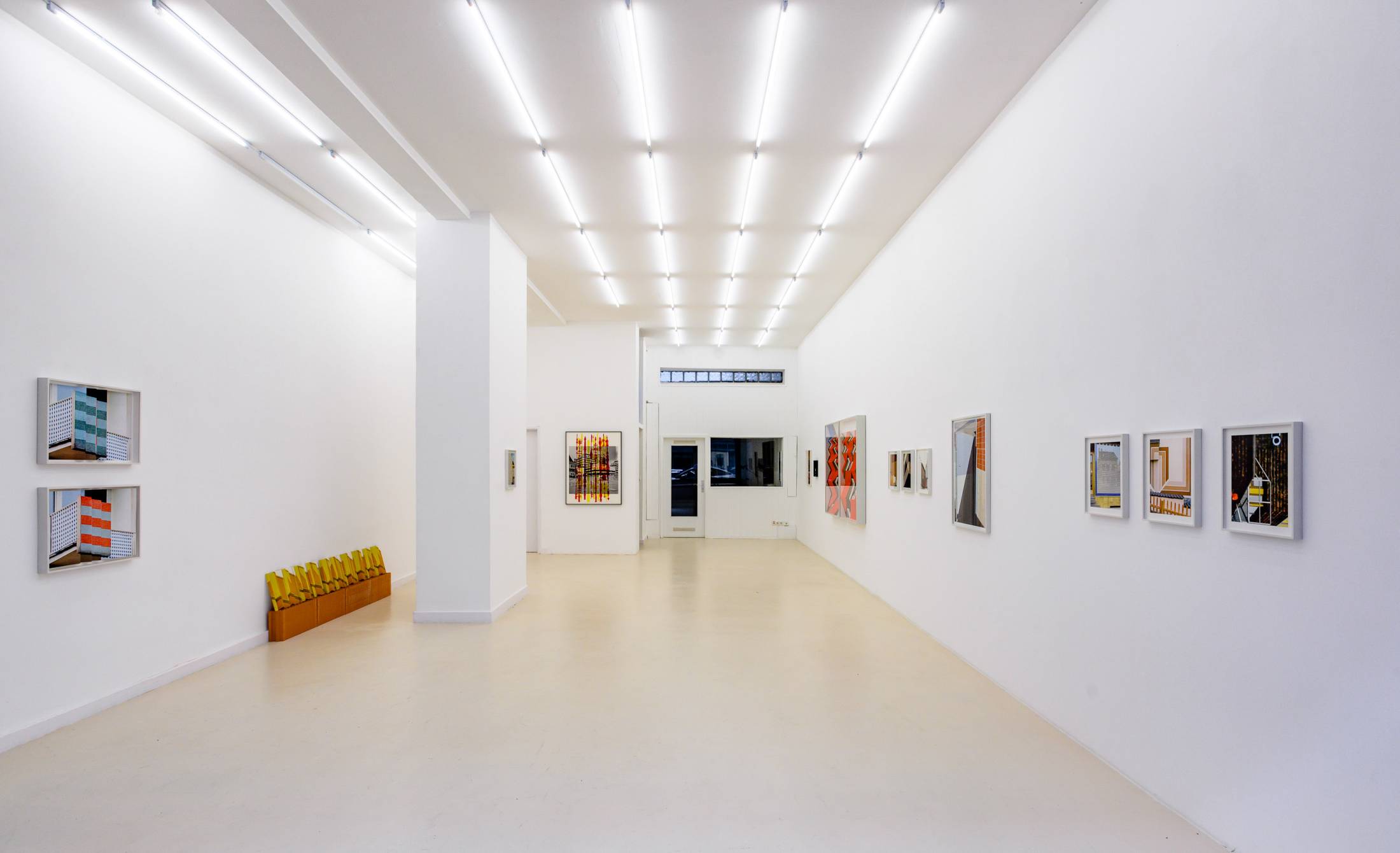
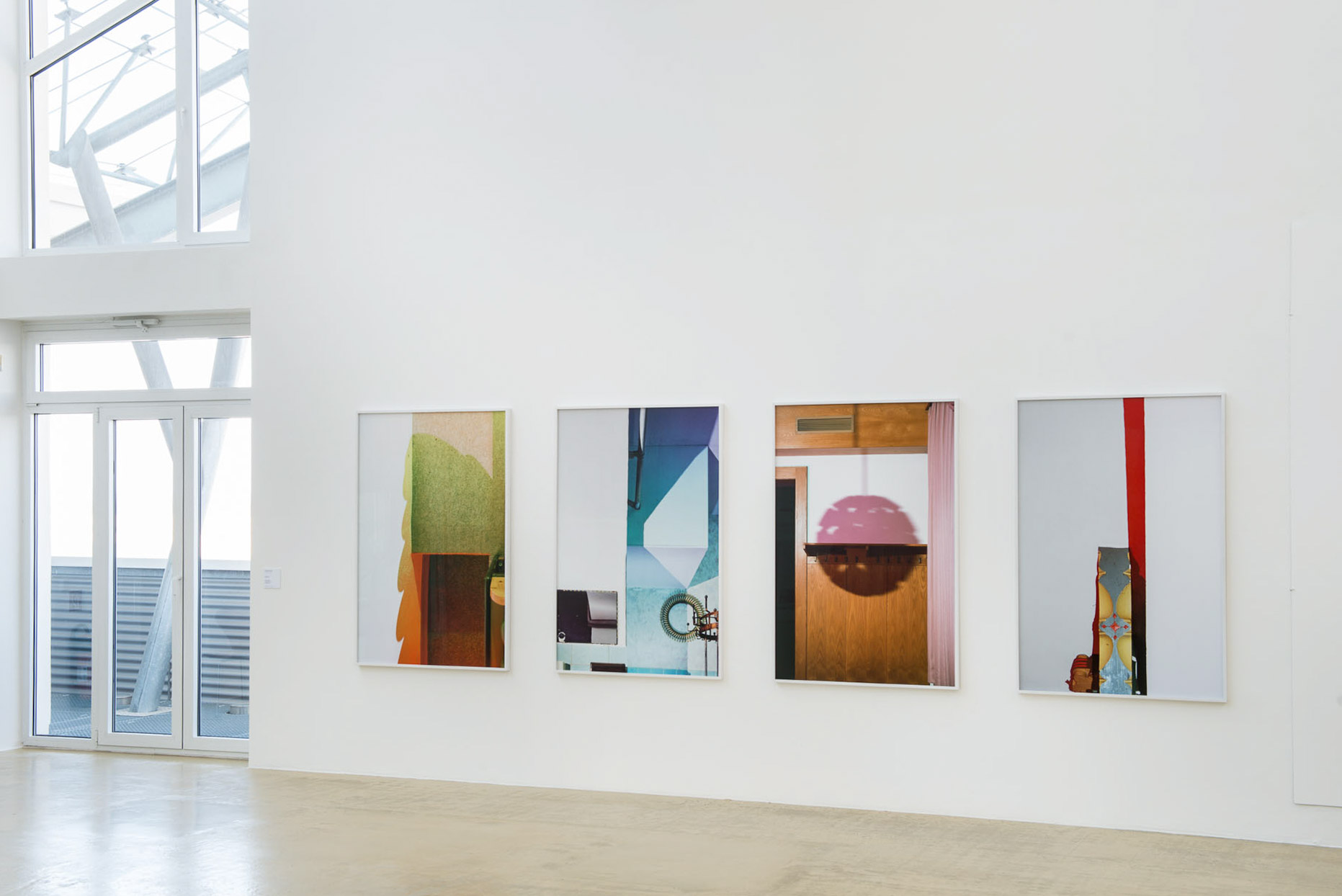
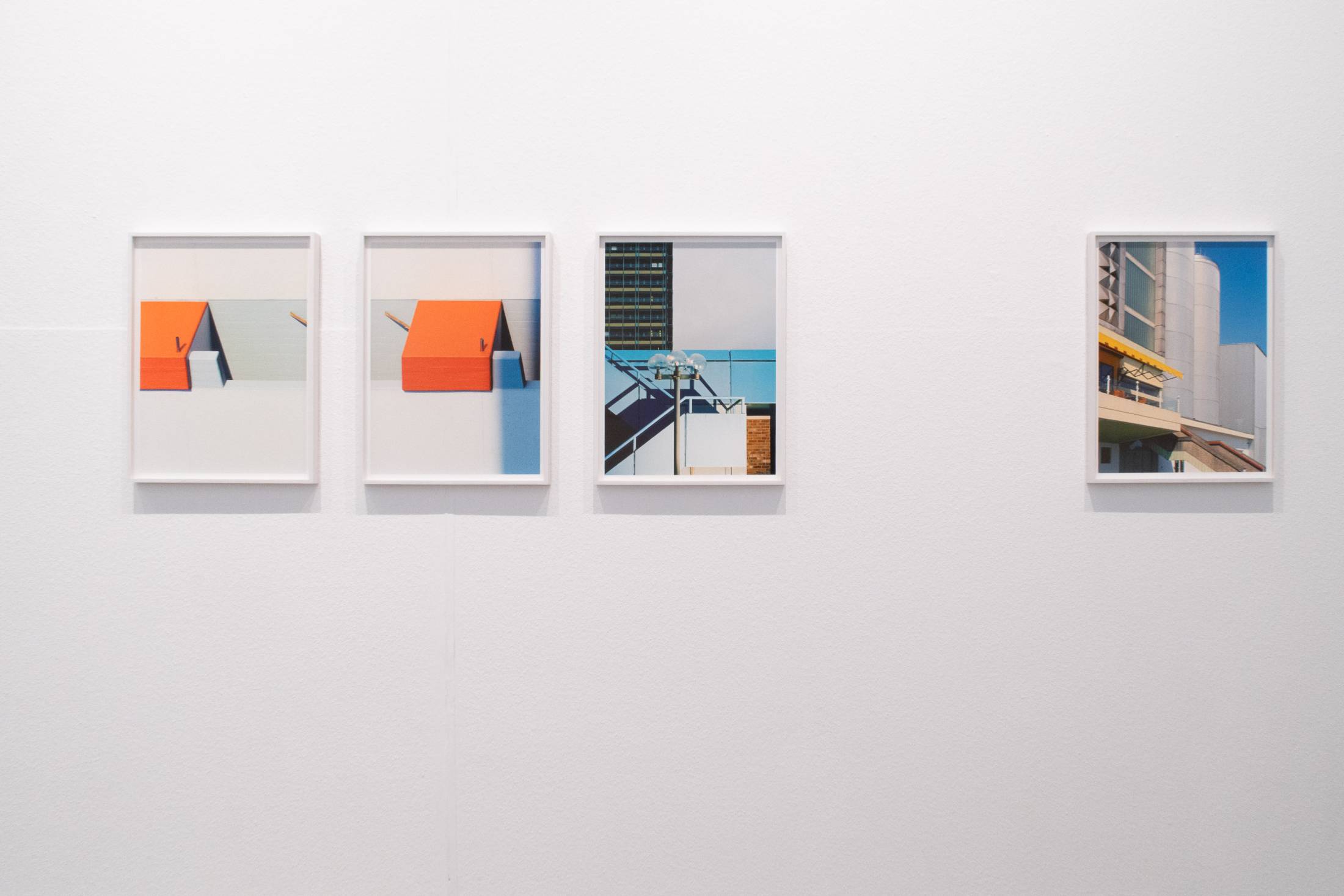
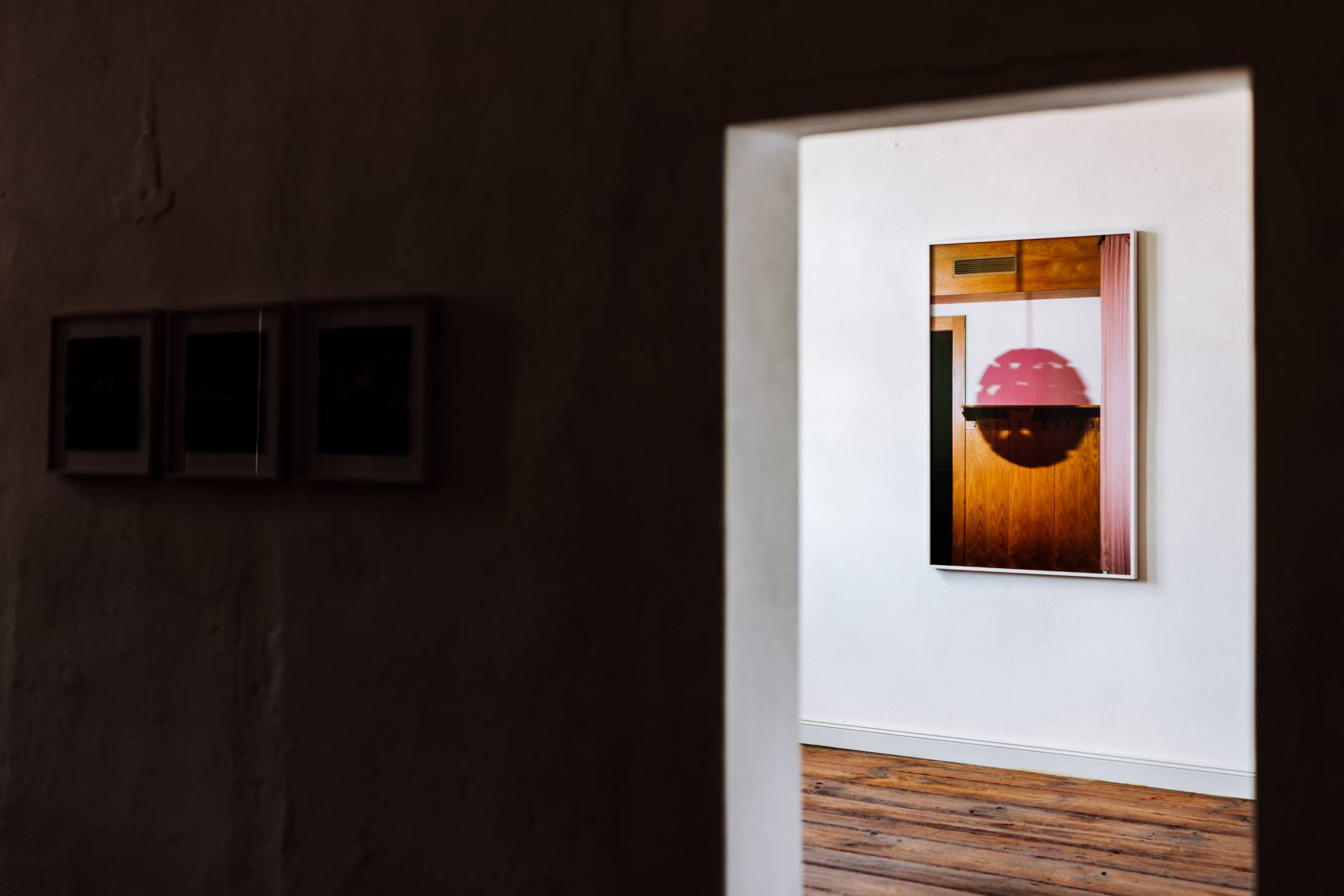
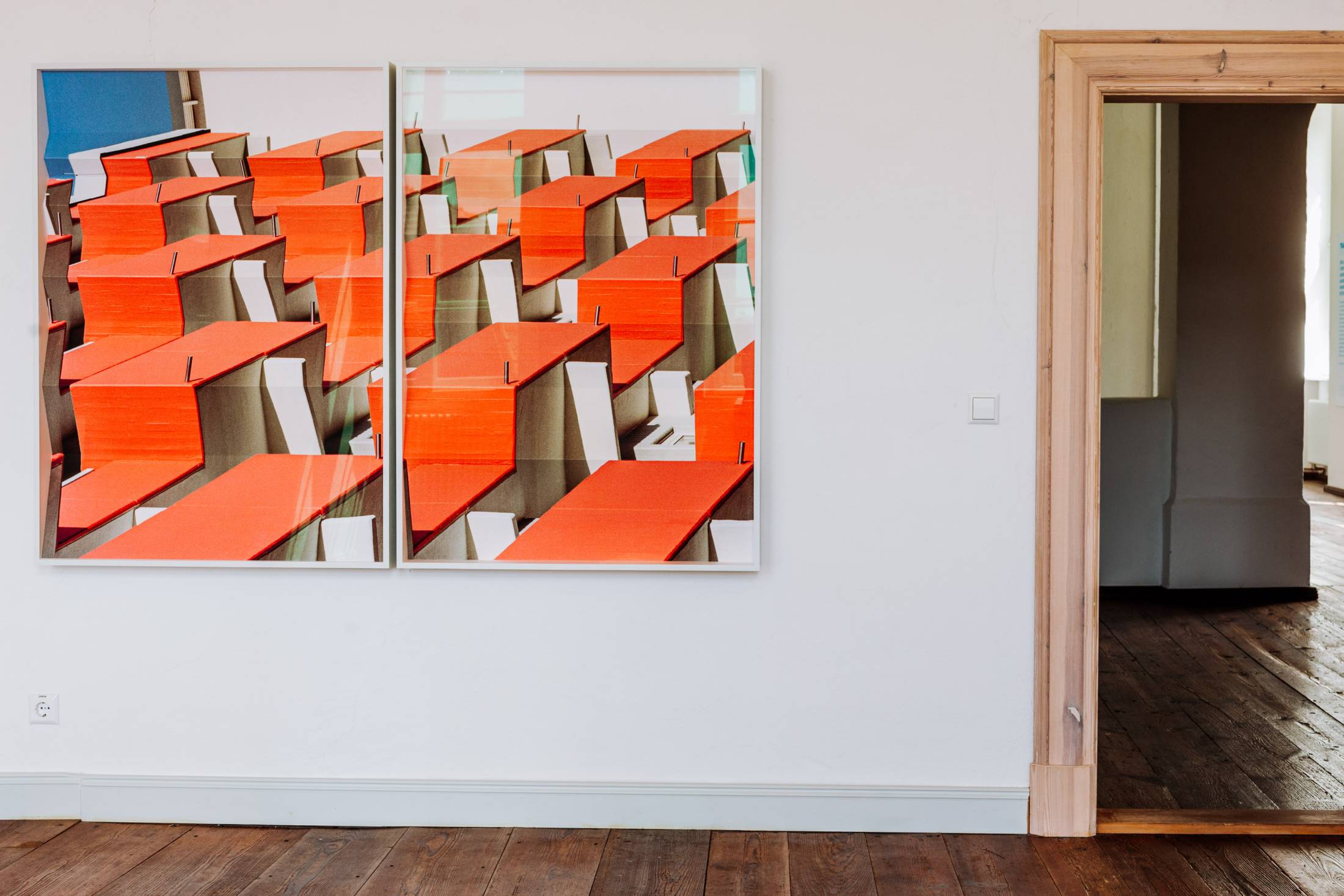
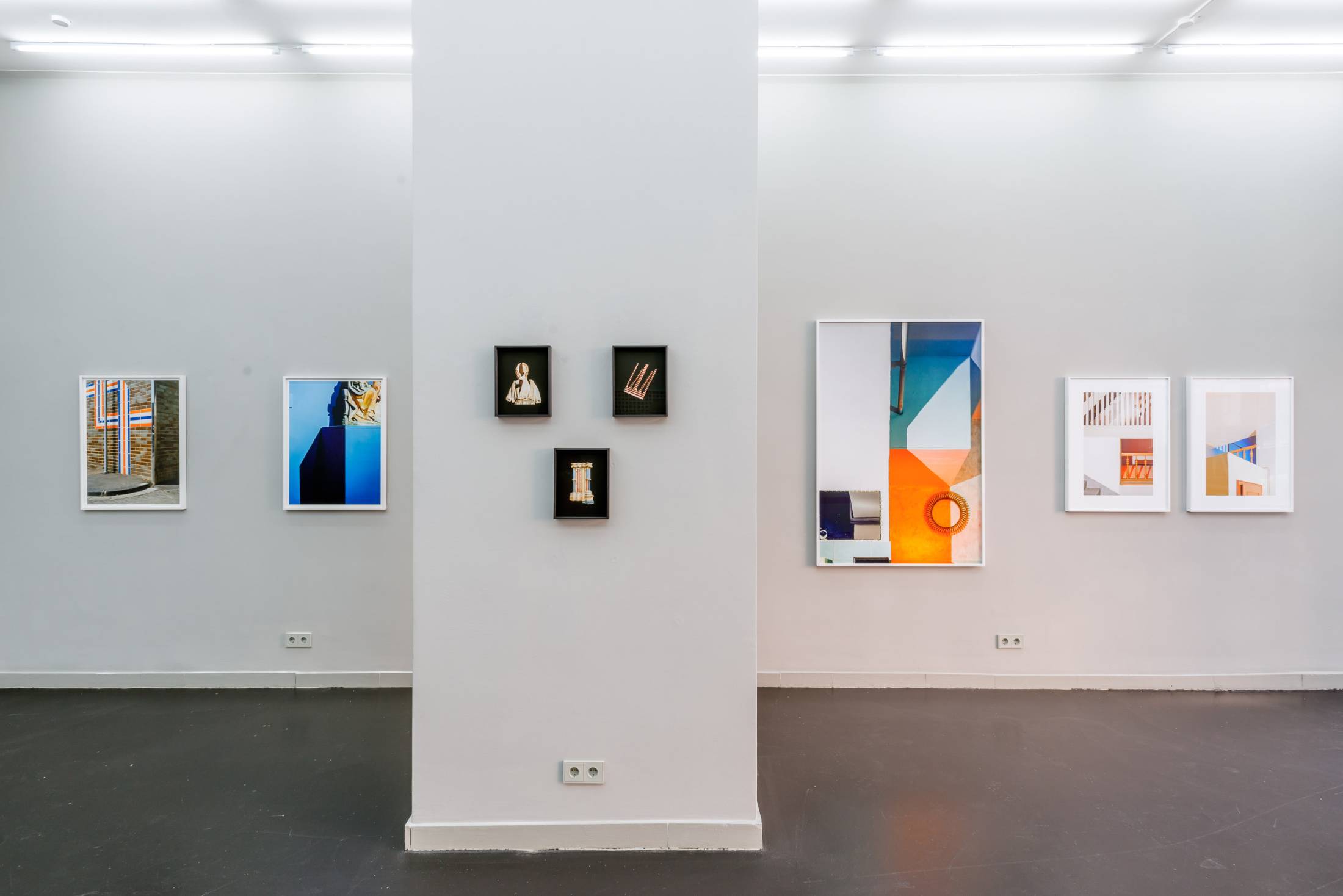
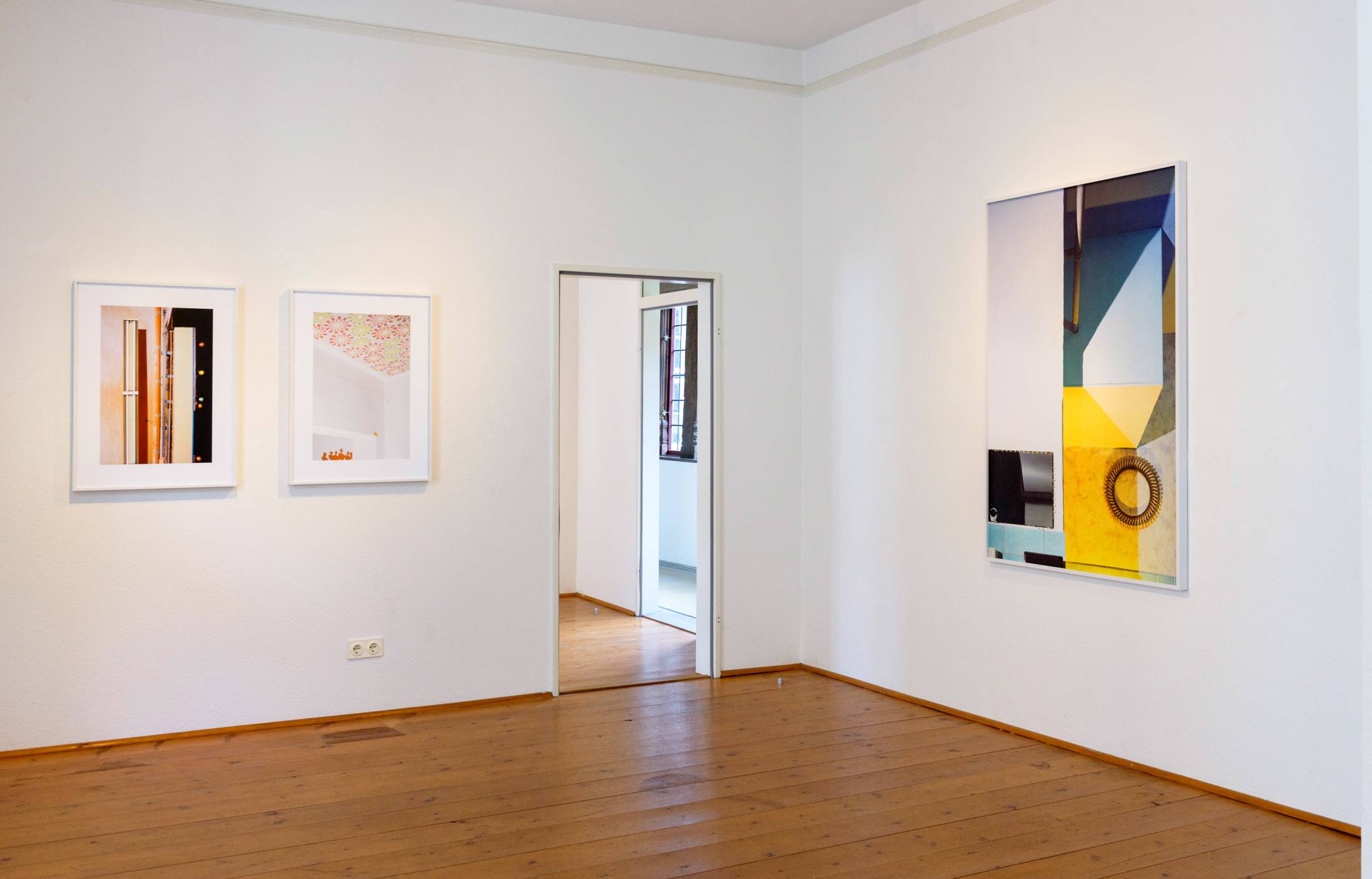
Erbgericht at Haus im Taumel (house in vertigo), Schierke Seinecke Gallery, Frankfurt/Main, 2024 Photo: Frank Blümler
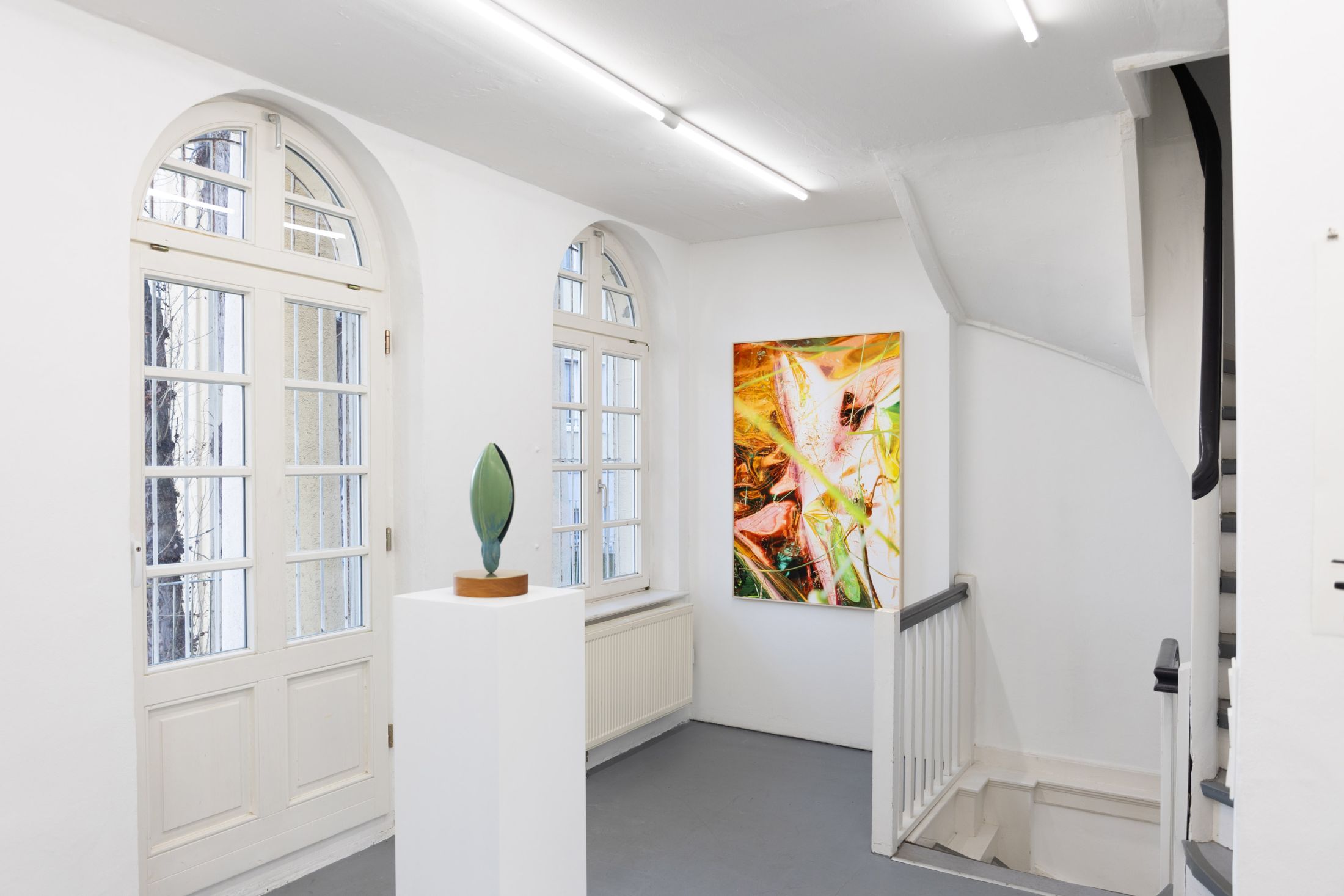
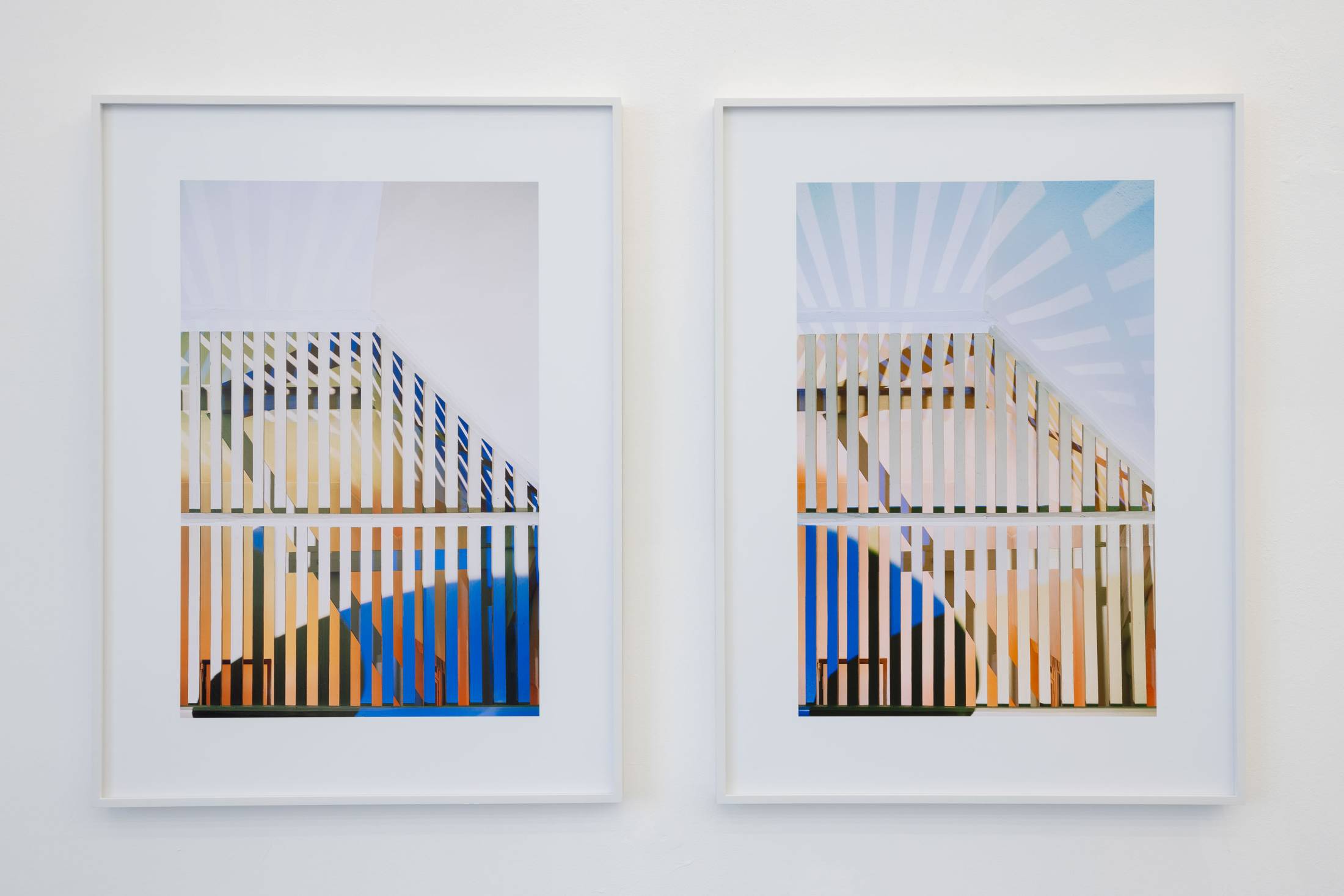
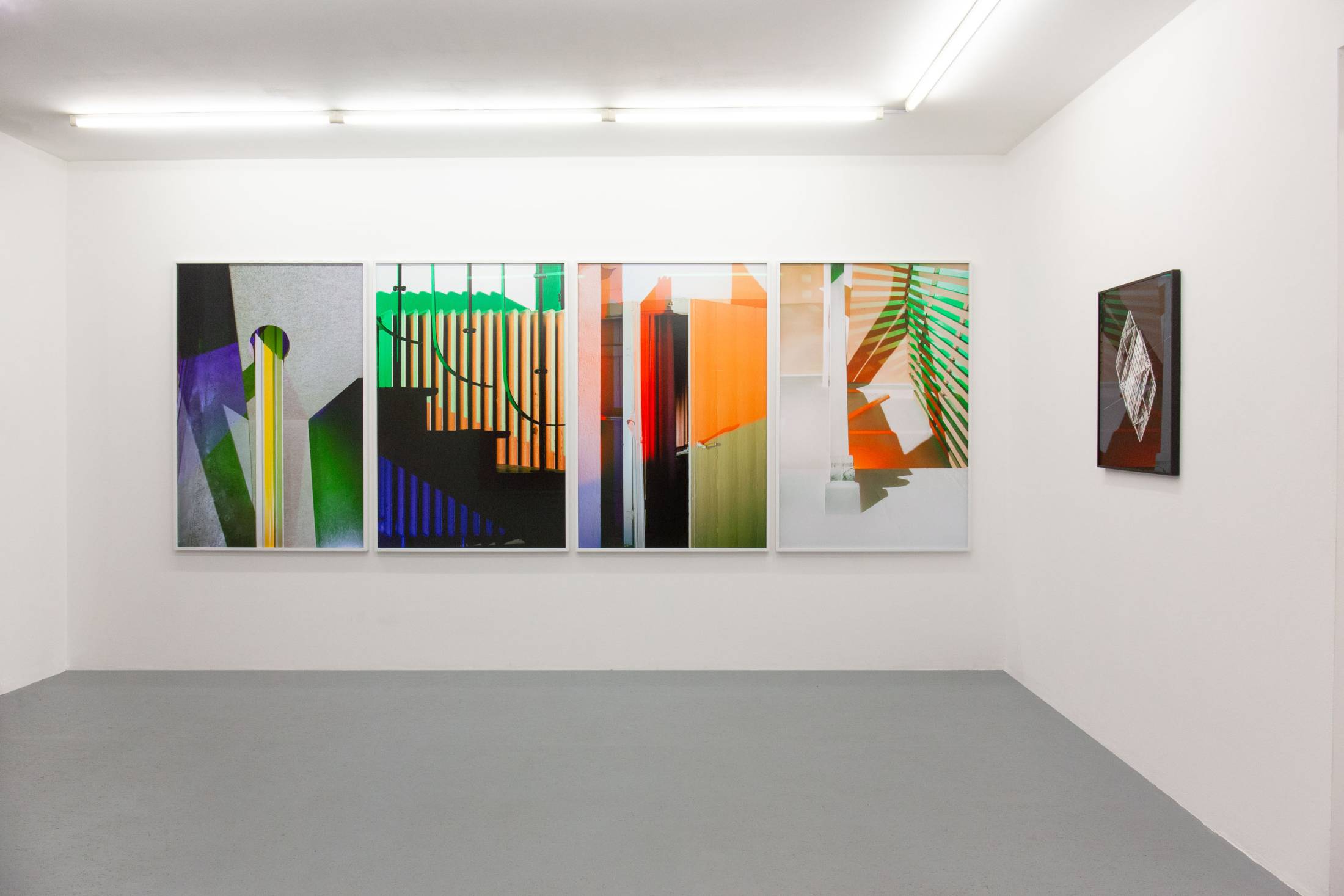
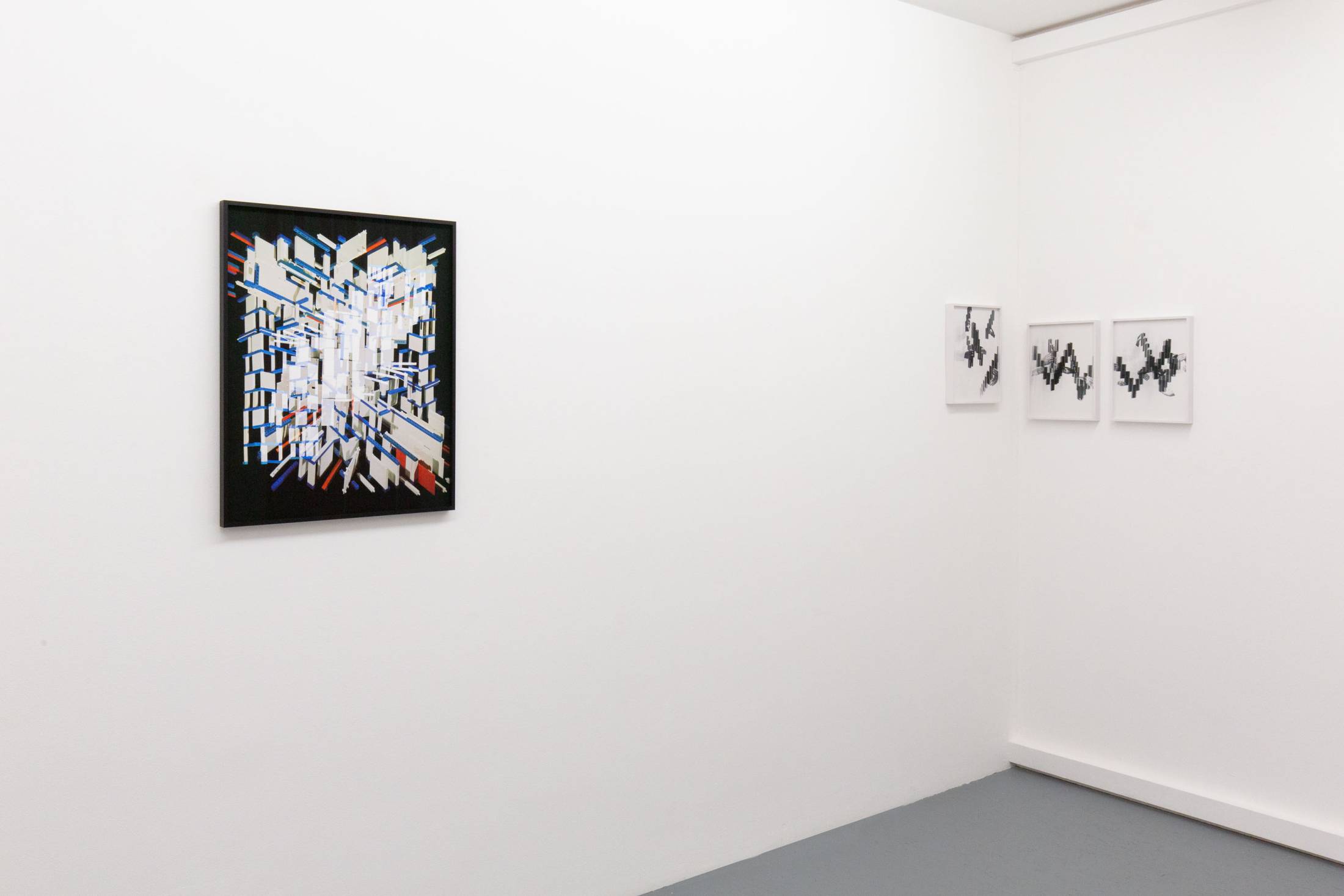
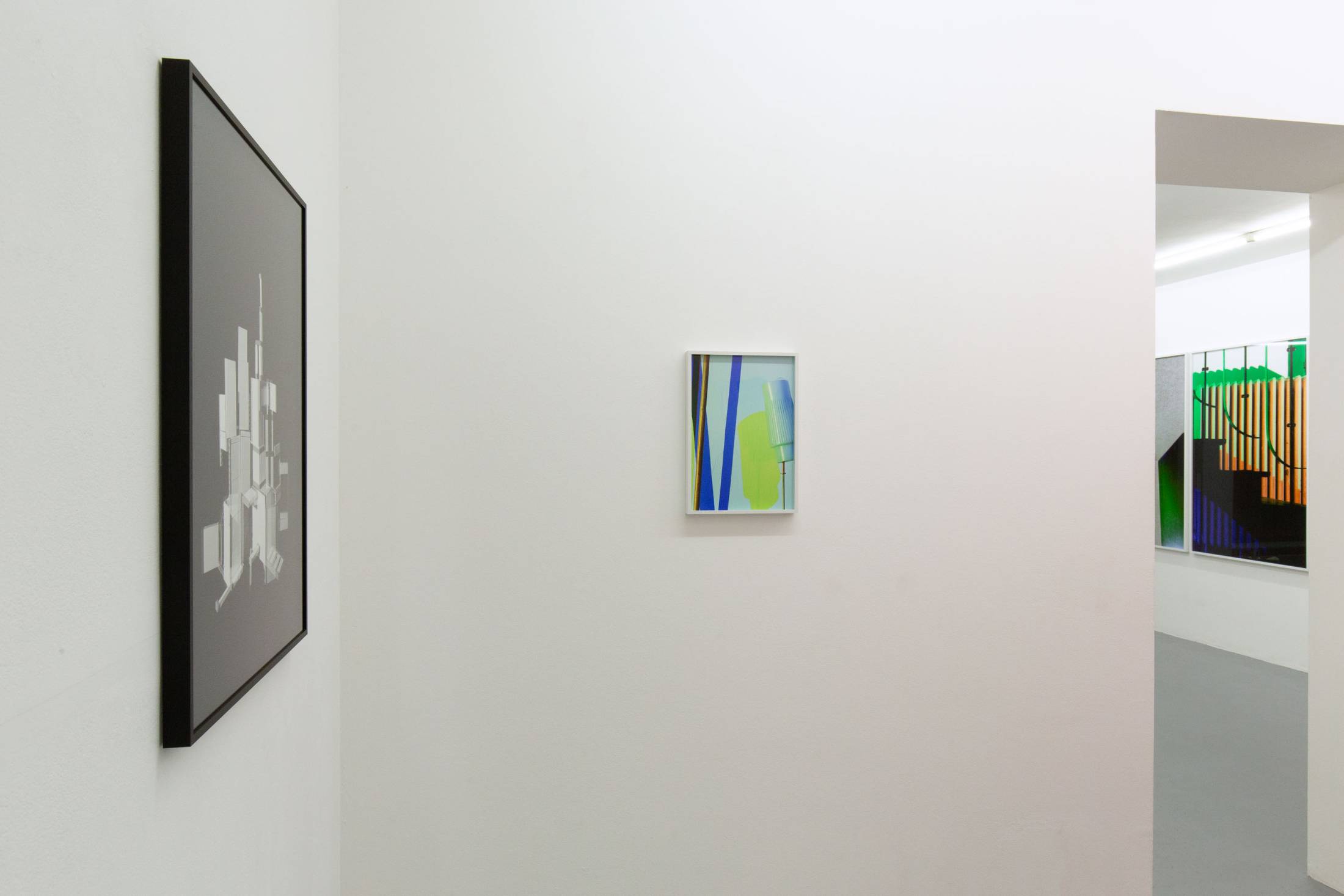
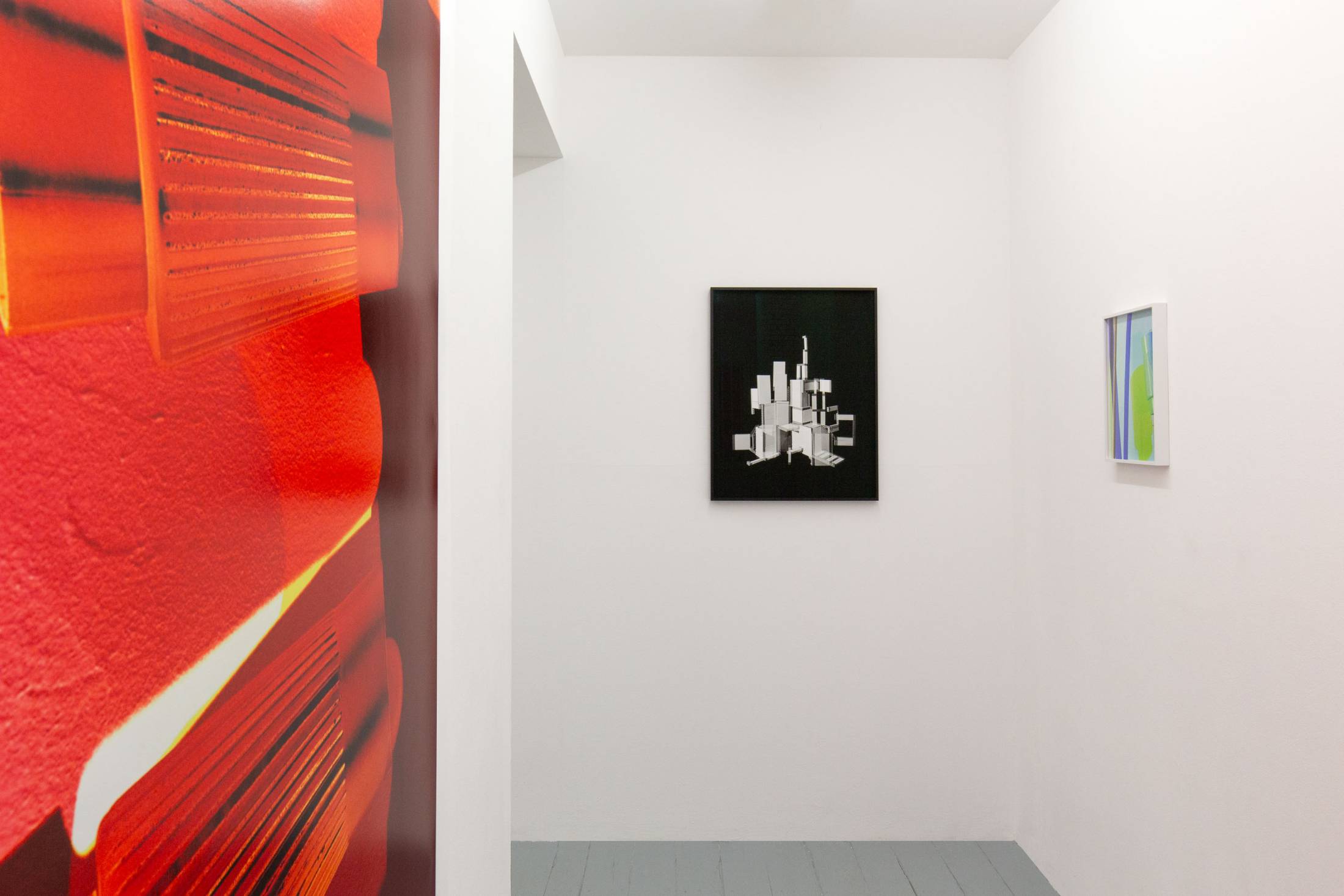
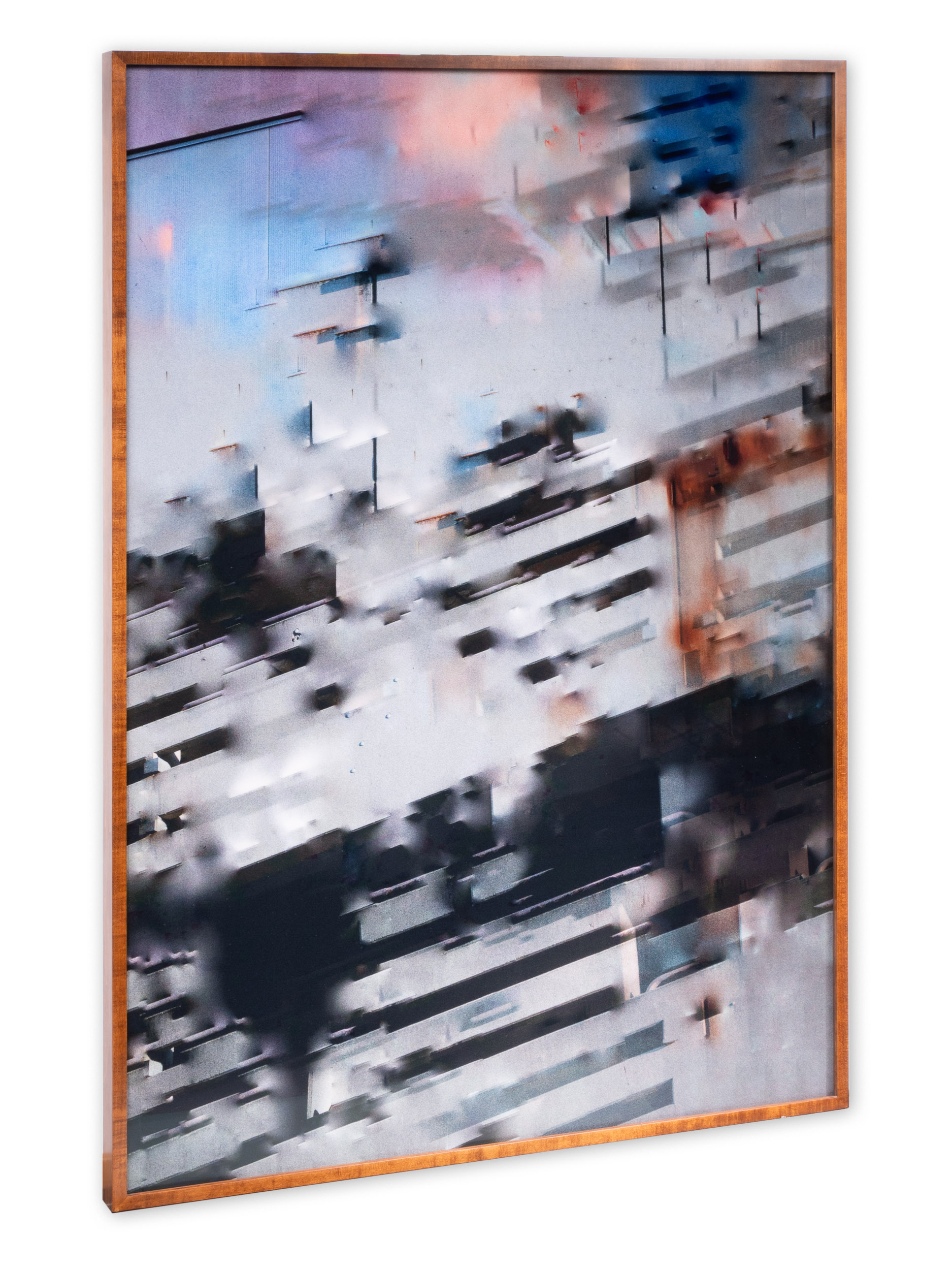
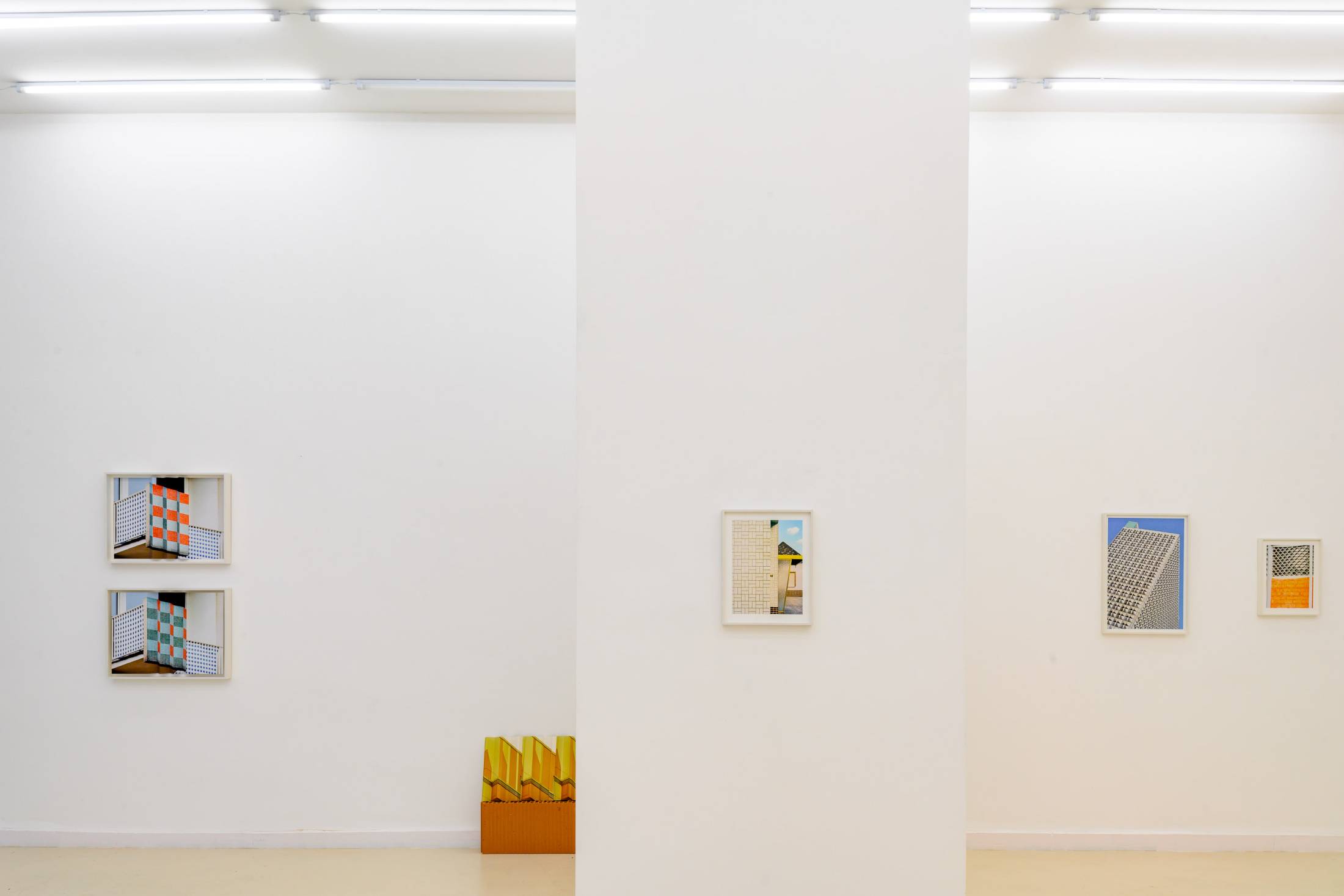
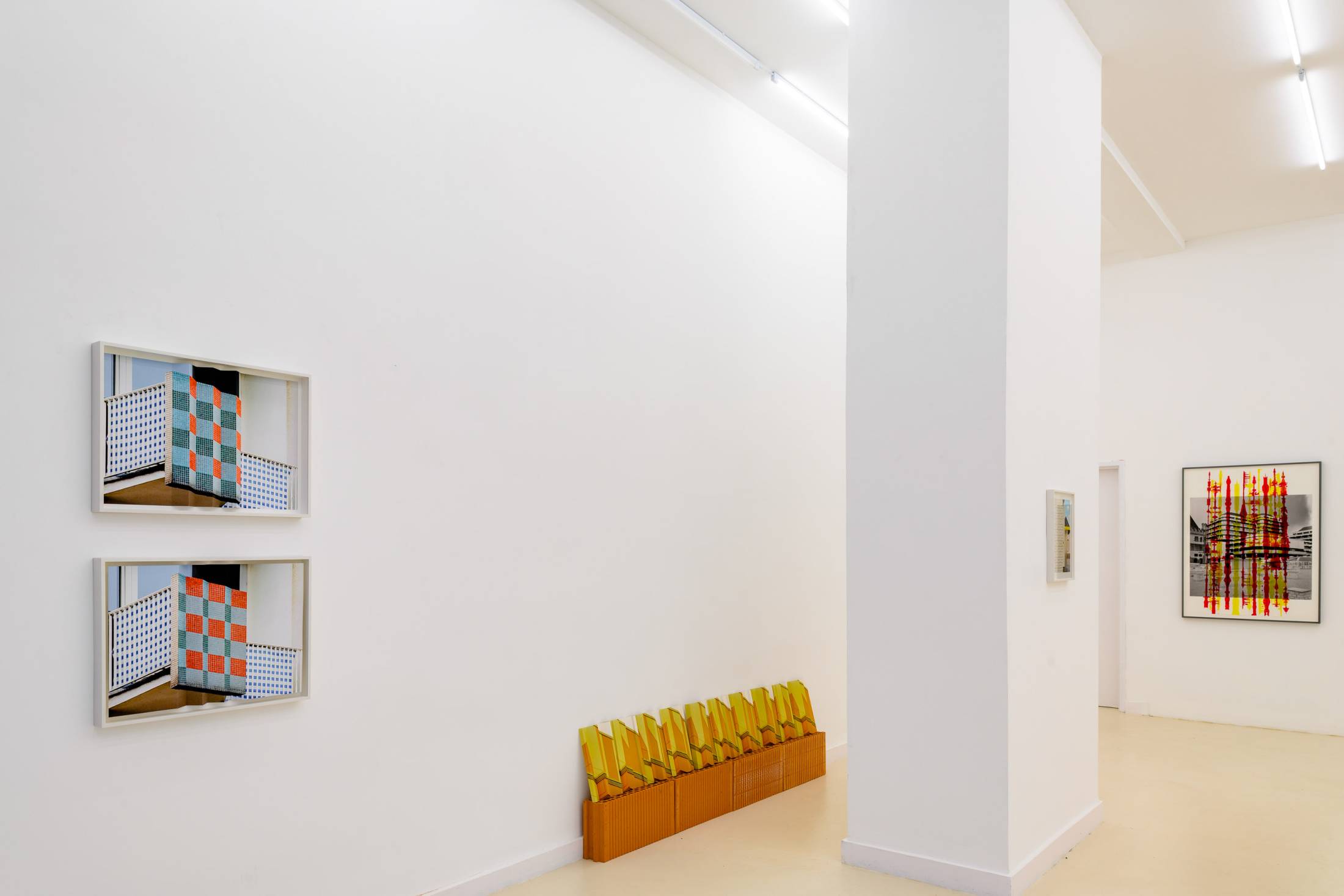
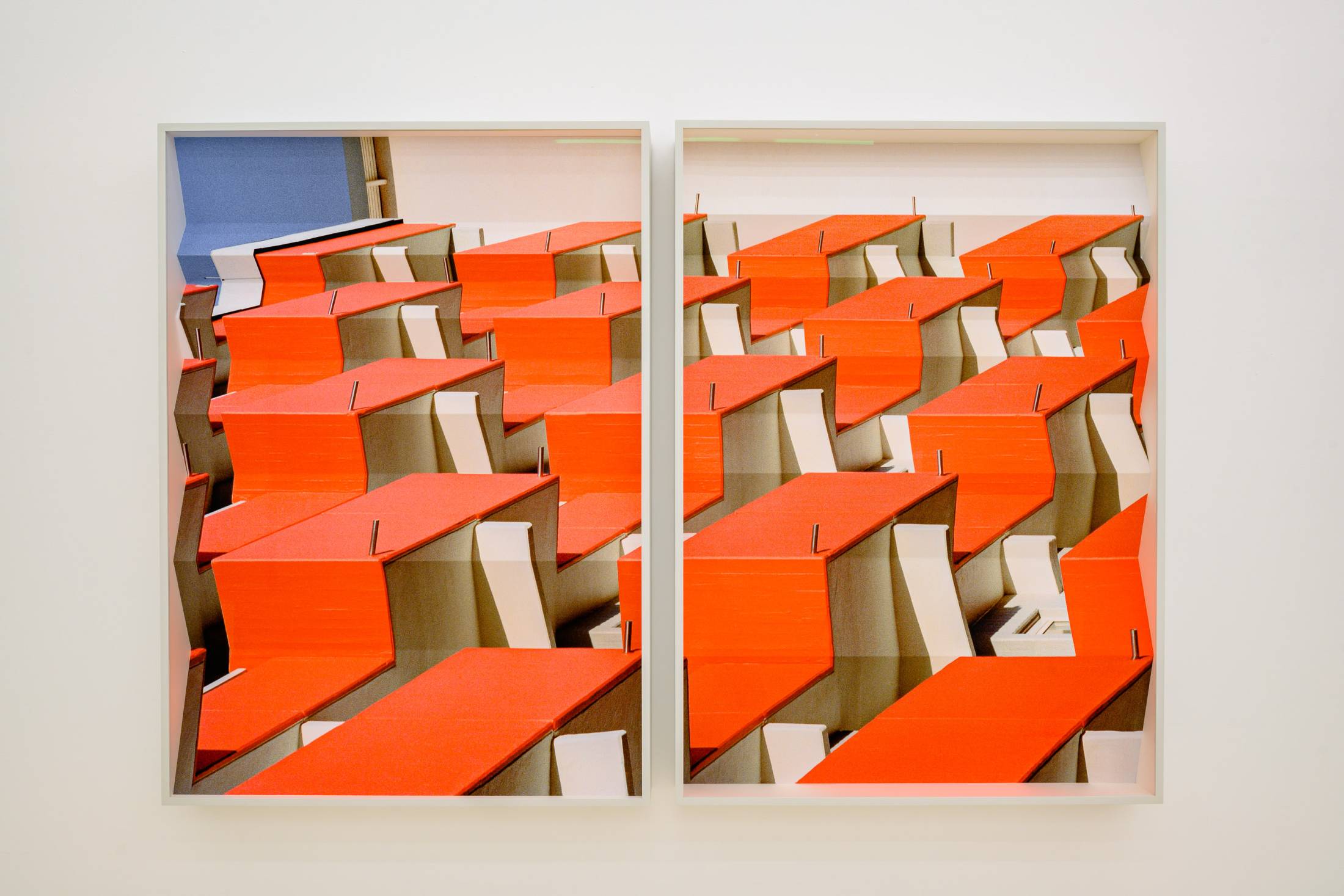
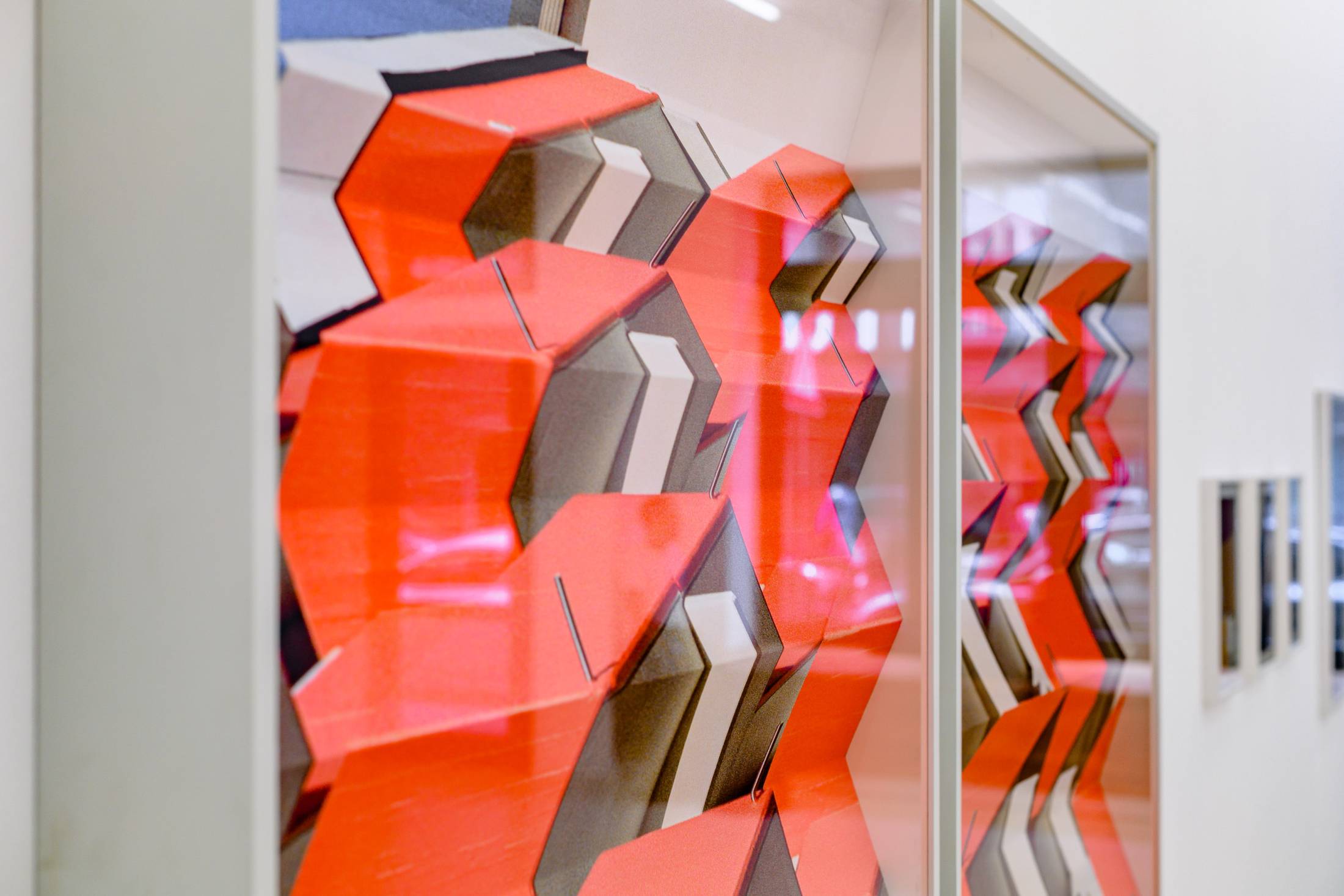
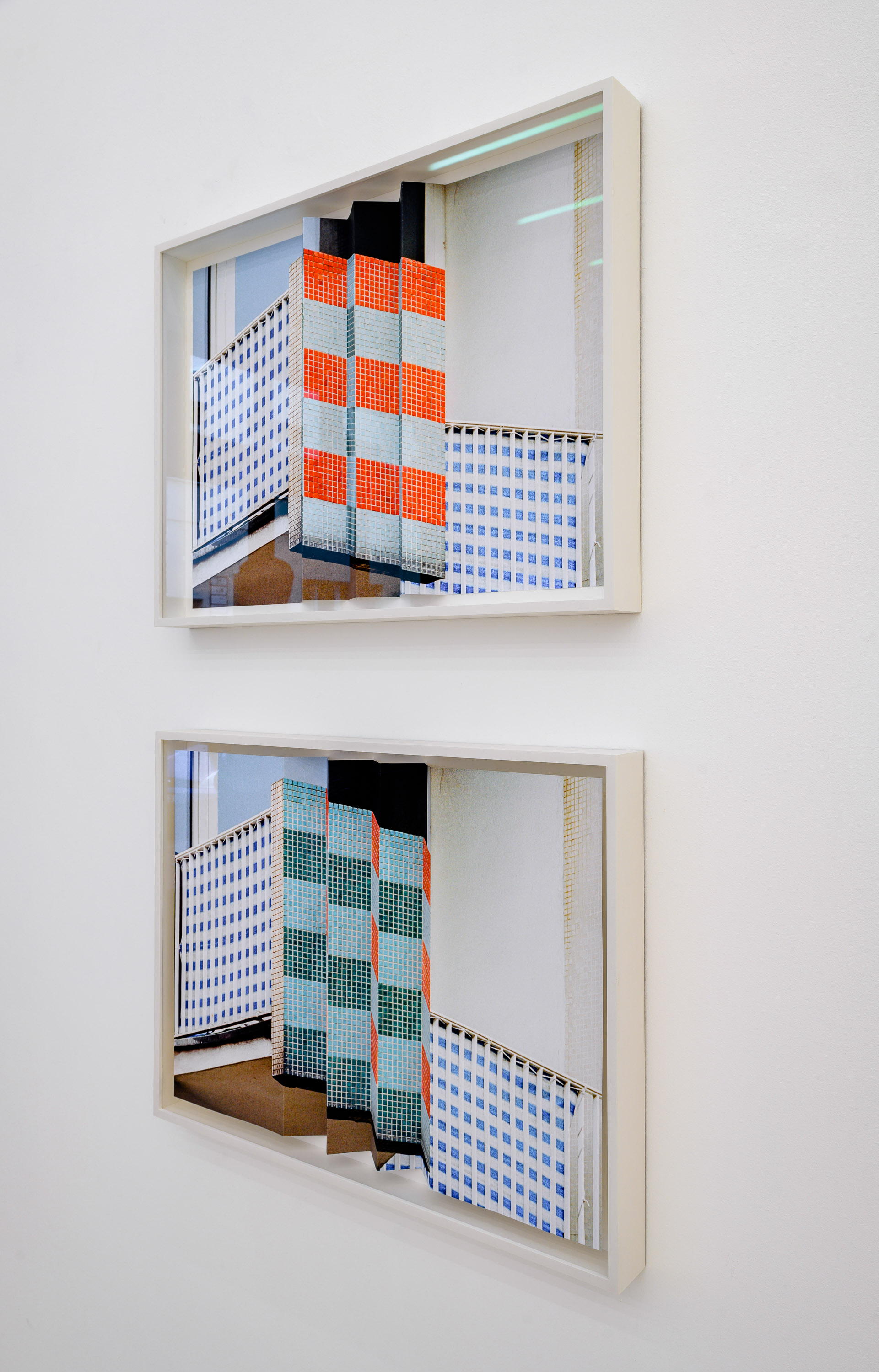
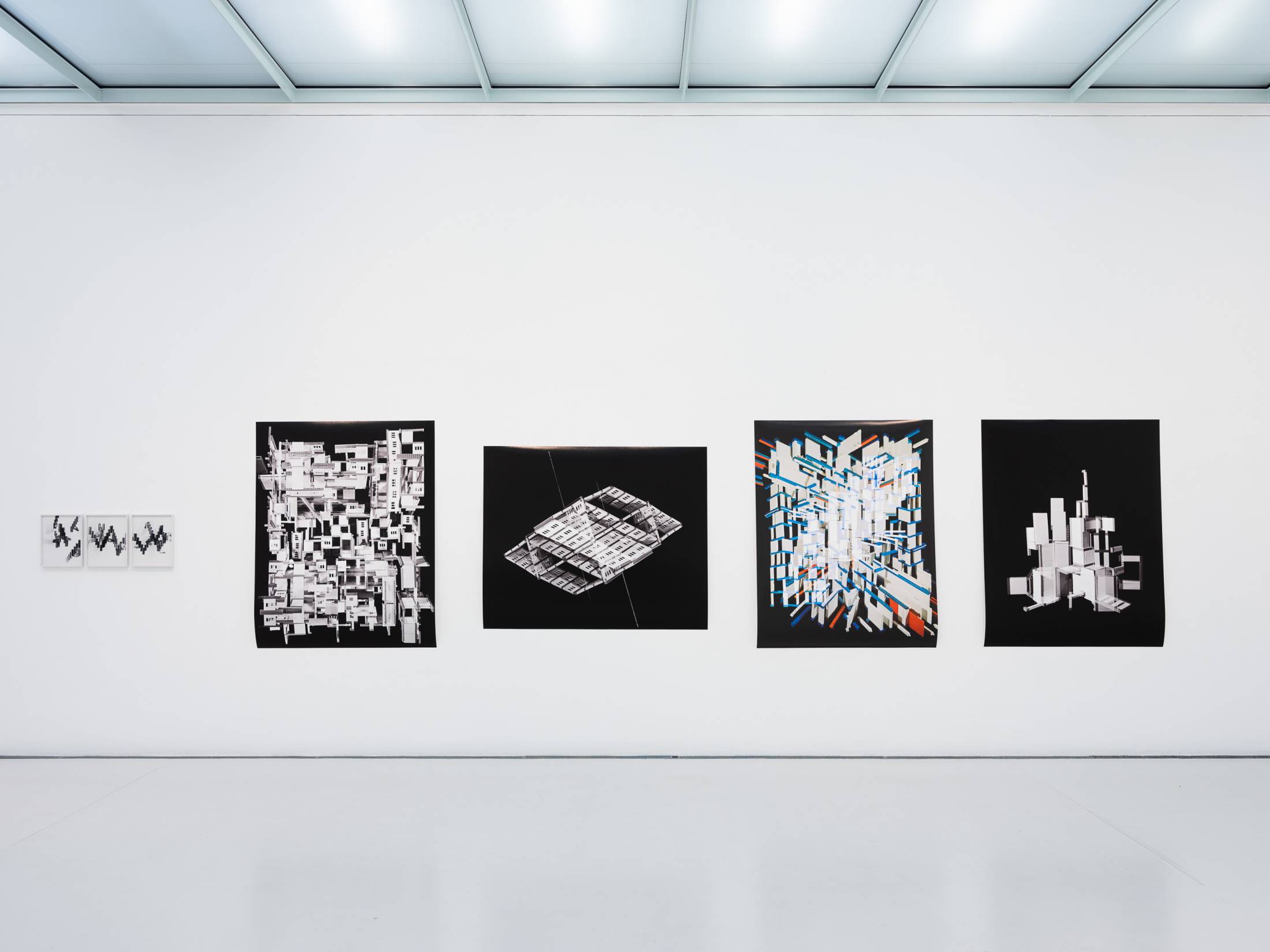
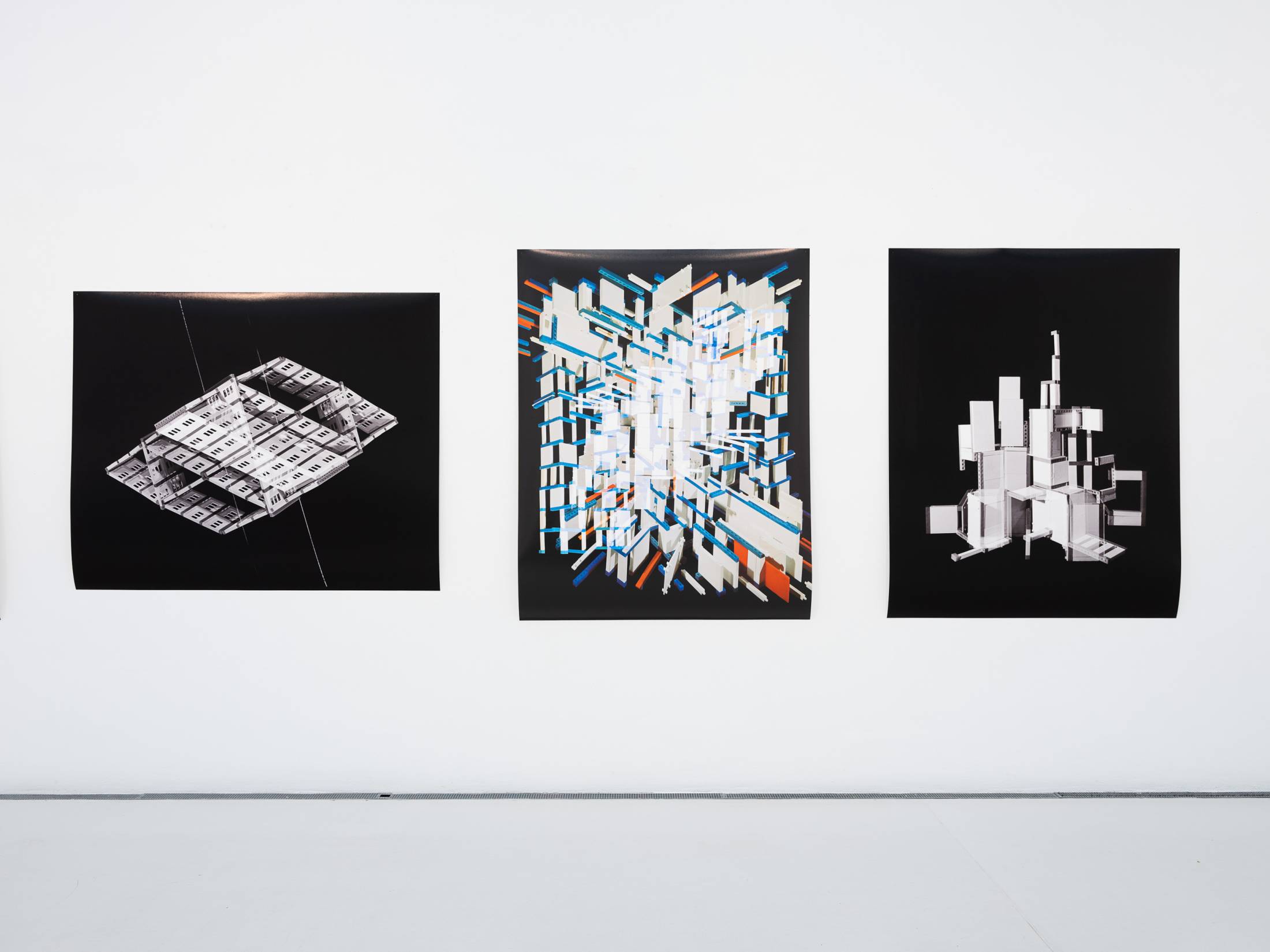
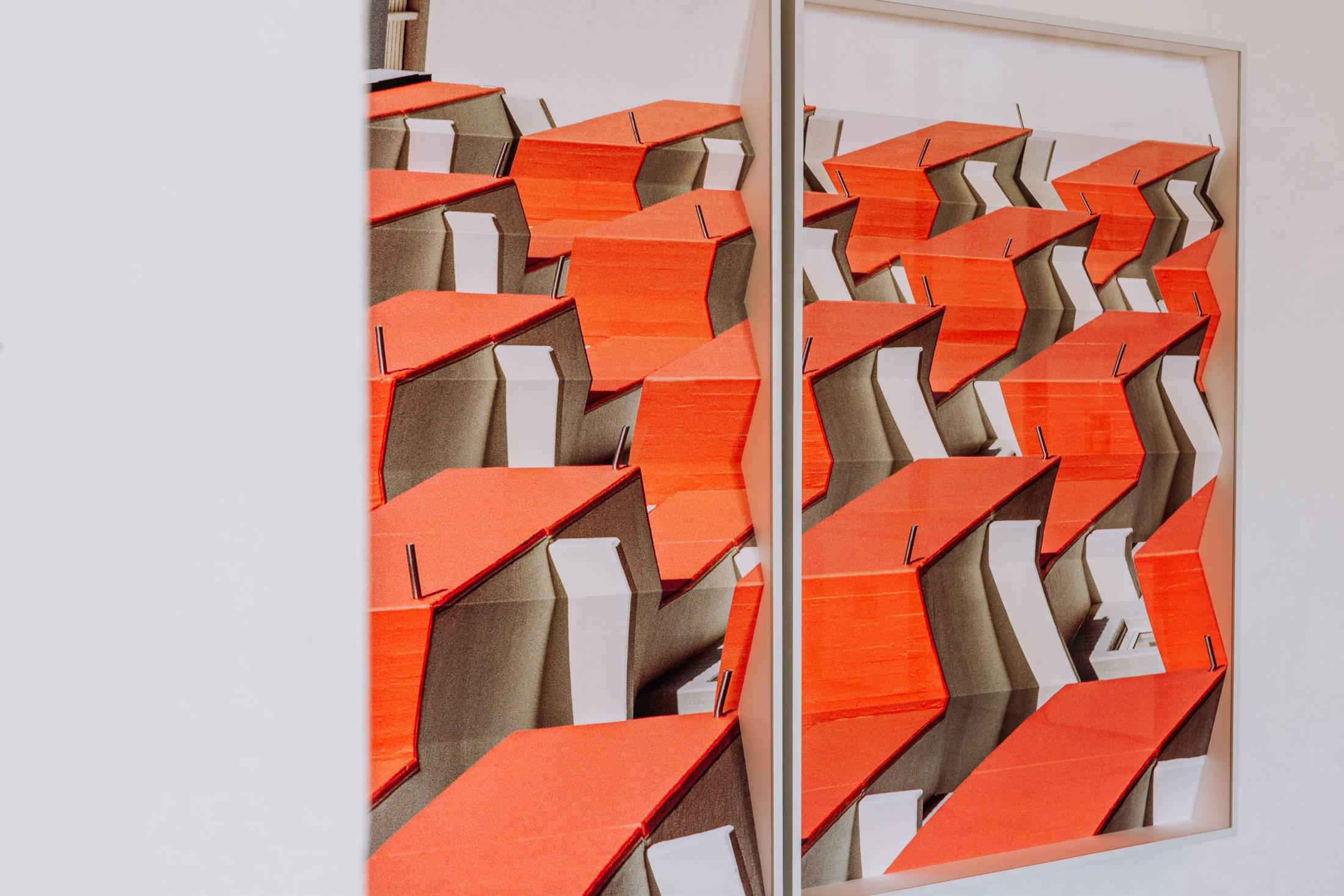
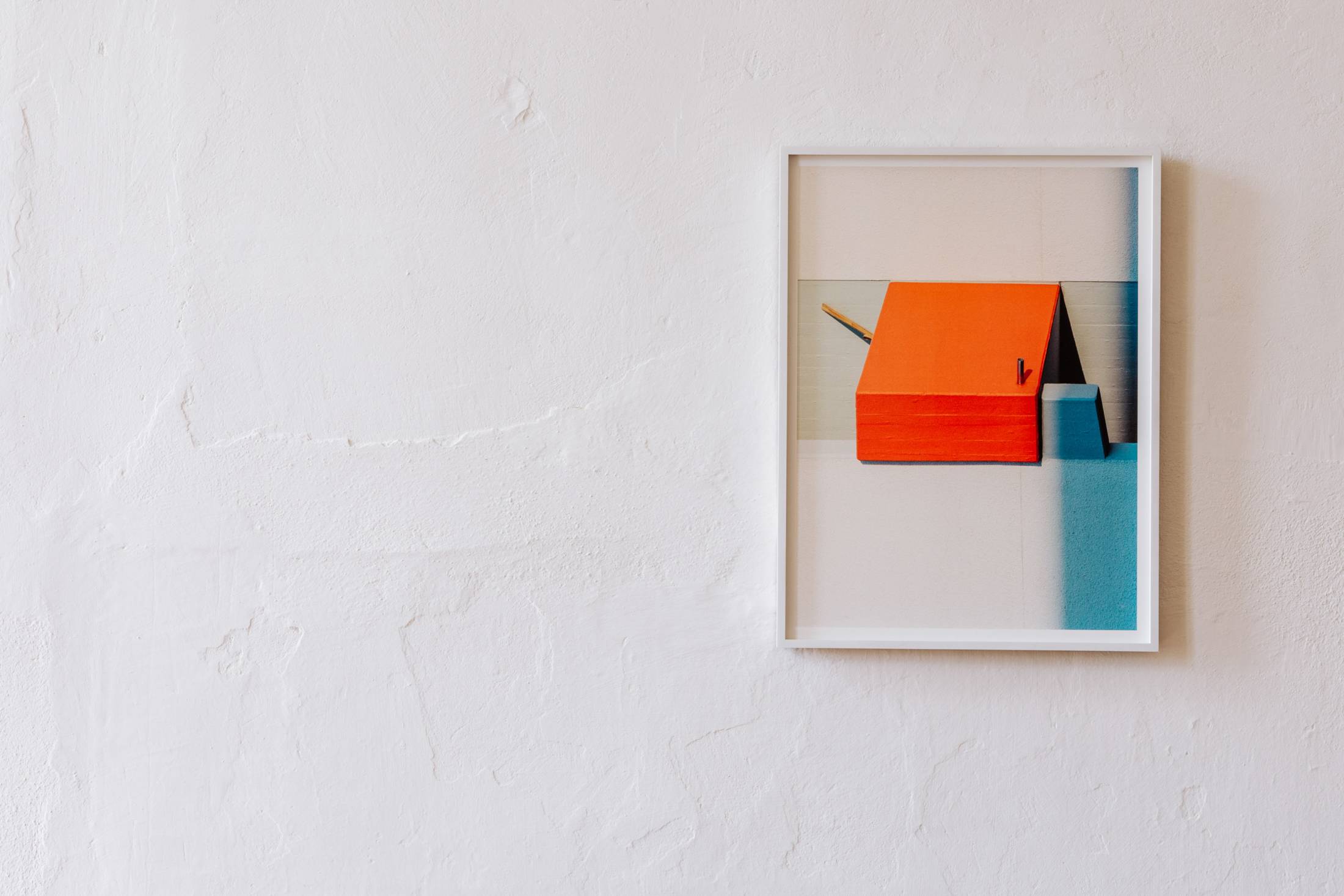
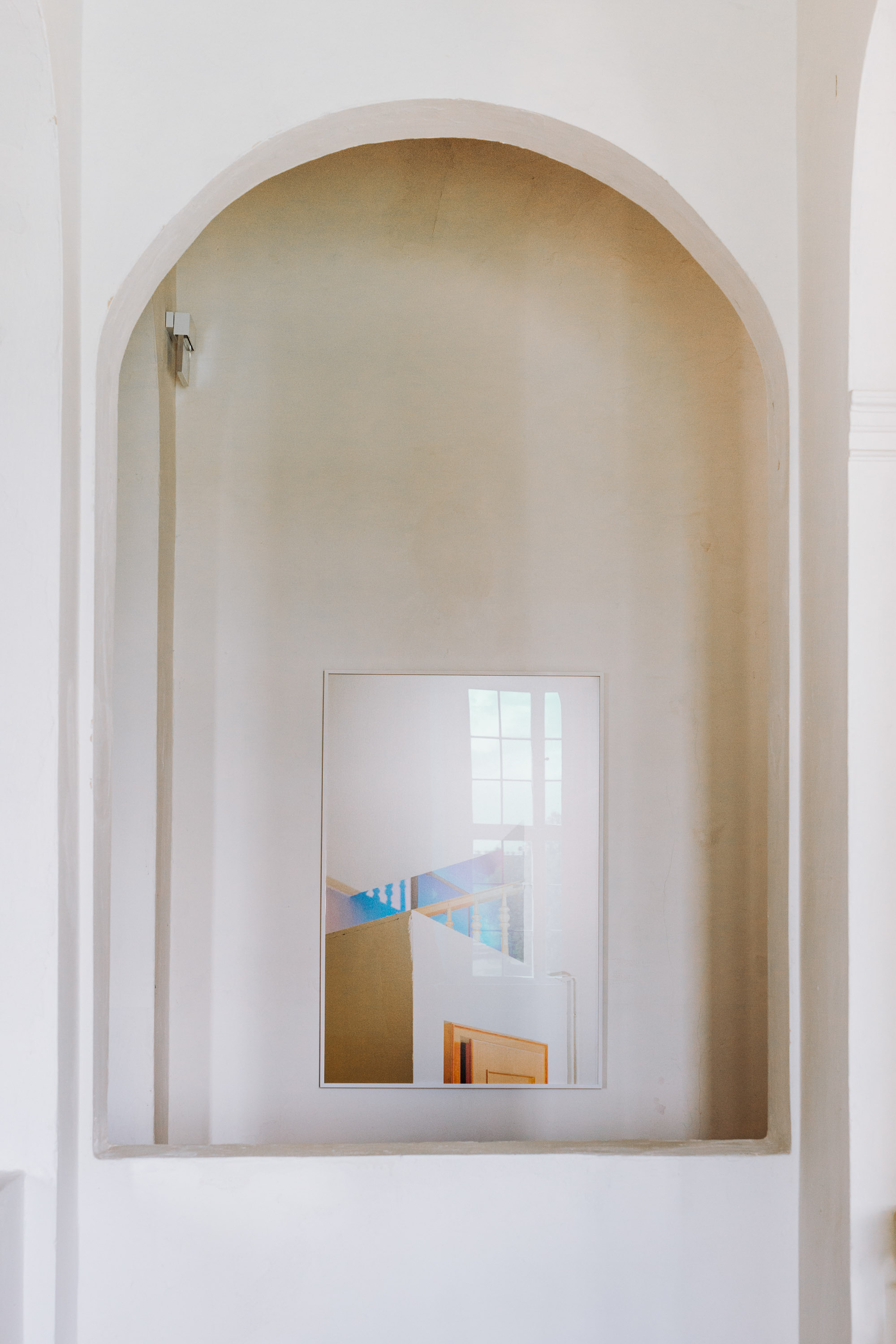
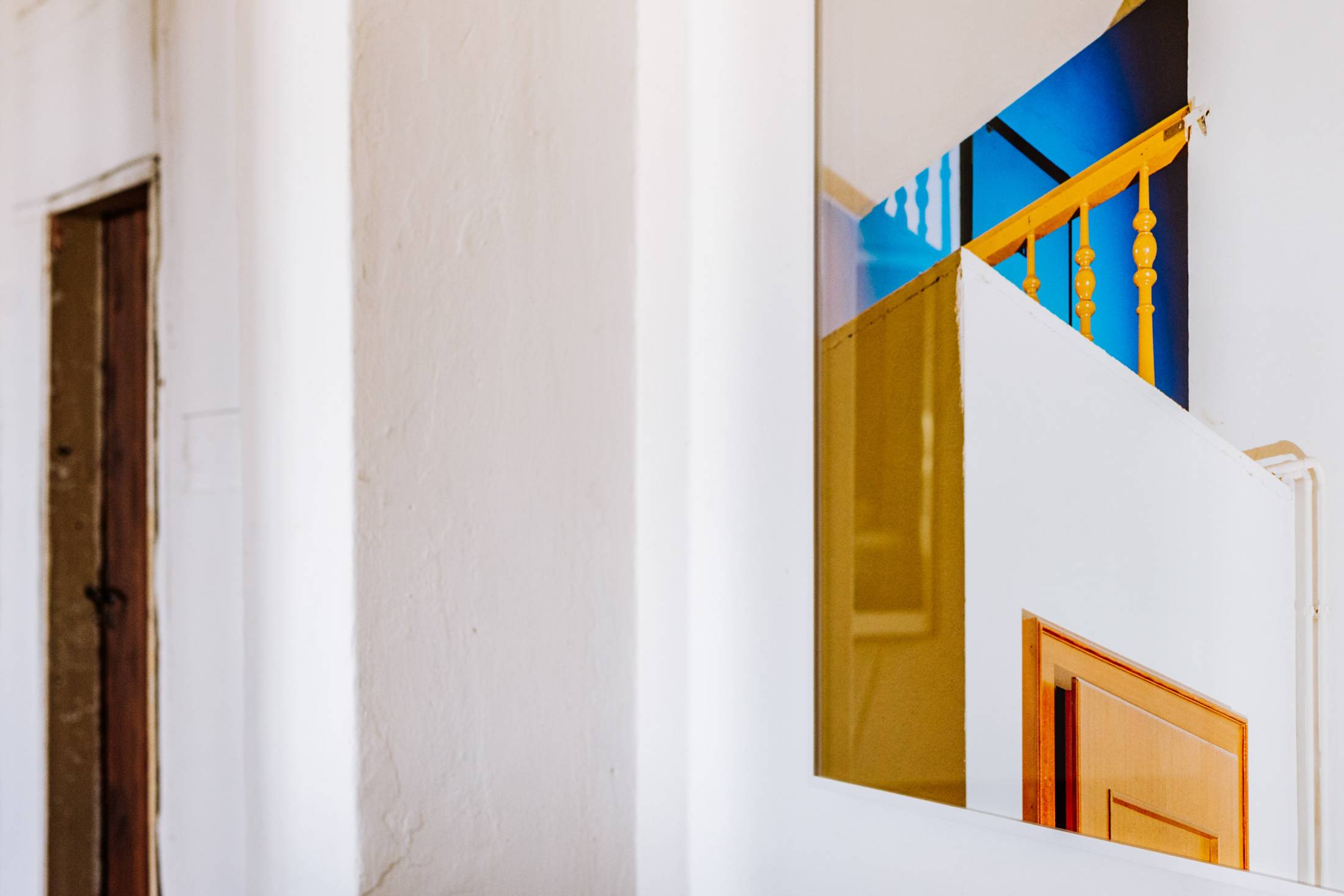
Architekton, Erbgericht at Unreal Estate, Gallery Coucou (Kassel), 2023 Photo: Milen Krastev (Galerie Coucou)
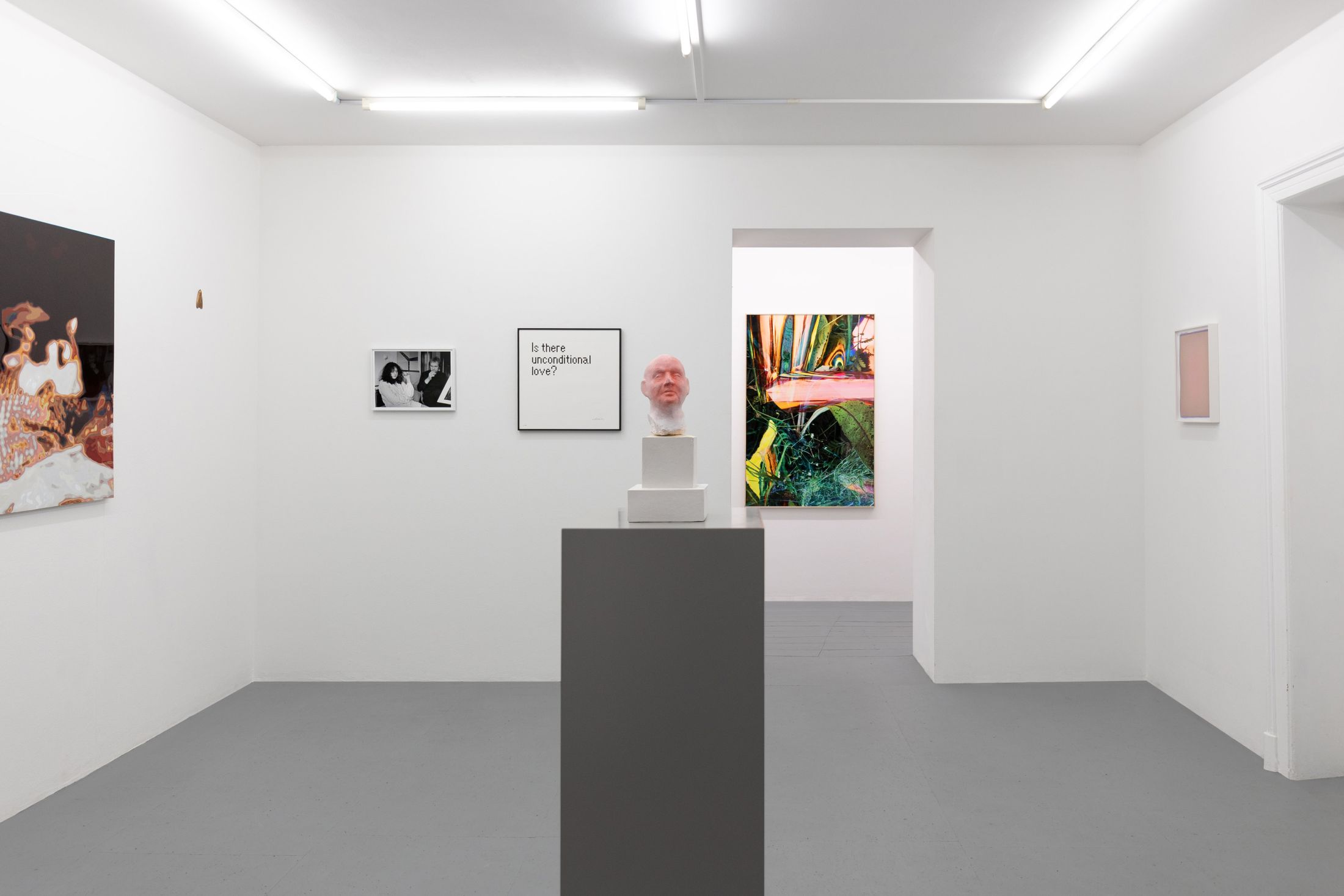
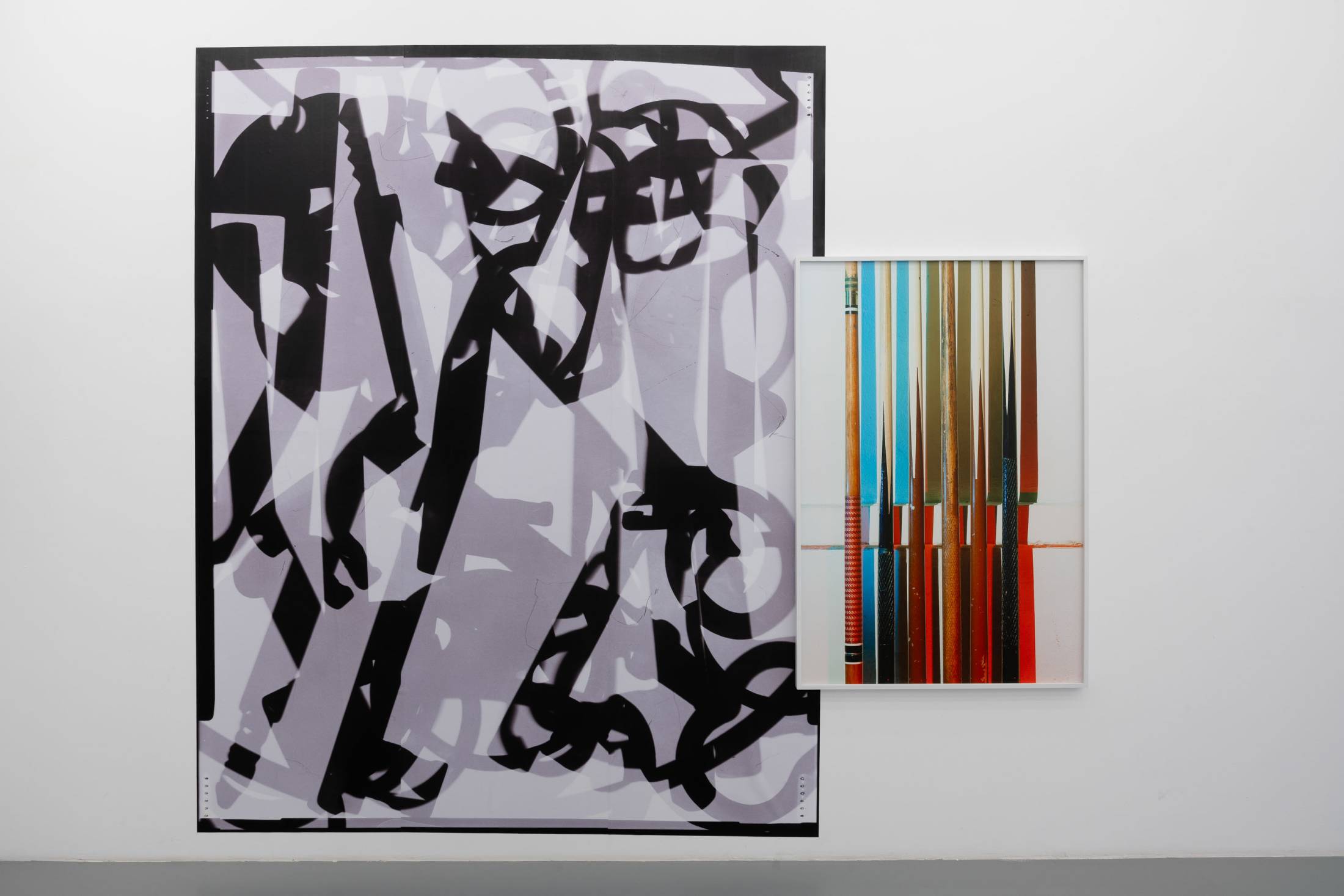
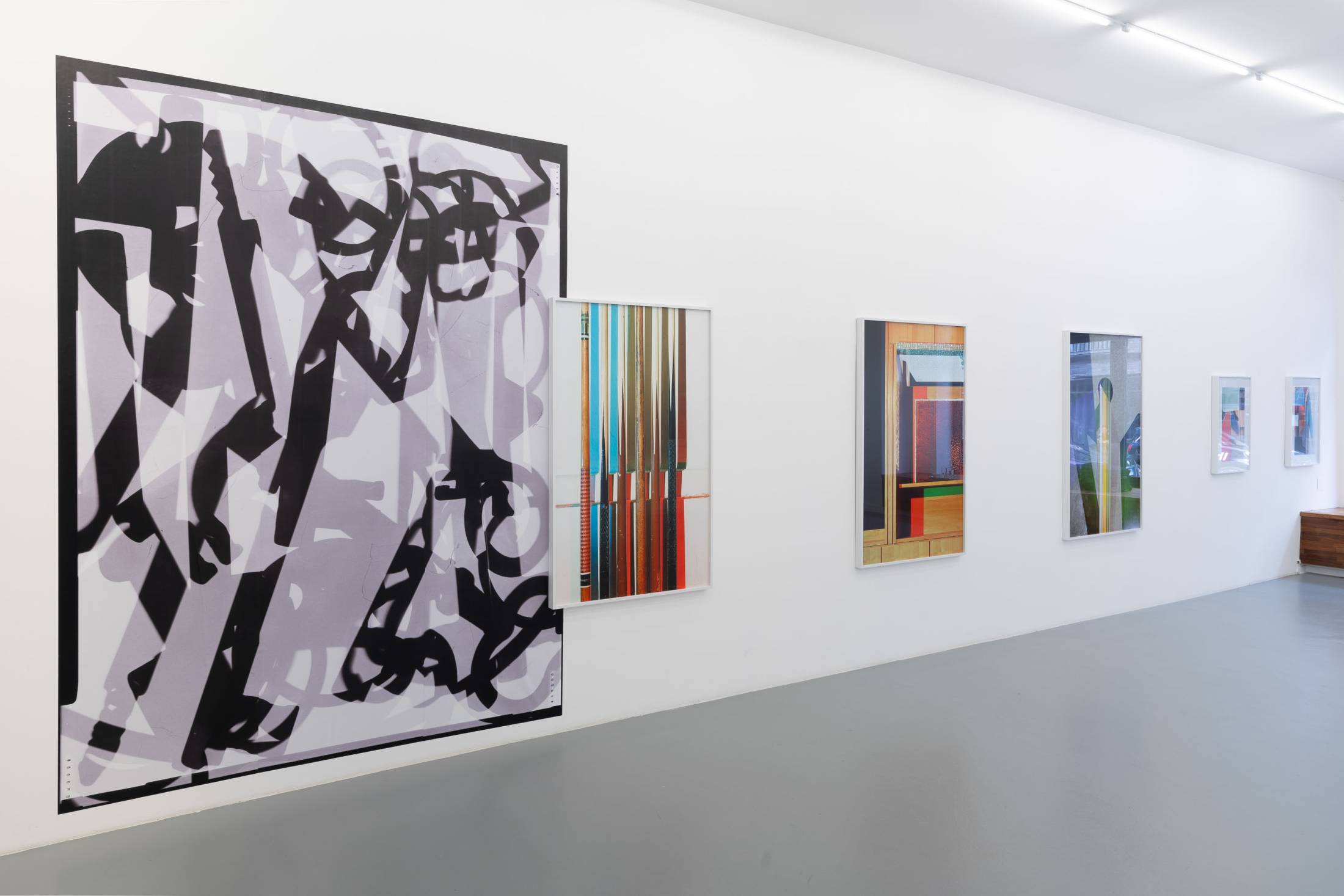
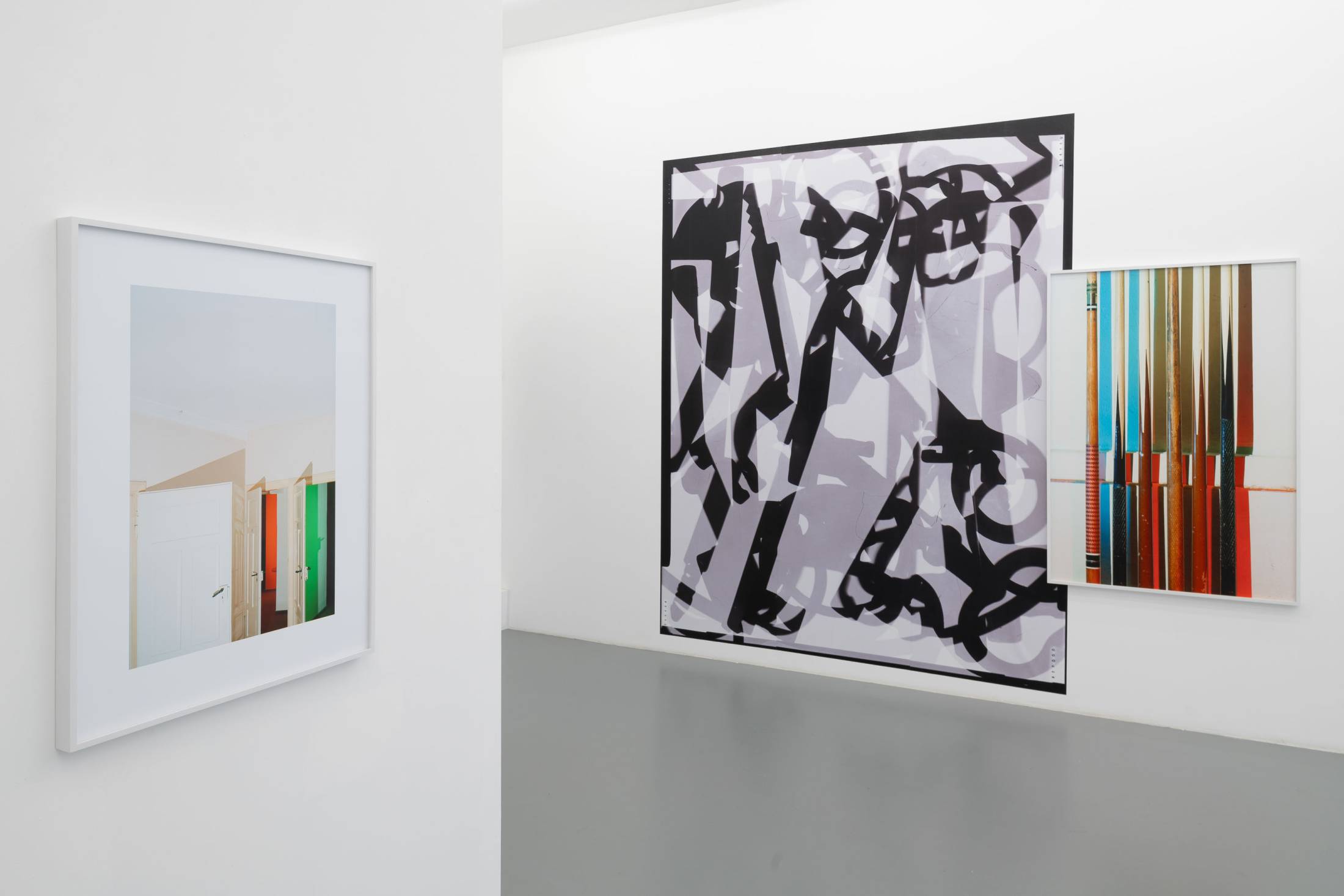
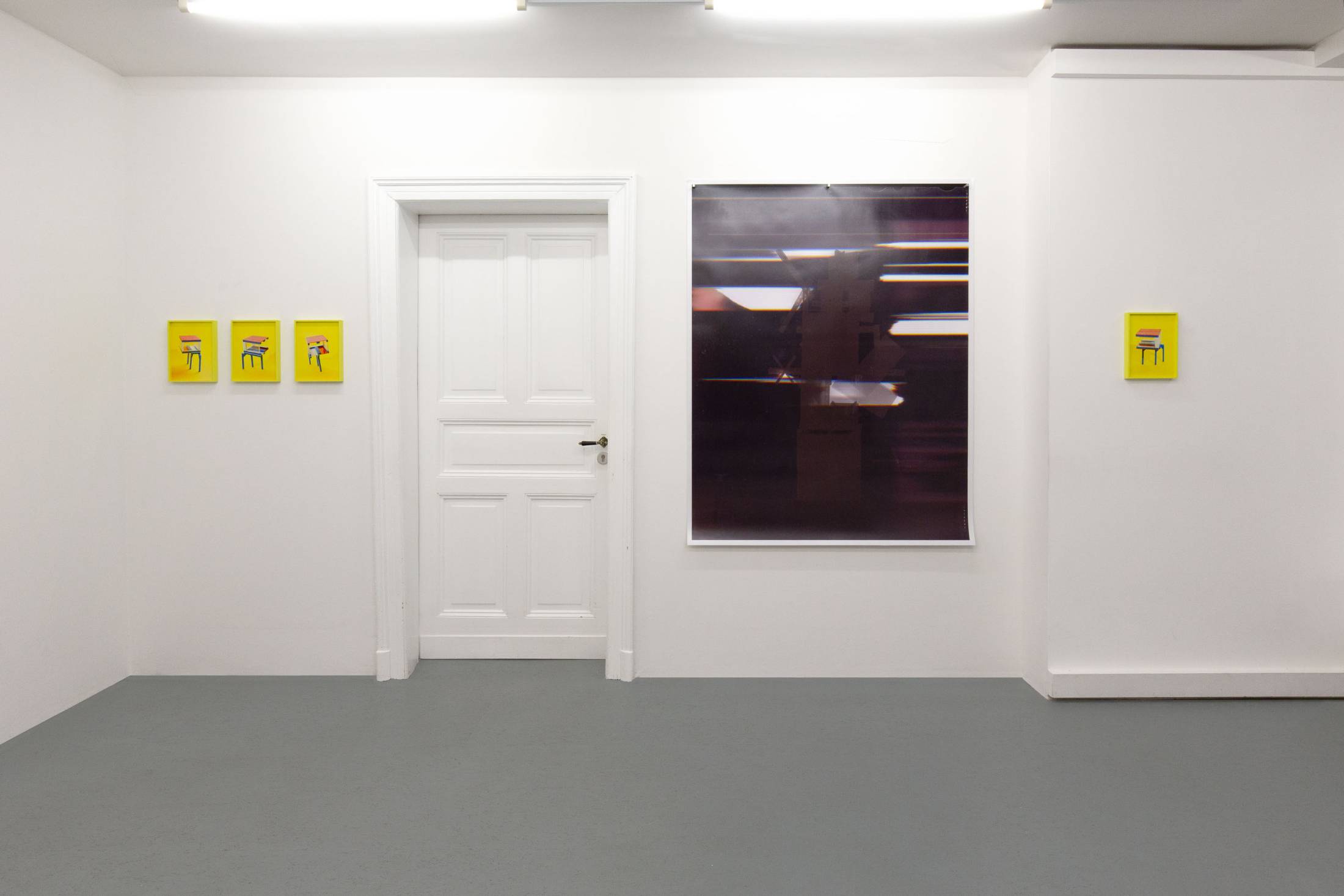
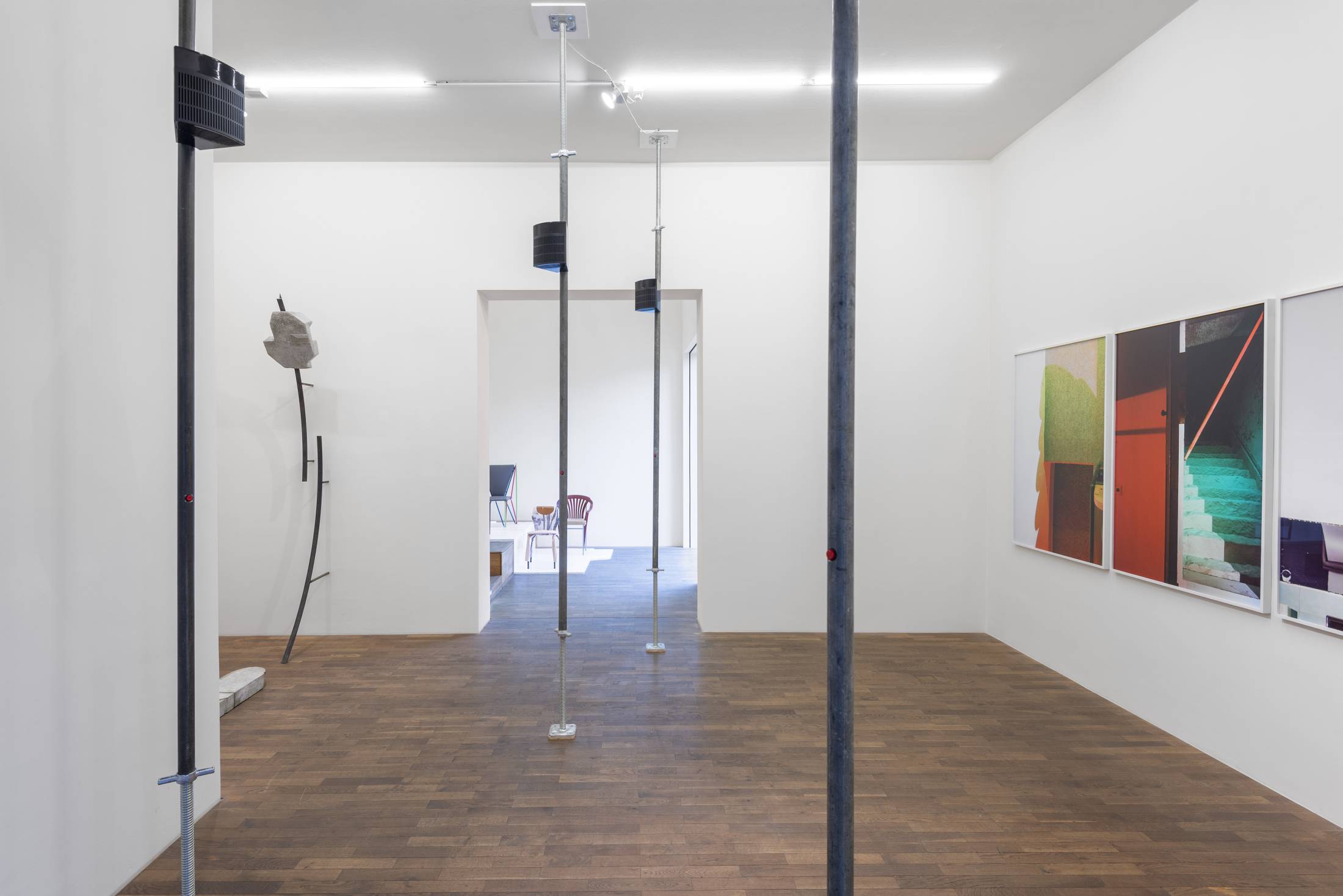
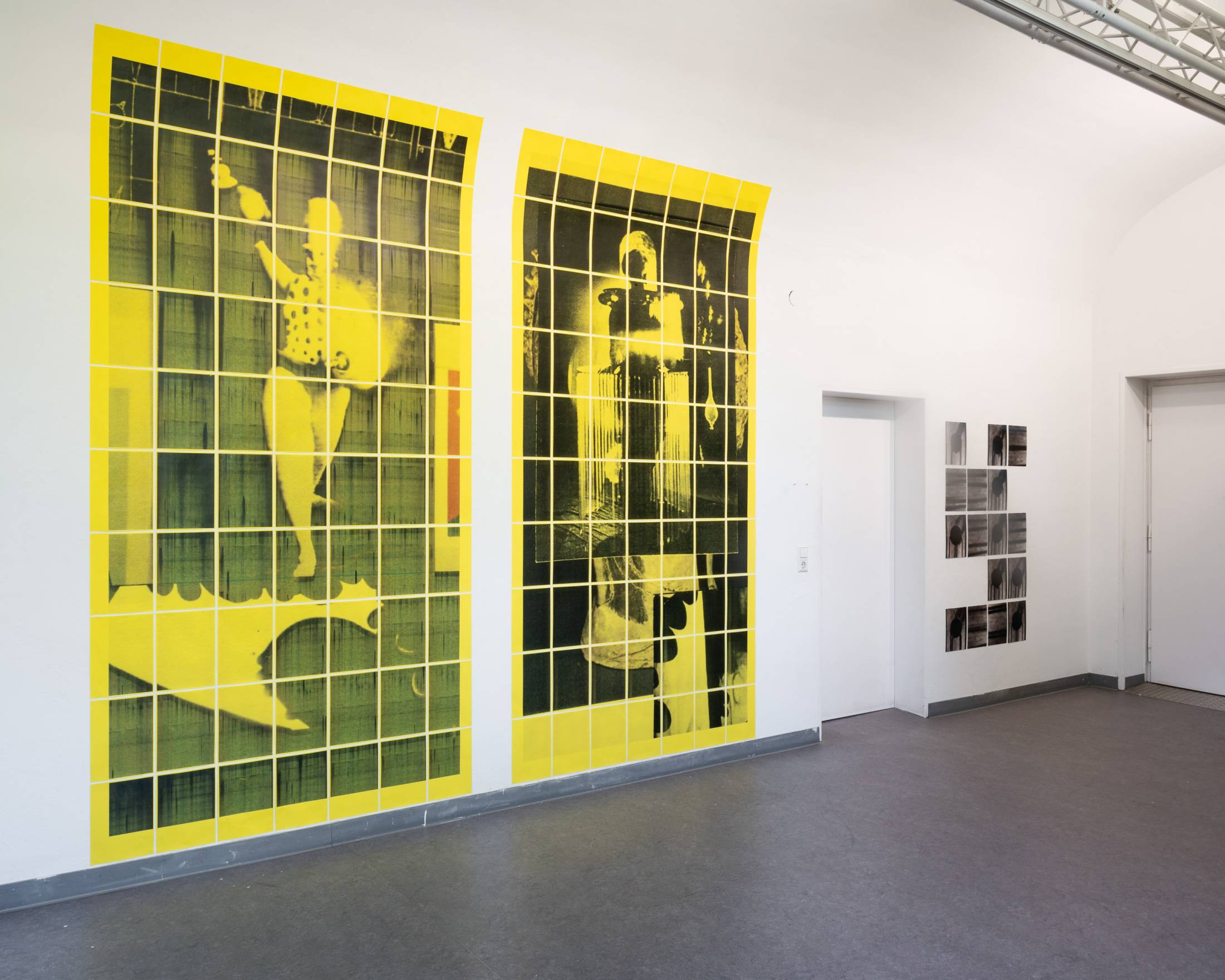
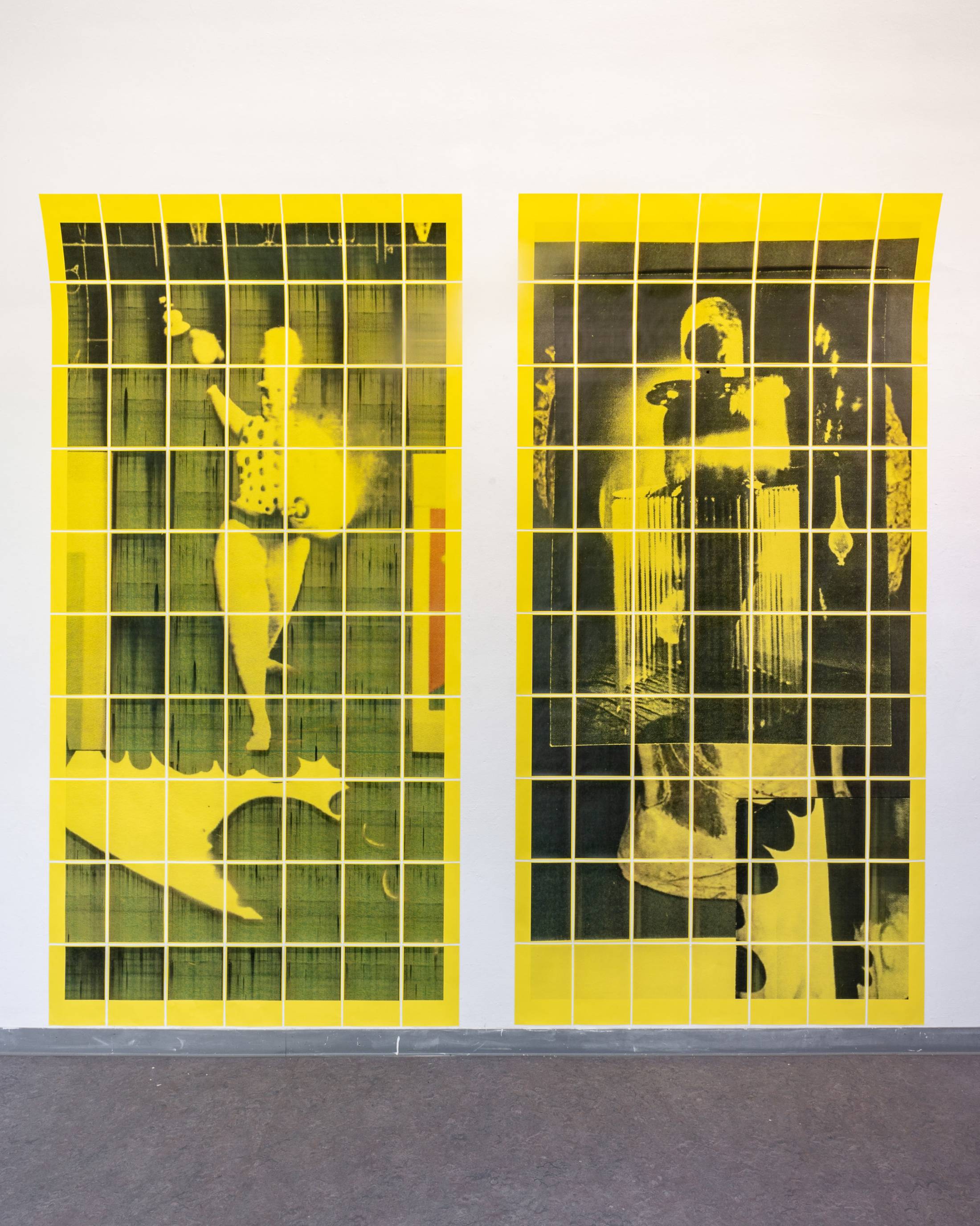
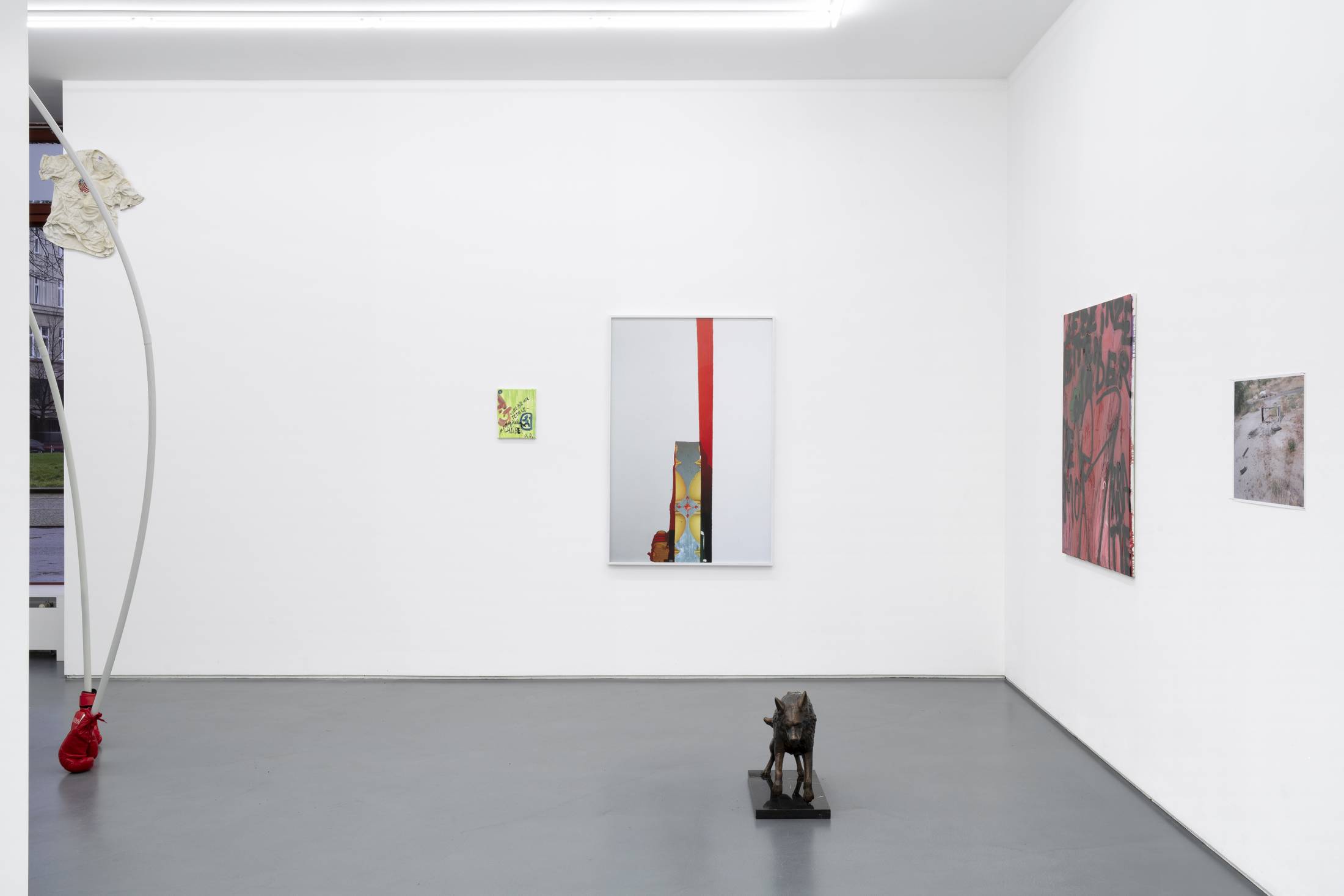
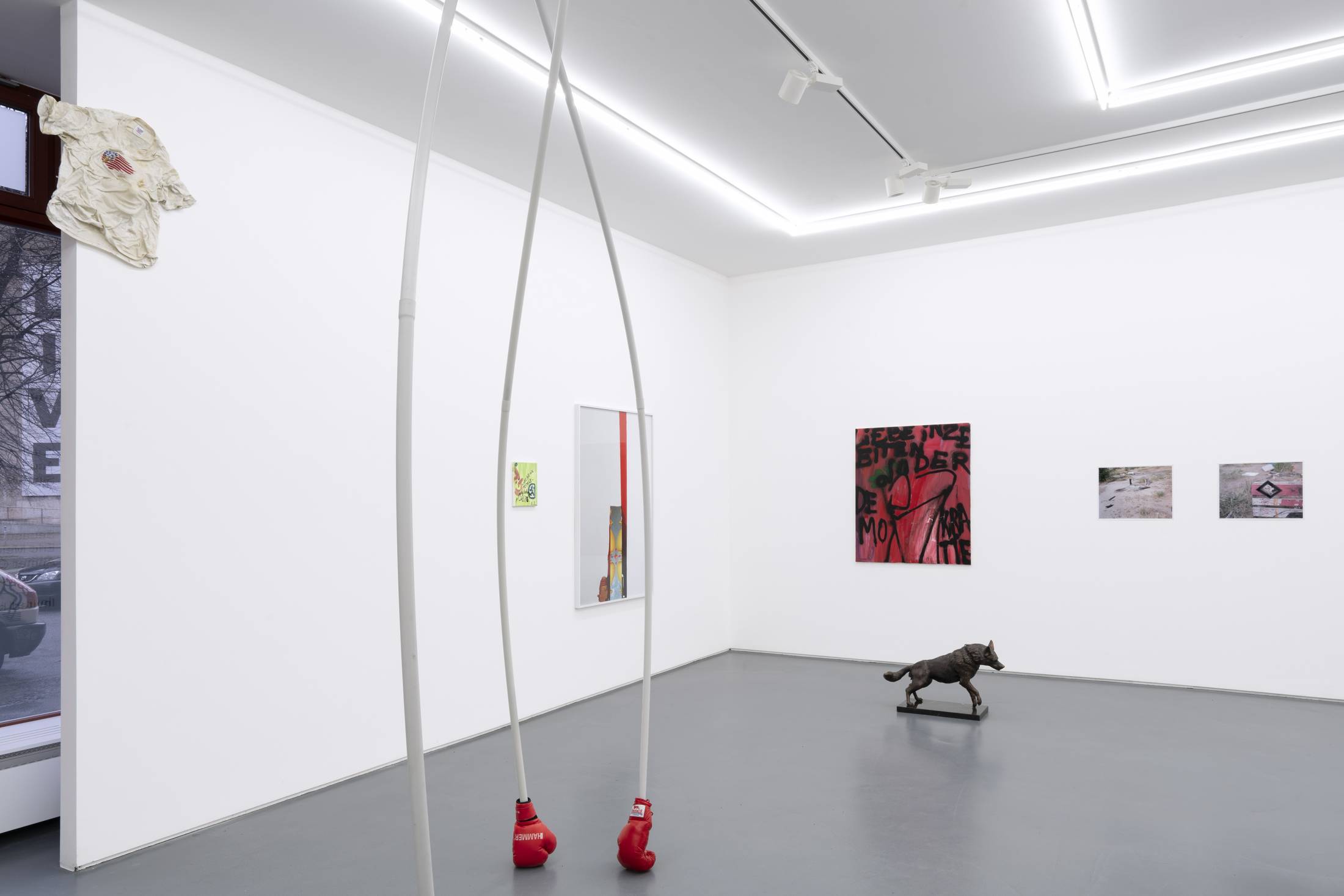
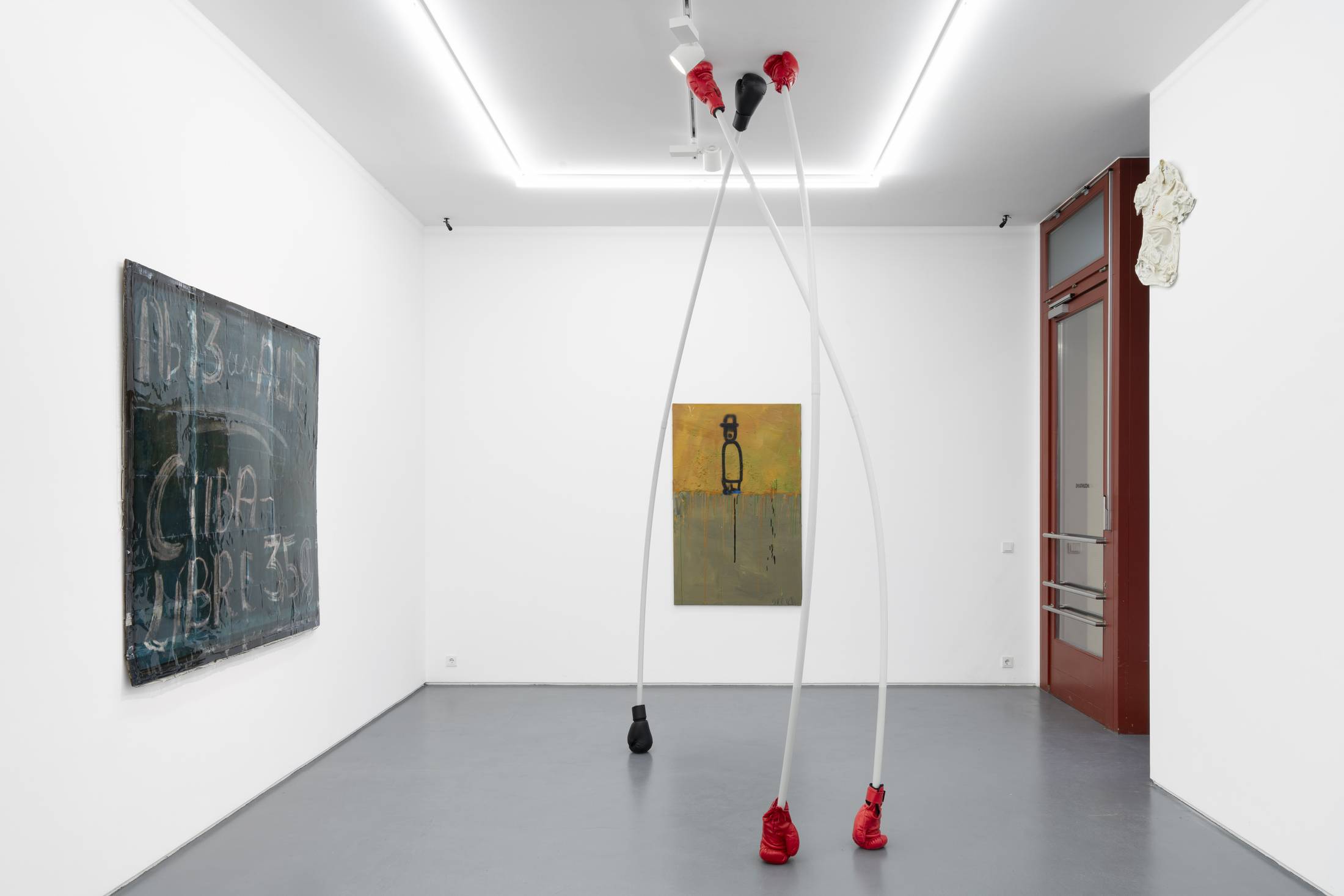
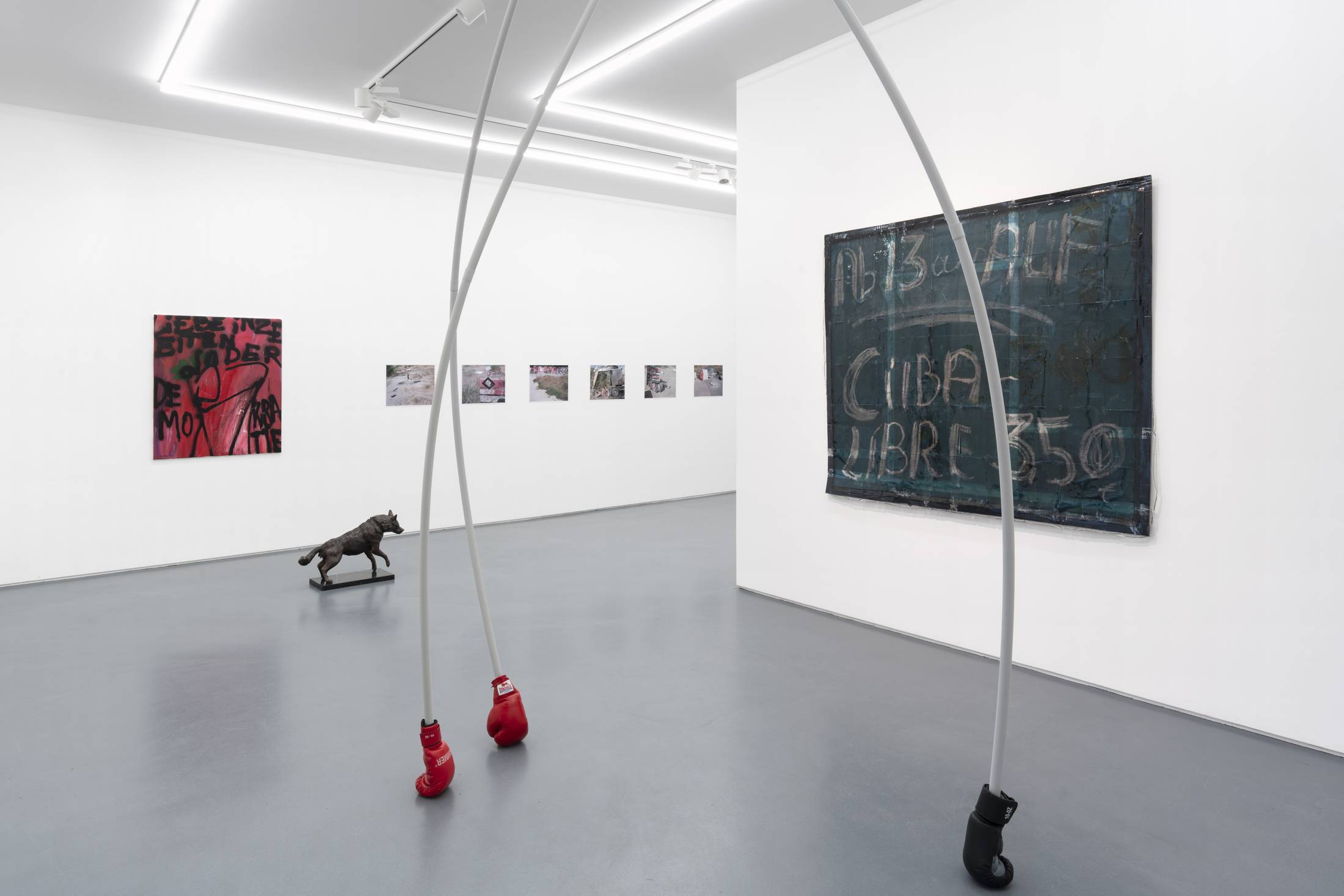
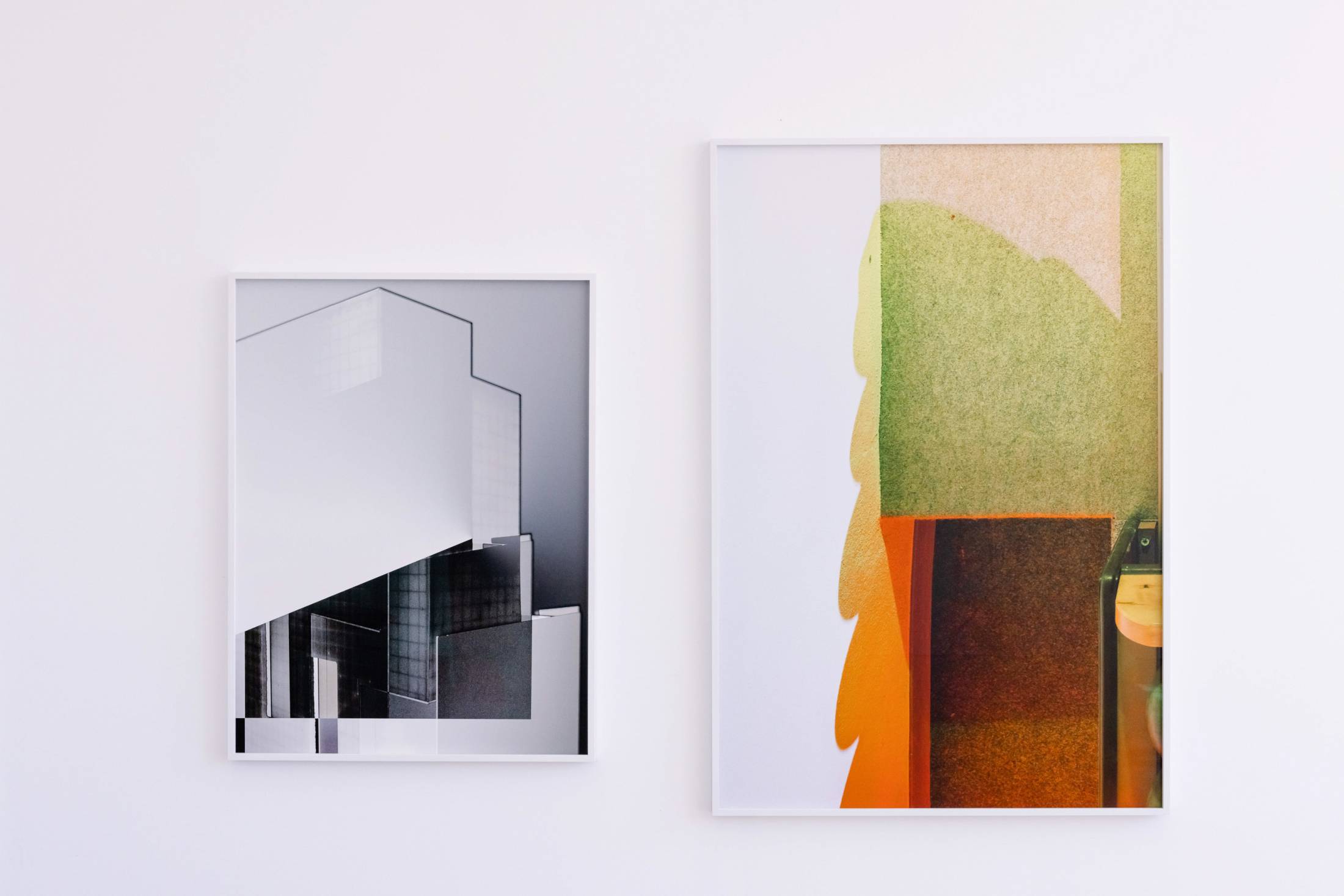
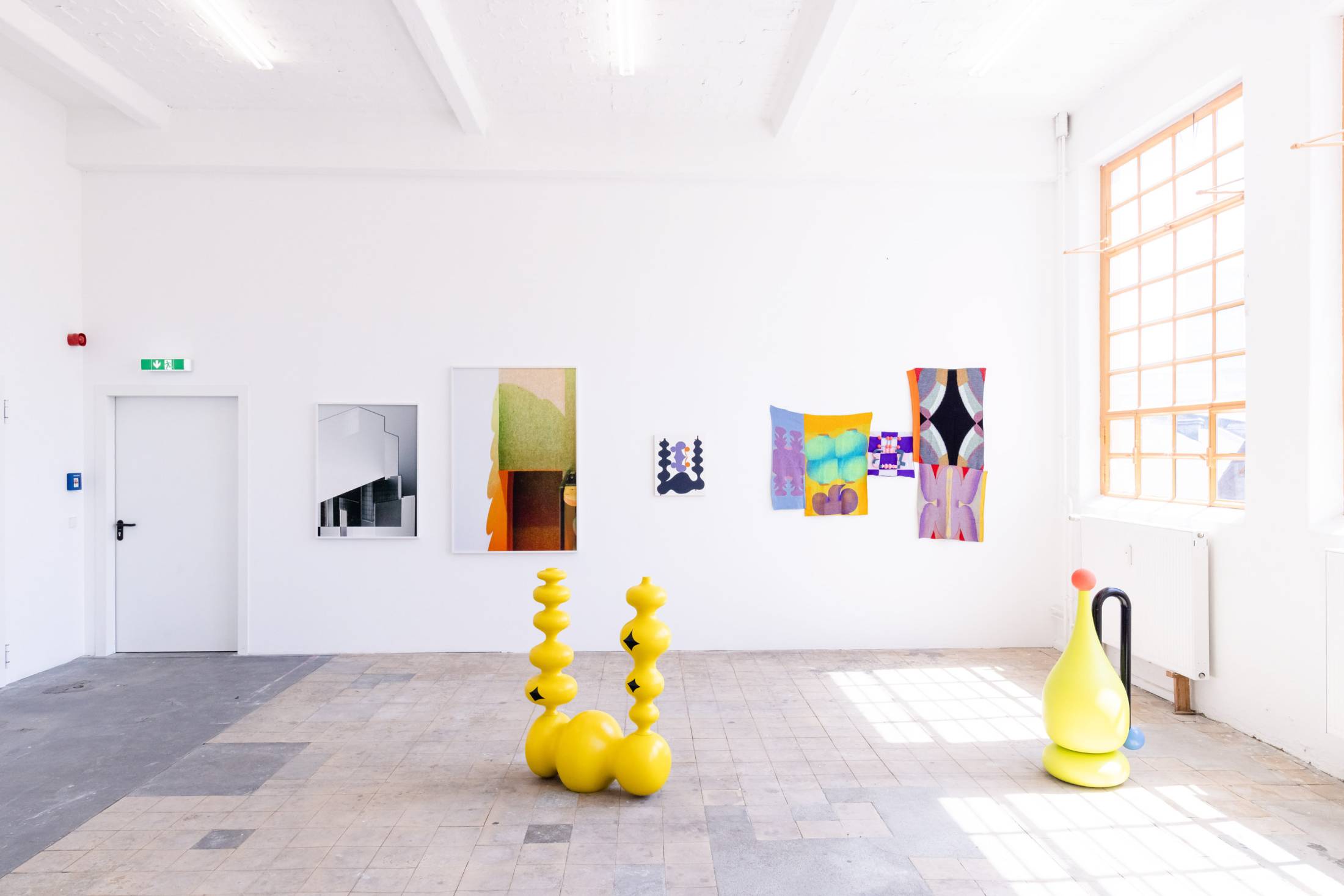
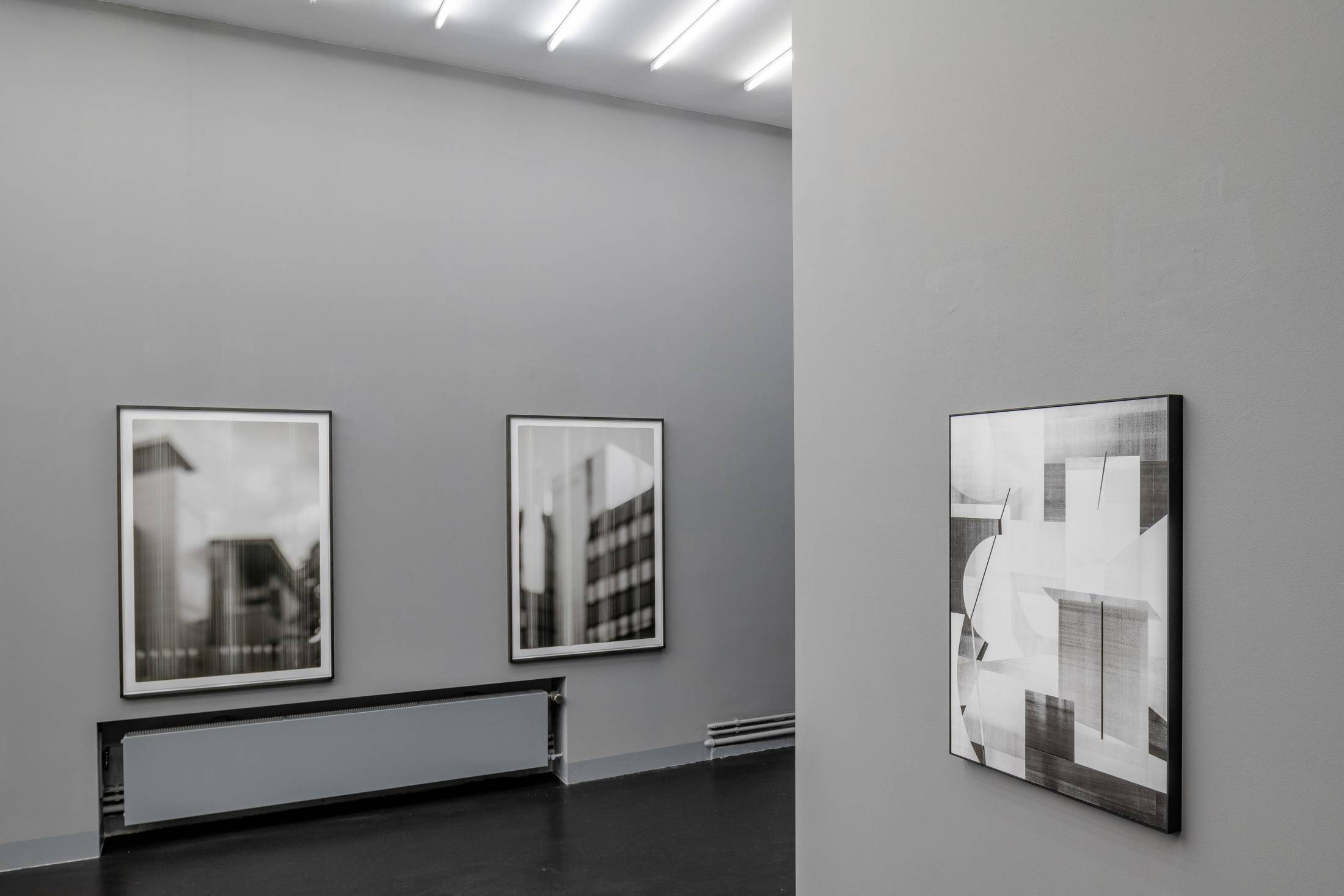
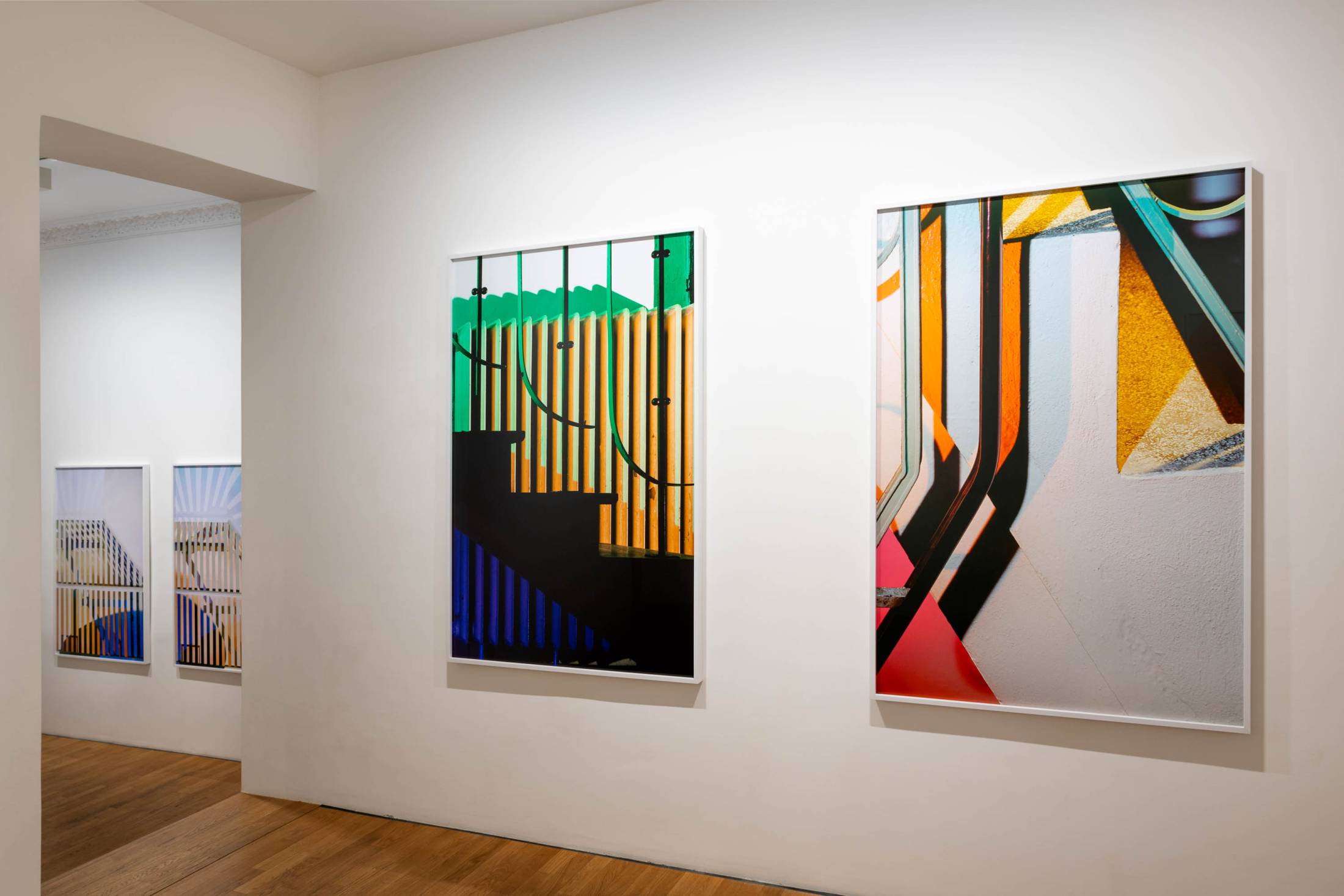
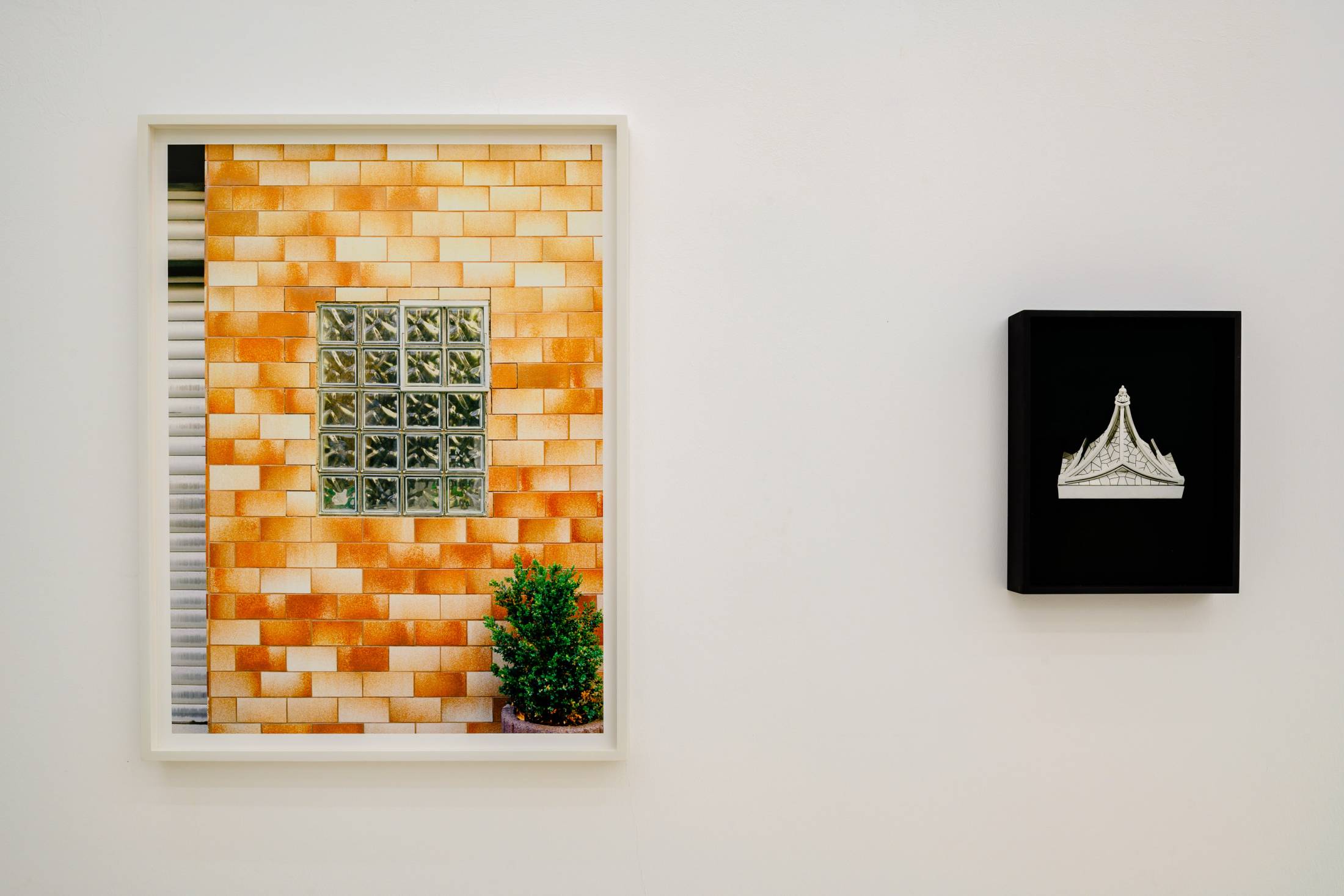
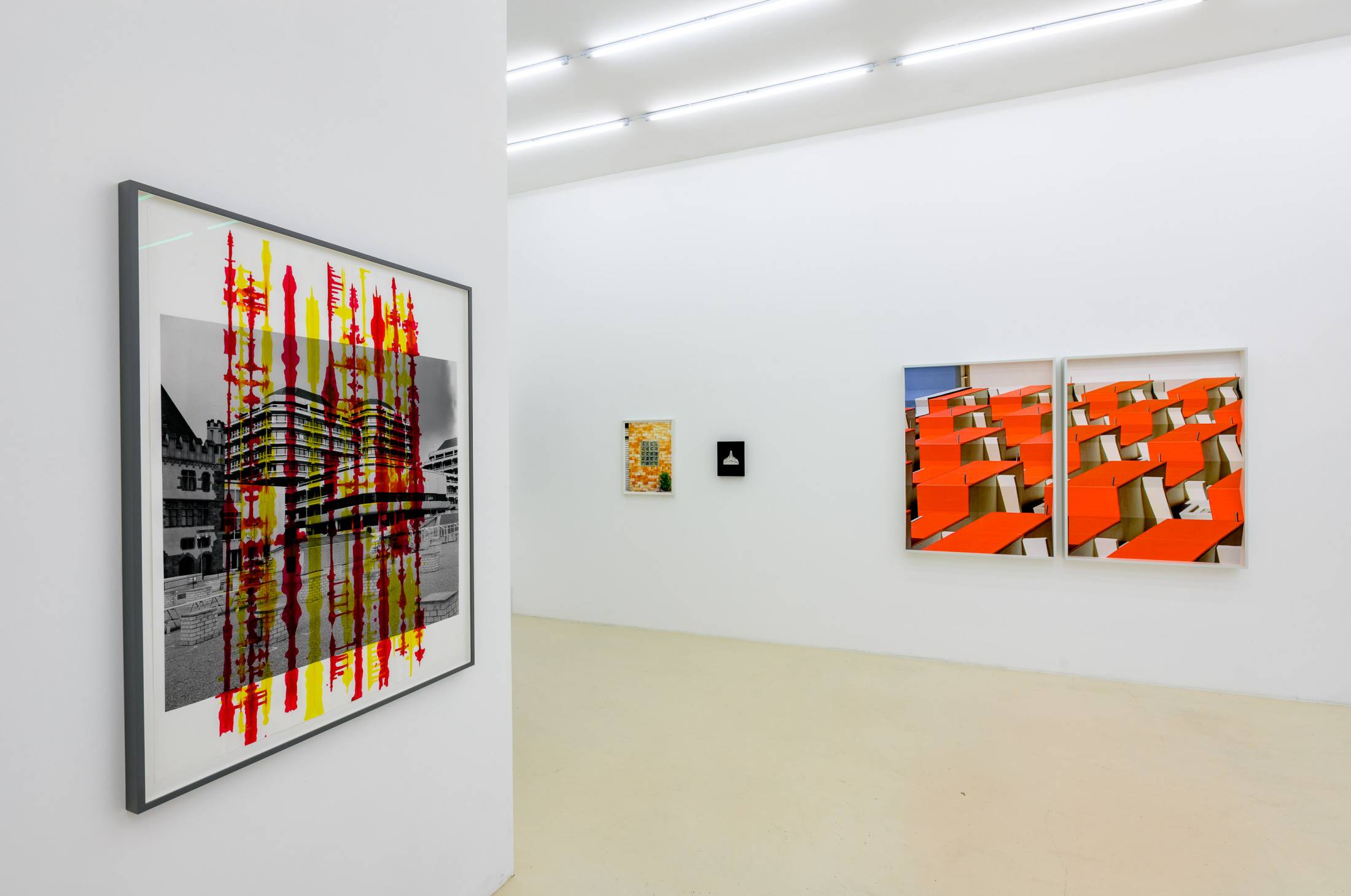
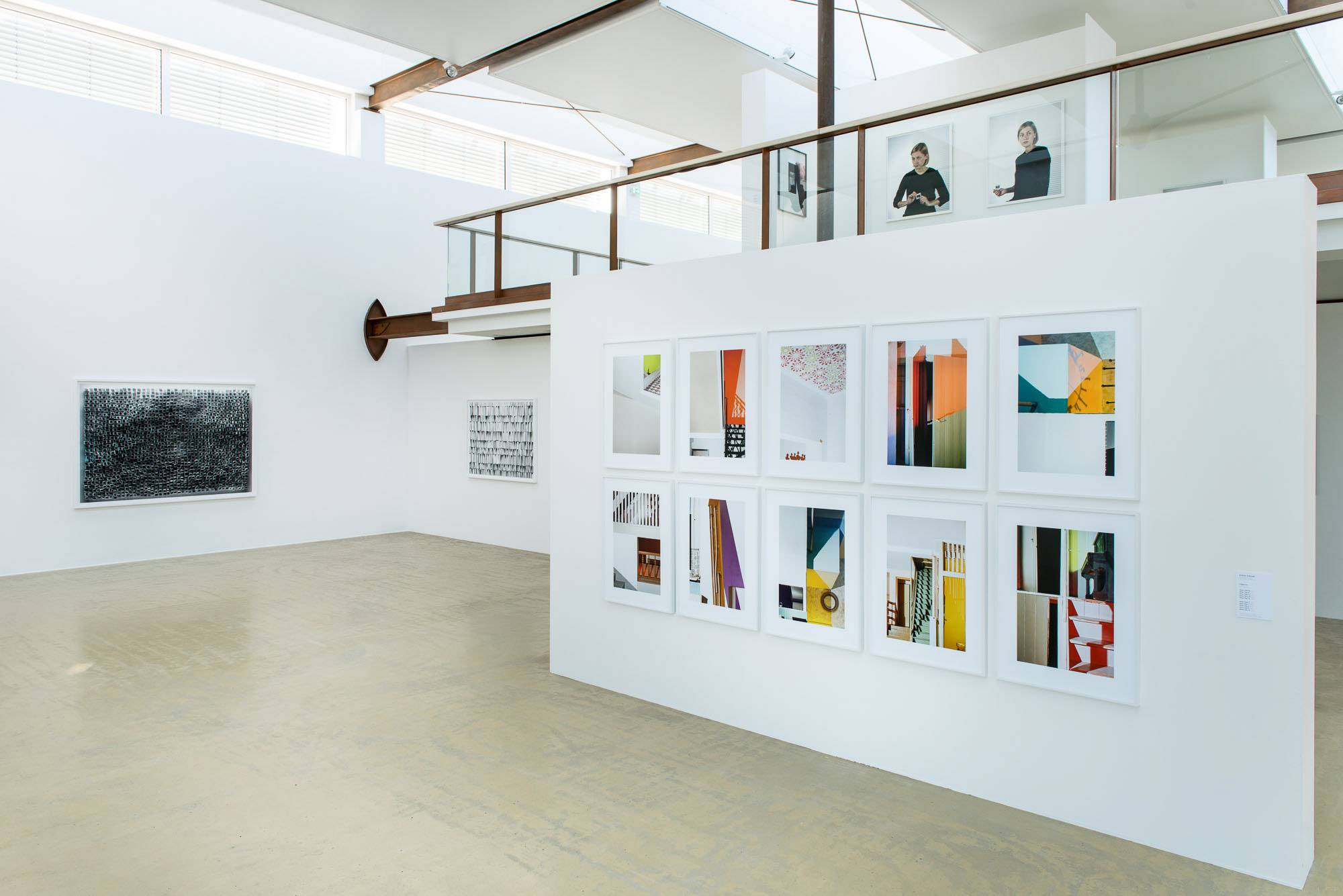
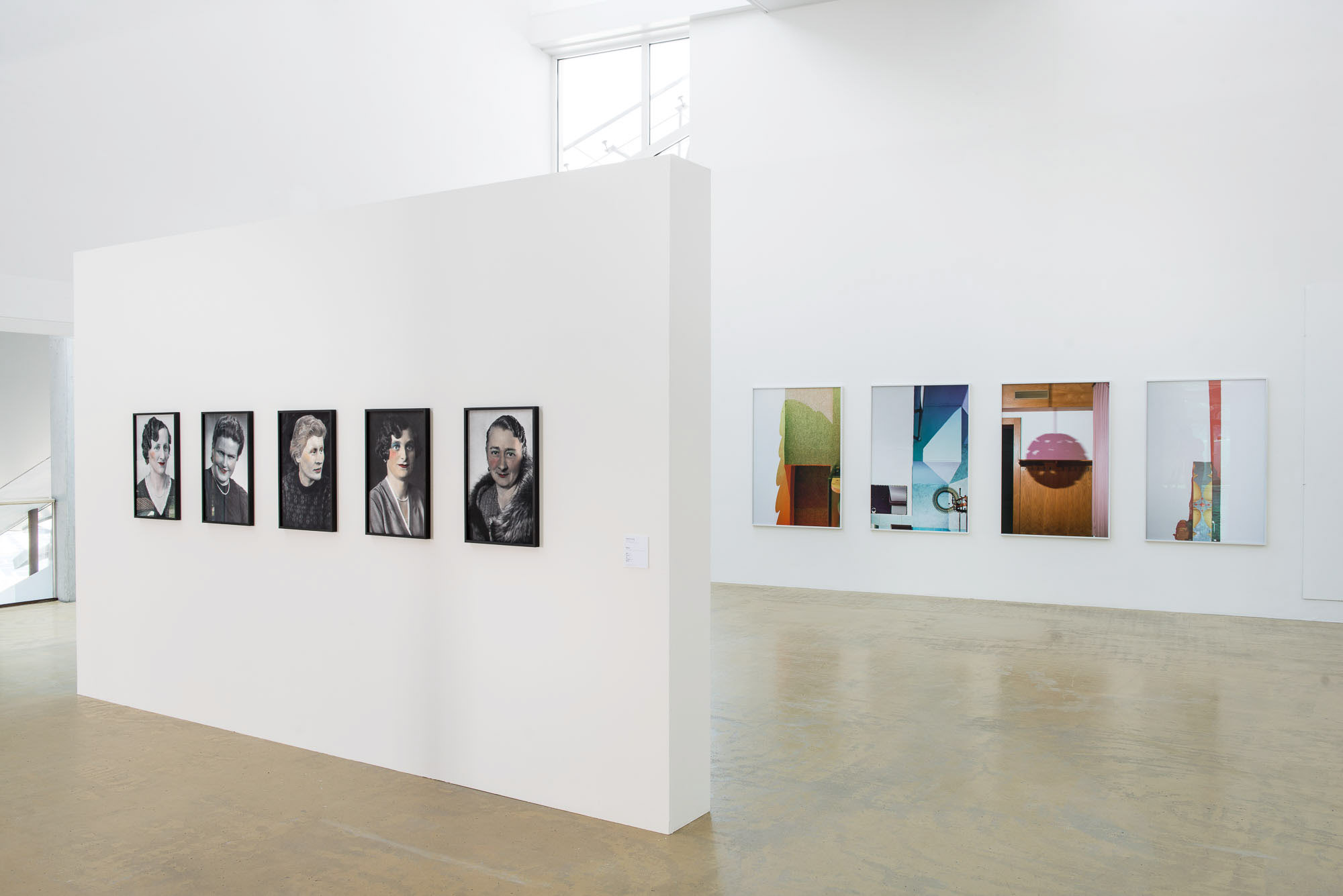
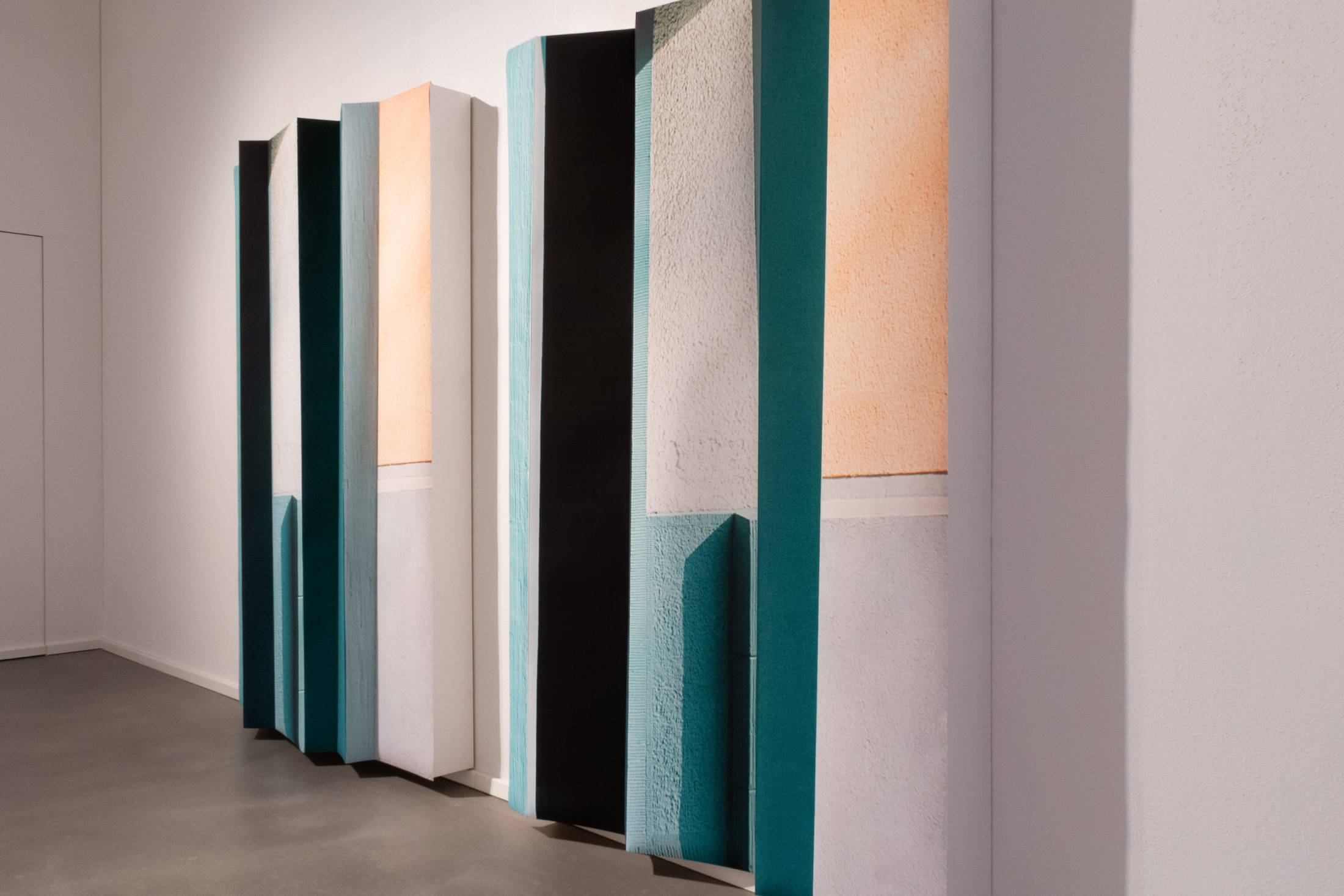
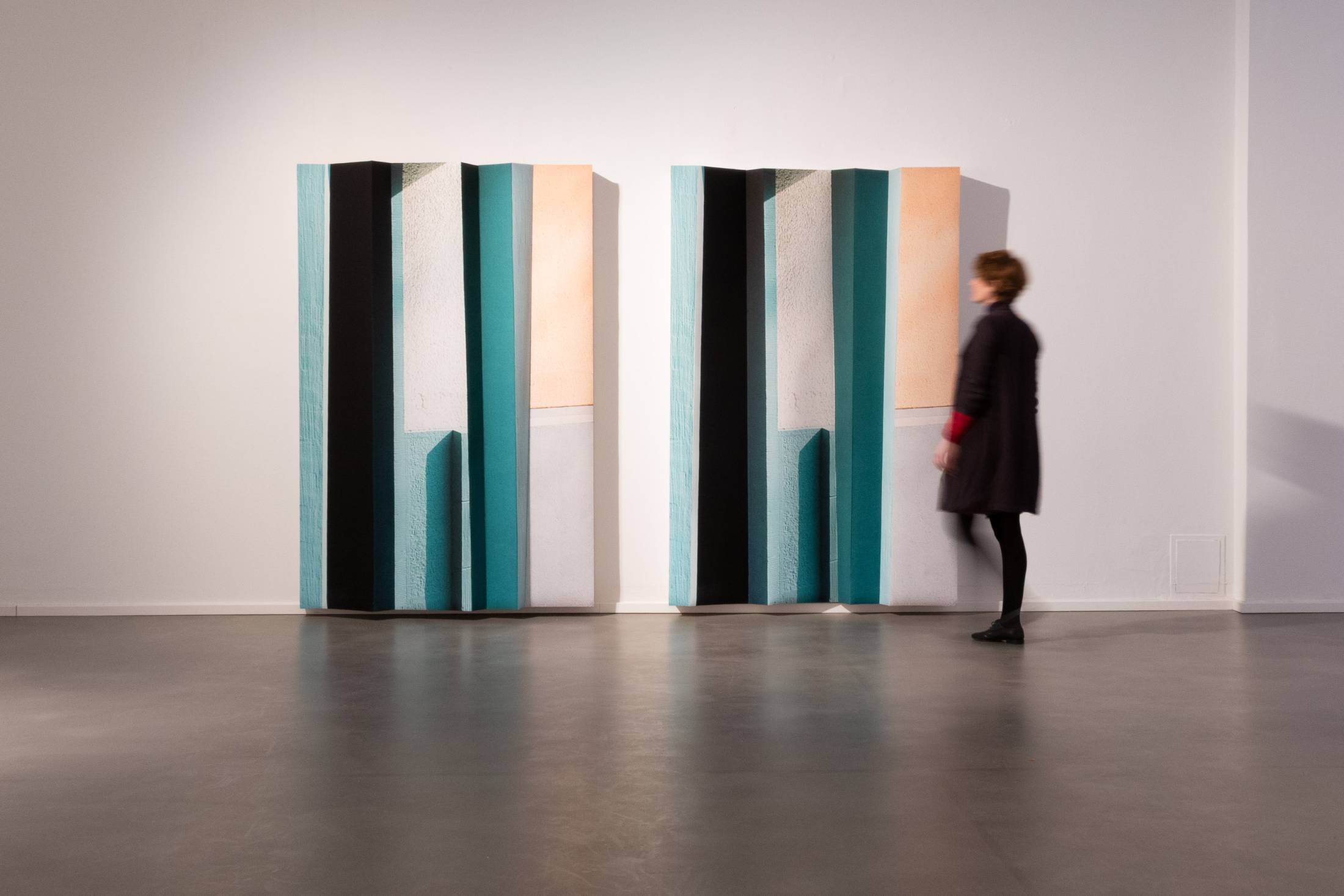
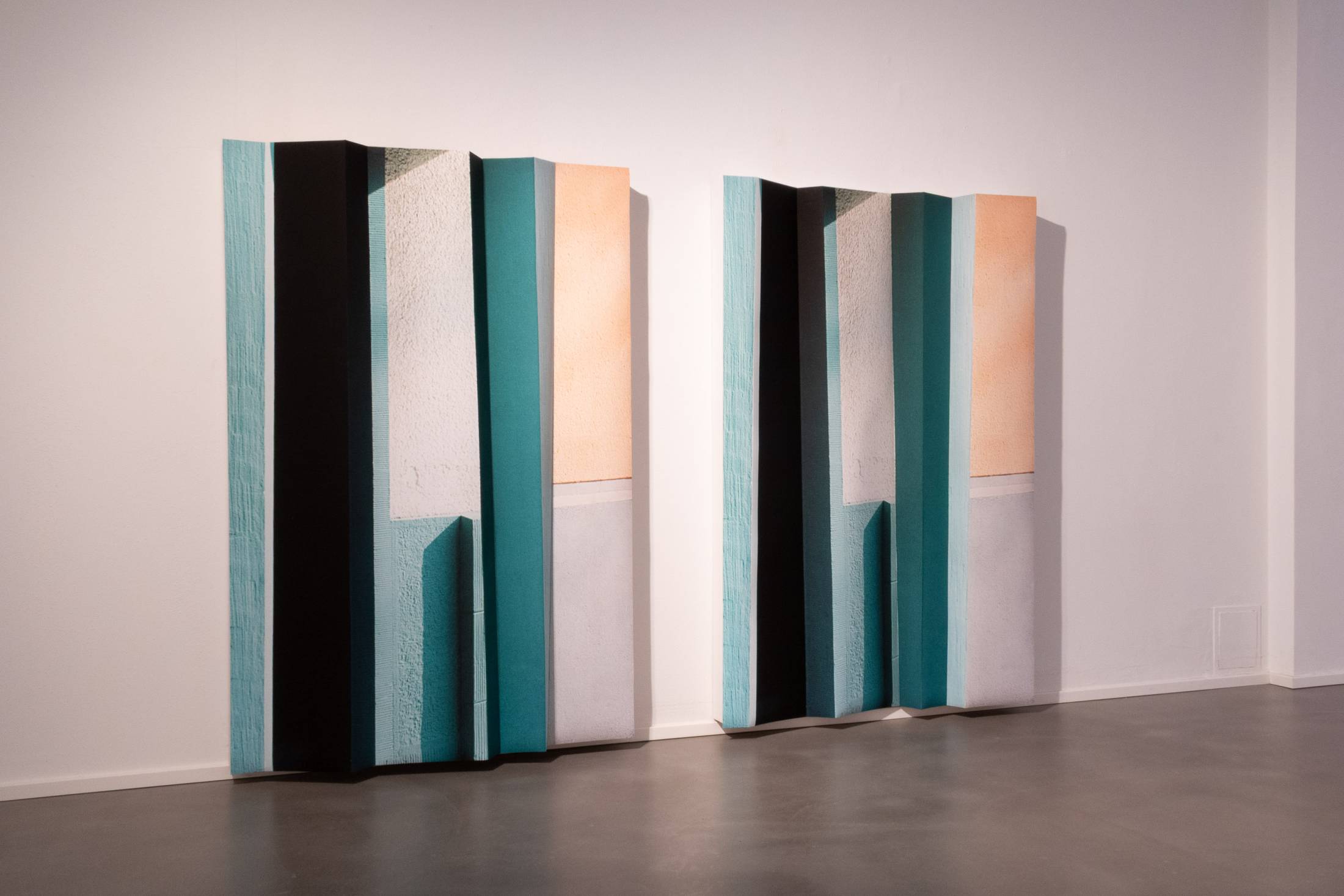
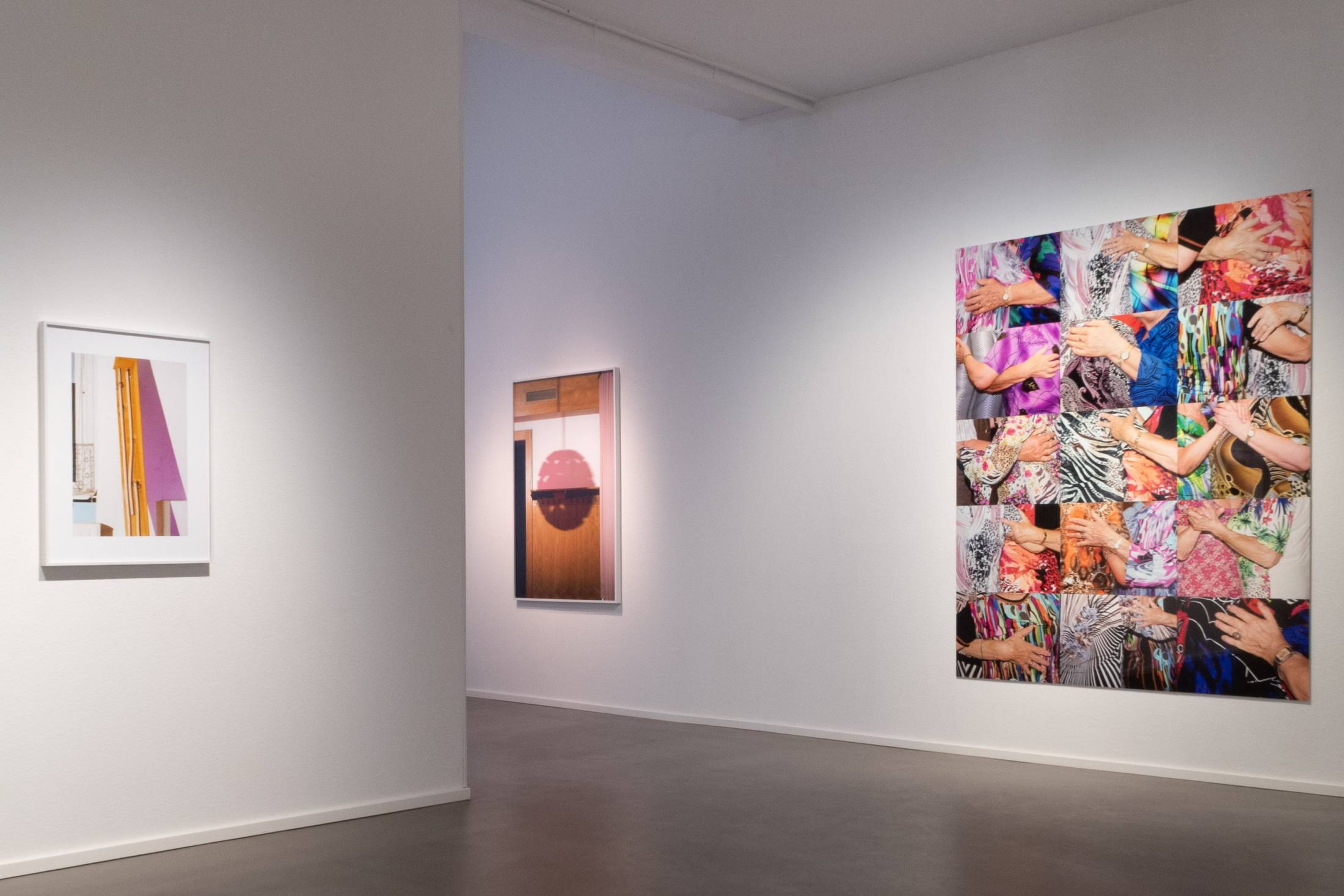
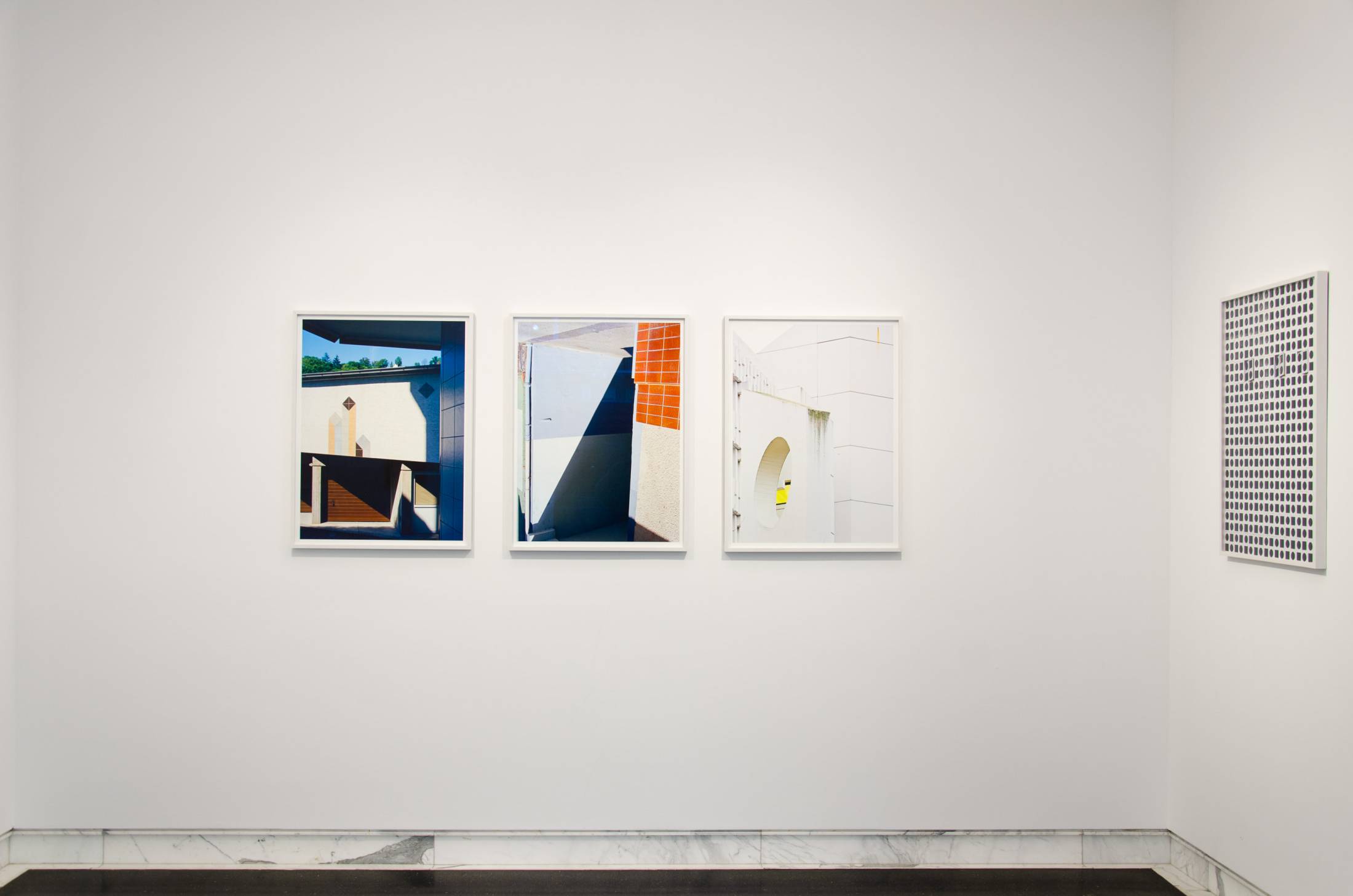
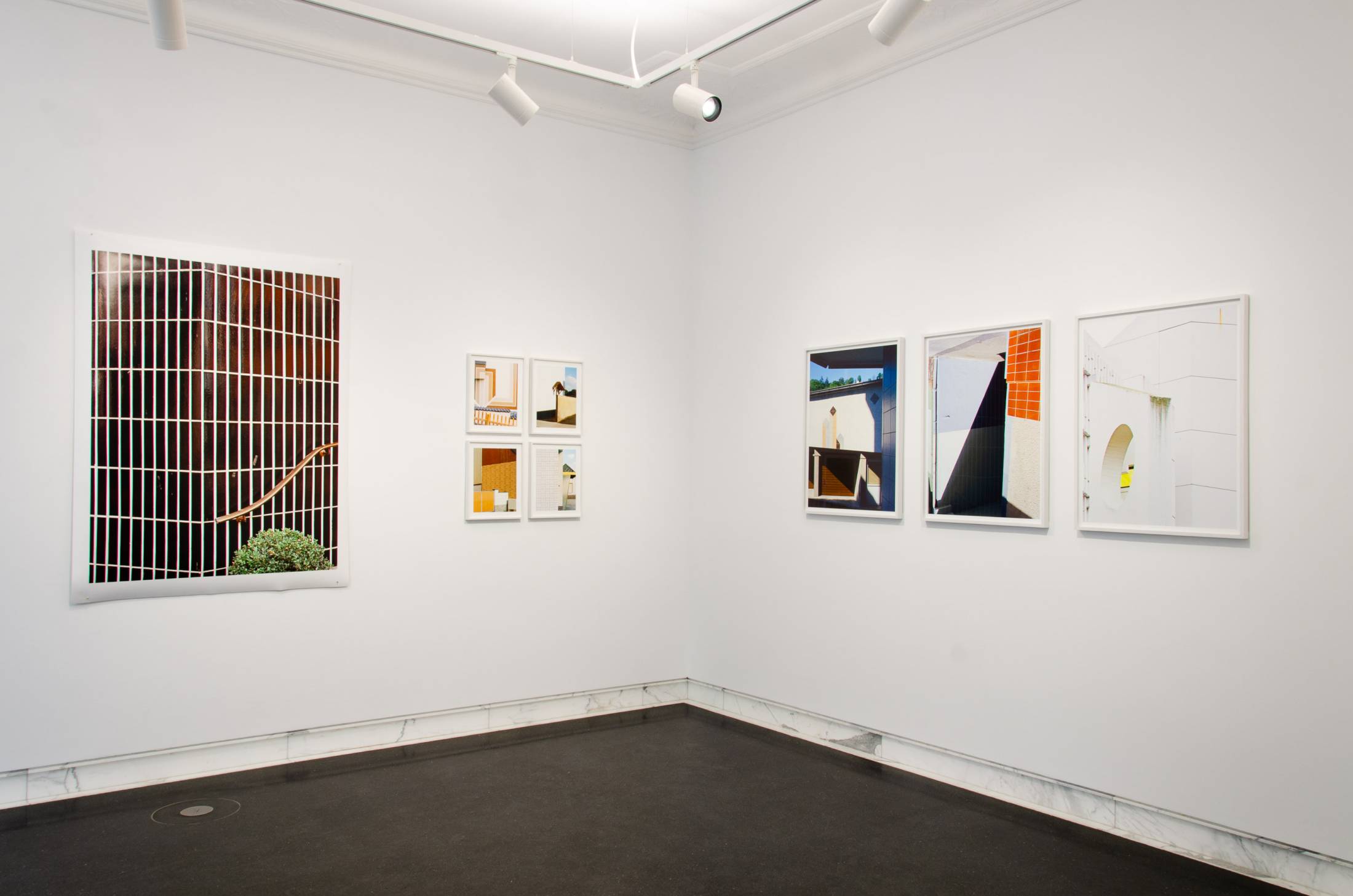
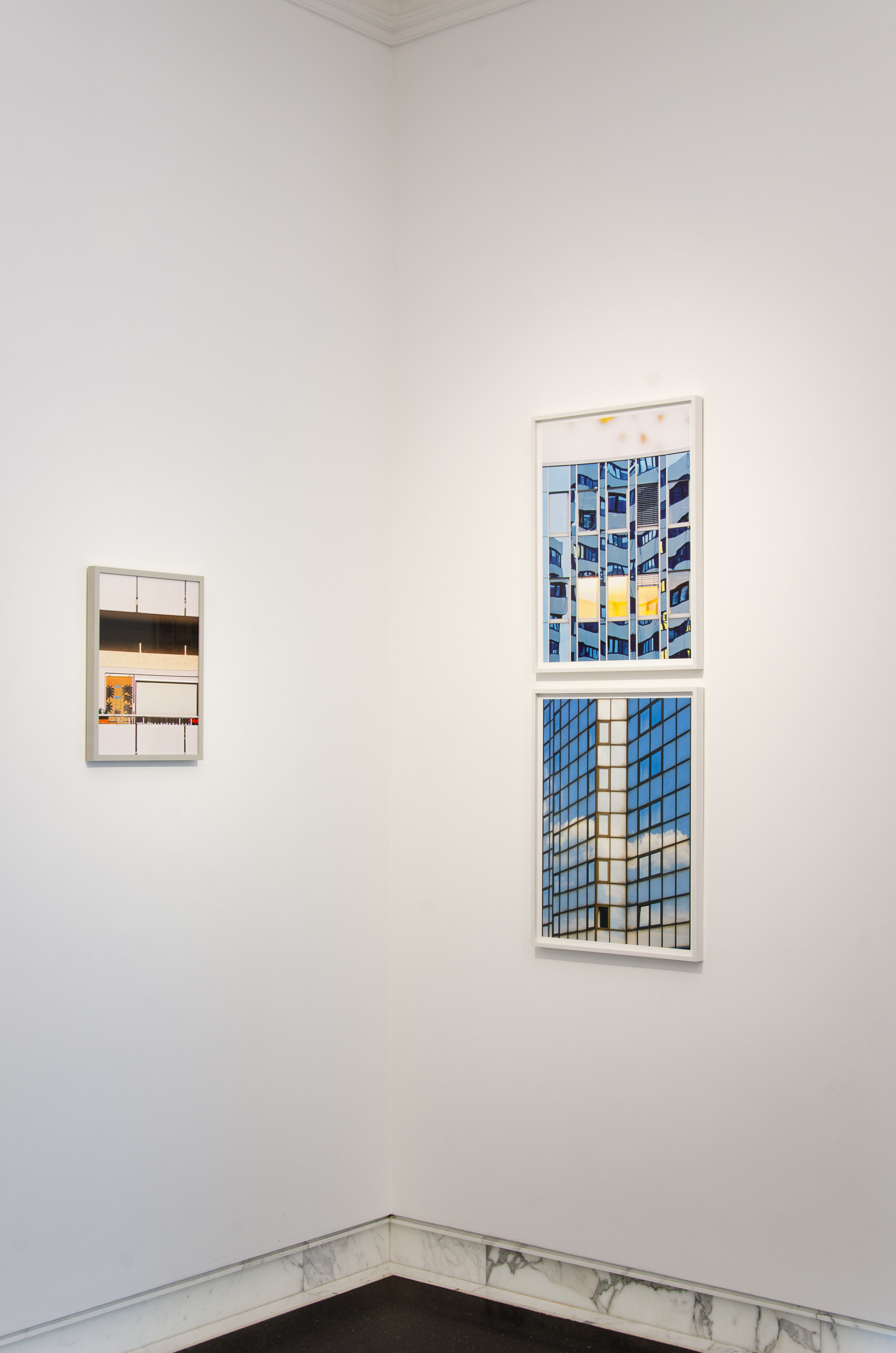
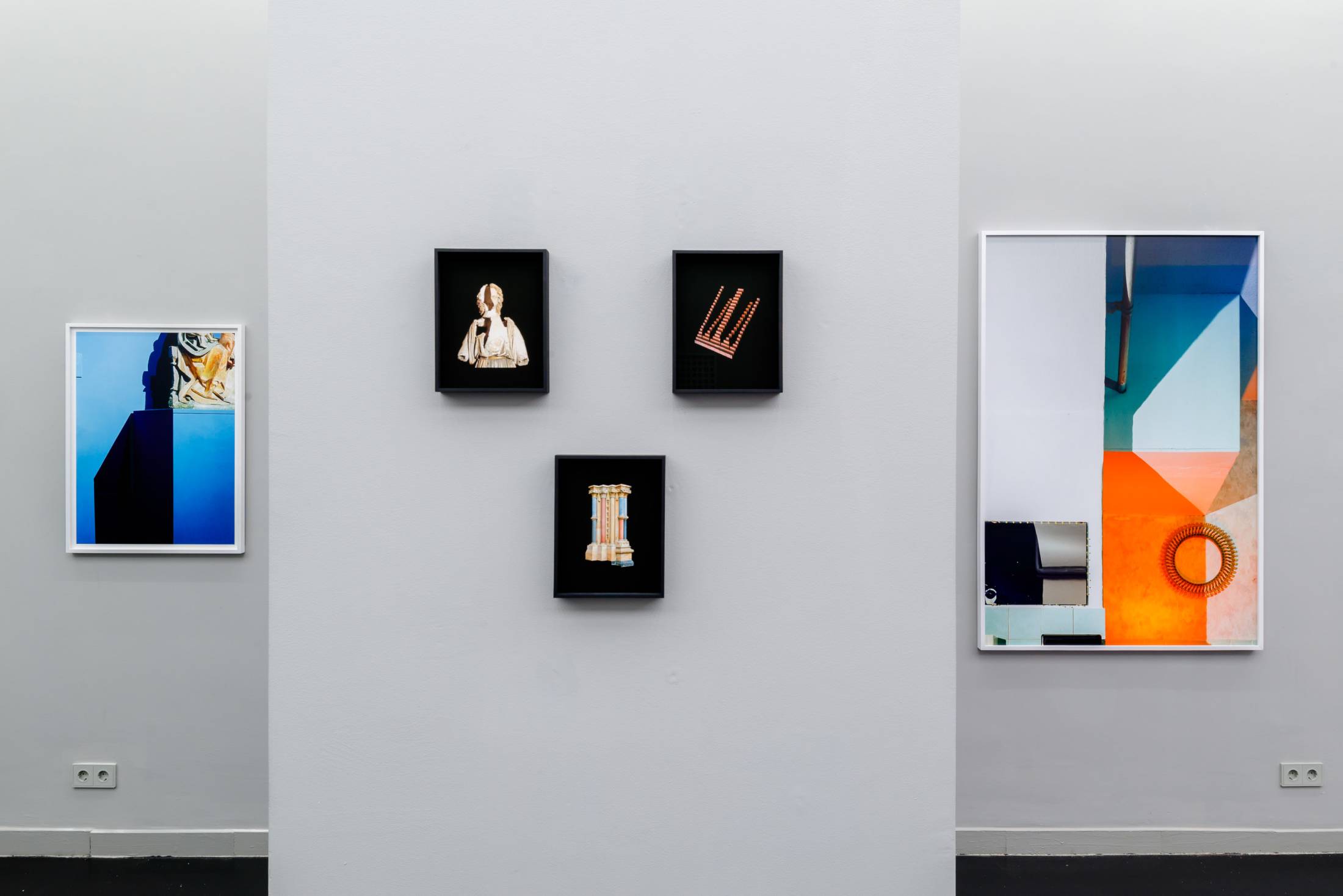
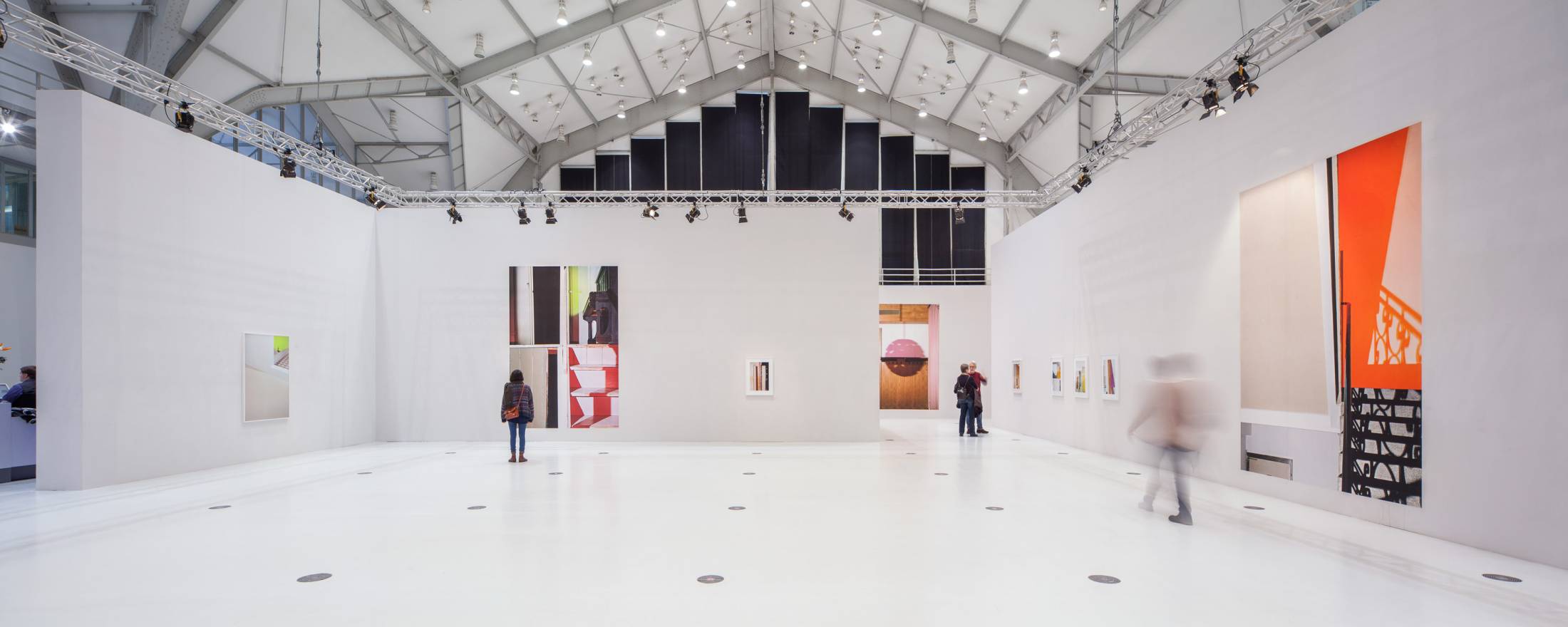
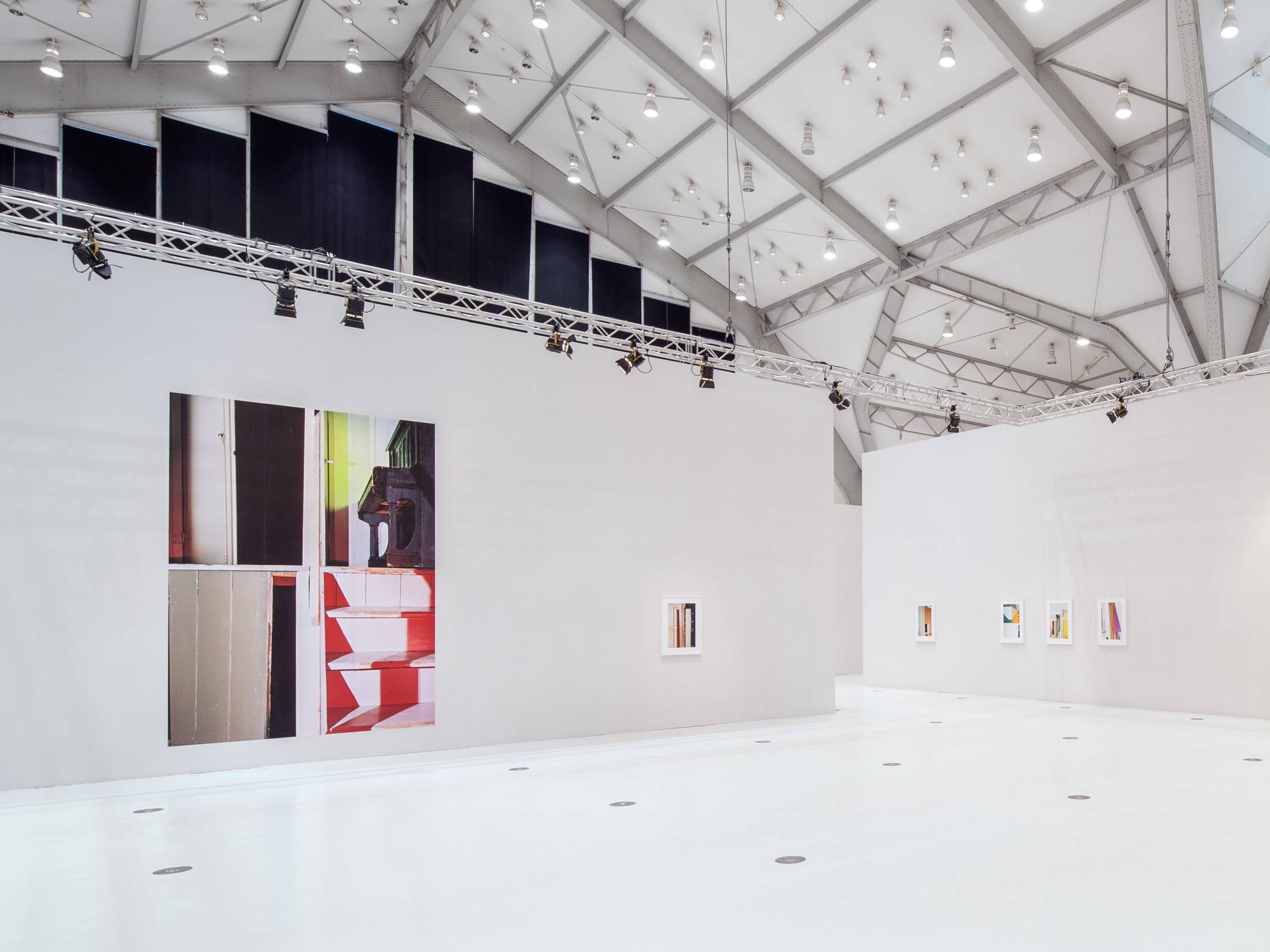
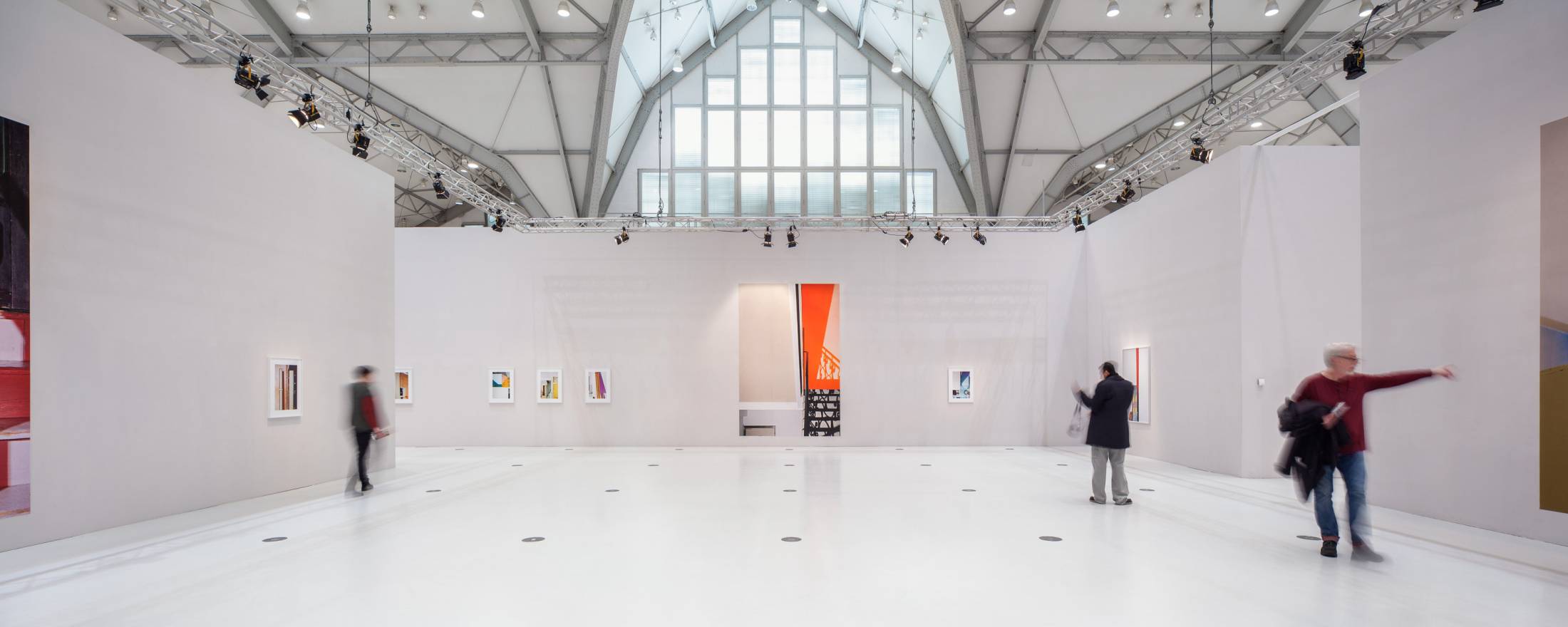
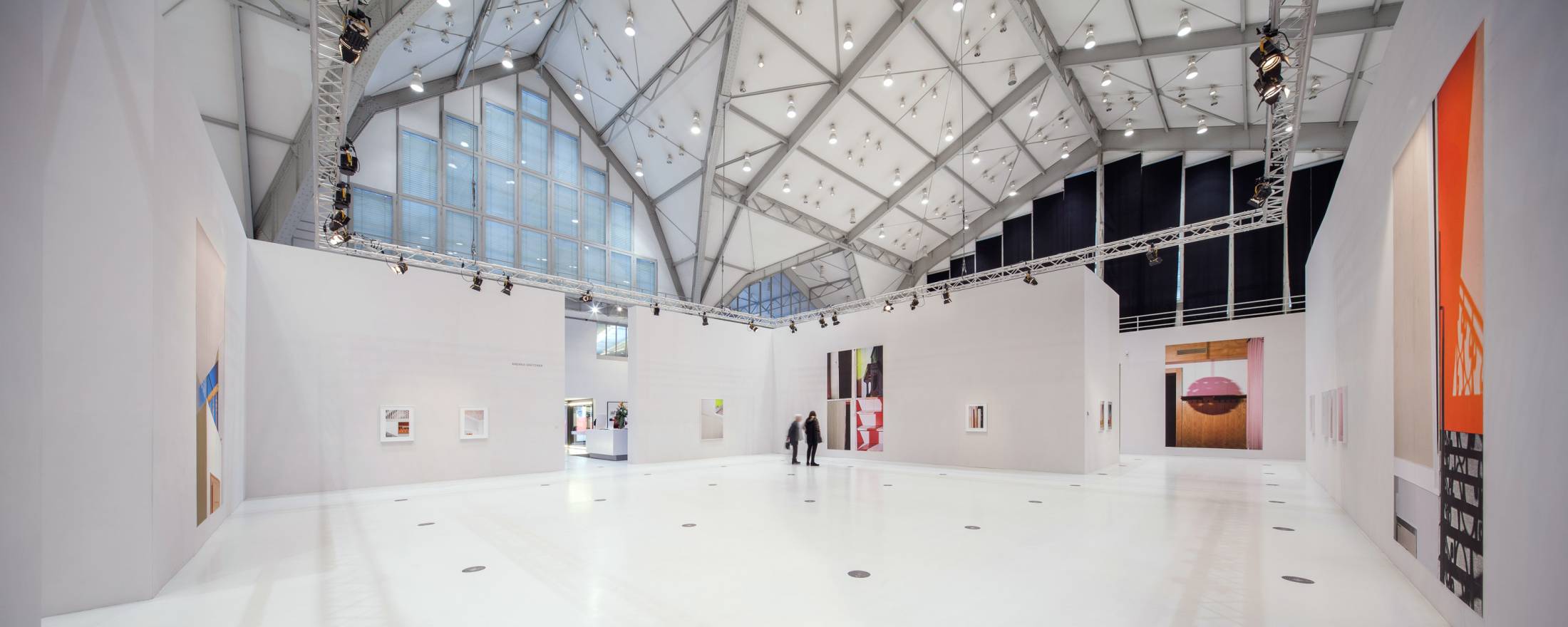
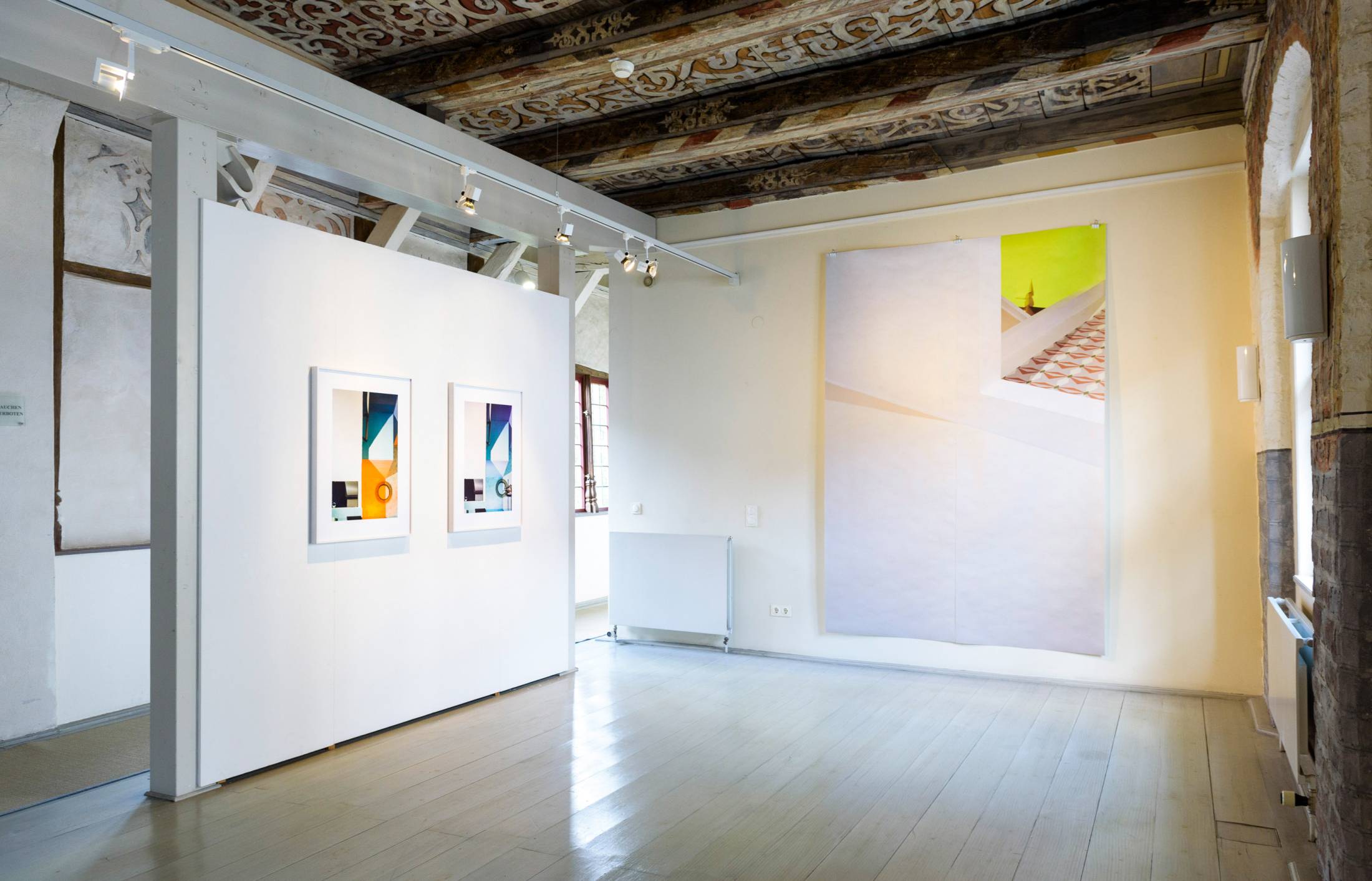
Erbgericht at A.D.M.D.M.G.A.G.S.H.D.K.S.K.R.M.D.P.A.S.A.W. - The Kunstfonds Foundation presents works by the 2024 grant recipients, Kunststiftung Sachsen-Anhalt, Halle, Germany Installation of the series Erbgericht (on the right), together with works by Anna Schimkat (front) and by Marta Dyachenko (left).

Photo: Sven Bergelt, Anne Kaden
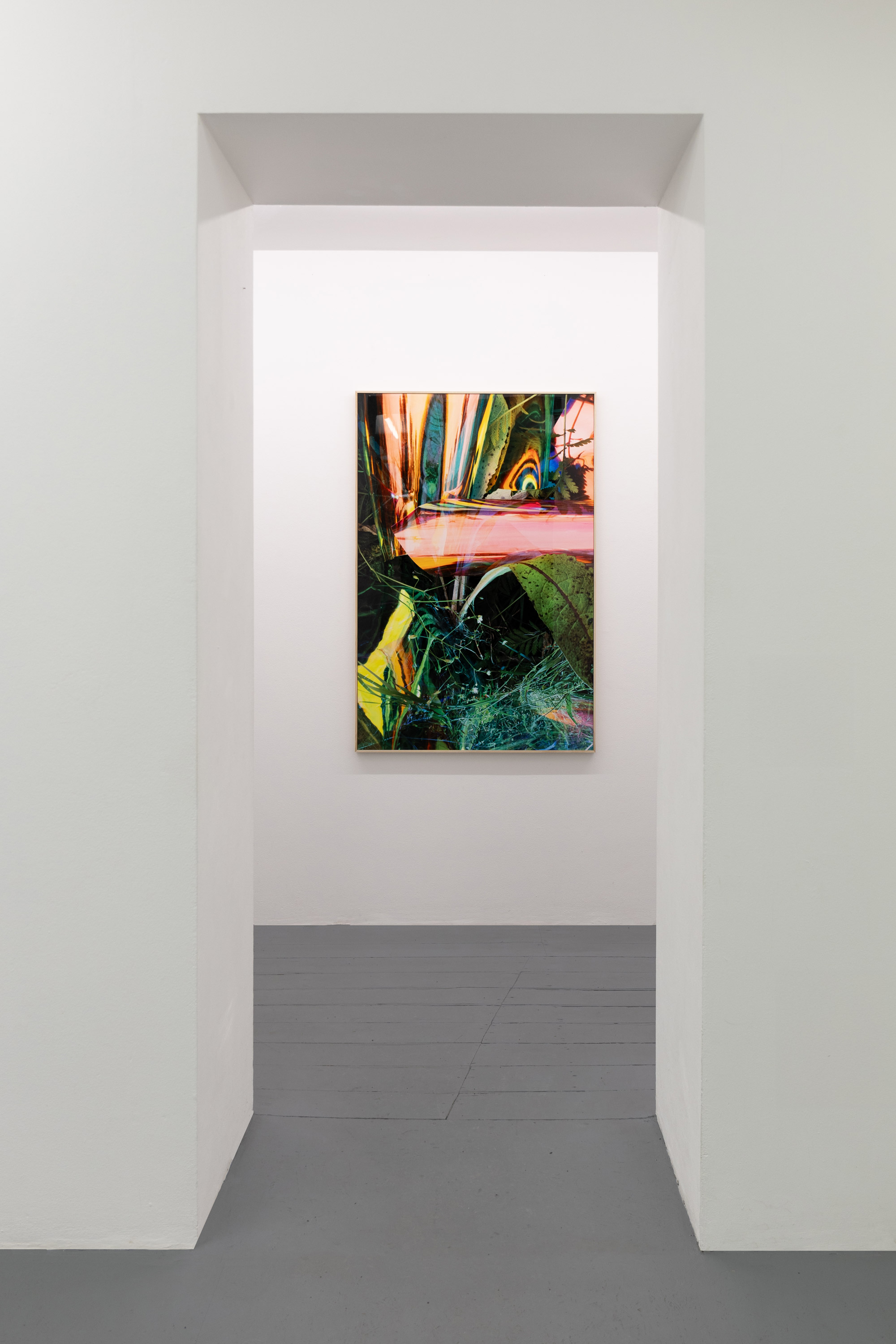
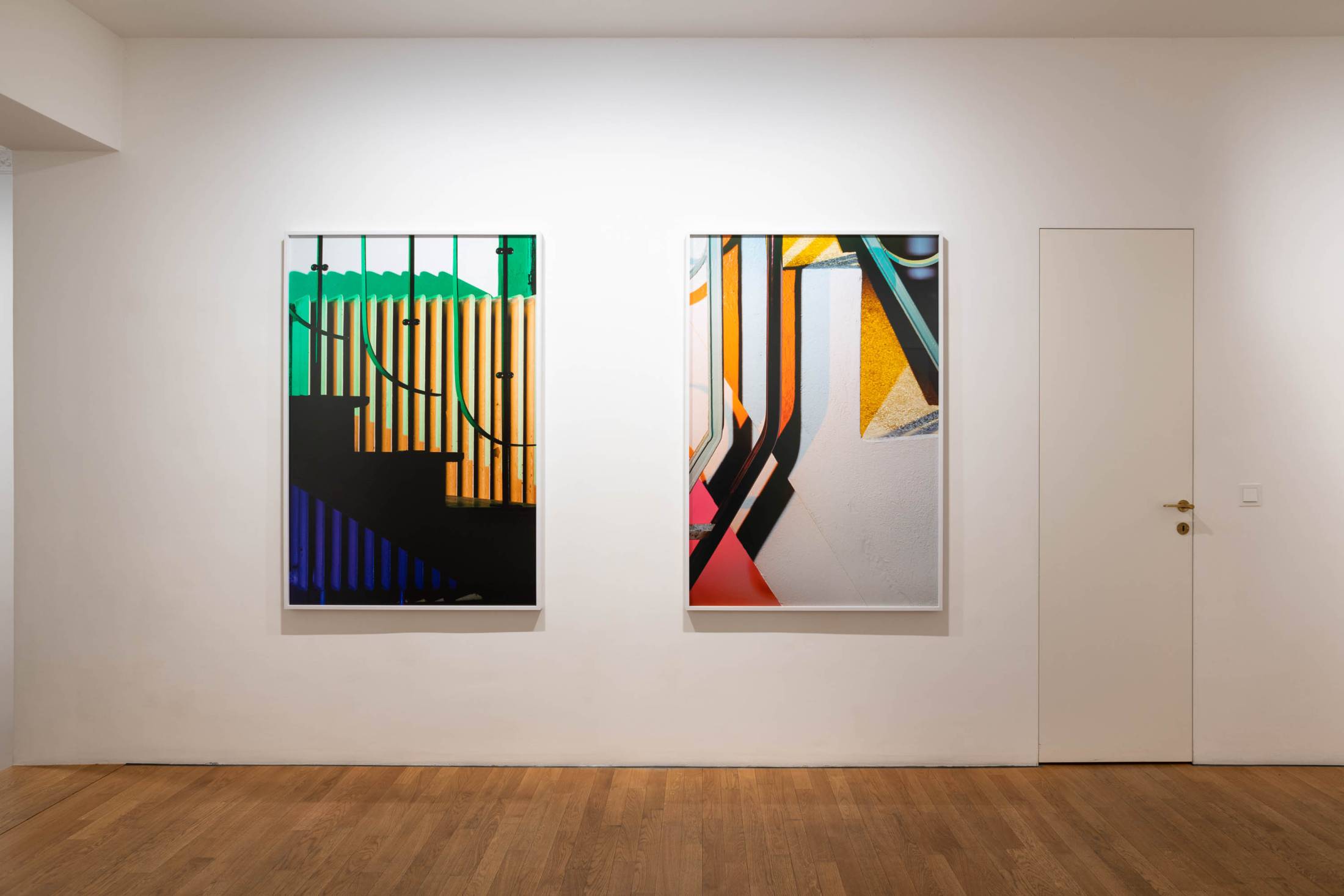
Erbgericht at A.D.M.D.M.G.A.G.S.H.D.K.S.K.R.M.D.P.A.S.A.W. - The Kunstfonds Foundation presents works by the 2024 grant recipients, Kunststiftung Sachsen-Anhalt, Halle, Germany Photo: Sven Bergelt, Anne Kaden
Read more
Read less

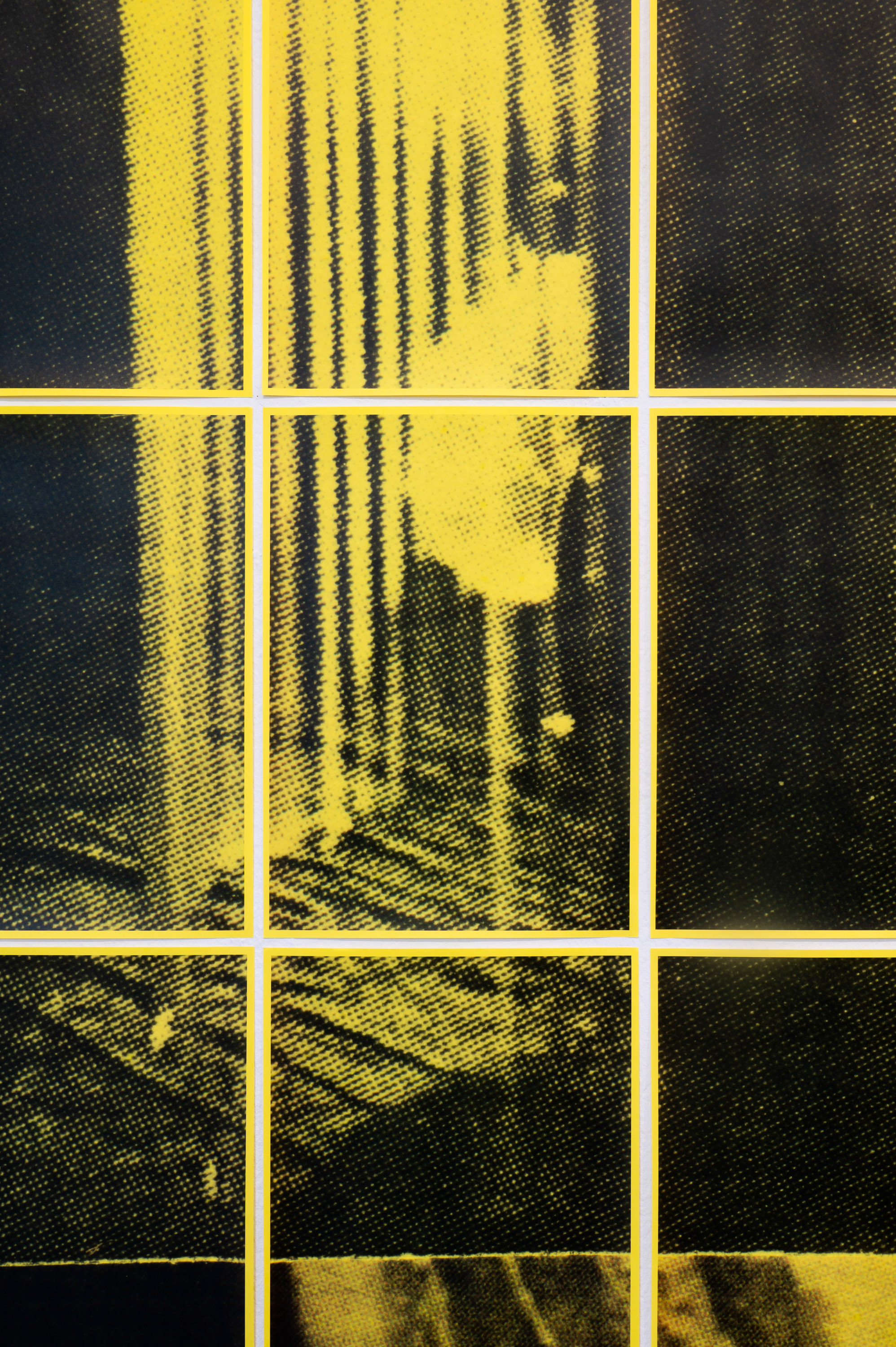
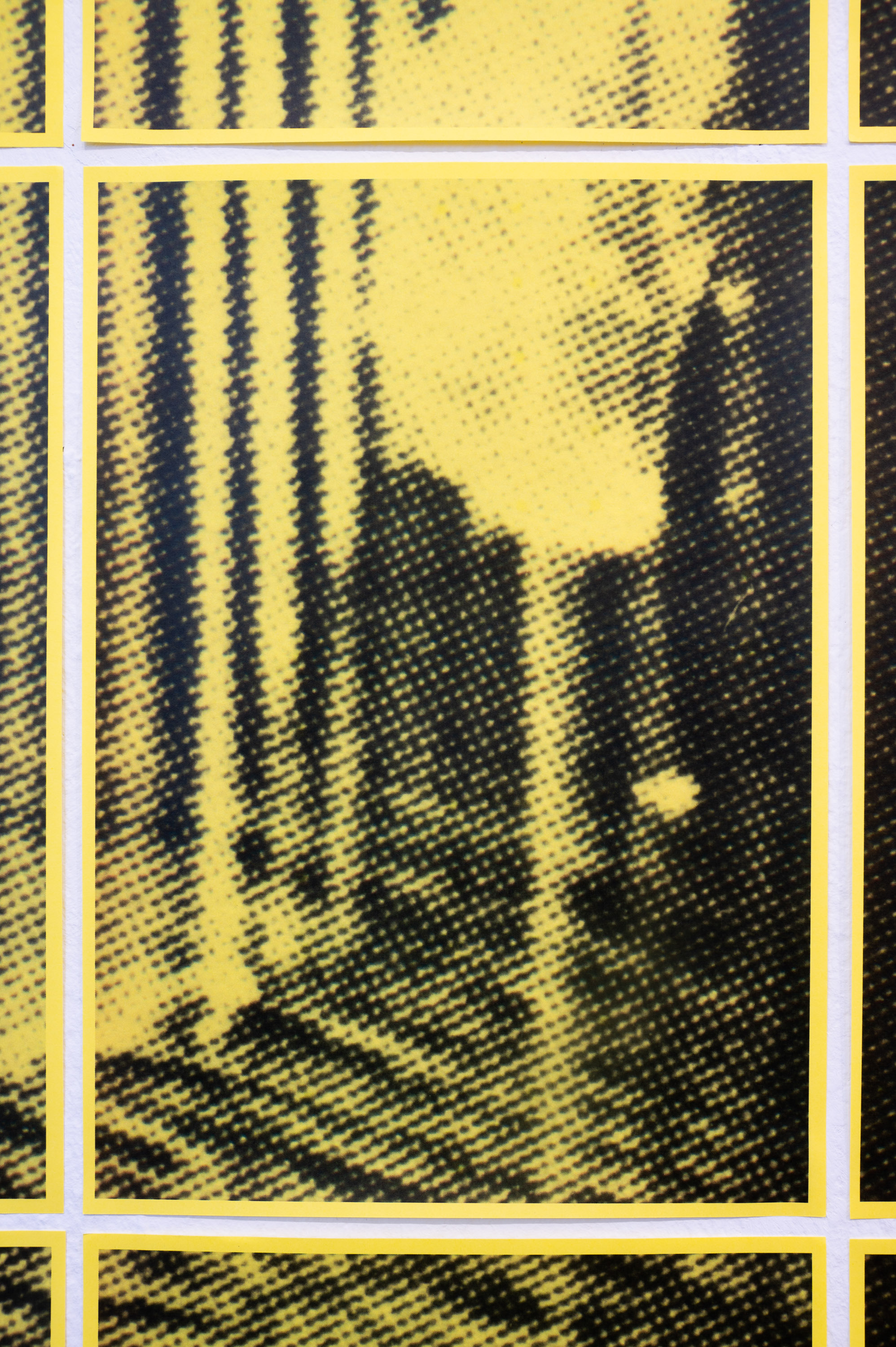
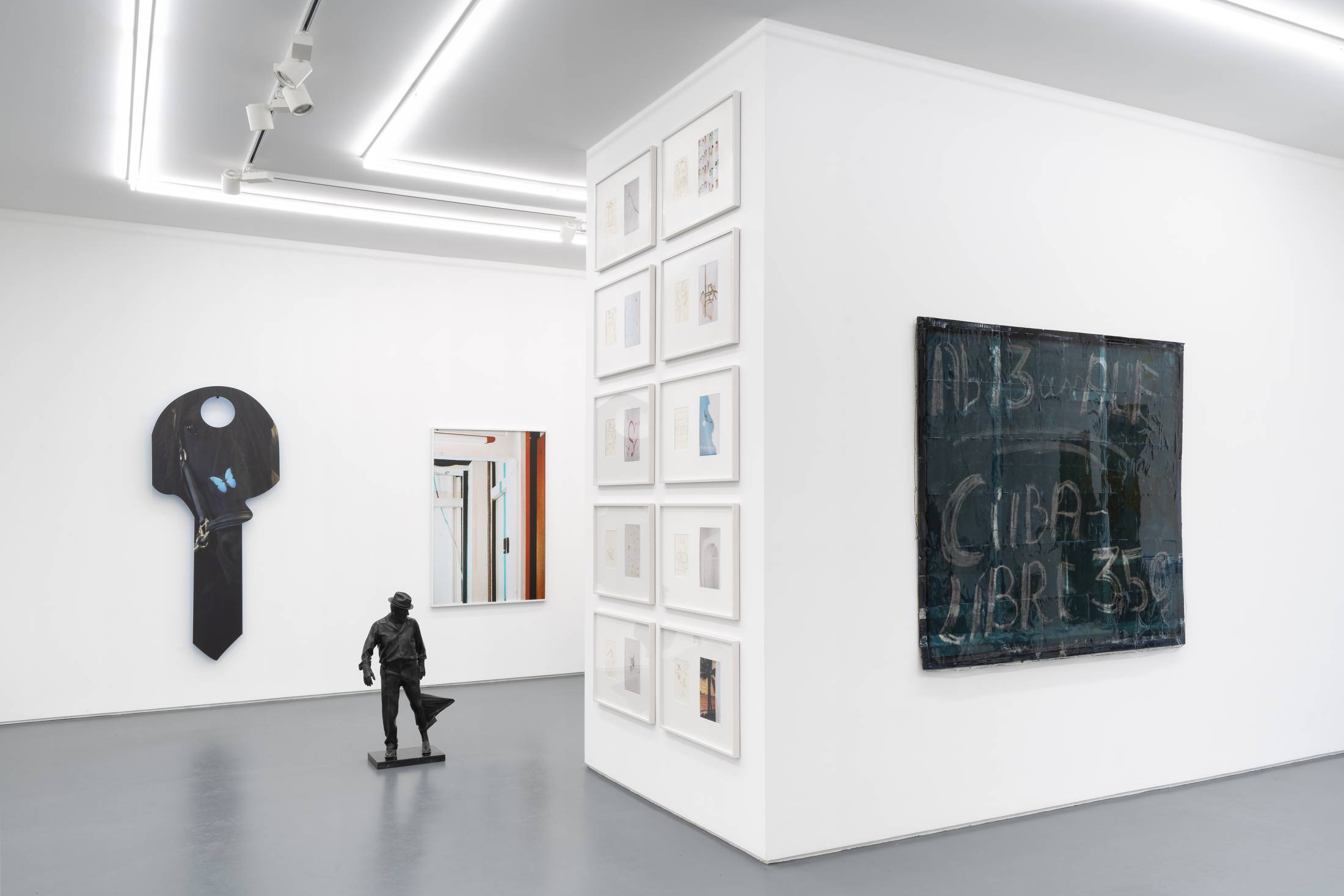
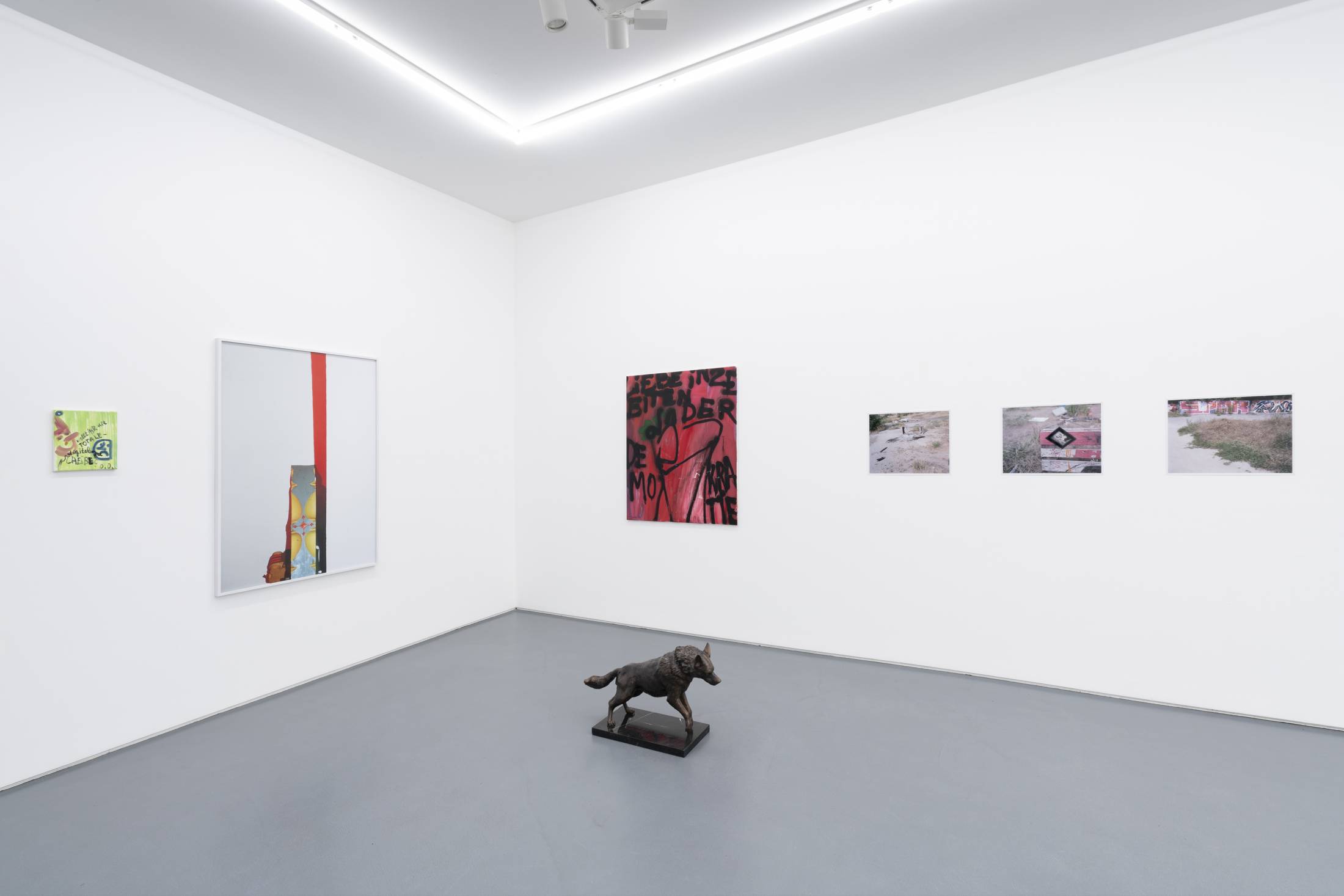
Der Titel der Ausstellung „A.D.M.D.M.G.A.G.S.H.D.K.S.K.R.M.D.P.A.S.A.W.“ geht auf die Initialen der ausgewählten Stipendiaten und Stipendiatinnen zurück. Mit der Ausstellung gastiert die Stiftung Kunstfonds mit Sitz in Bonn erstmals in Halle. Zuletzt hatte die Stiftung vor 20 Jahren eine Ausstellung organisiert. Gezeigt wird in Halle die ganze Bandbreite der geförderten Positionen: Malerei, Skulptur, Fotografie sowie Sound- und Videoarbeiten.

Hive at Schierke Seinecke Gallery, Frankfurt/Main, 2020 Photo: Frank Blümler
Complex at Das andere Leben / The Other Life, Berlinische Galerie, Germany, 2021 Photo: Andrea Grützner
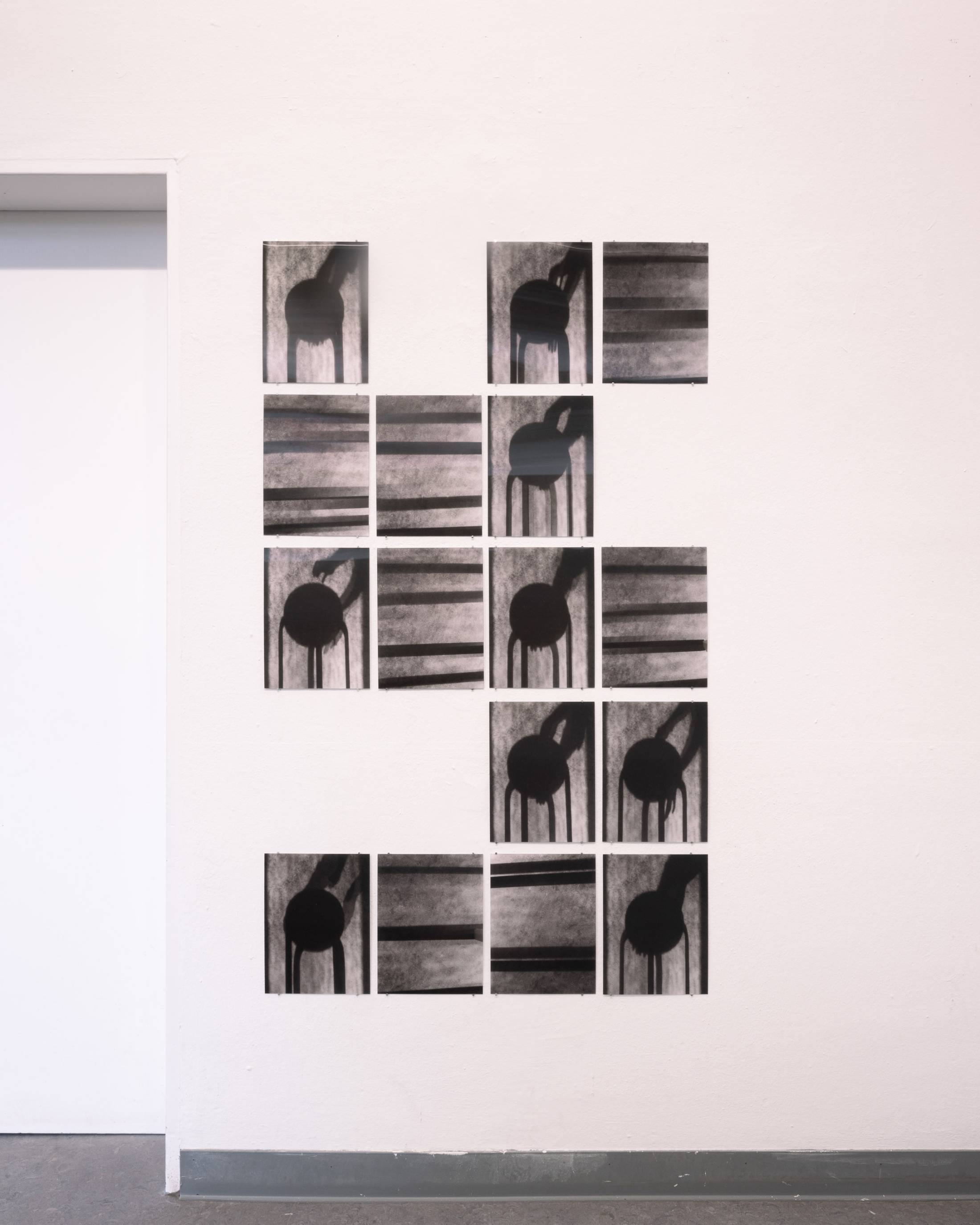
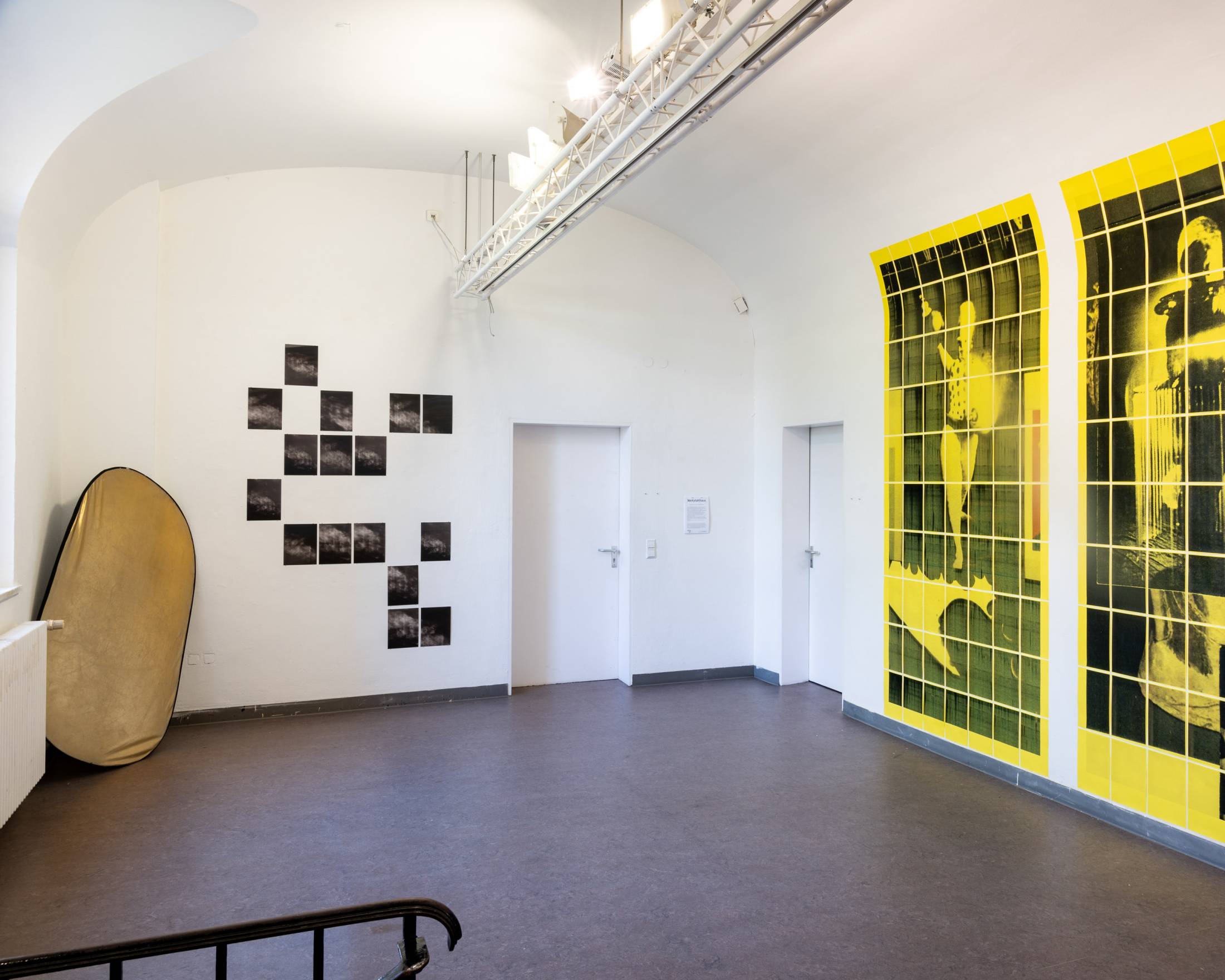
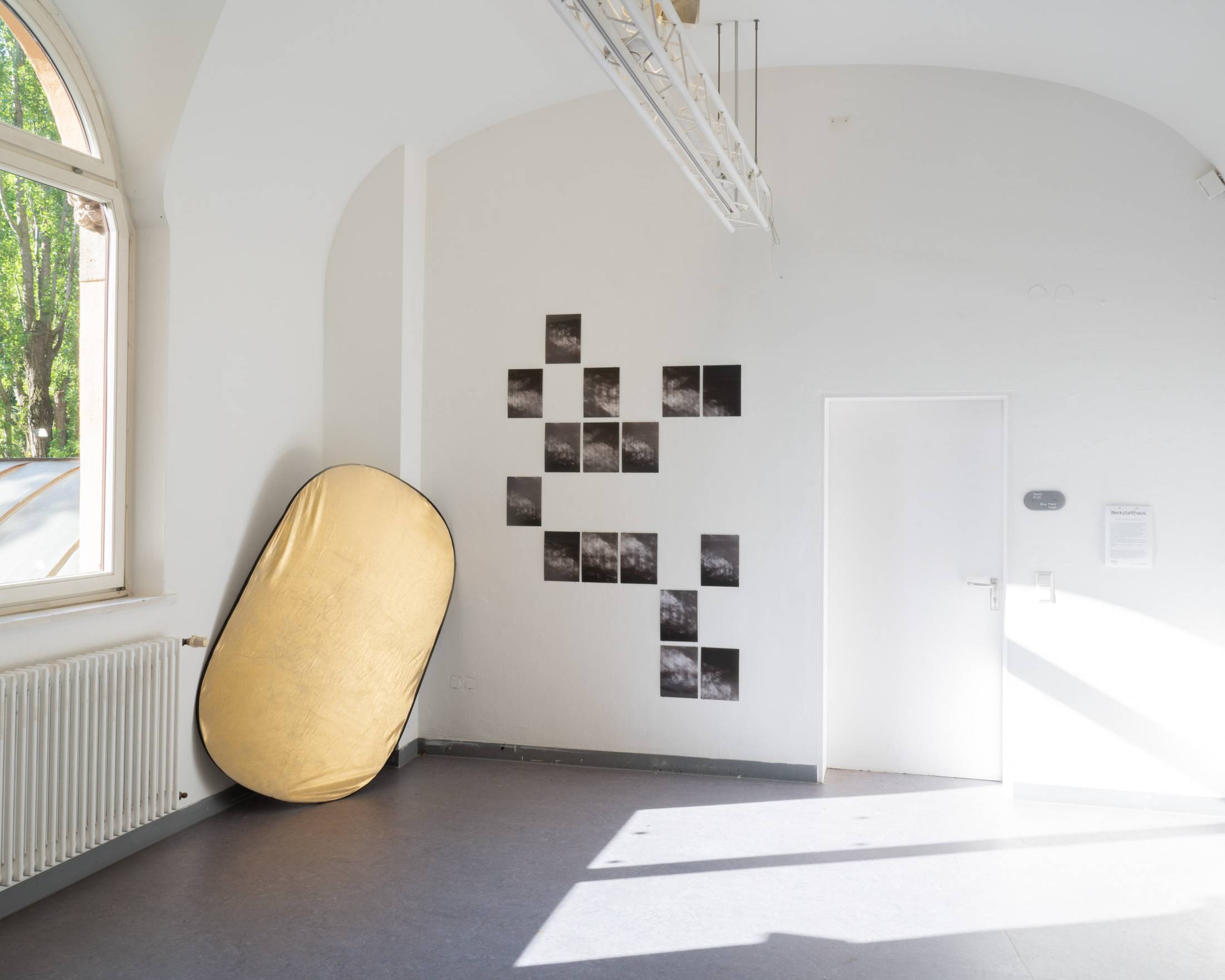
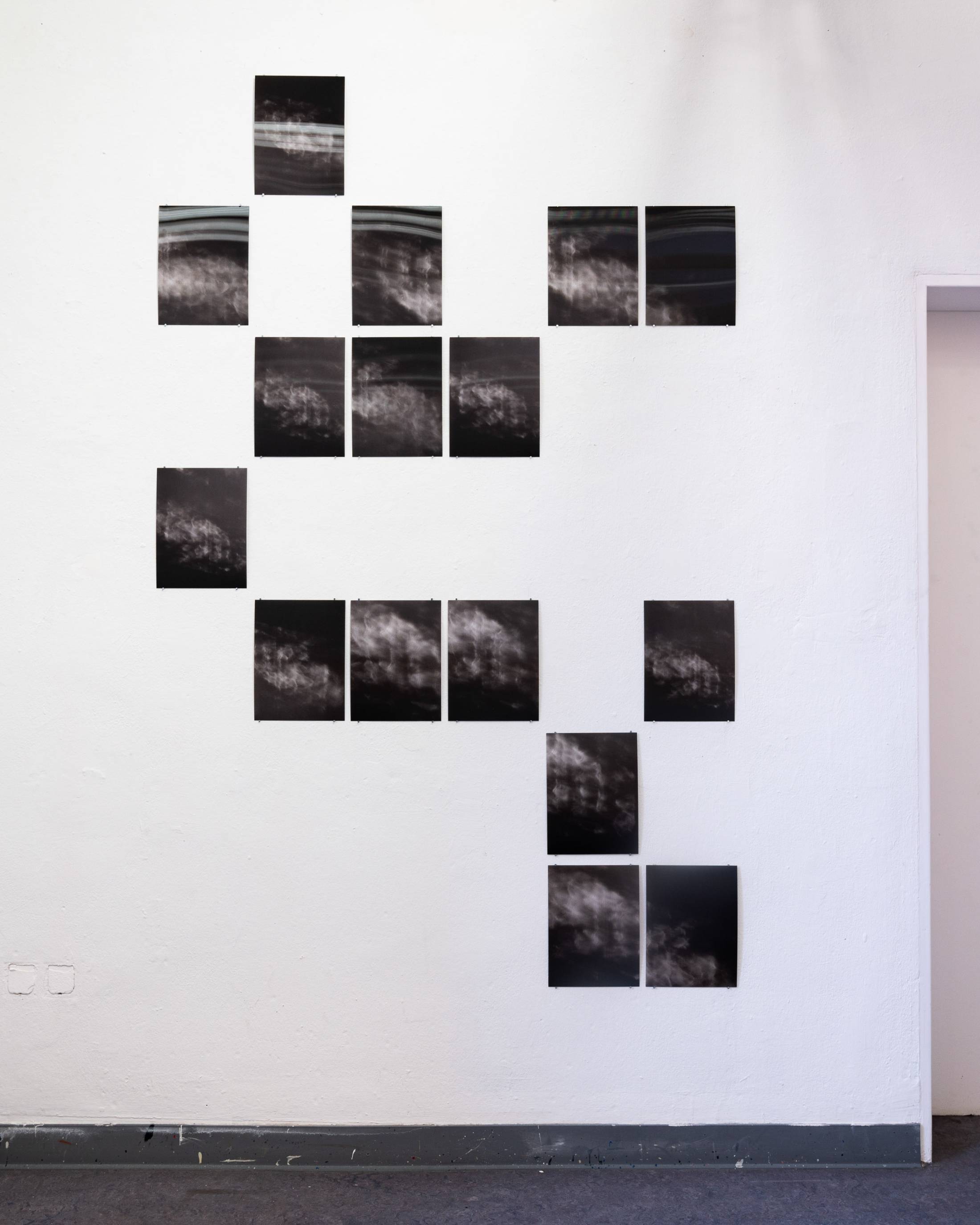
Der dunkle, der wunde, der springende Punkt at Werkstatthaus Stuttgart, 2024 Photo: Werkstatthaus, Joachim Bøgedal
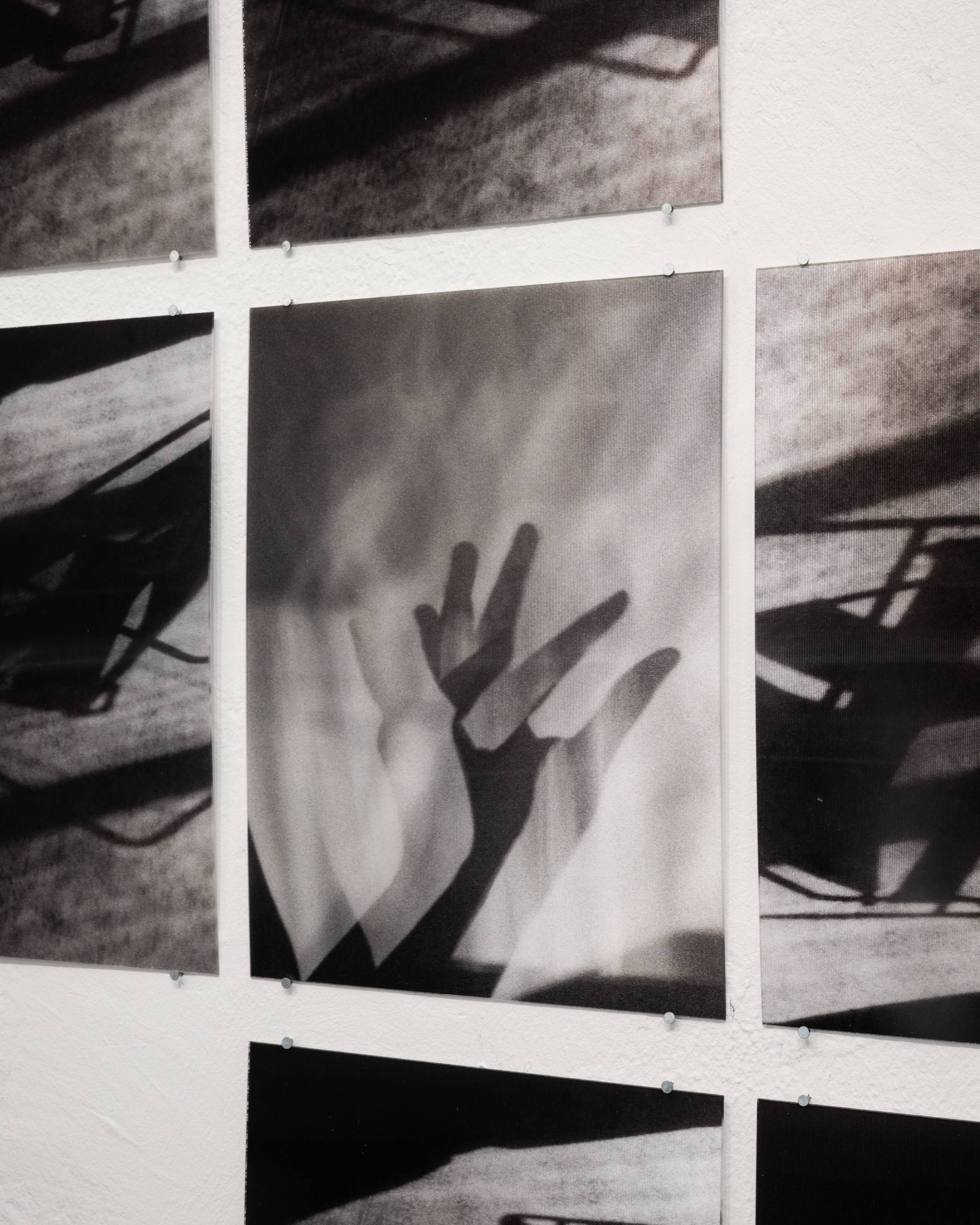
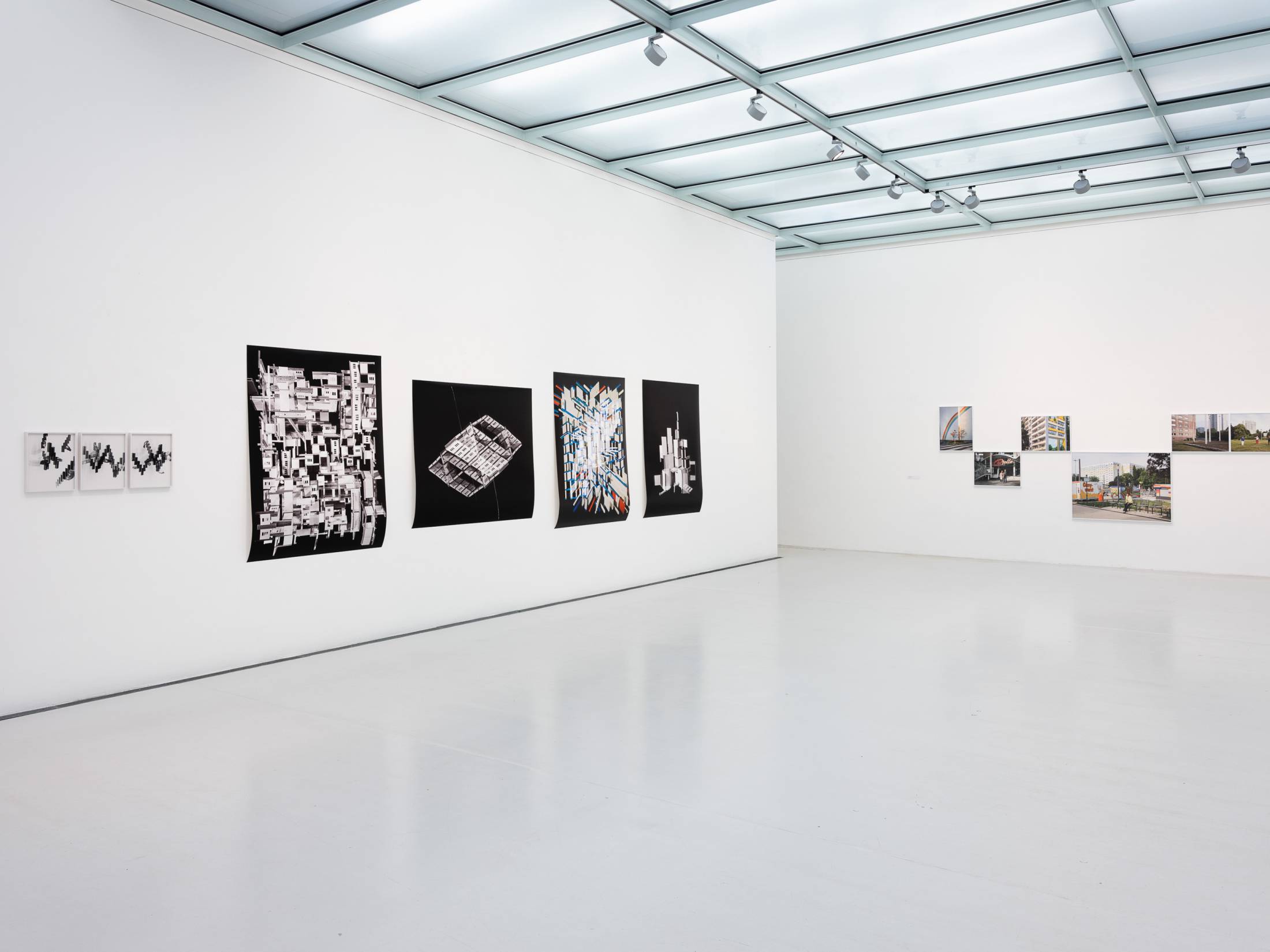
Erbgericht at tagesschau, with Katja Aufleger, Andrea Grützner, Felix Haberkon, Sven Johne, Sebastian Jung, Eric Meier, Ostmar Osten, curated by Eric Meier, Mountains Gallery, Berlin, Germany, 2022 Photo: bq_foto
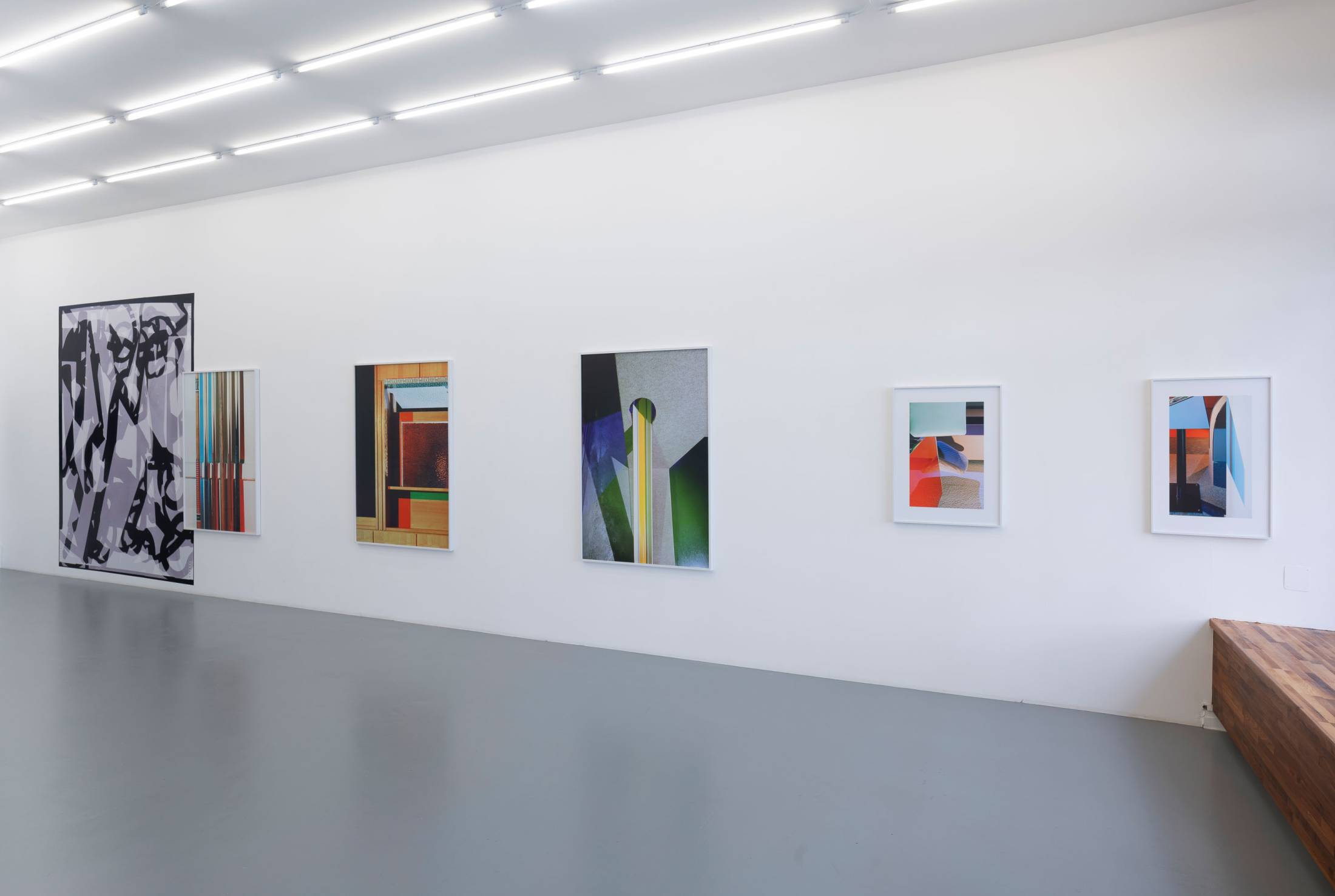
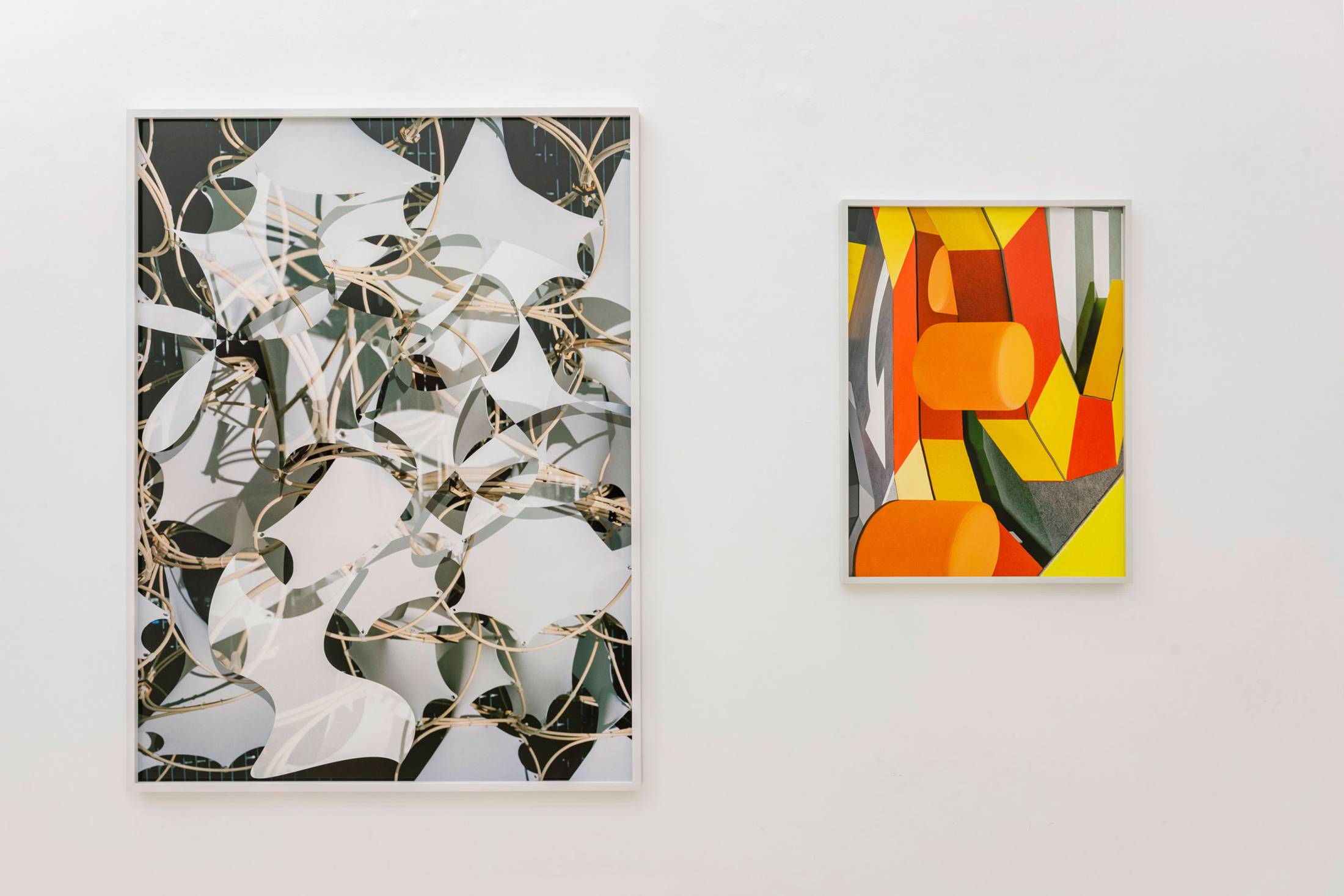
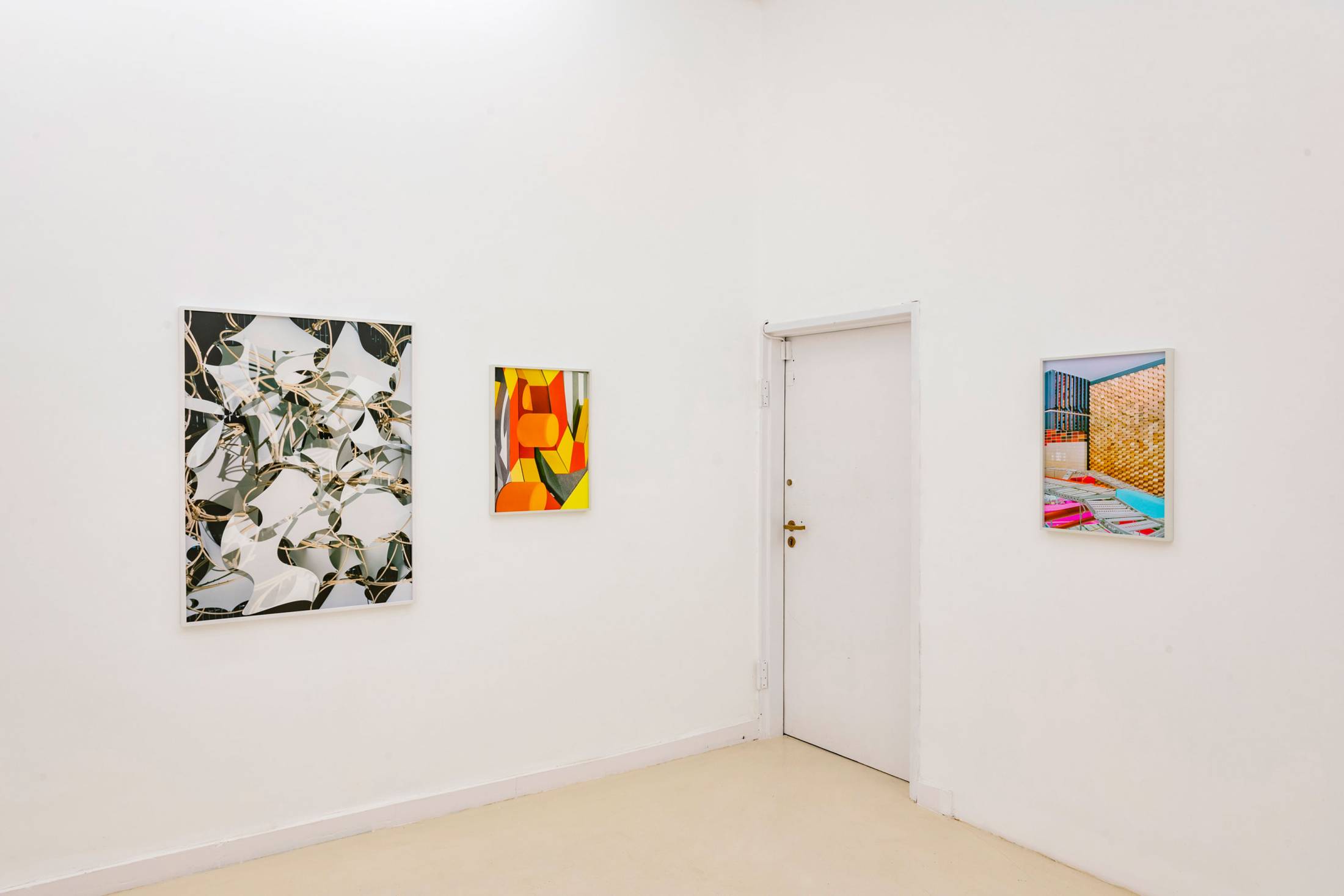
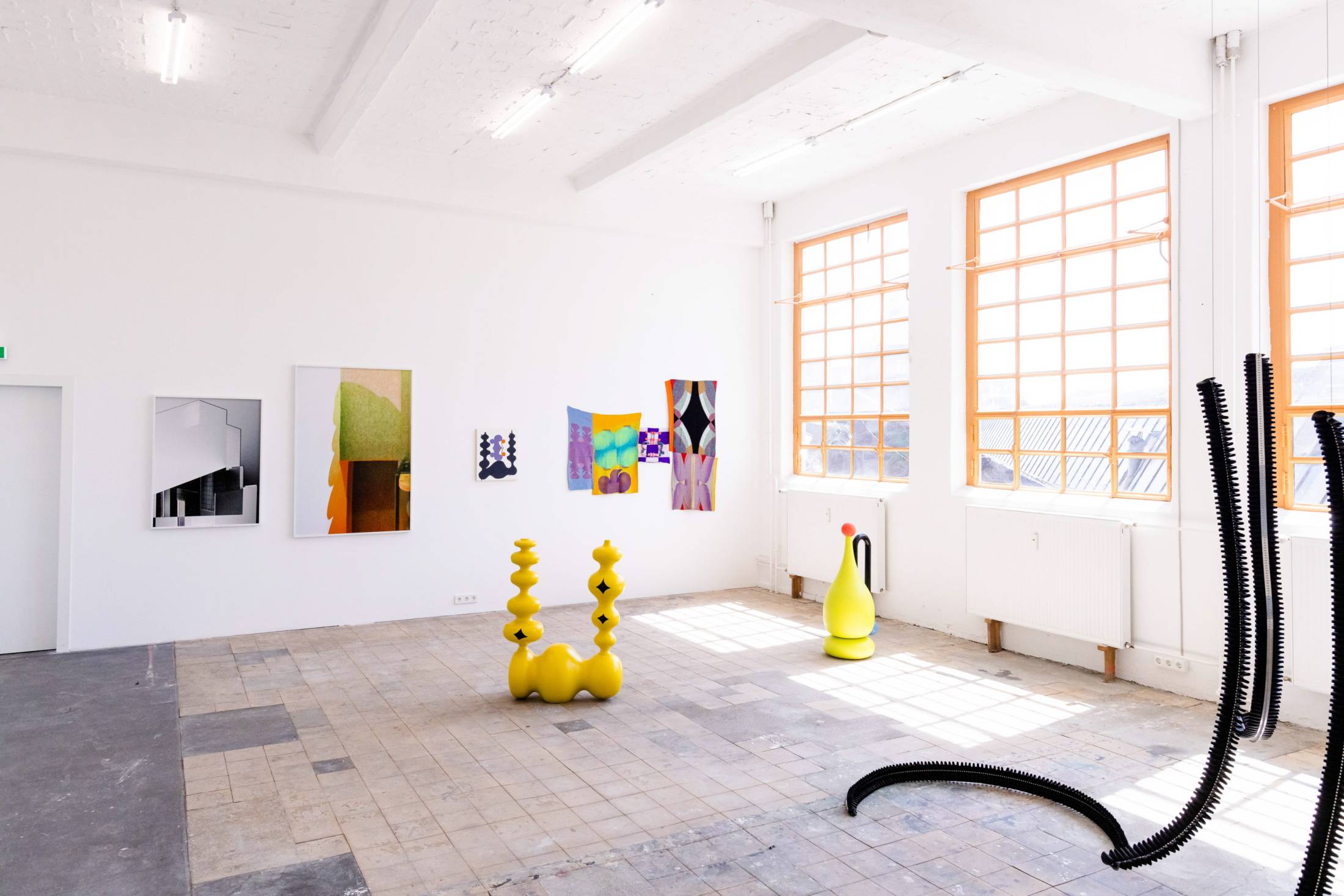
Architekton, Erbgericht, Hive at Summer Interlude, curated by Kunzten, am Flutgraben e.V., Berlin, 2023 Photo: kunzten
Architekton, Erbgericht, Hive at Summer Interlude, curated by Kunzten, am Flutgraben e.V., Berlin, 2023 together with works by Maja Behrmann

Photo: kunzten
Architekton, Erbgericht, Hive at Summer Interlude, curated by Kunzten, am Flutgraben e.V., Berlin, 2023 Photo: kunzten
Architekton, Erbgericht, Hive at Summer Interlude, curated by Kunzten, am Flutgraben e.V., Berlin, 2023 together with works by Maja Behrmann and Beth Hughes

Photo: kunzten
Architekton, Erbgericht, Hive at Summer Interlude, curated by Kunzten, am Flutgraben e.V., Berlin, 2023 together with works by Beth Hughes

Photo: kunzten
Architekton, Erbgericht, Hive at Summer Interlude, curated by Kunzten, am Flutgraben e.V., Berlin, 2023 Photo: kunzten
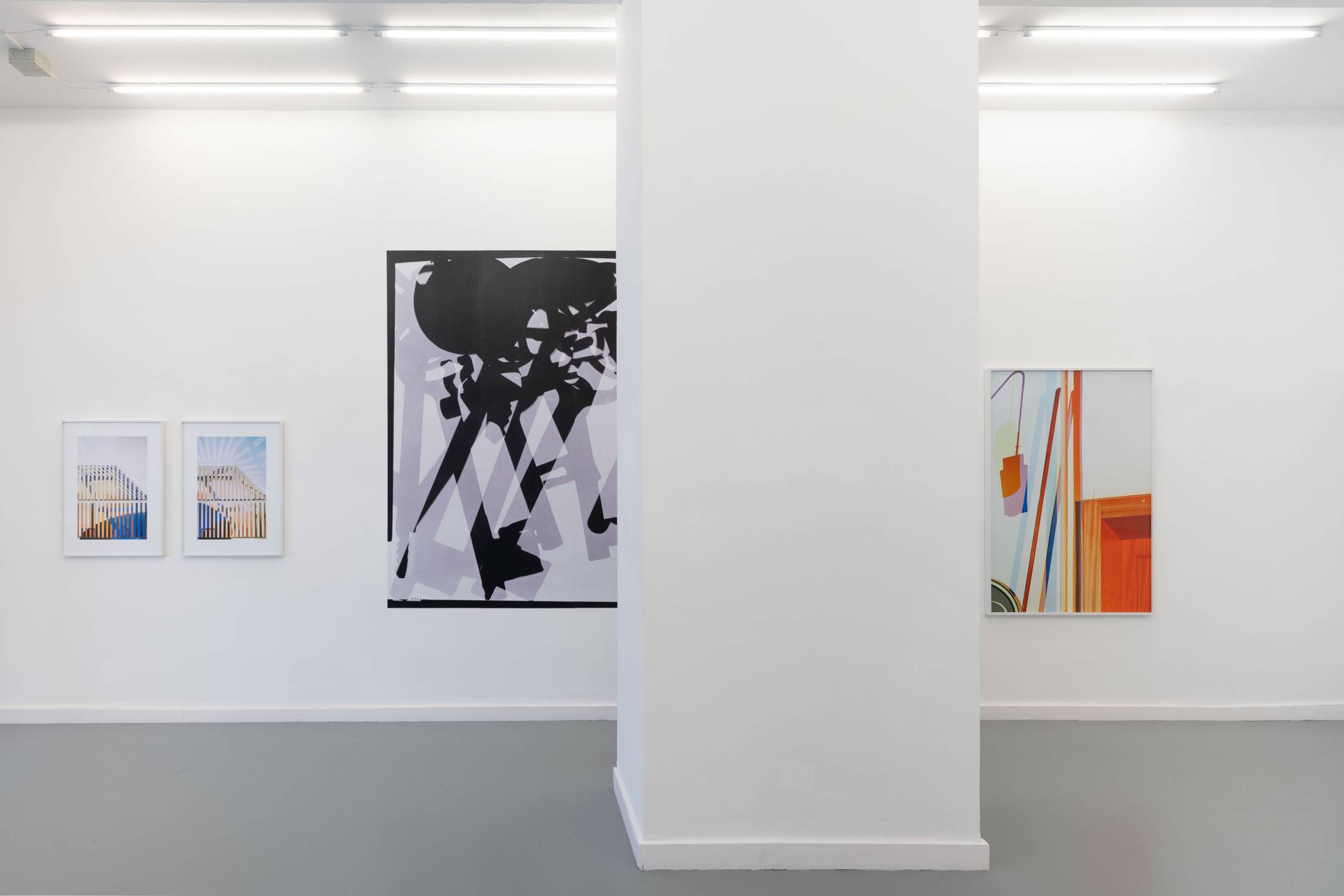
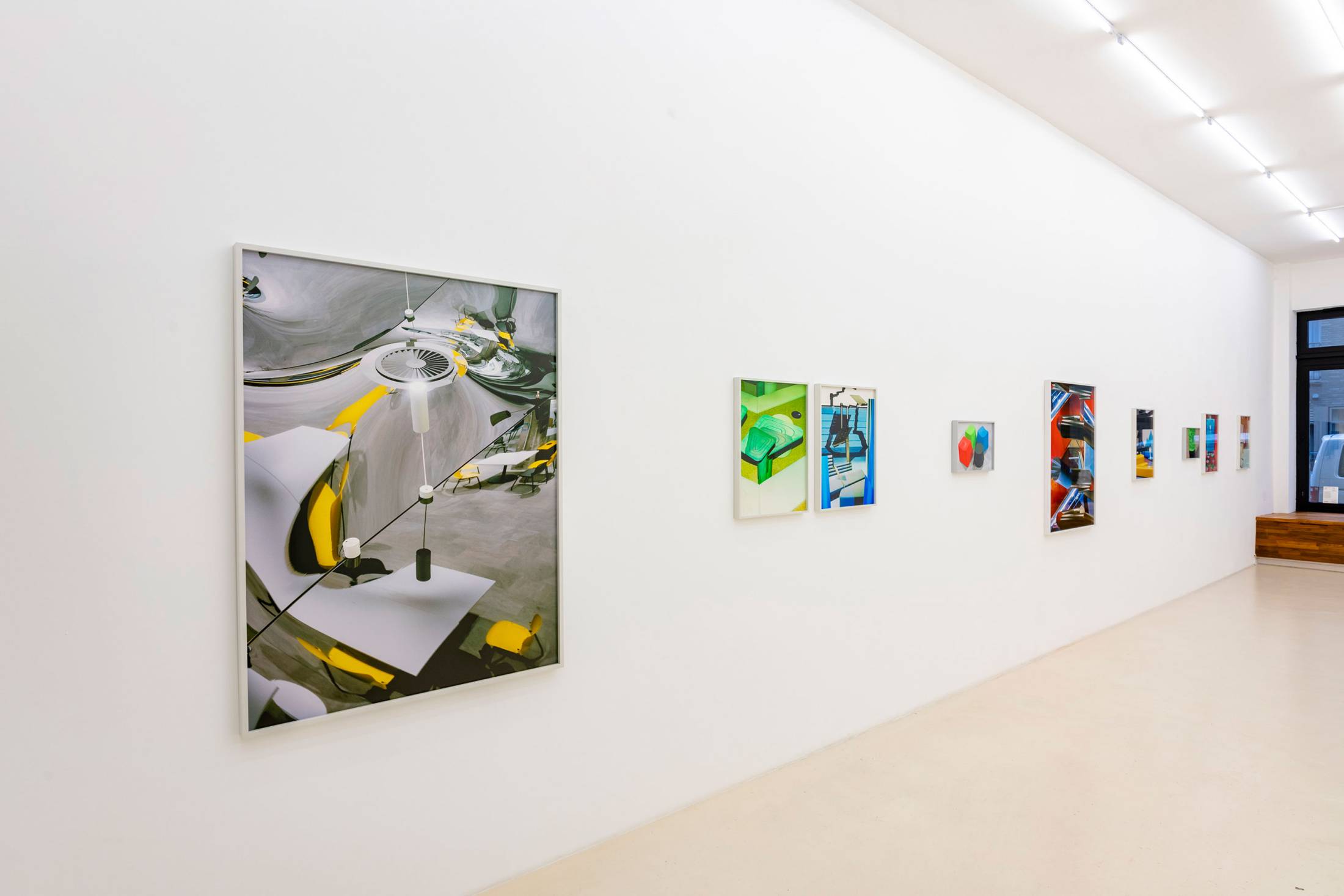
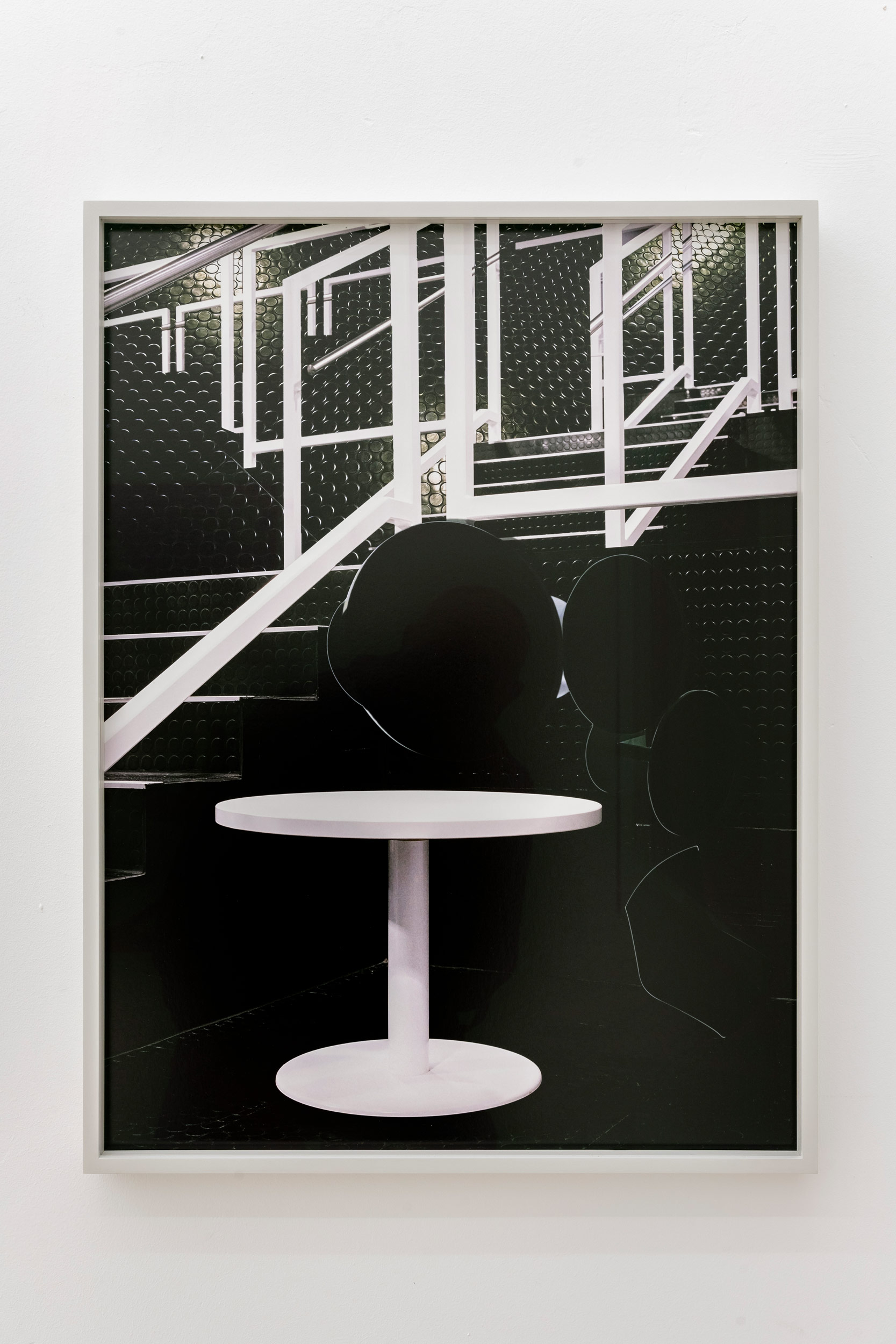
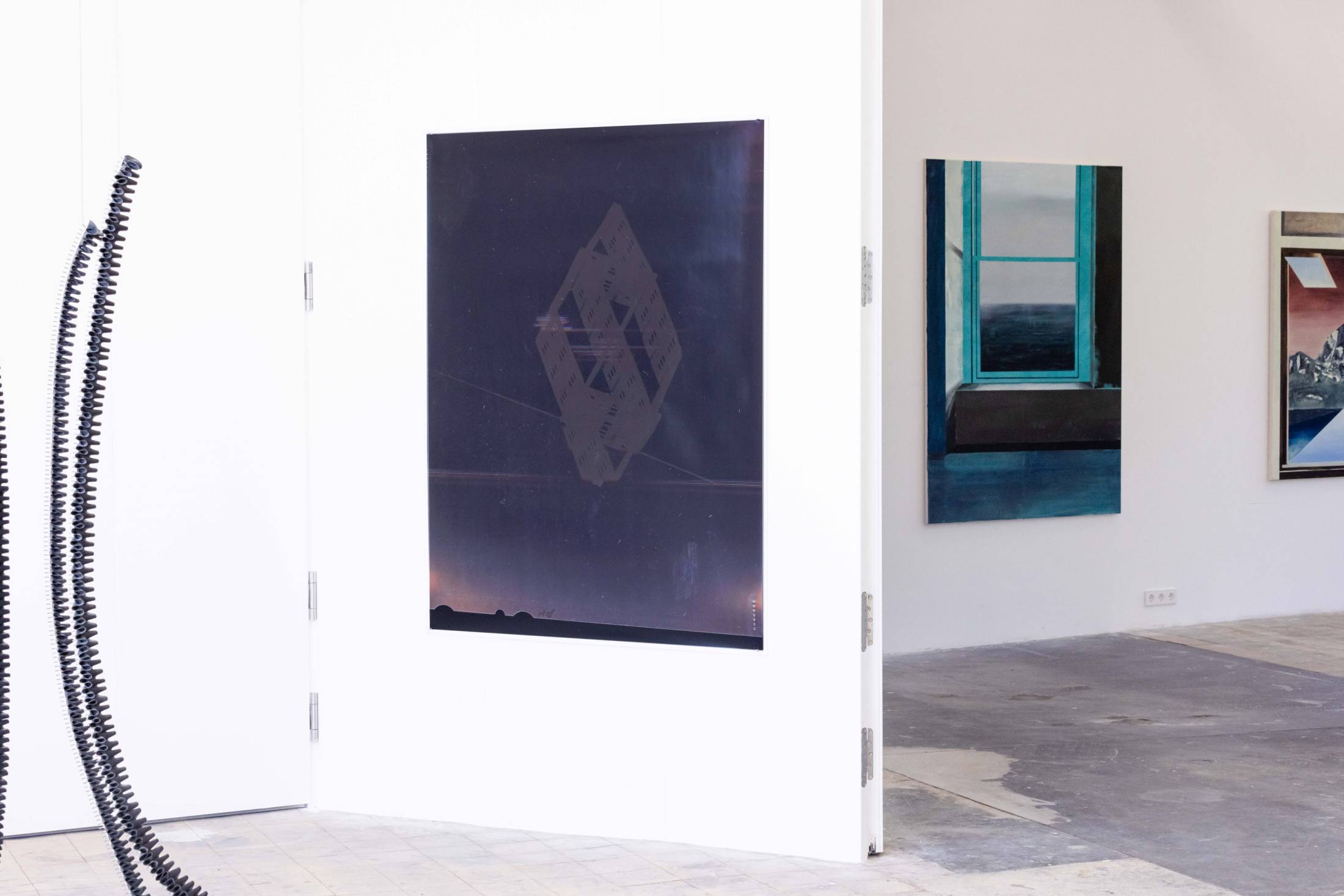
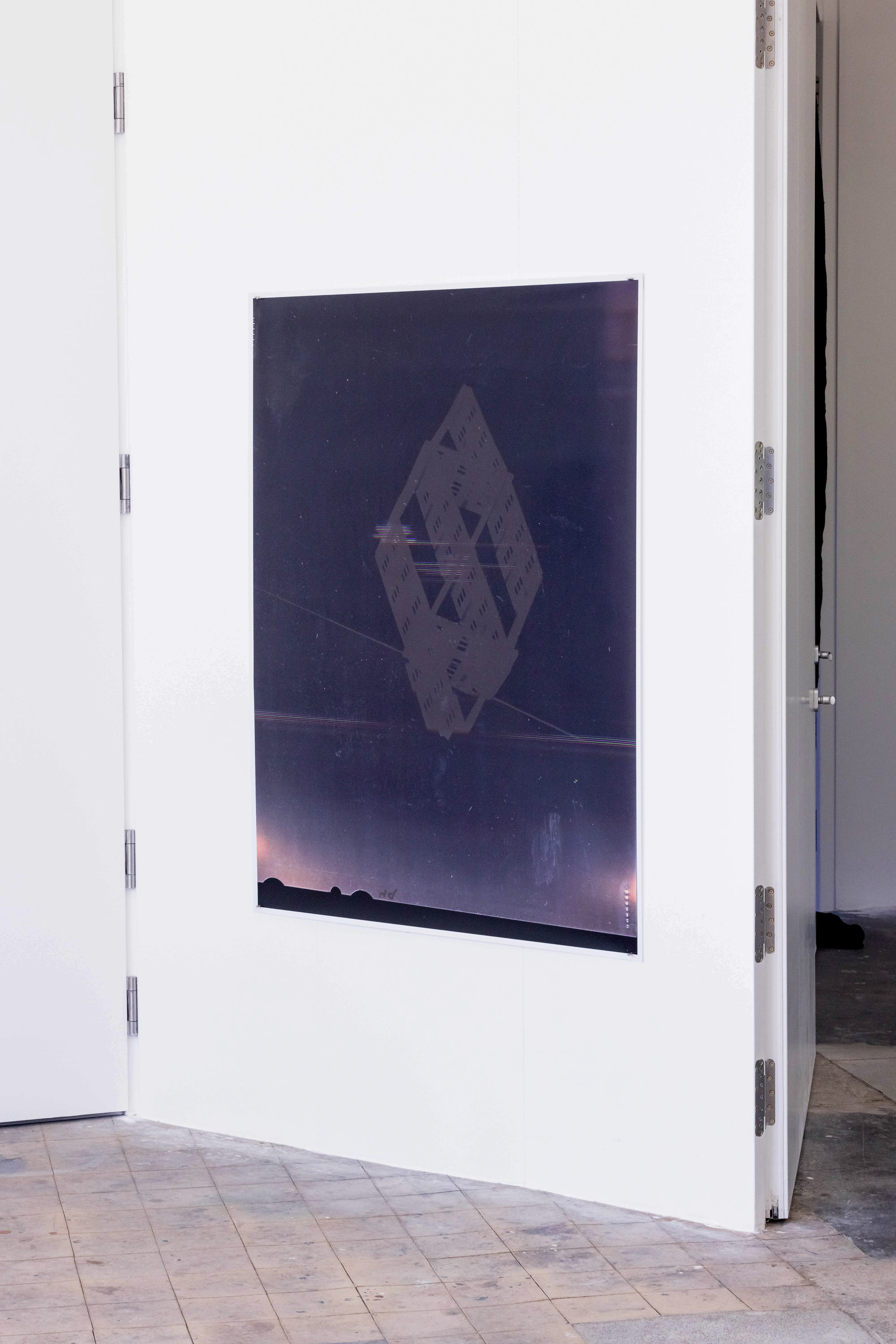
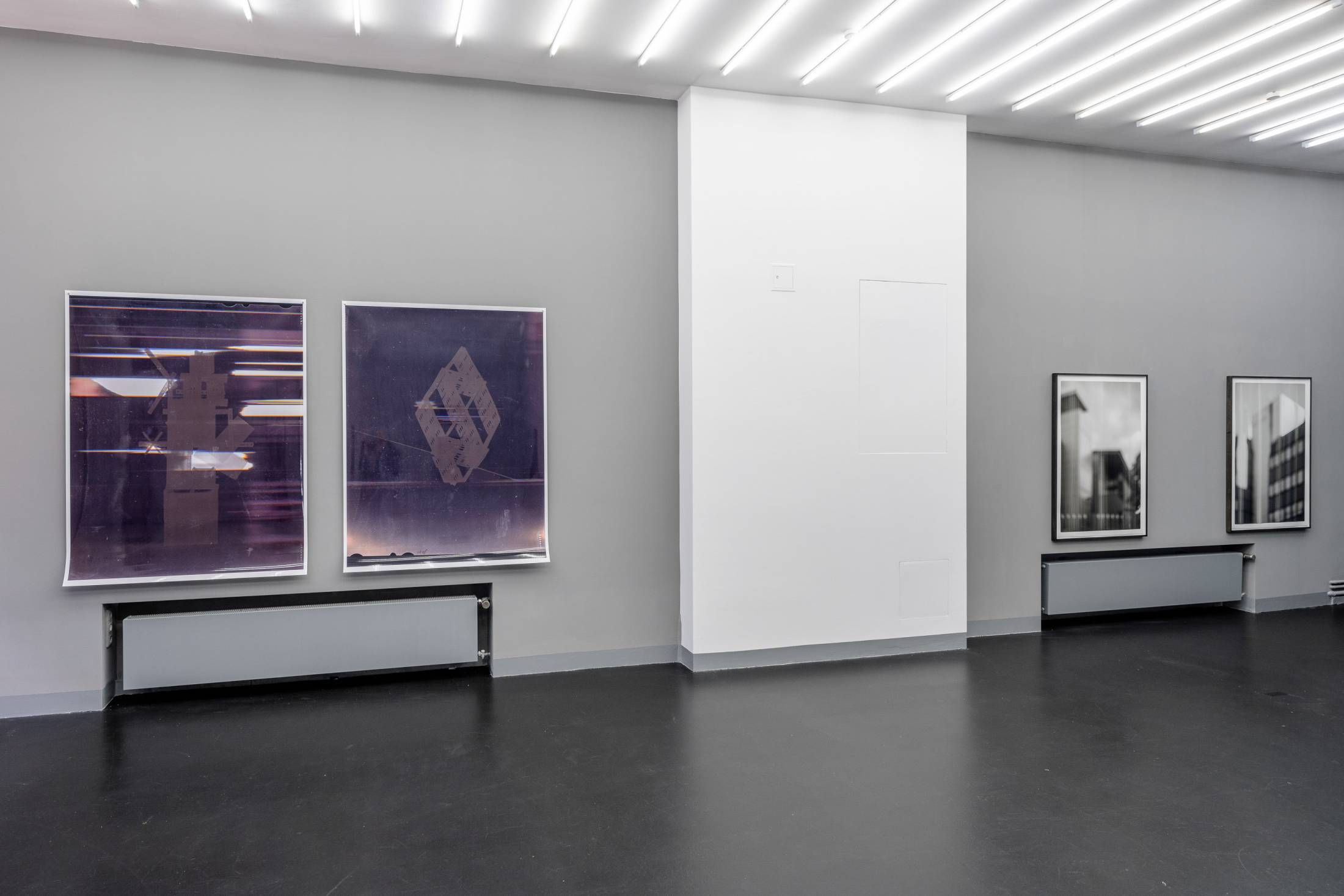
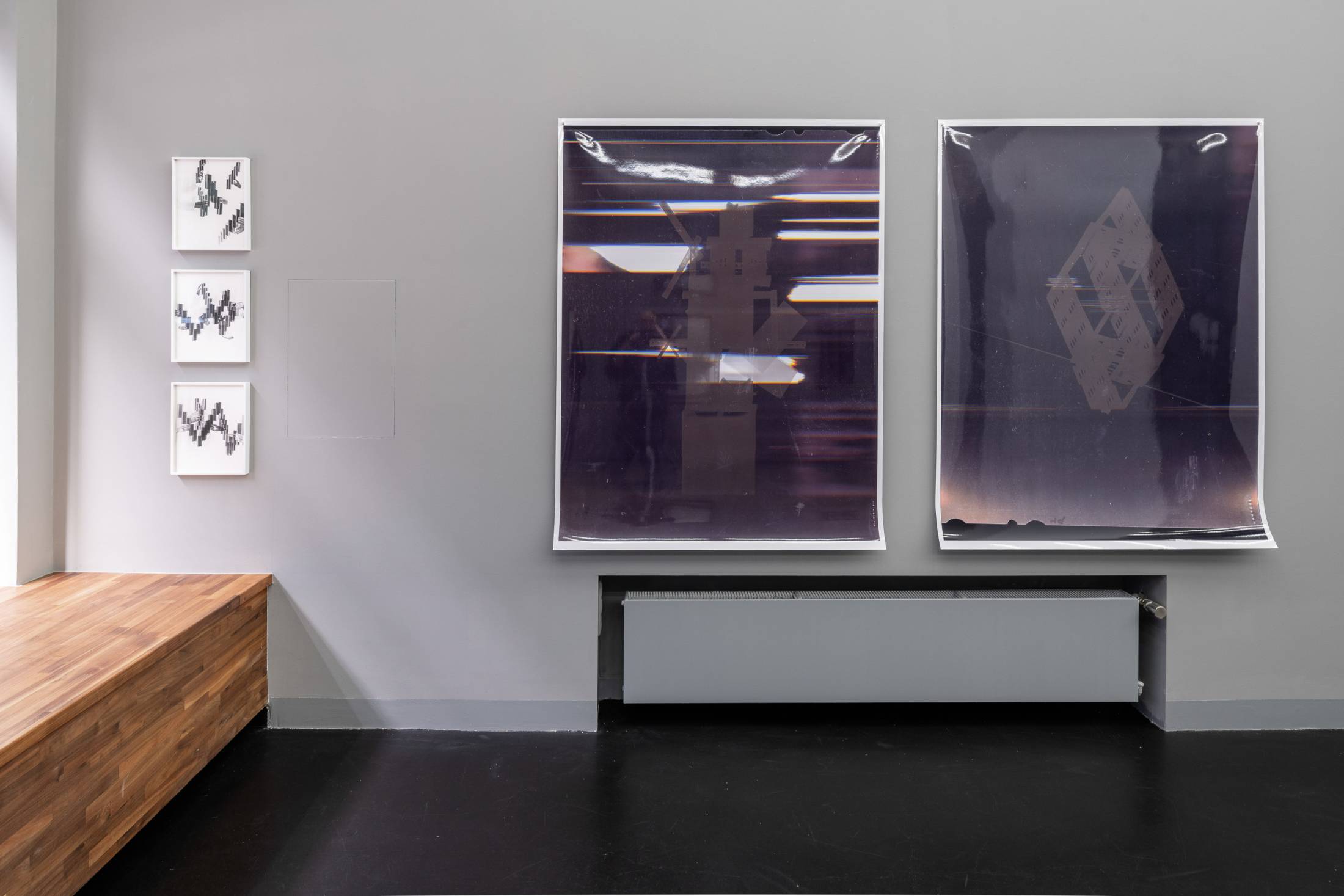
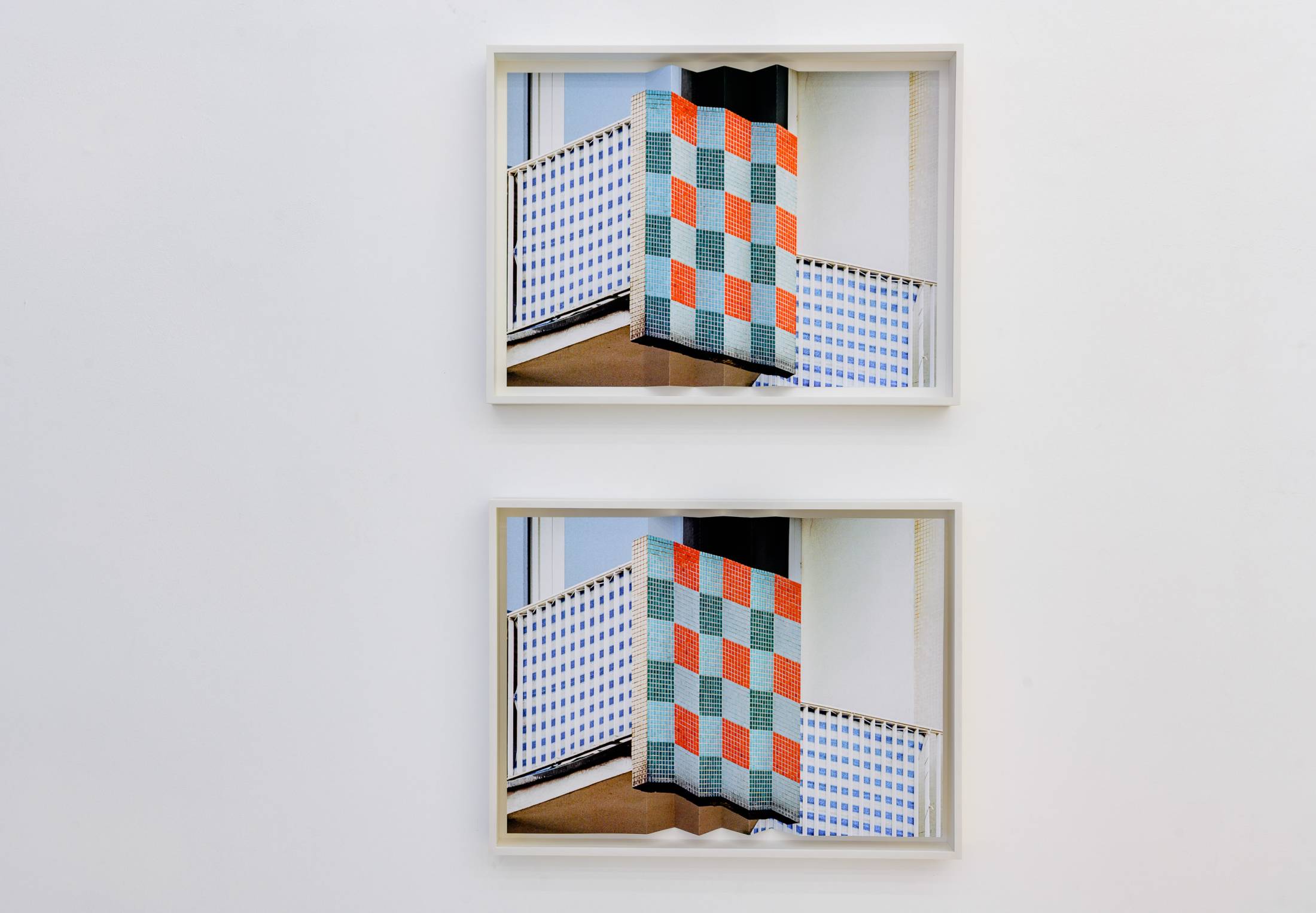
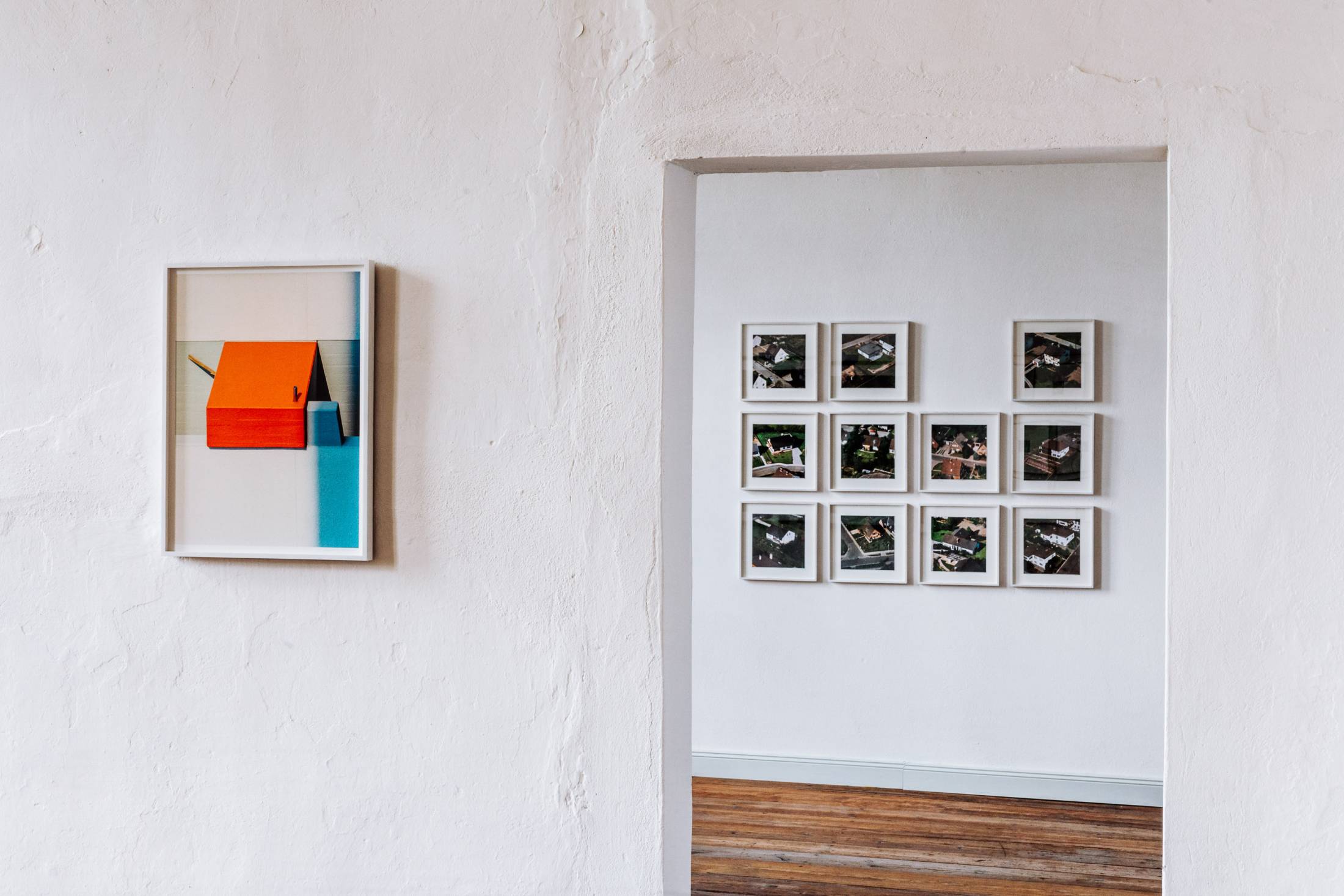
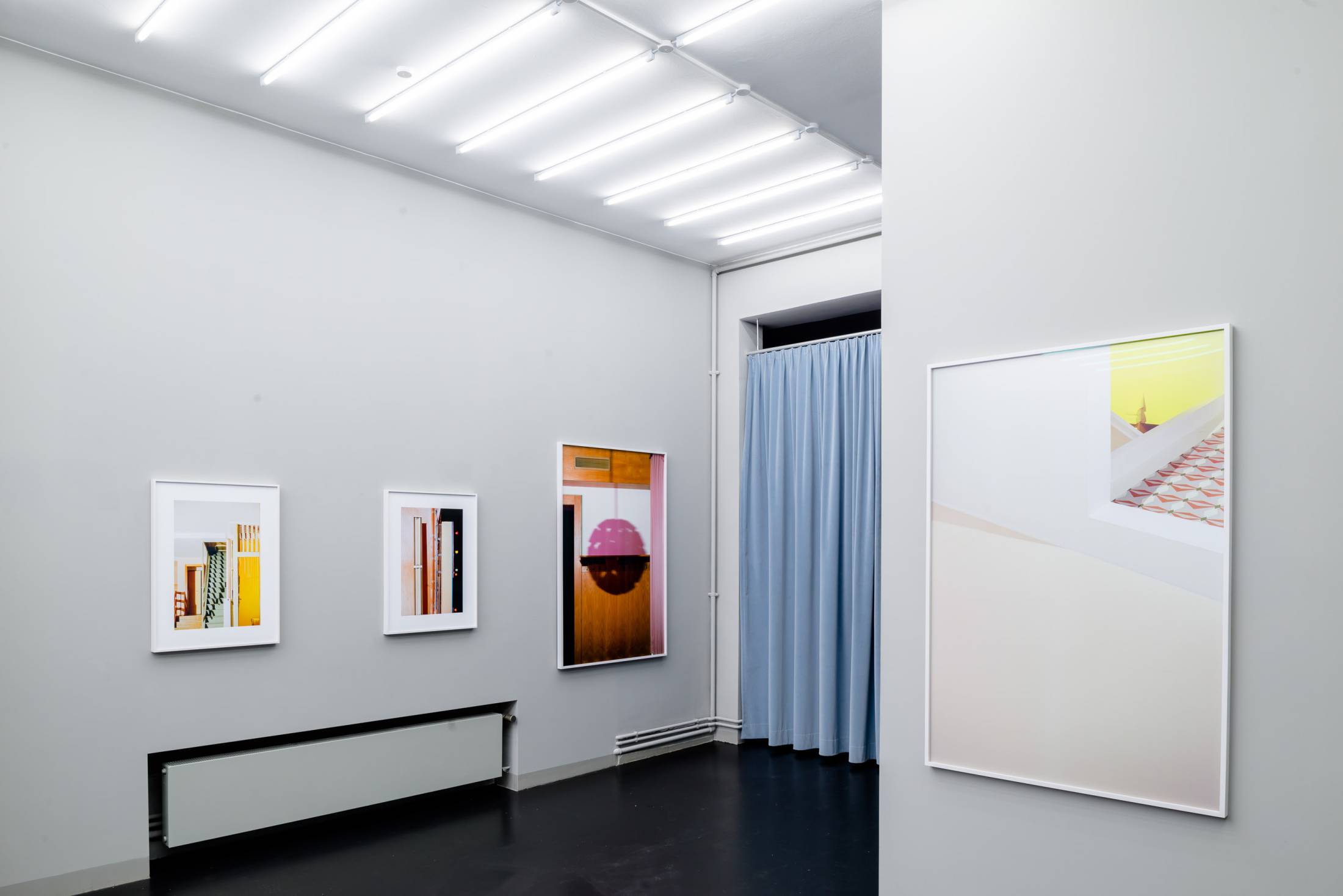
Architekton at veil and sail, Galerie Rundgaenger, Frankfurt/Main, 2024 »veil and sail« , Galerie Rundgaenger, Frankfurt/Main, 2024. With works by Andrea Grützner, Almut Hilf and Sinta Werner

Photo: Frank Blümler
Architekton at veil and sail, Galerie Rundgaenger, Frankfurt/Main, 2024 Photo: Frank Blümler
Read more
Read less

Rundgænger is delighted to present the exhibition veil and sail. For this show, photo artist ANDREA GRÜTZNER (*1984) has invited two fellow artists with whom she shares a conceptual affinity. ALMUT HILF (*1980) and SINTA WERNER (*1977), like Grützner, explore the phenomenon of space in their photographic work—unfolding and refolding it in all its rich complexity. Despite their differing themes and techniques, the artists are united by a shared attitude: to conceive space as creative potential.

ANDREA GRÜTZNER

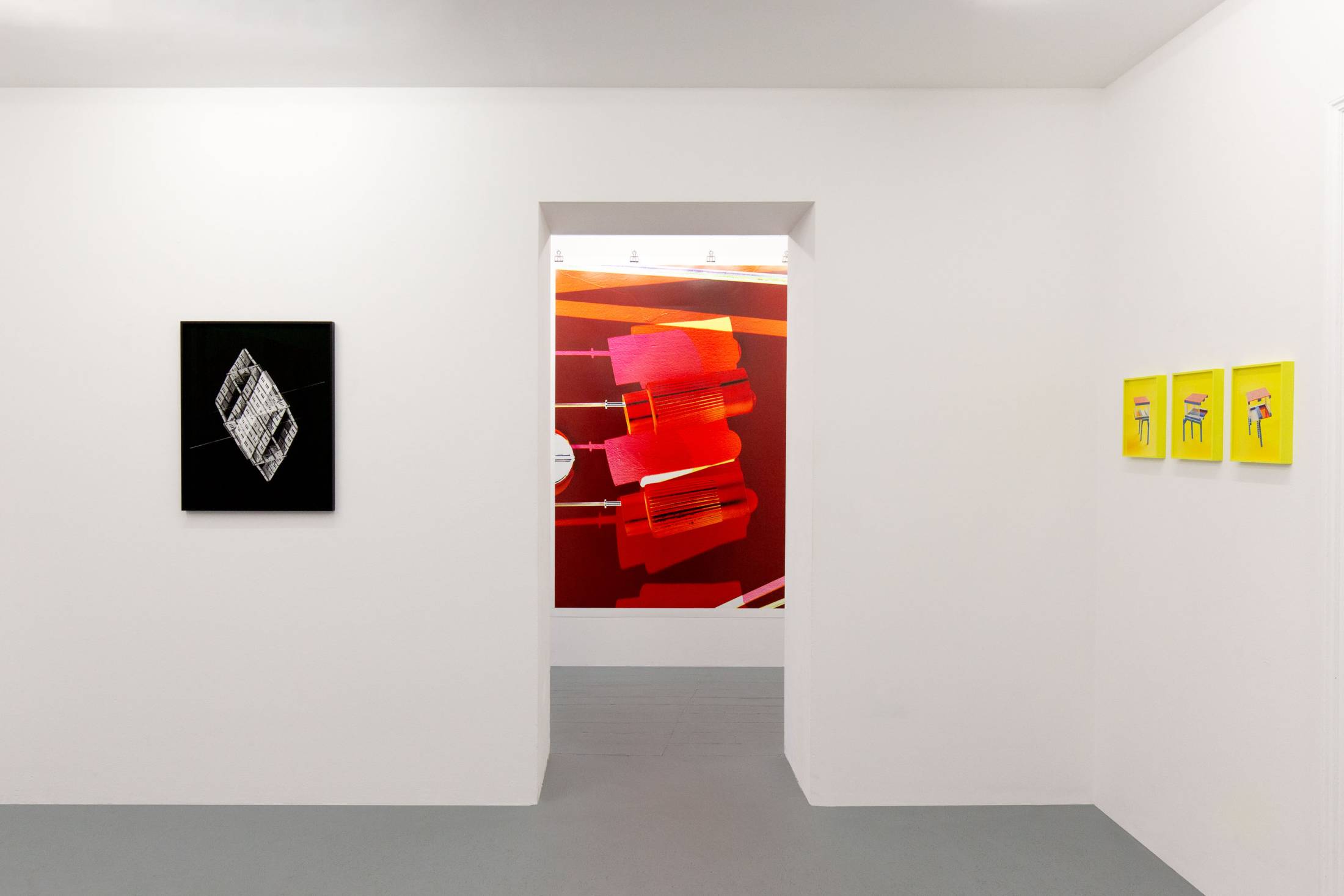
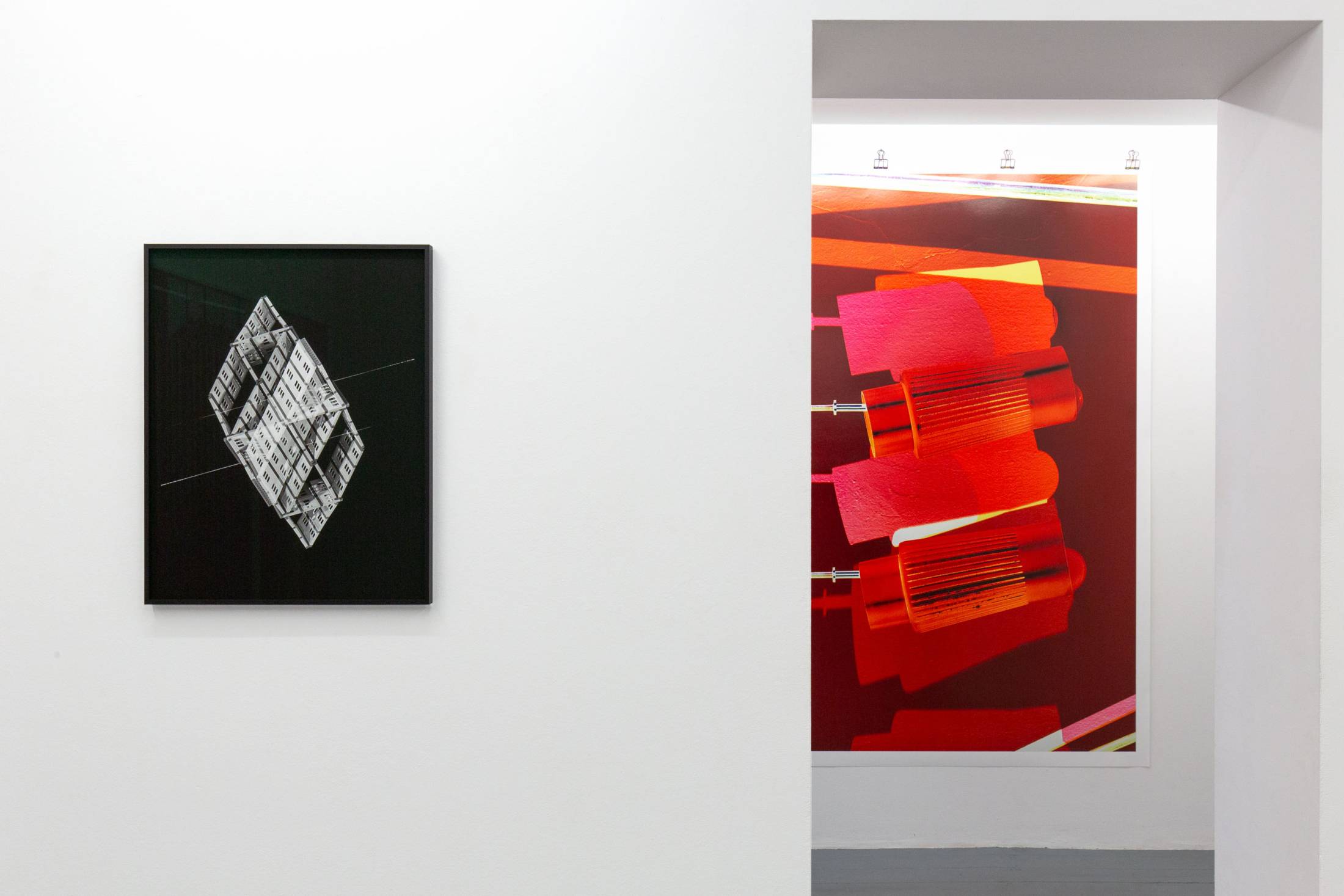
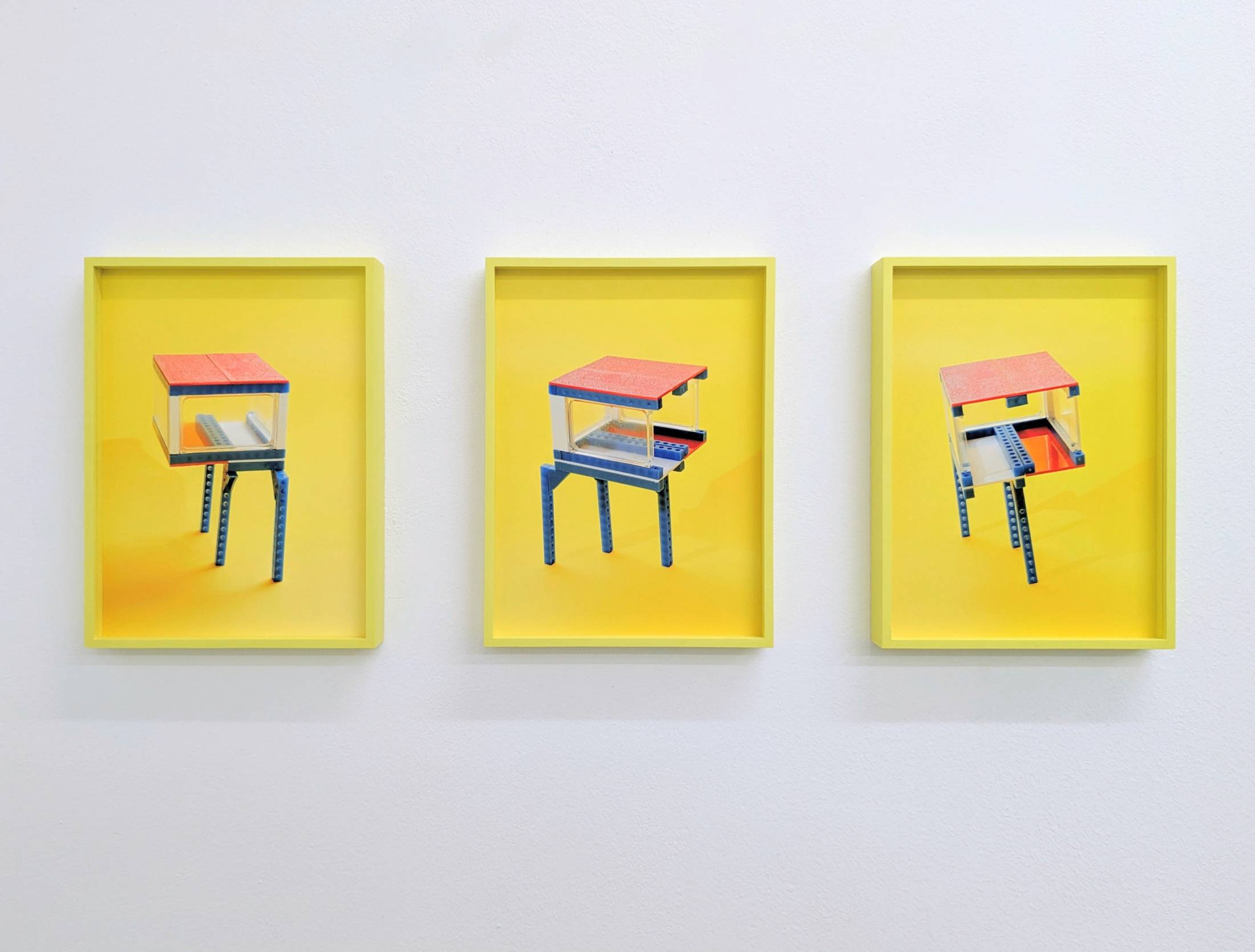
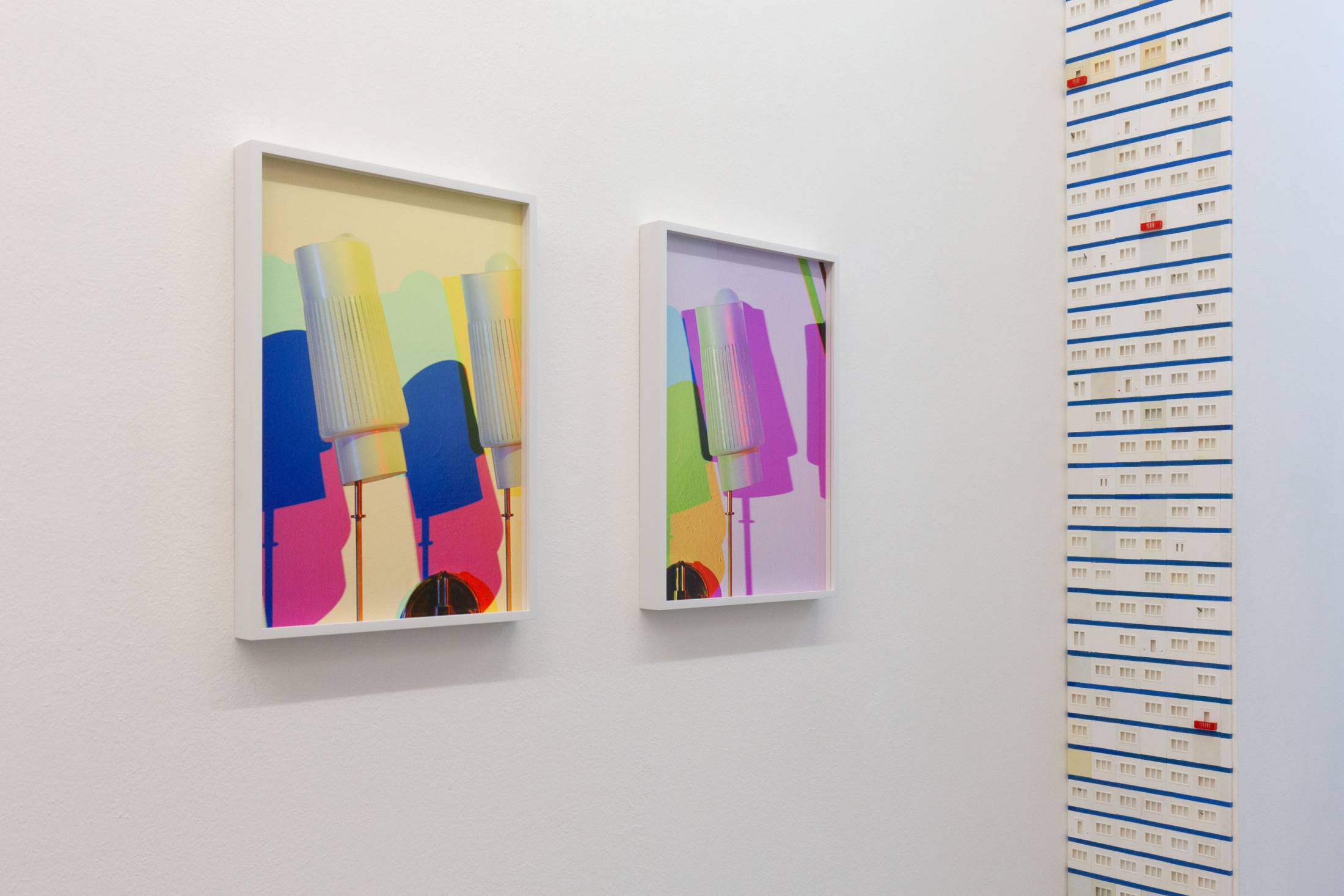
Soviet ideology permeated every sphere of life, including housing construction, where the state had clear ideas. The Der Kleine Großblockbaumeister (Little Master Builder) construction set was designed to introduce children to socialist architecture through play. Designed in the late 1950s, the set contains all the components needed to design a prefab housing estate: light-colored square panels, revolving doors, and balconies.

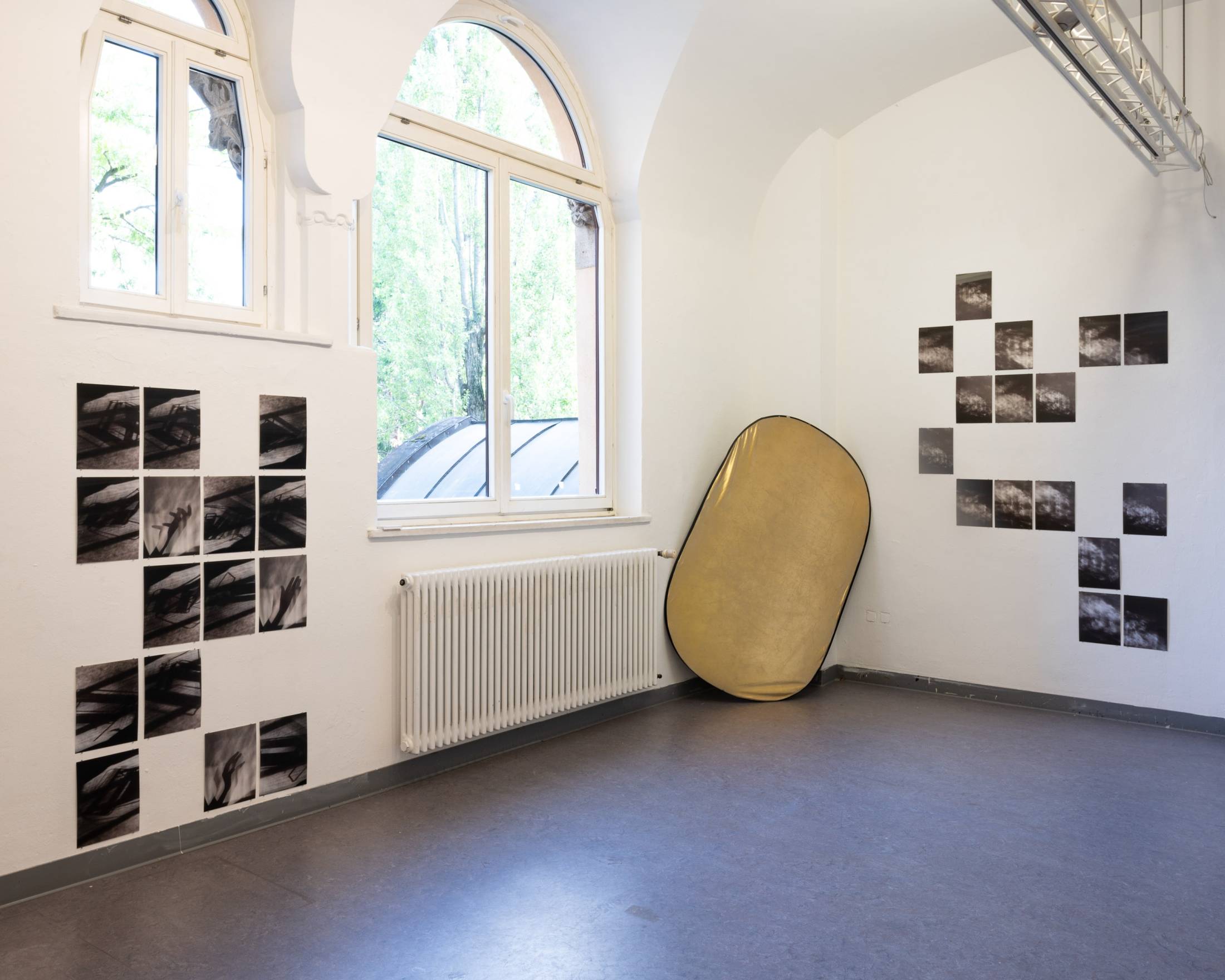
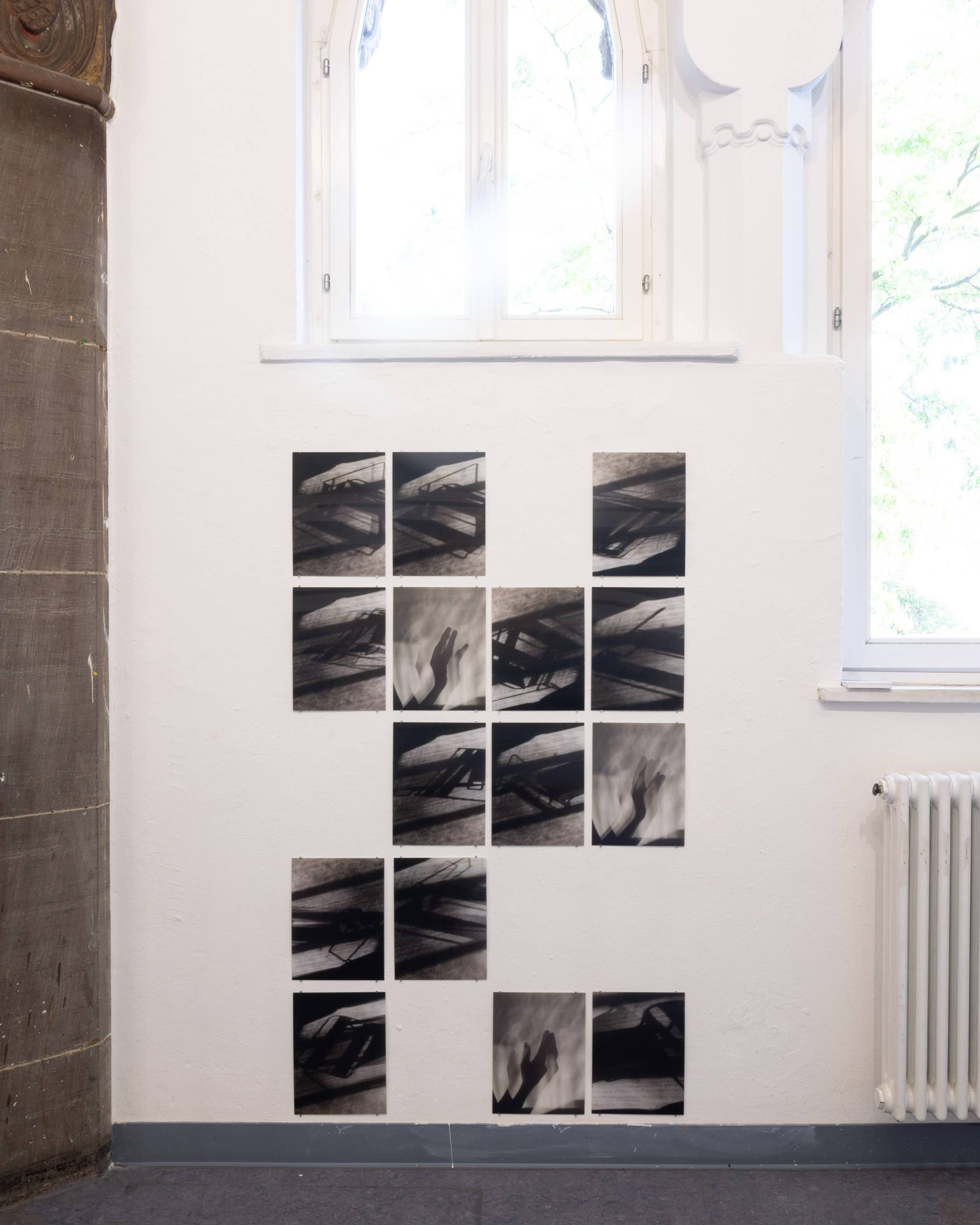
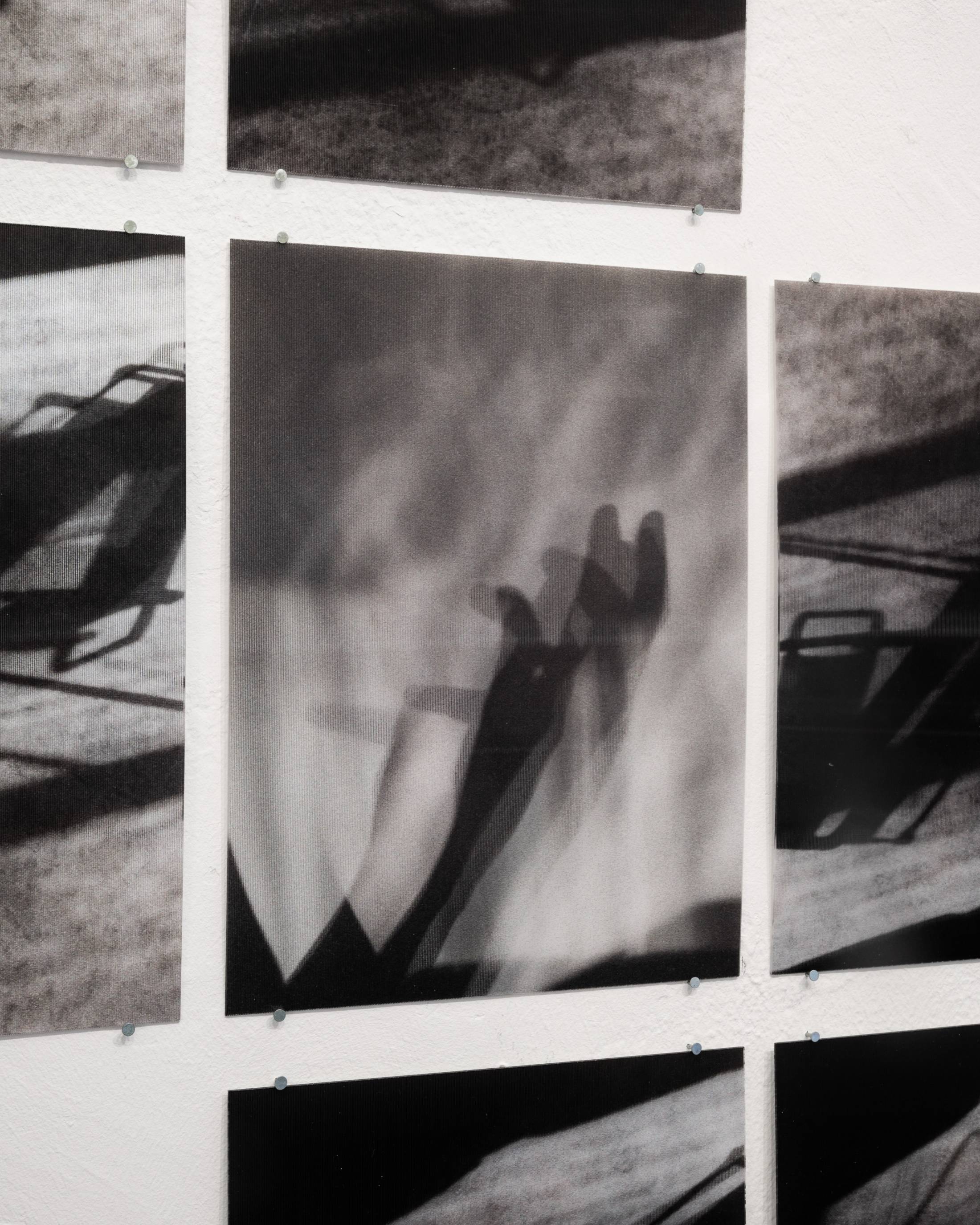
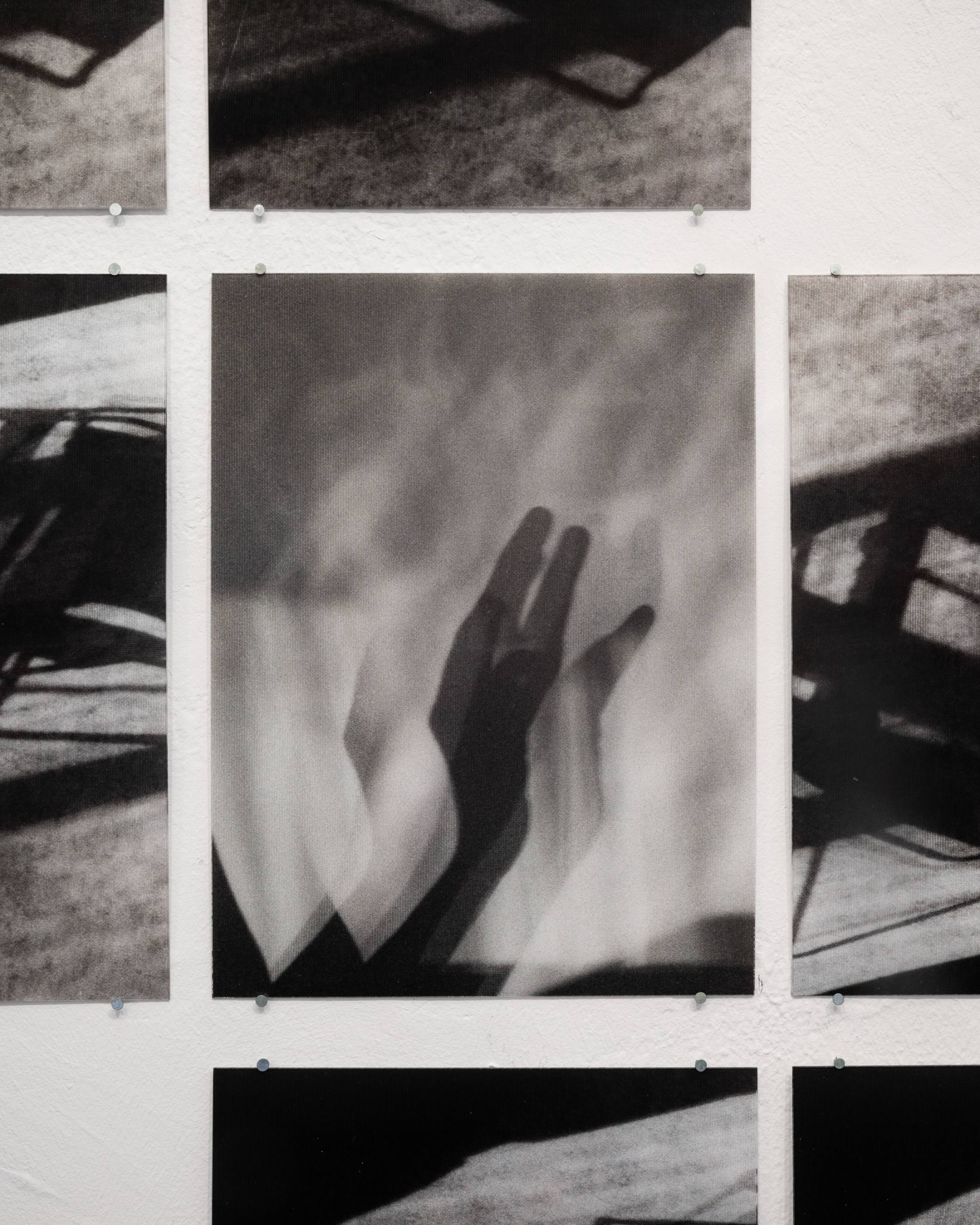
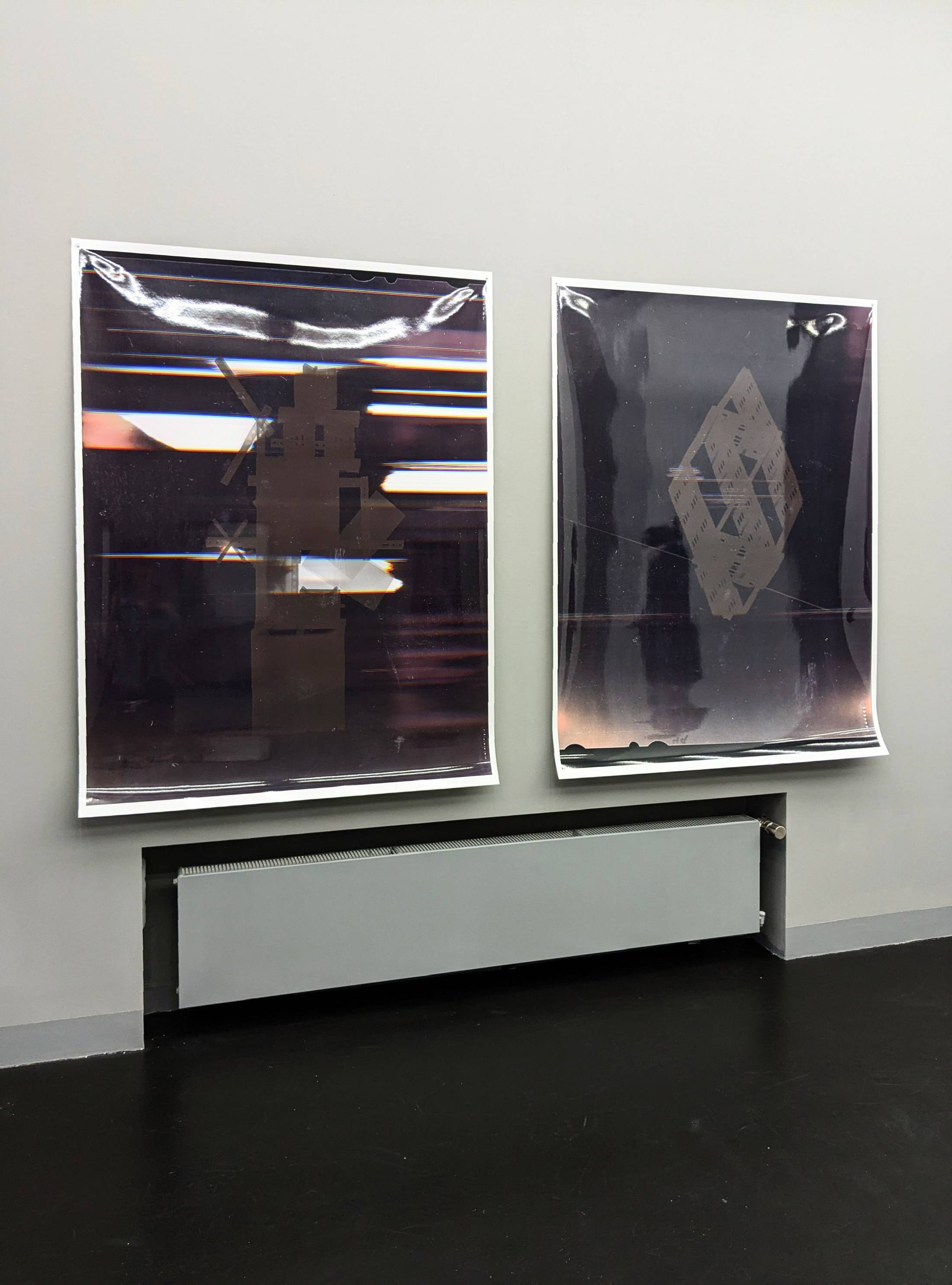
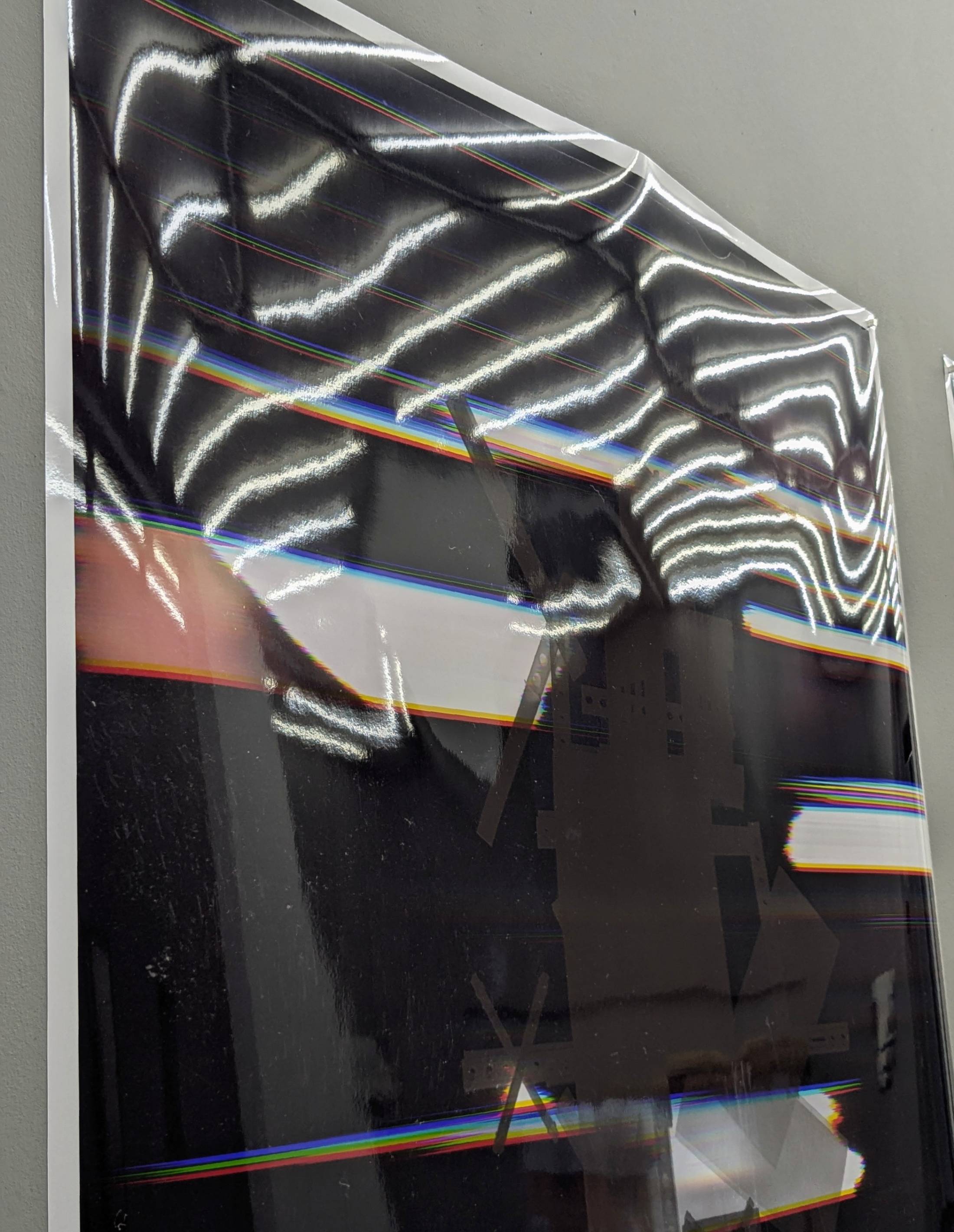
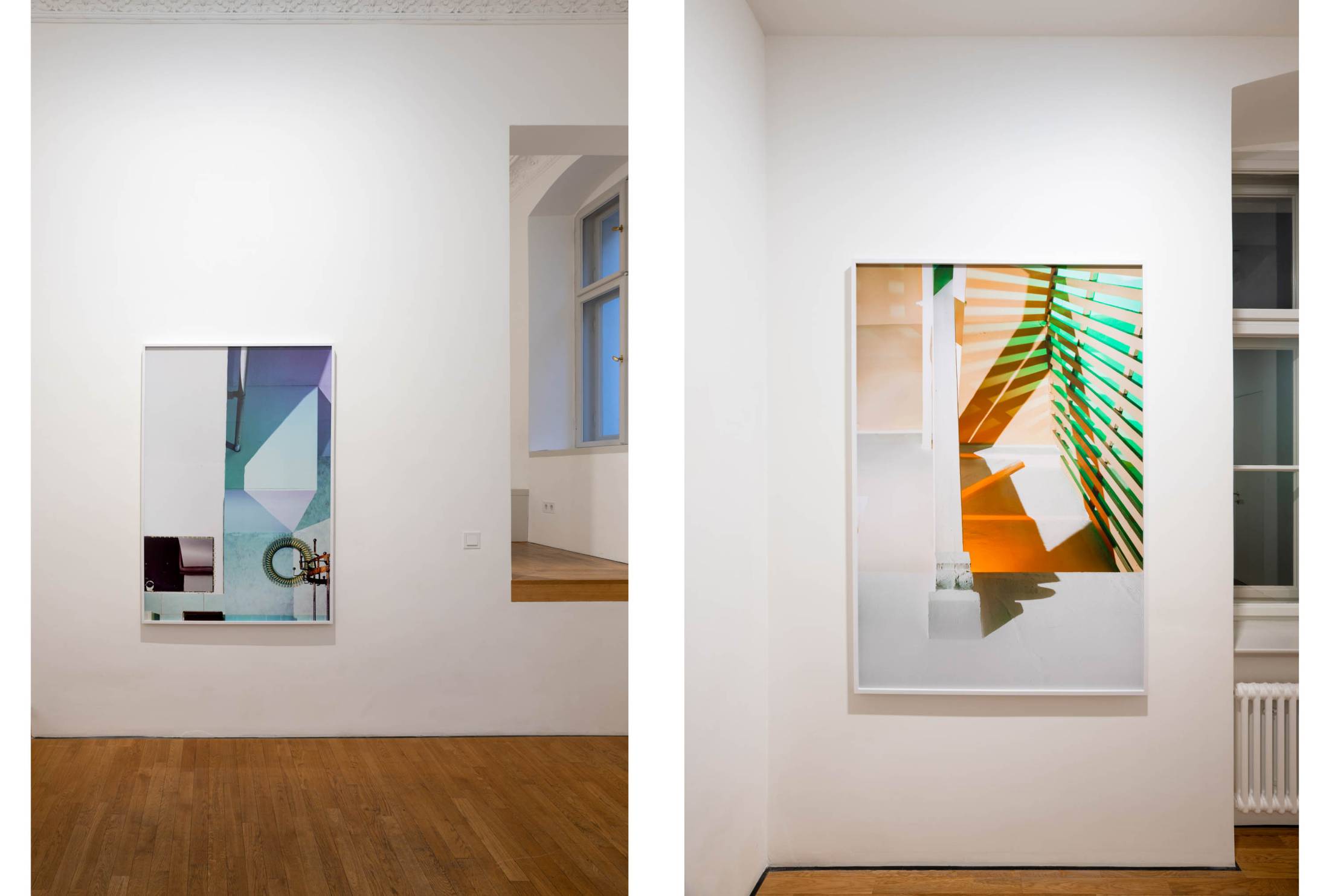
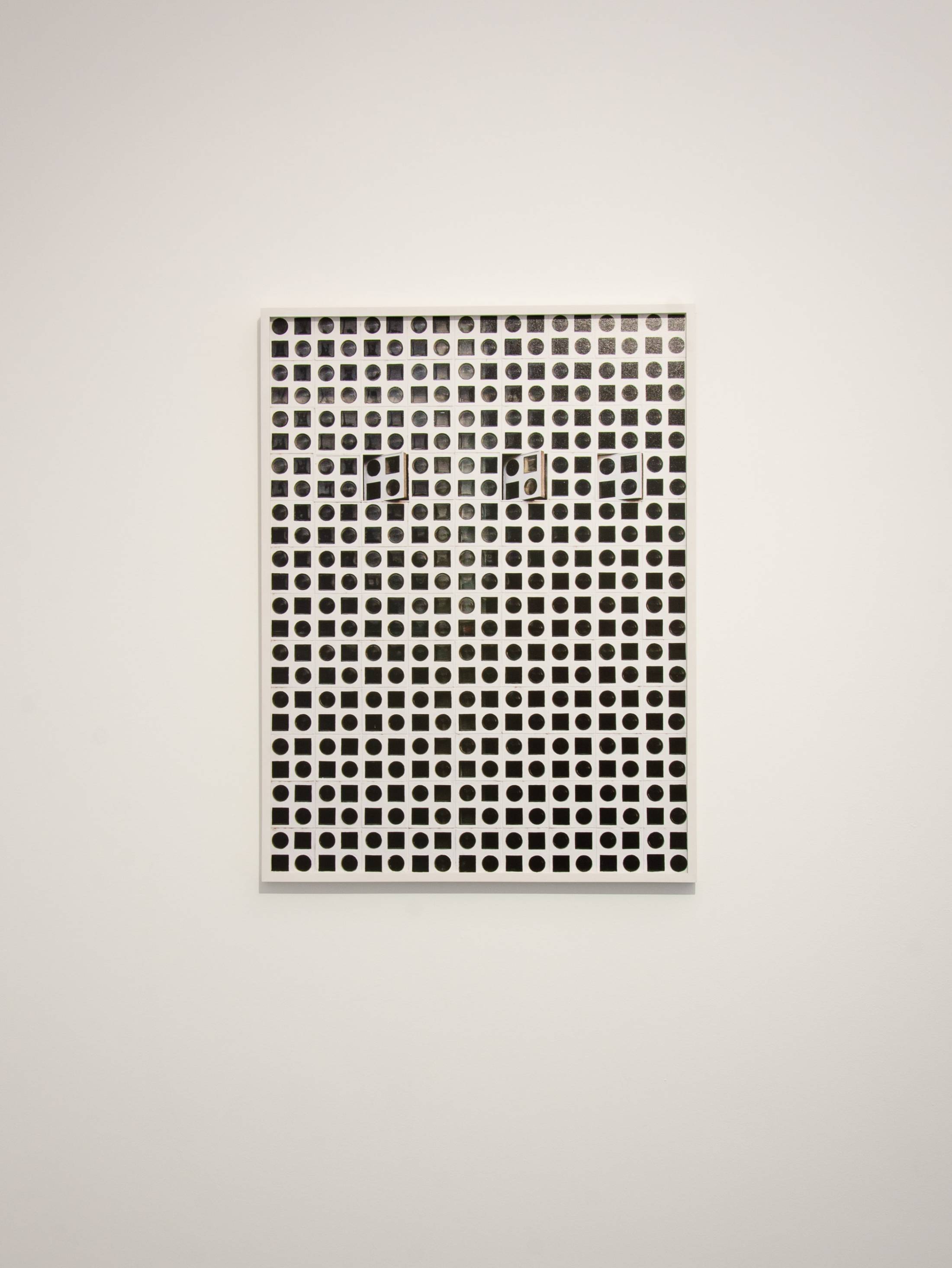
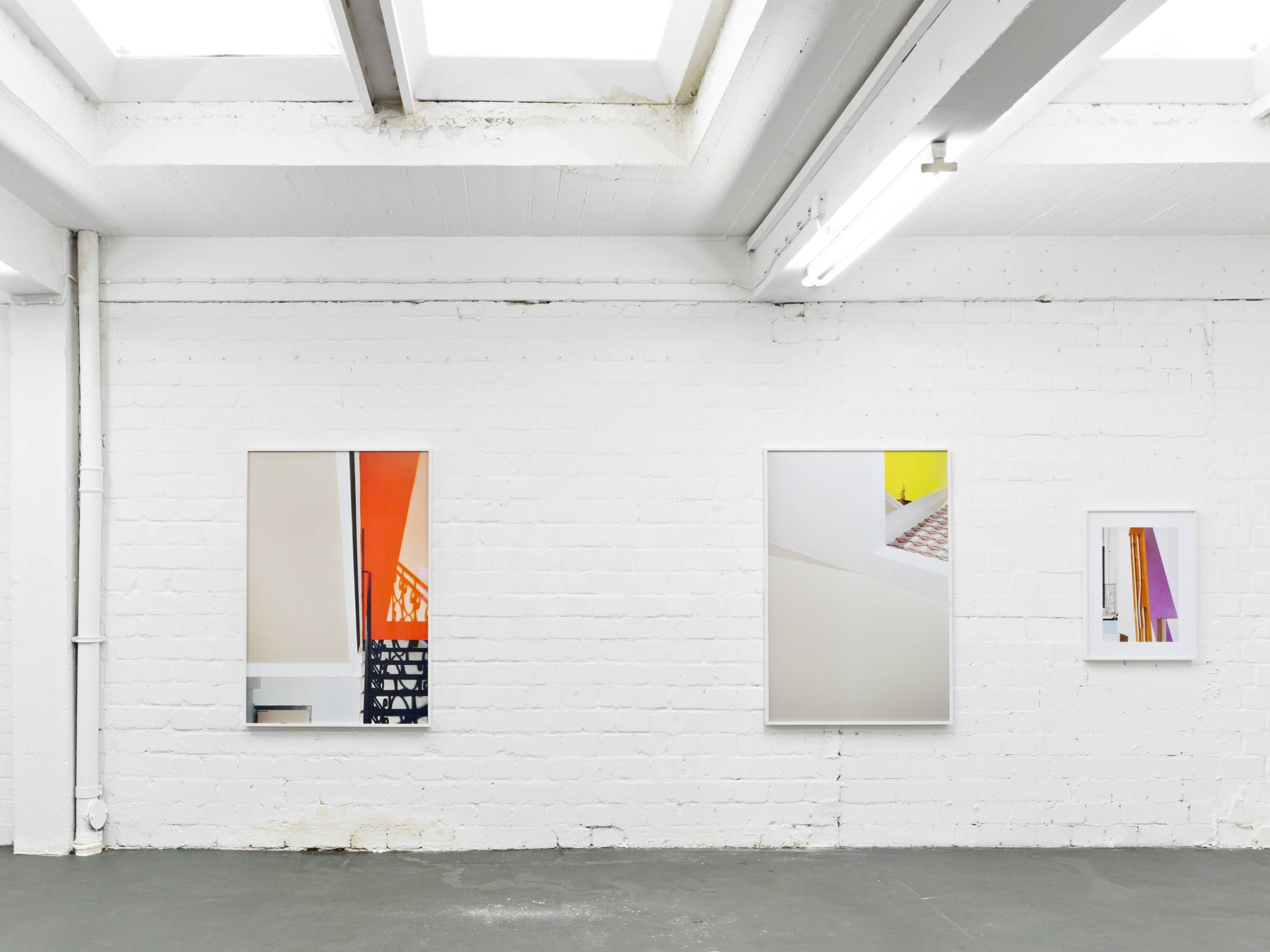
“Instead of the models shown in the picture, let your imagination play—you’re bright enough!” reads the instruction manual of the vintage set Grützner used from her childhood. She took this suggestion literally, bringing the building elements to life before her large-format camera: in multiple exposures and reflections, the models appear to dissolve and reassemble, transforming into skyscrapers, proliferating spaces, and eternal constructions.

In her series Architekton, the artist draws inspiration from utopian architectural visions of the 20th century, creating models that stand for a freer engagement with systems. These are places that not only break with convention but also open up imaginative spaces and fields of projection. Here, one can find connections to the socio-political challenge of envisioning a social and collective architecture.

ALMUT HILF

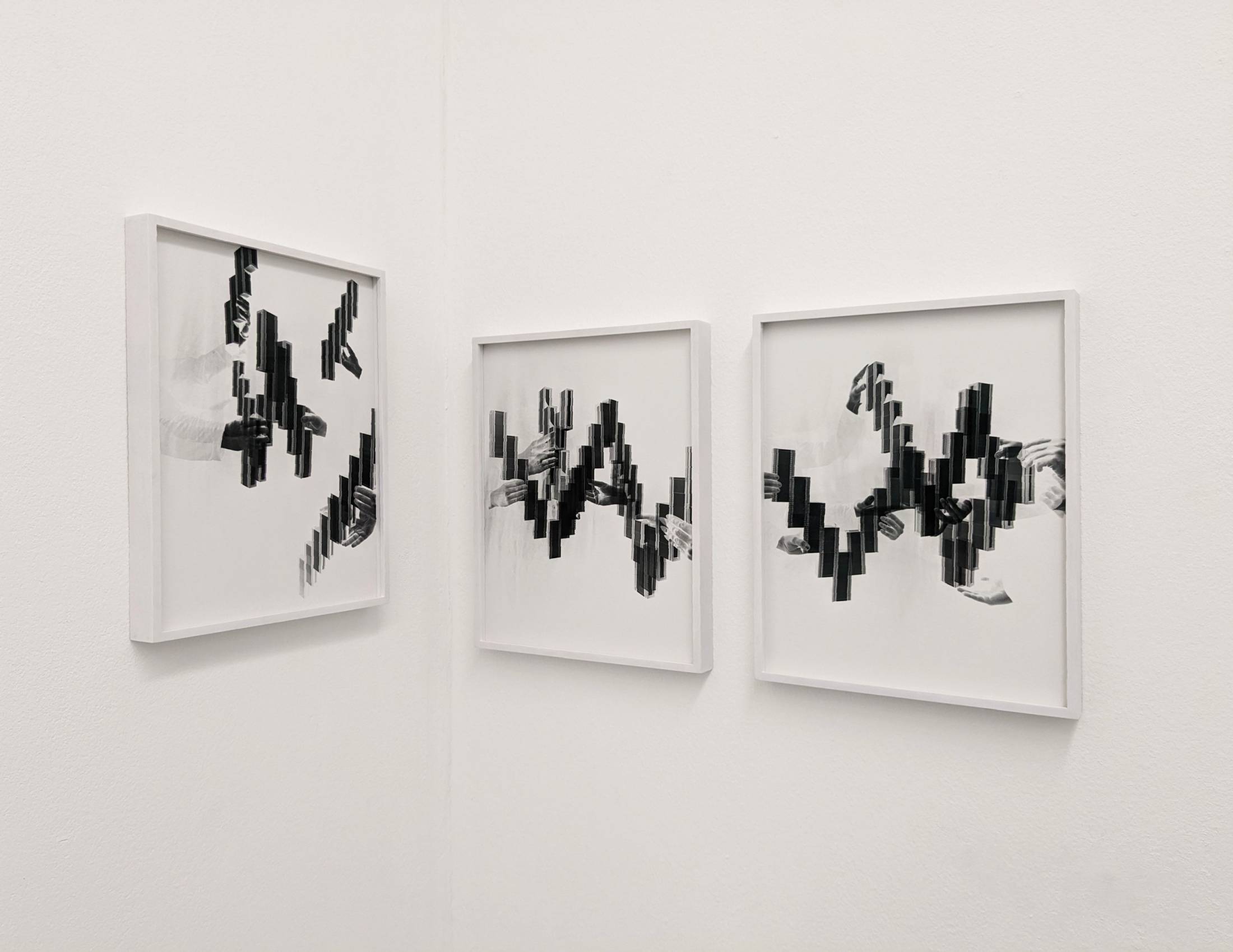
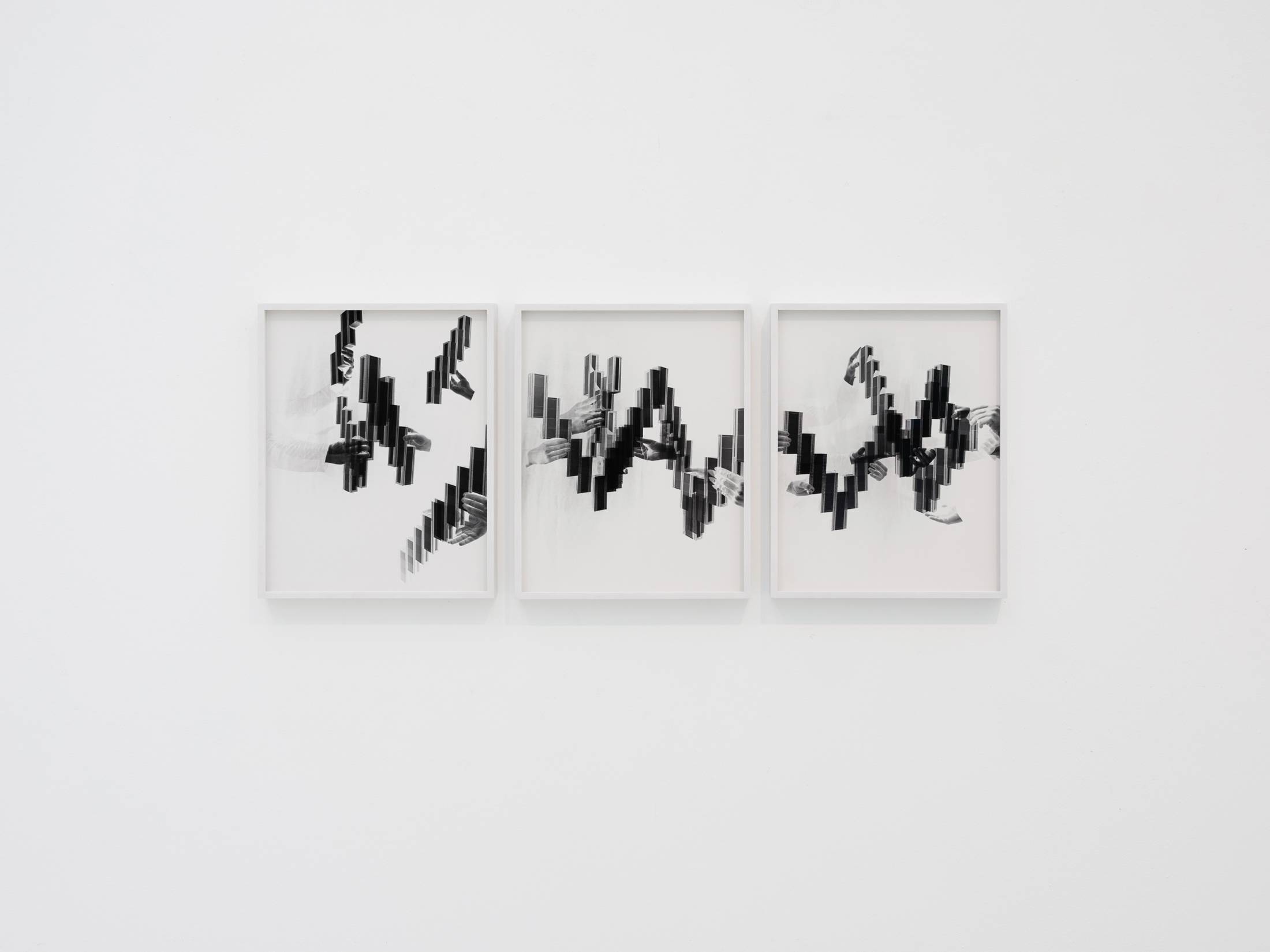
The picture panels of each chapter emerge as analogue paper collages and are repeatedly assembled and dismantled from the same material stock in a kind of recycling process. A constant reconfiguration of her own data: non-linear, flexible. Each chapter arises from phenomenological analyses of built structures and spatial situations. In the image, a synthesis of multiple perspectives unfolds. The starting point for a panel may be a spatial situation or an existing architectural form the artist reflects upon.

SINTA WERNER

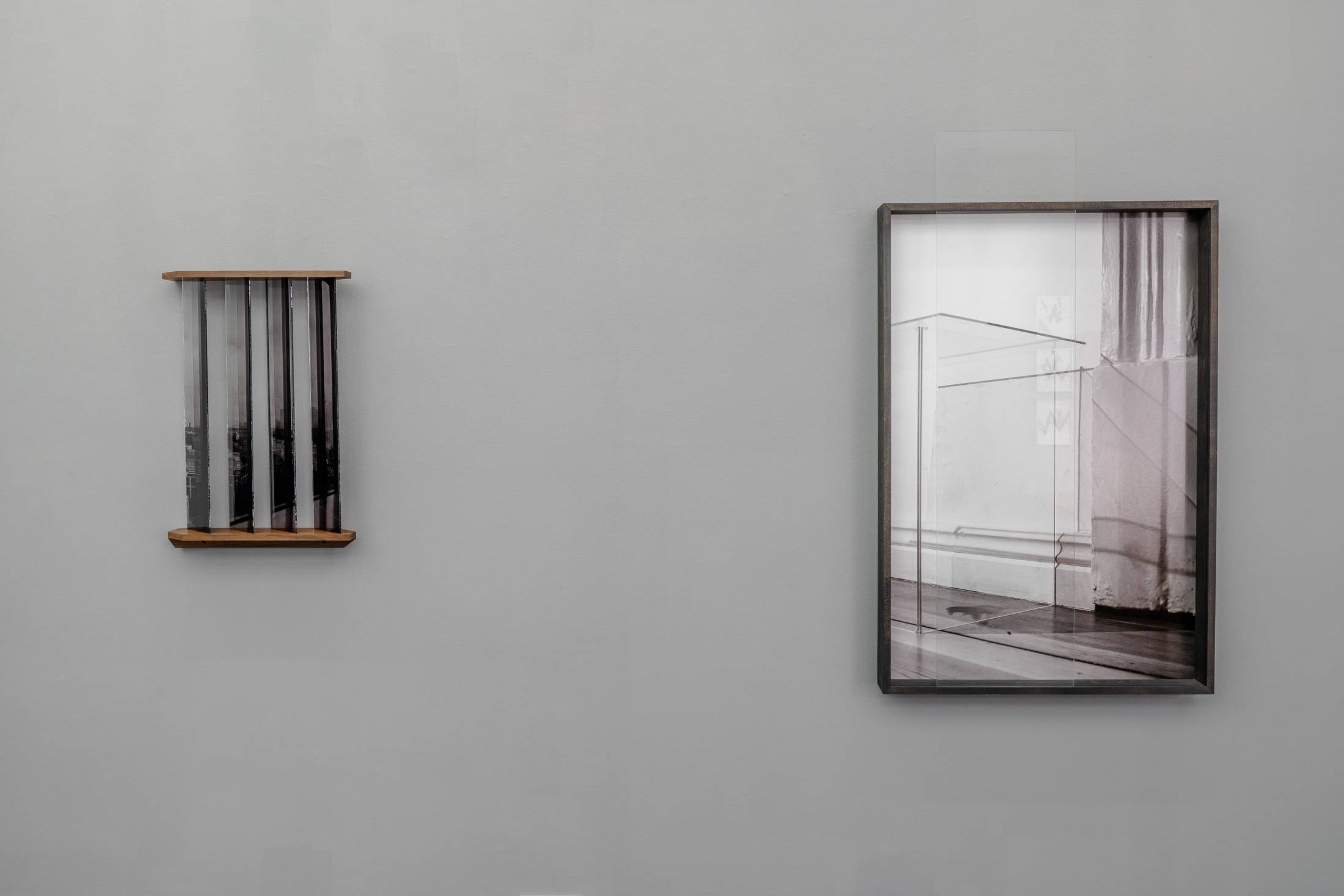
The photographic source for Views of Image and World was taken from within the Axel Springer high-rise in Berlin. The view over the cityscape is structured by vertical window frames. Strips of glass create a semi-transparent layer, overlaying the view with reflections of the exterior space. The division into vertical segments and the act of mirroring are echoed in the image’s fragmentation into four vertical strips, which are arranged to protrude from the wall at an angle.

In The Overcoming of the Background, a few sheets of glass lean casually against a wall with a baseboard and wooden floor. A light source outside the frame illuminates the glass panes, casting shadow drawings on the wall and suggesting spatial depth. The motif is presented within a classic wooden frame, slightly modified so that the frame’s own glass panes extend beyond the format, echoing and doubling the depicted motif.

In the series Passages Marginales, several embassy buildings in Berlin are depicted. Their flickering, immaterial appearance addresses the ambiguity between shielding and permeability. The distancing blur of the motifs contrasts with the sanding marks on the paper surface. The series comprises six embassy buildings in Berlin, all photographed with the aperture wide open.

Erbgericht at Erbgericht – Neue Räume / New Spaces, Robert Morat Gallery, Berlin, Germany, 2021 Photo: Andrea Grützner
das Eck at Falten und Fugen, Schierke Seinecke Gallery, Frankfurt/Main, 2019 Photo: Frank Blümler, Andrea Grützner
Erbgericht at Erinnerung. Gegenwart, Stiftungspreis Fotokunst 2020, Kunstwerk - Sammlung Klein, Eberdingen-Nußdorf, Germany, 2020 Photo: Schimkat Fotodesign
Architekton at Die Anderen sind Wir - Bilder einer dissonanten Gesellschaft. Gruppe Apparat / The Others are Us - Images of a Dissonant Society. Group Apparat (Kevin Fuchs, Jakob Ganslmeier, Andrea Grützner, Miguel Hahn & Jan-Christoph Hartung, Hannes Jung, Sara-Lena Maierhofer, Rebecca Sampson, Daniel Seiffert, Maria Sturm, Cale Garrido) with collection items of the BLMK, Brandenburgisches Landesmuseum, Cottbus, Germany, 2019 Photo: Kevin Fuchs
Erbgericht, Tanztee, das Eck at zu Gast / a guest, Museum Pfalzgalerie, Kaiserslautern, Germany, 2017 Photo: Andrea Grützner
Erbgericht, das Eck at Sweet Home, Alone, photography collection - Schloss Kummerow, 2021 Photography Collection – Schloss Kummerow, 23 May–31 October 2021, curated by Dr. Kristina Schrei, with works of Sibylle Bergemann, Christian Borchert, Andrea Grützner, Andreas Mühe, Henrike Naumann, Peter Piller

Photo: segeband.pr, Denhart v. Harling
Erbgericht, das Eck at Sweet Home, Alone, photography collection - Schloss Kummerow, 2021 Photo: segeband.pr, Denhart v. Harling
Read more
Read less

Sibylle Bergemann, Andrea Grützner, Henrike Naumann, Andreas Mühe, Peter Piller and Christian Borchert are central artistic positions that view the present of our society with awareness of the past. In the exhibition TRAUTES HEIM, ALLEIN | SWEET HOME, ALONE, the home of one’s own becomes the central subject and pictorial motif. The “home sweet home” is initially a promise of happiness. In terms of aesthetics and taste, however, this can quickly turn into a staid, merely pretended bliss. The flip side of the “cosy home” and its private comfort far from the world is isolation and distancing, as well as conformity and obedience. The retreat into the private sphere has historically often been particularly evident in times of political unrest, whether in the Biedermeier era or much later in the Cold War. Sibylle Bergemann, Andrea Grützner, Henrike Naumann, Andreas Mühe, Peter Piller and Christian Borchert make this dichotomy artistically visible. Their works are all based on real models: the places or objects they show really exist. The houses, living spaces, interior furnishings and decorative elements that they use as motifs in their artistic works initially give the impression of political innocence. Behind this, however, are politically, sociologically and ideologically charged motifs that reflect a critical image of our time and the state of our society.

In Sibylle Bergemann’s case, it is a photographic series on the prefabricated panel building type “P2”, which stands not only for a form of housing but also for an attitude. It was a prestige project of the GDR that was supposed to symbolise the new, socialist housing. A small architectural installation, the so-called “hatch”, which connects the kitchen and the living room, is also intended to revolutionise the position of women in the household.

In the group of works entitled “Family Portraits”, Christian Borchert depicts various families he visited throughout the GDR. He shows them in their living rooms, just as they want to present themselves to the photographer. He notes down the year, the occupation of the parents or couple, and the place of residence. A cross-section of GDR society is revealed, even if the core family of father, mother, child(ren), hardly varies.

Peter Piller’s work Von Erde schöner consists of found archive material from the 1980s documenting German homes from the FRG. Piller’s selection depicts a bourgeois, middle-class reality of Germany that dreams of its own house, its own garden and its own car. One group of motifs in the work is devoted to the subject of “mowing the lawn” and captures the obligatory, petit-bourgeois ritual of tending the garden.

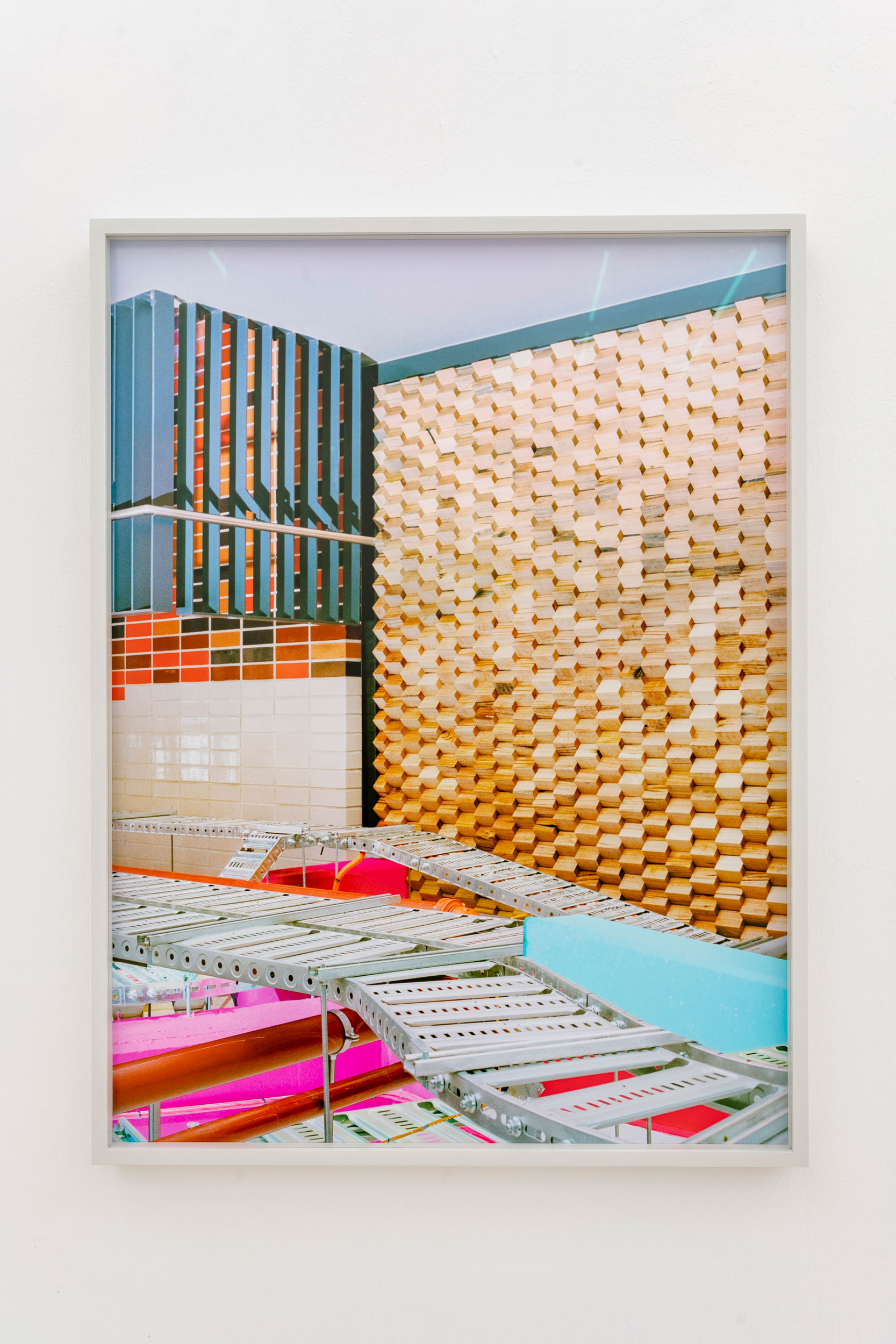
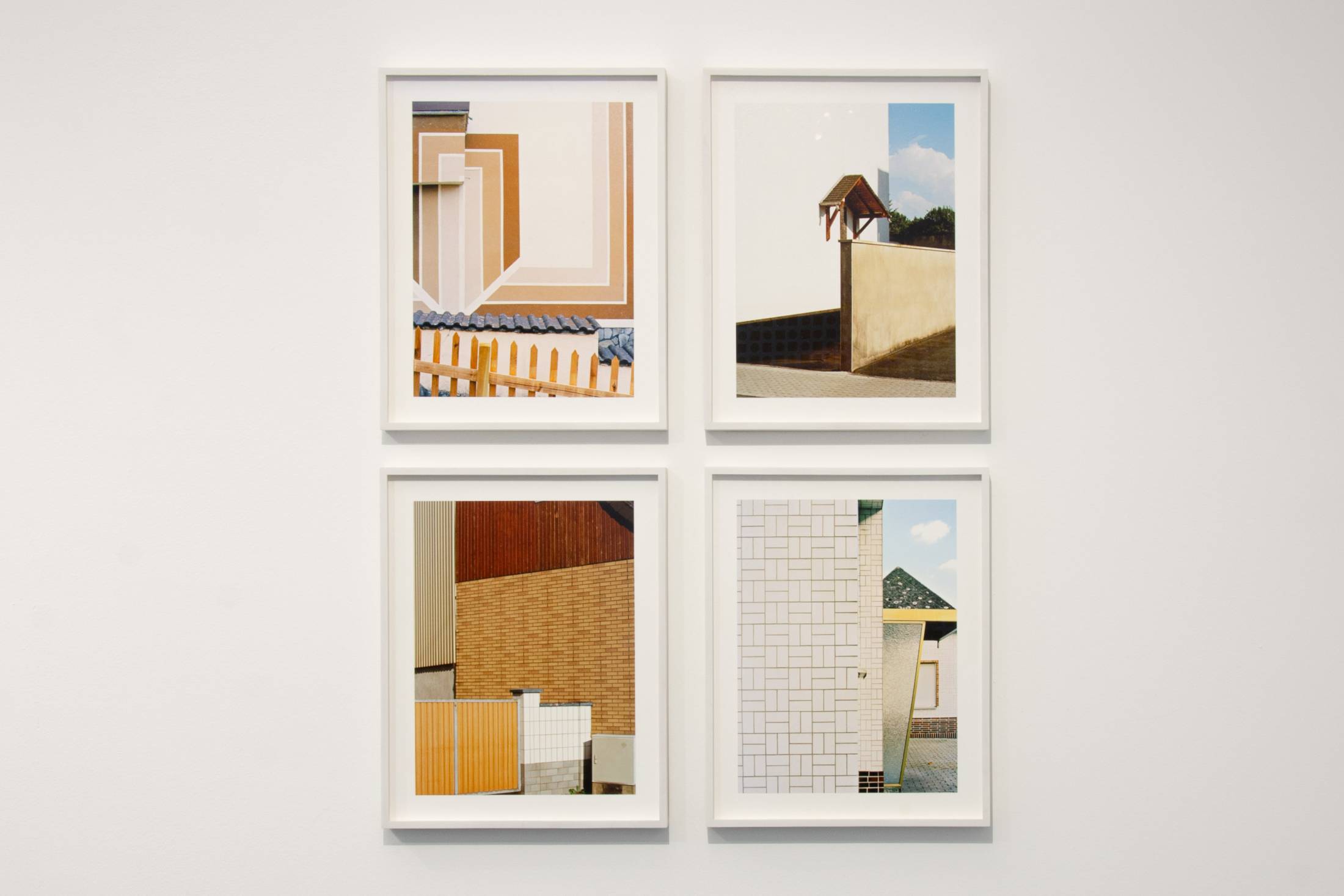
Andrea Grützner’s analogue photographs, on the other hand, initially appear as colourfully coherent, aesthetically pleasing pictorial compositions. The titles of the two groups of works, das Eck, untitled and Erbgericht, reveal little of the details of what is depicted, though they do hint at their places of origin. This is on the one hand the so-called “German corner” in Koblenz and on the other hand an inn in the village where her grandparents live. Grützner’s concentrated focus on formal qualities such as colour and plasticity uncover tasteful idiosyncrasies and preferences and clarify their role as markers of their time.

In Henrike Naumann’s installation DDR Noir, pieces of post-reunification furniture in a recreated colourful Memphis style meet the figurative paintings of her grandfather, Karl Heinz Jakob, from the 1950s and 60s, who was a recognised artist in the GDR. Via the obvious contrast – iconographically as well as ideologically – between furniture and painting, she demonstrates the course of history and invokes questions about the much-invoked “Ostalgie” since then, as well as the dreams and ideals of people before and after the Wende and what has become of them today.

Andreas Mühe also deals with the German past in his works, recalling above all its darker parts. A portrait of Egon Krenz, the last president of the GDR, shows the man in his present reality: as a historical figure of a bygone ideology in complete isolation. In the series Wandlitz, 2011, Andreas Mühe photographs the houses in which the political grandees of the SED leadership lived, isolated from the people, in the forest settlement of Wandlitz. A strip on the map where Hermann Göring had previously built an estate of monumental size and even earlier the German Emperor indulged in his hunting pleasures. The facades of the houses, however, do not show any colours and reveal nothing about the political past of the place. The assembled terrace furniture from the Obersalzberg work group seems just as innocuous. In that idyllic Bavarian village, Hitler resided far away from the horrors of war. By depicting the furniture group as Hitler had it in his residence in isolation from its surroundings, Mühe makes the politically charged nature of living space and home particularly tangible.

Ideology leaves visible traces in the aesthetics of its time. Retreating into the domestic private sphere as happiness means in return staying away from public life and thus also potentially a rejection of political participation. The artistic positions in the exhibition show that the cosiness of one’s own four walls can easily be deceptive. Every façade, every living space, every piece of furniture is always a bearer of the political and historical conditions of its time. The ambivalent power of the cosy home seems to be gaining immeasurable relevance again today. It is an artistic and, at the same time, a political-social theme that needs to be scrutinised from all sides, from inside and outside.

Curated by Dr. Kristina Schrei.
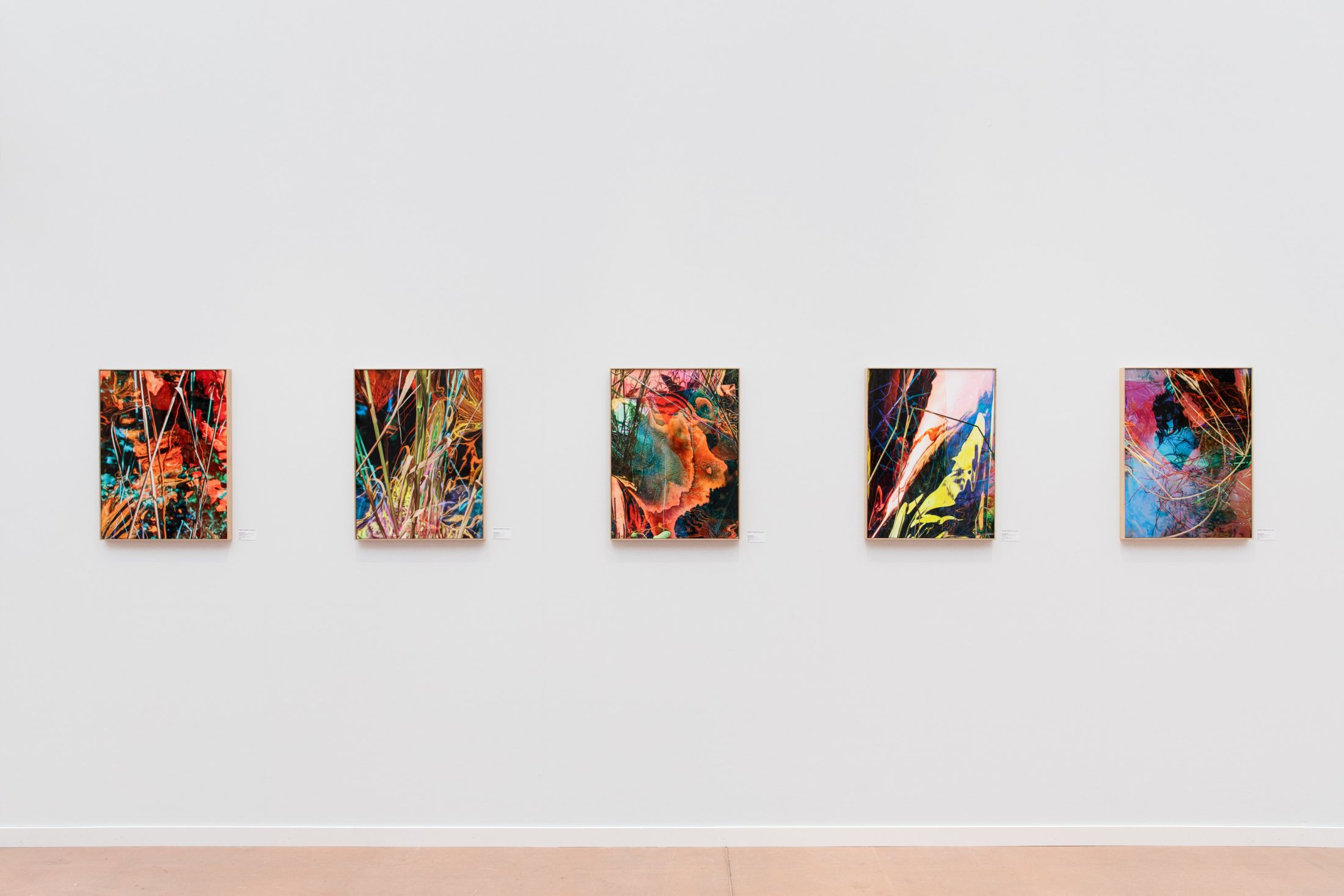
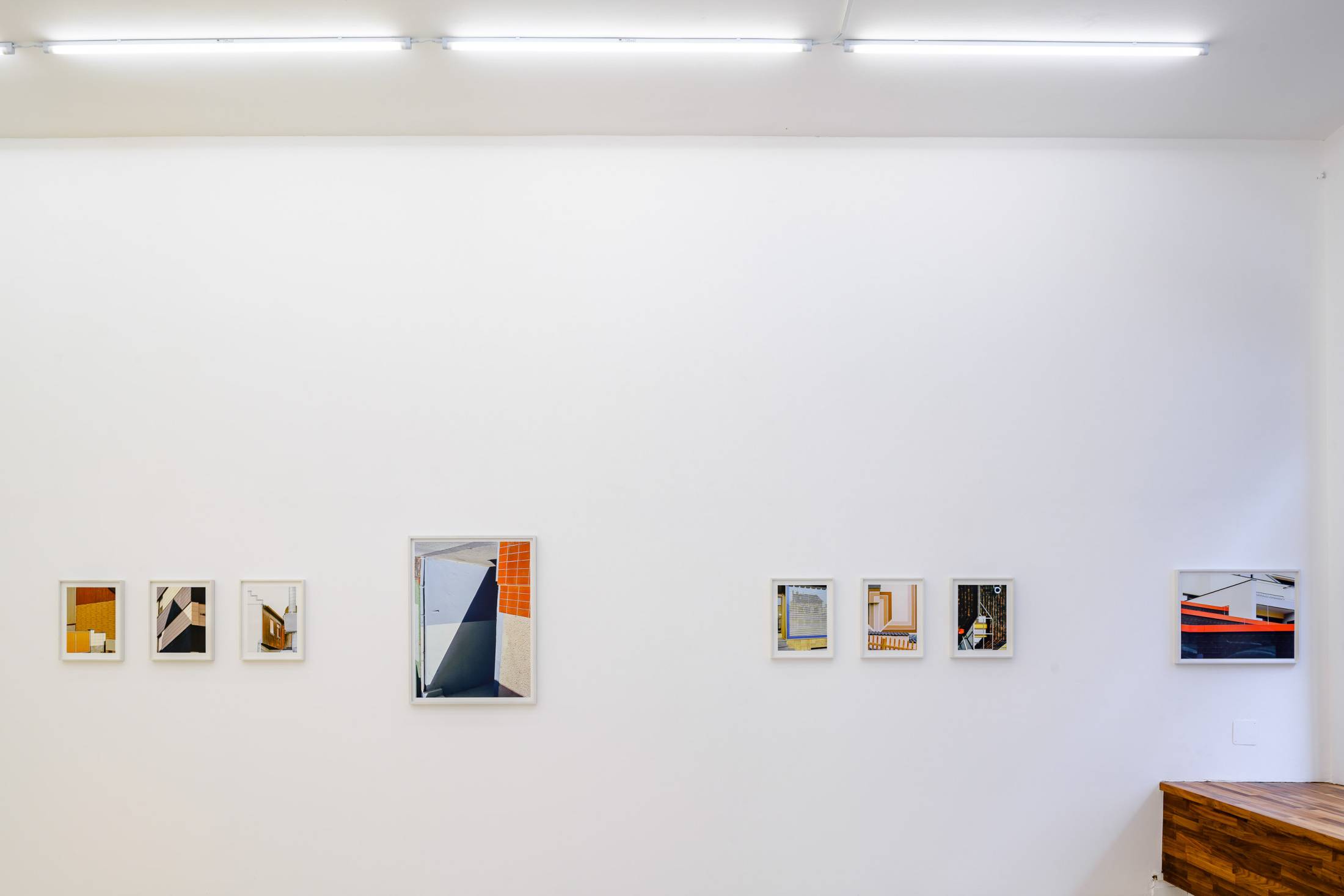
das Eck at architecture and abstraction, 68projects (Galerie kornfeld), Berlin, 2017 «Architecture and Abstraction» with works by Andrea Grützner, Friederike von Rauch, Tanja Rochelmeyer and Maximilian Schubert Curated by Katharina Pilz

Photo: Andrea Grützner, Galerie kornfeld
das Eck at architecture and abstraction, 68projects (Galerie kornfeld), Berlin, 2017 Photo: Andrea Grützner, Galerie kornfeld
Read more
Read less

If one were to look for similarities between Constructivism, Suprematism, Concrete Art, Hard-edge painting
and Minimal Art, one would find them in abstraction. The shared aim is to break free from any reference to
the object, combined with a shift towards a pictorial reality, constituted through colours and shapes, light
and shade. The “new abstraction” of the 21st century, however, gets by without a programmatic reference to
the discourse of historical modernism. It doesn’t pursue a purely rationalistic or objective creation of form,
like Concrete Art, for instance. While it certainly draws from these sources, it finds its own agile,
independent character through a more subjective, individual stance.
The main focus of the exhibition “Architecture and Abstraction” is on geometric-constructive works, whose
primary source of inspiration is architecture. Common to all artistic positions on display is the creation of
unmistakable forms that simultaneously dispense with any documentary or representational characteristics.
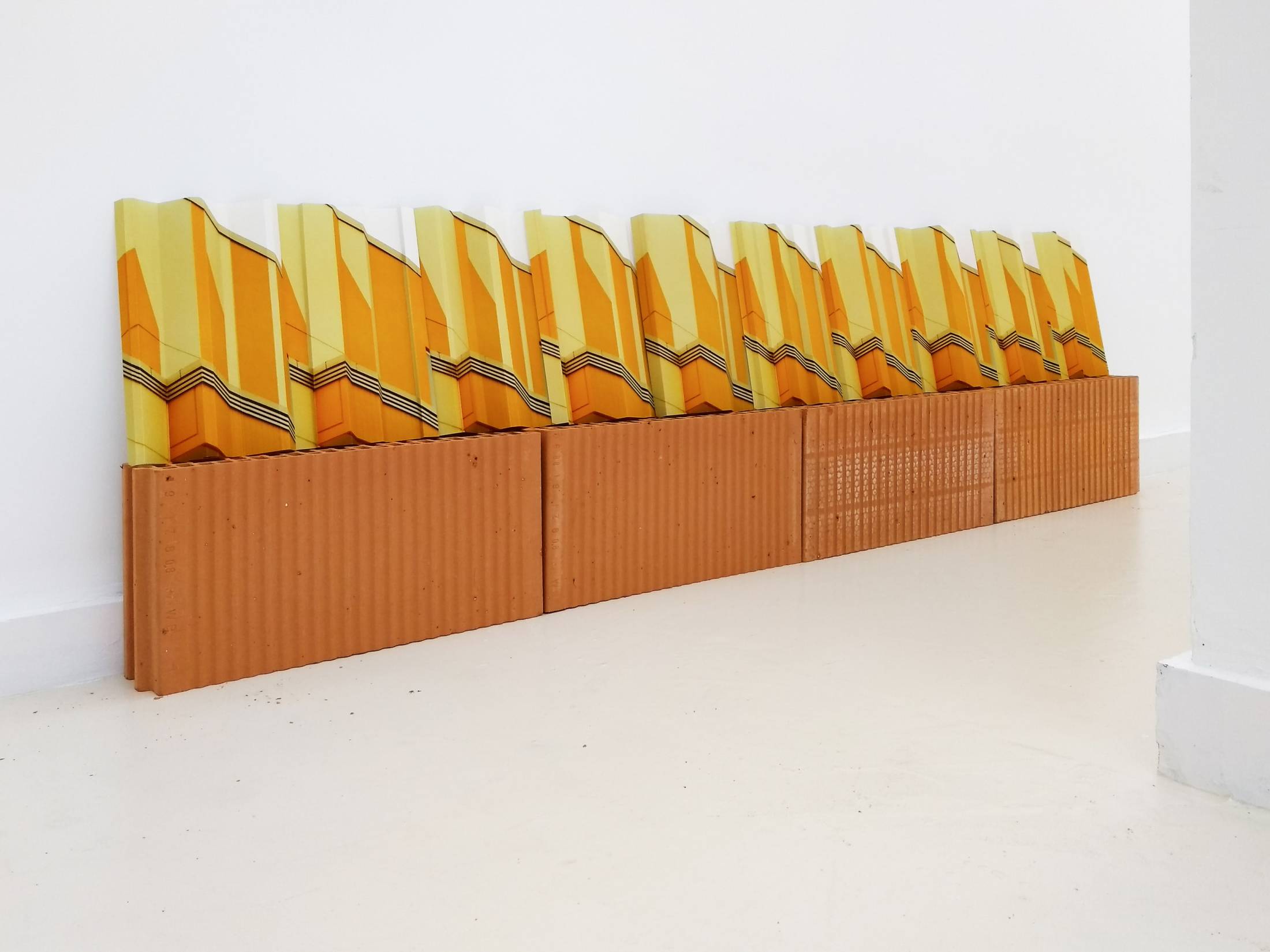
In her latest series, the photographer Andrea Grützner focuses on the architecture of the 1950s. During a
fellowship at the “Koblenzer Stadtfotografen”, in the summer of 2015, the artist explored Koblenz’s public
urban space, with a focus on facades and their grids, which she translates into vibrant, graphically formed
picture details. She thereby concocts image fragments that are painterly, abstract and surreal, and which
have nothing in common with what we usually perceive as urban architecture. Although Andrea Grützner’s
medium is photography, her works oscillate between photography, sculpture and collage. She is as much
interested in the perception of structures of space, history and memory, as she is in visual irritations, in that
which is both familiar and unusual.
Through their contemplative character, Friederike von Rauch’s pictures of deserted light-spaces in
museums, monasteries and Venetian palazzi, uncover unique worlds with an almost infinite potential for
narratives and stories. Mostly taken outside opening hours, the images contain highly personal
interpretations of space, bringing out the specific character of each place and, owing to their calm
observation, creating emotional condensations. The focus on small pictorial details neutralizes their
depictive character in favour of strongly abstracted images. Colour, or rather colourlessness plays a vital
role. Friederike von Rauch works analogically with a medium format camera, always using the available
light.
In her paintings, Tanja Rochelmeyer creates “visions of space”: delicate, almost floating hybrids, which
refer to the polydimensional structure of the Internet. In her works, colour functions as both form and
content, creating geometrical, labyrinthine configurations of splintered spaces, shaped by perfect colour
gradients in impressive clarity. Although the main theme of all of her works in the exhibition is spatiality or
spatial visual experience, the relation between background and figure, between top and bottom, remains in
suspension; some individual works even lack a definite orientation and function both horizontally and
vertically.

In his monochrome works, the New York artist Maximilian Schubert, a guest at 68projects, explores the limits of painting and sculpture, as well as the theme of the trompe l’oeil. The works in his “Untitled” series initially seem like white monochrome canvasses, whose surface texture is reminiscent of the folds of a
curtain. In reality, however, the folded texture is cast. The only hint for the viewer that “nothing is as it
seems” is the visibility of a delicate web of cracks and occasional imperfections. The wall behind the piece
becomes visible.

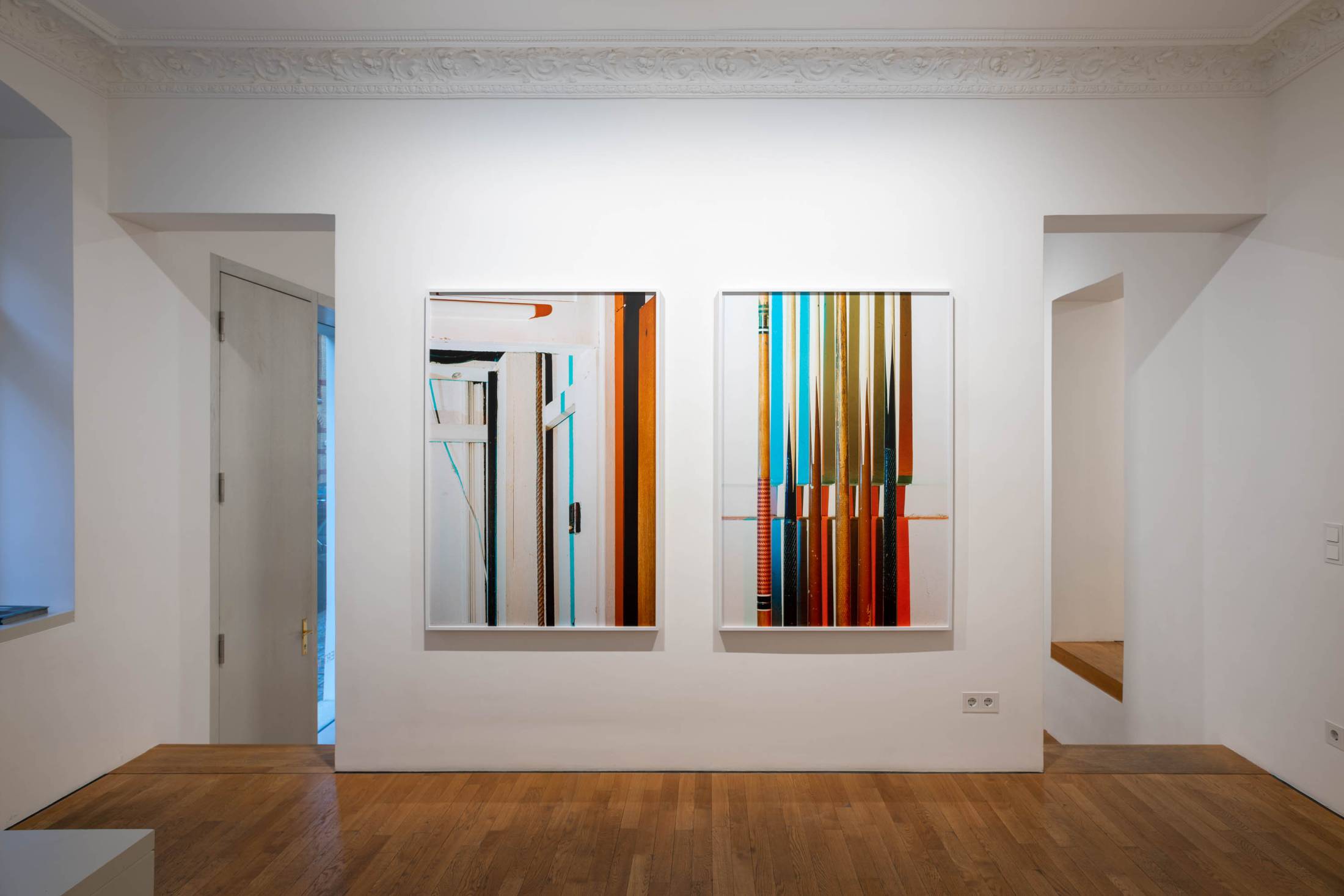
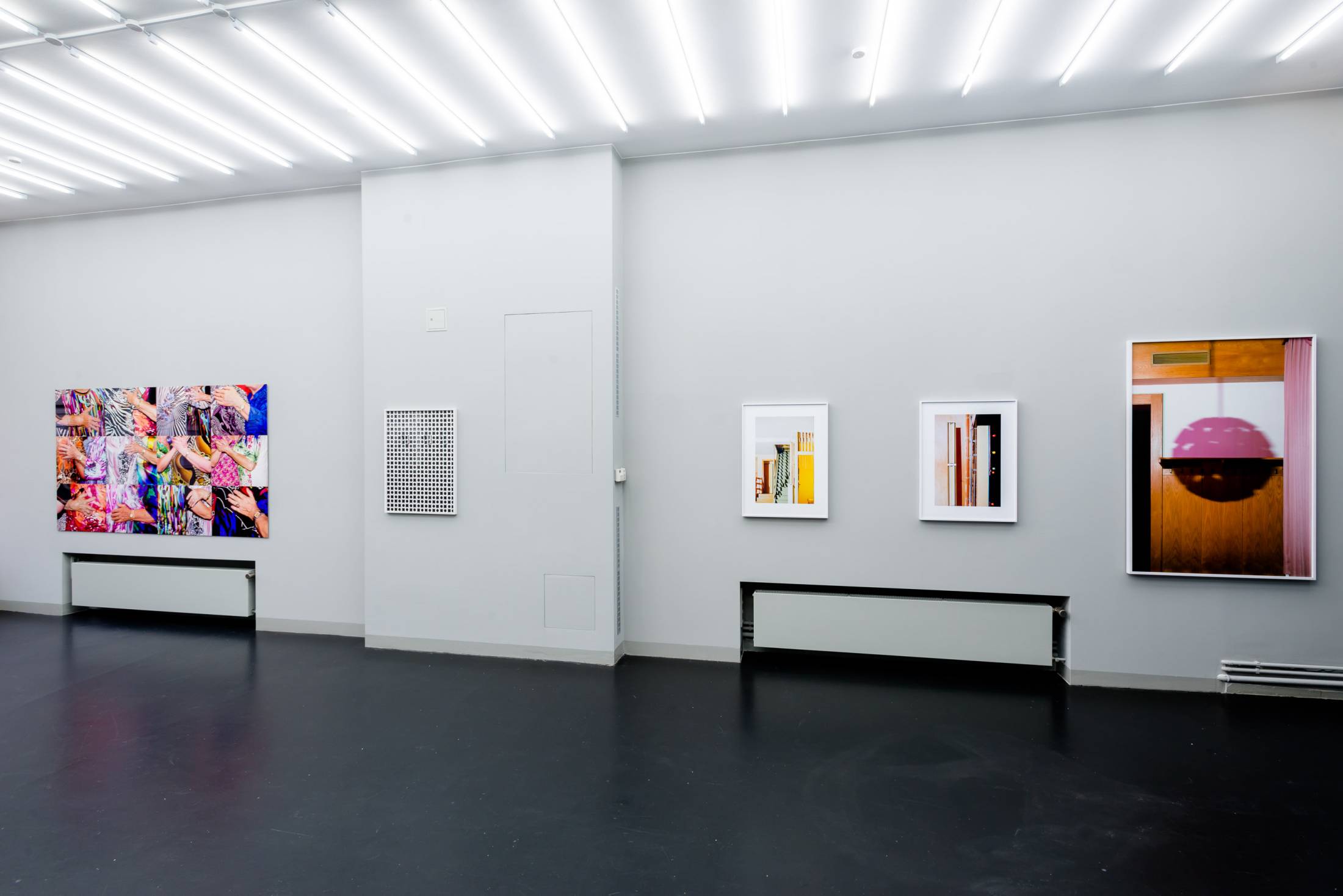
Erbgericht, Tanztee, das Eck at Erbgericht, Tanztee, das Eck; Galerie Rundgaenger, Frankfurt/Main, Germany, 2017 Photo: Frank Bluemler
Read more
Read less

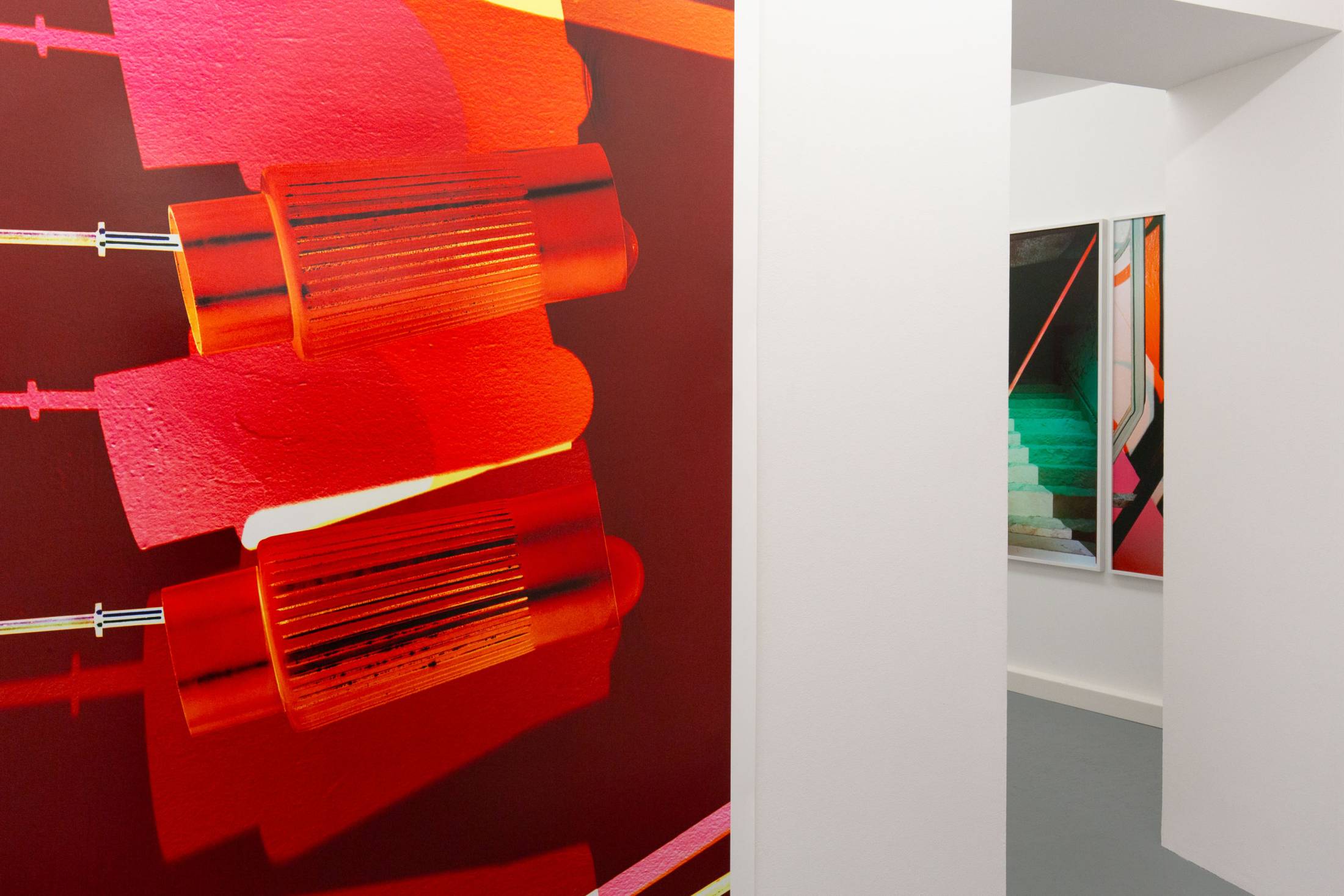
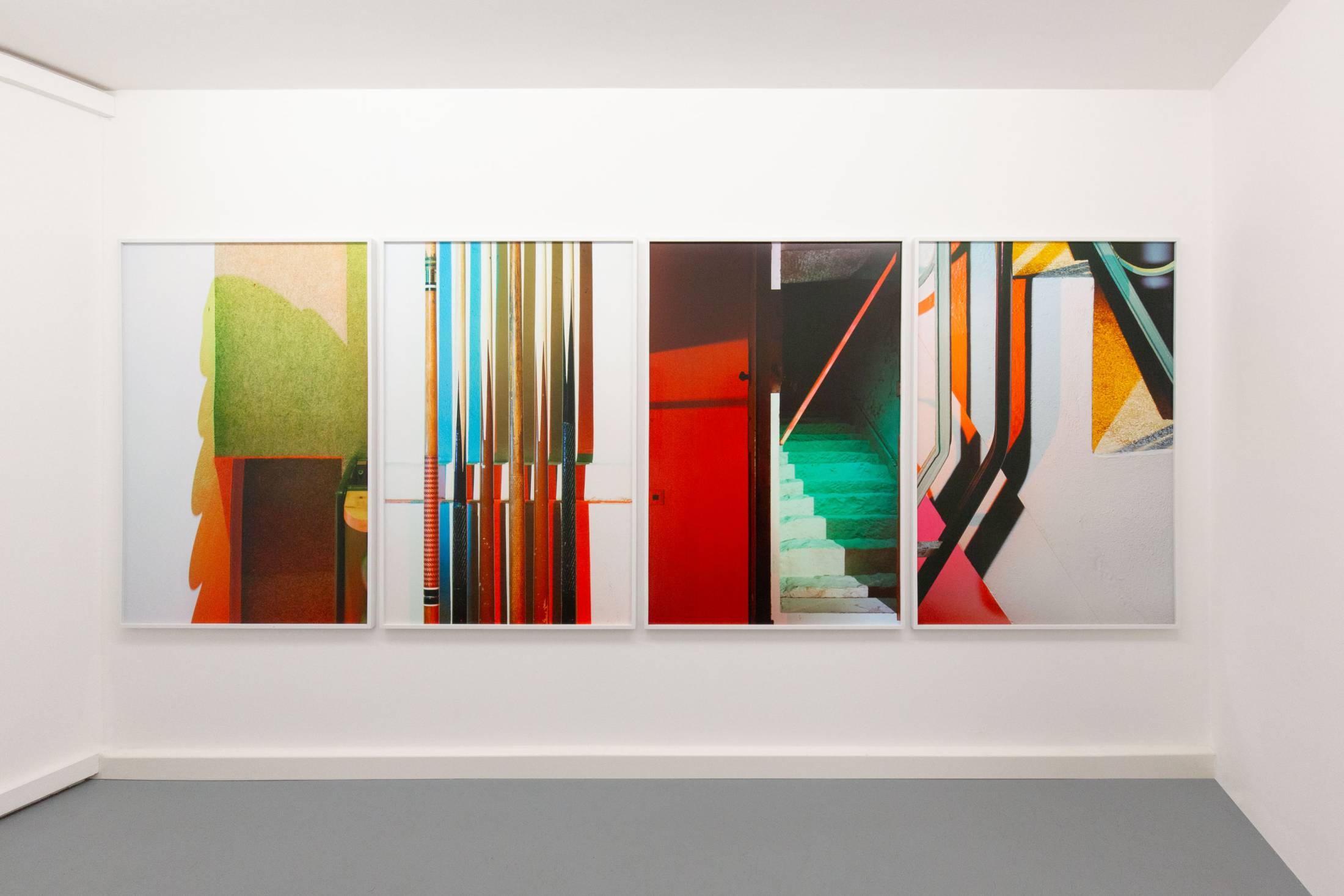
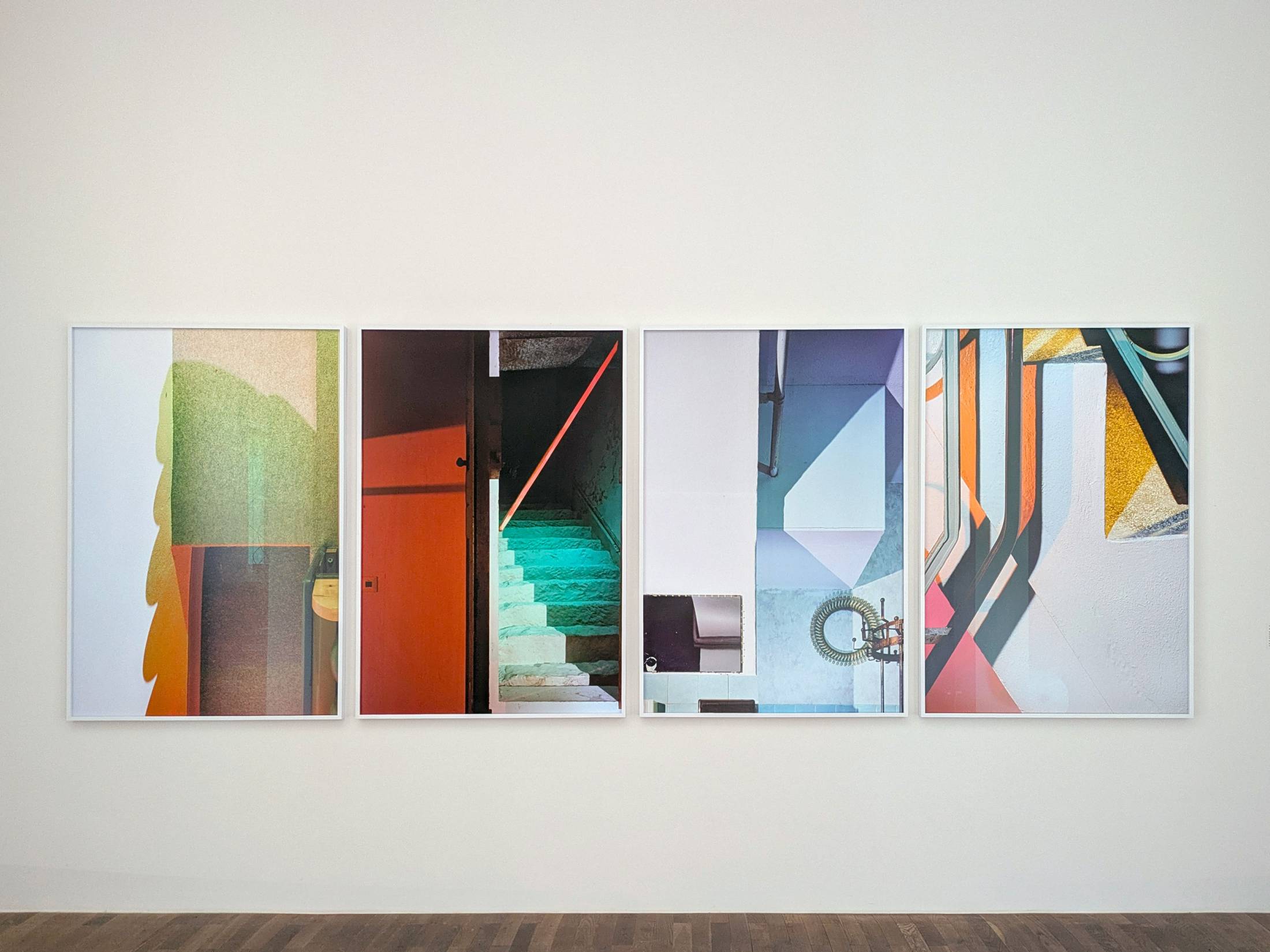
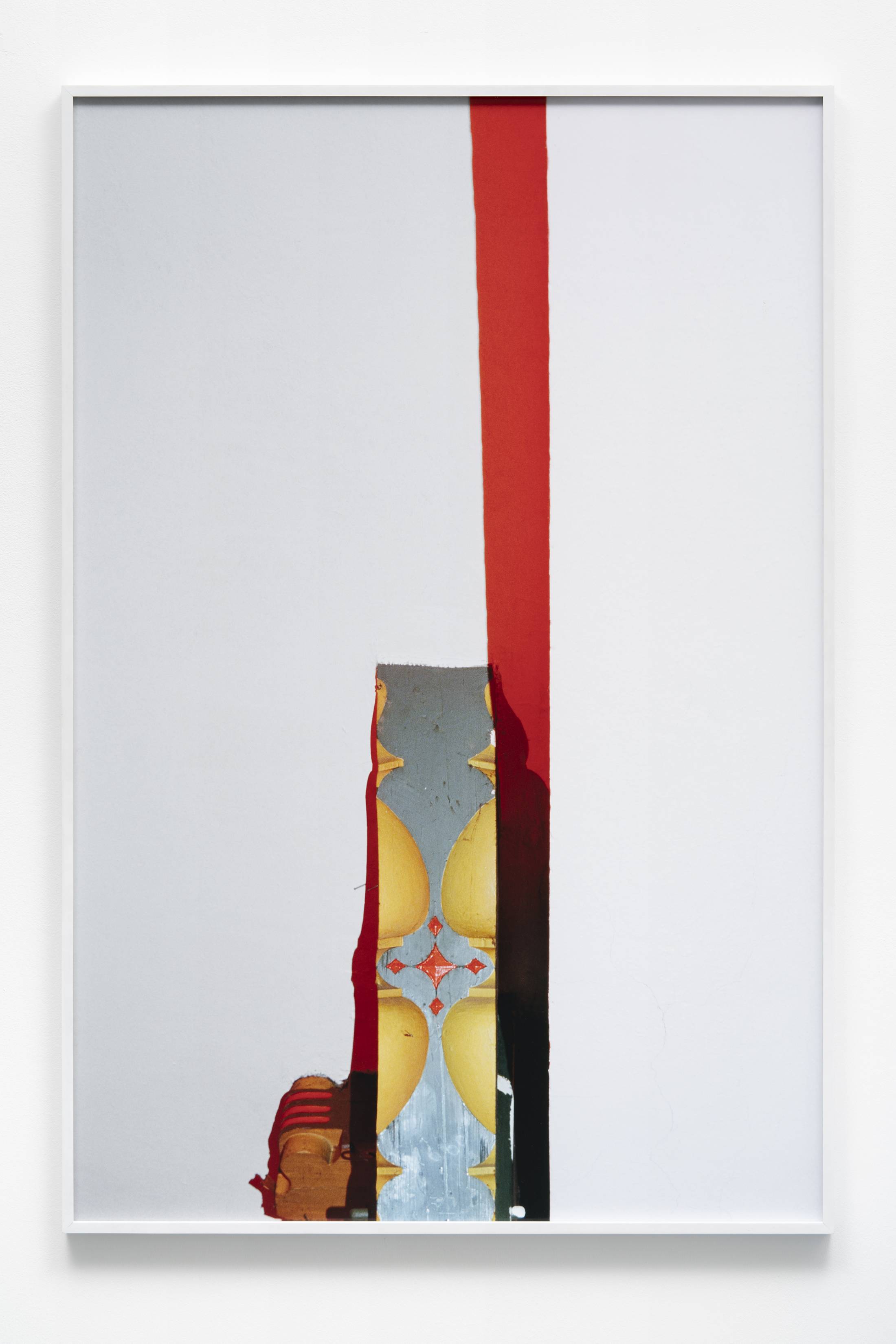
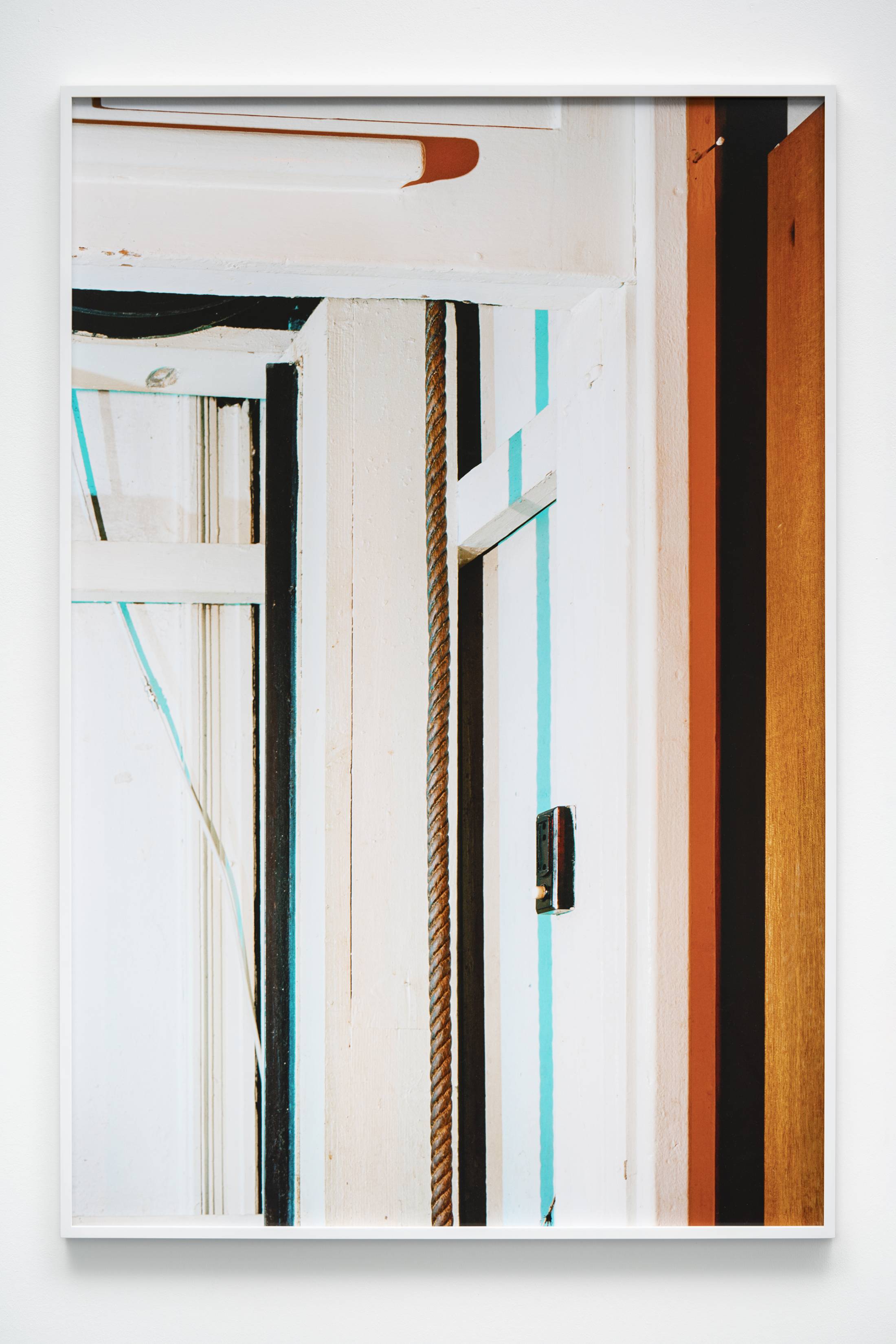
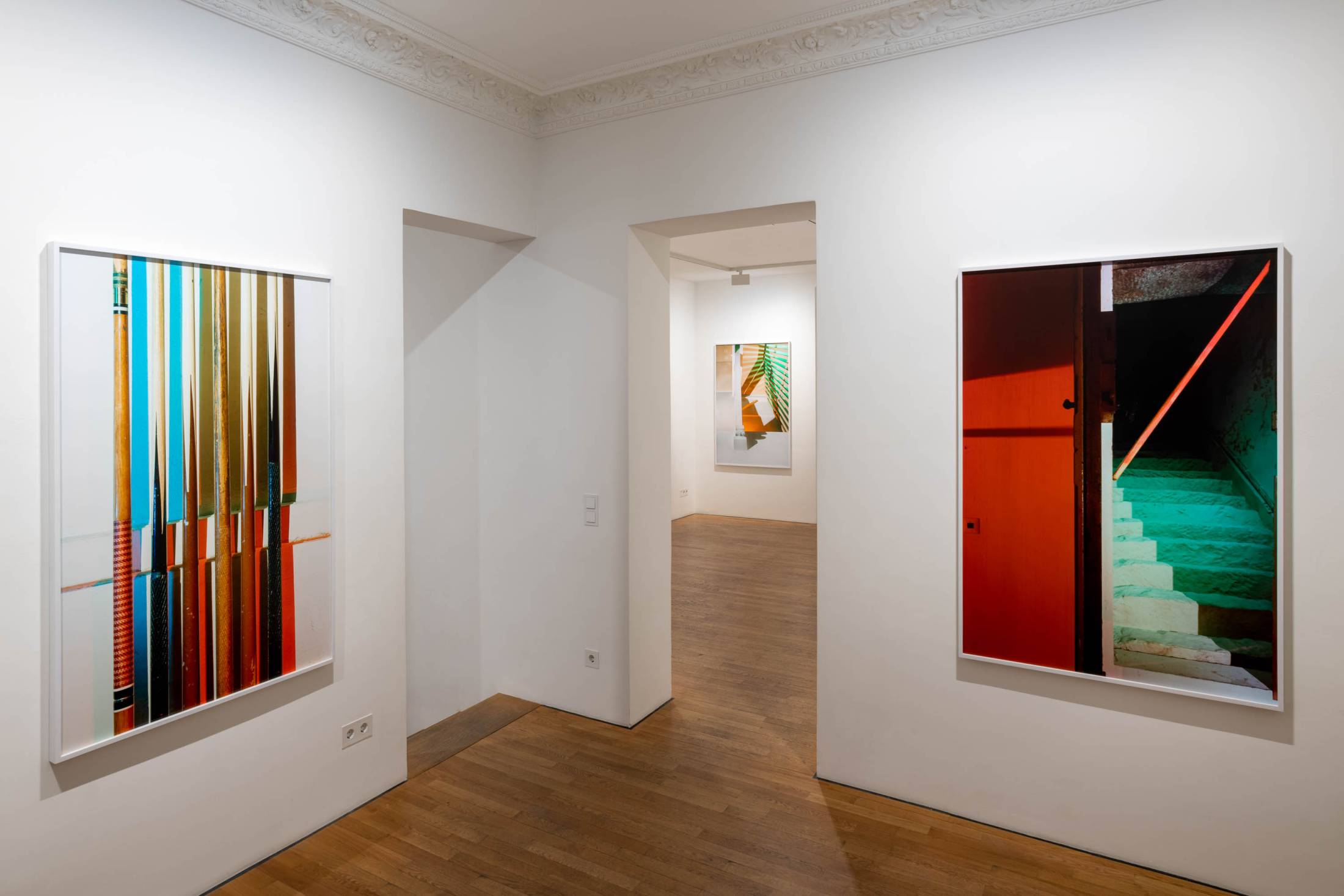
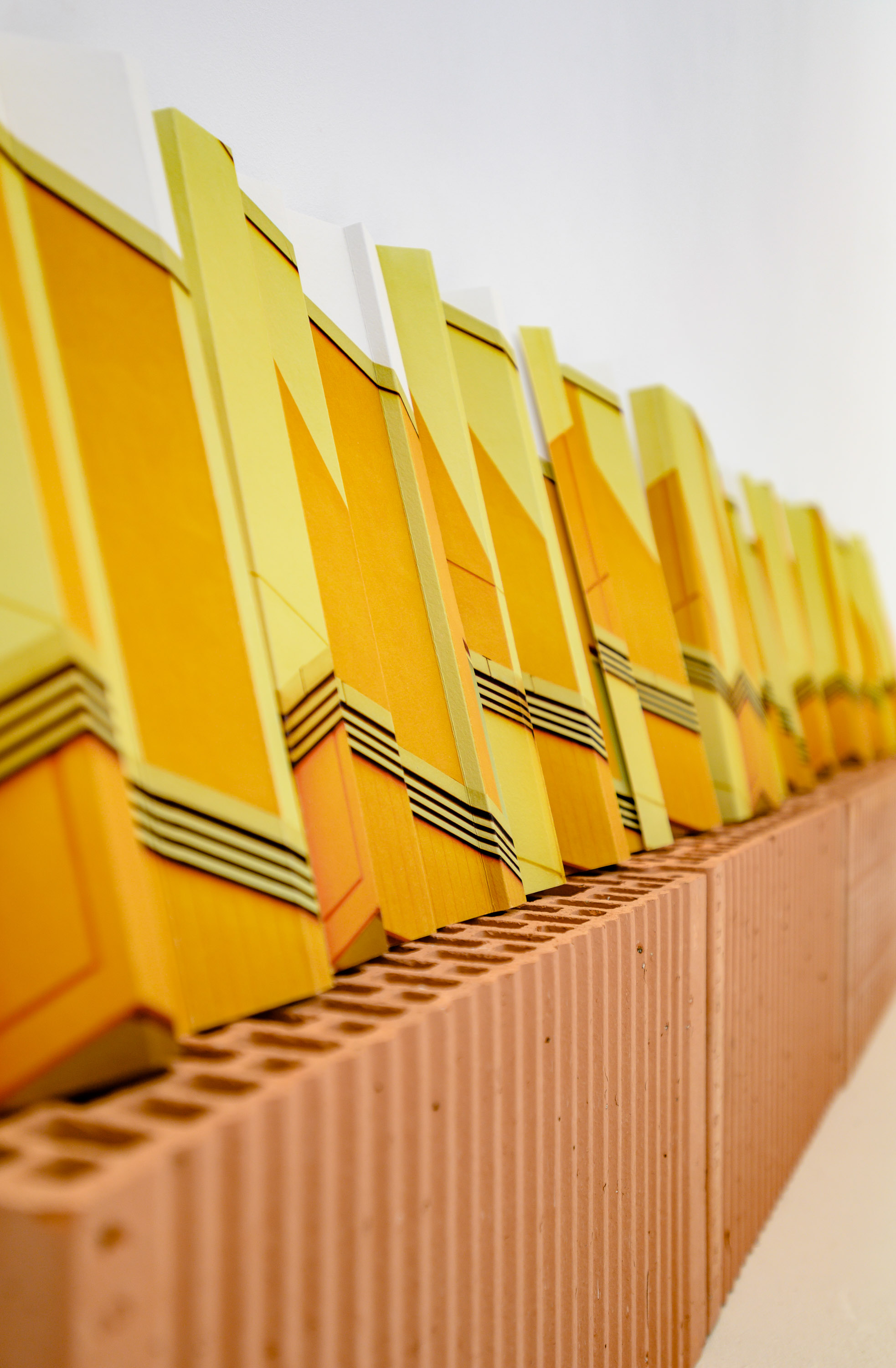
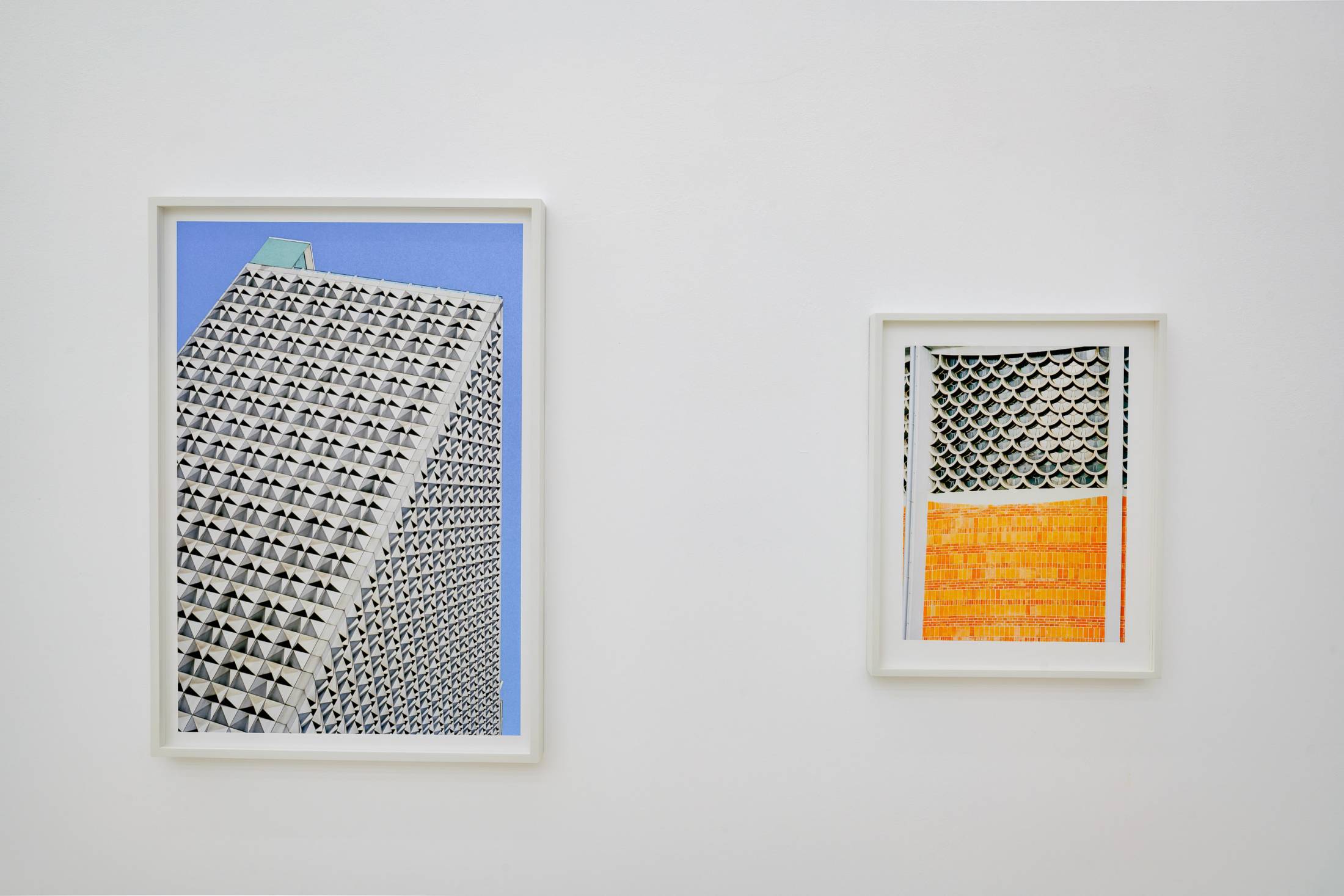
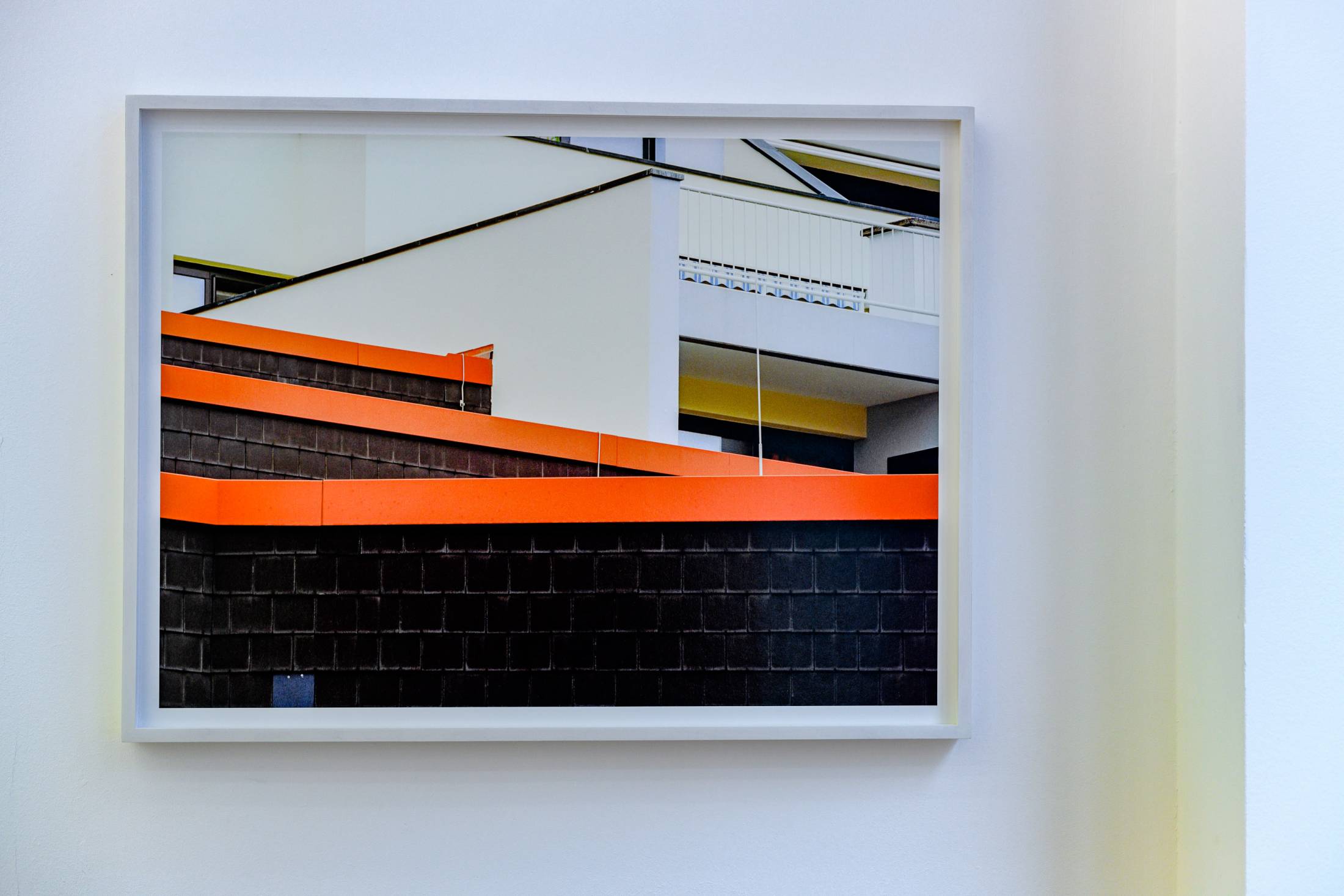
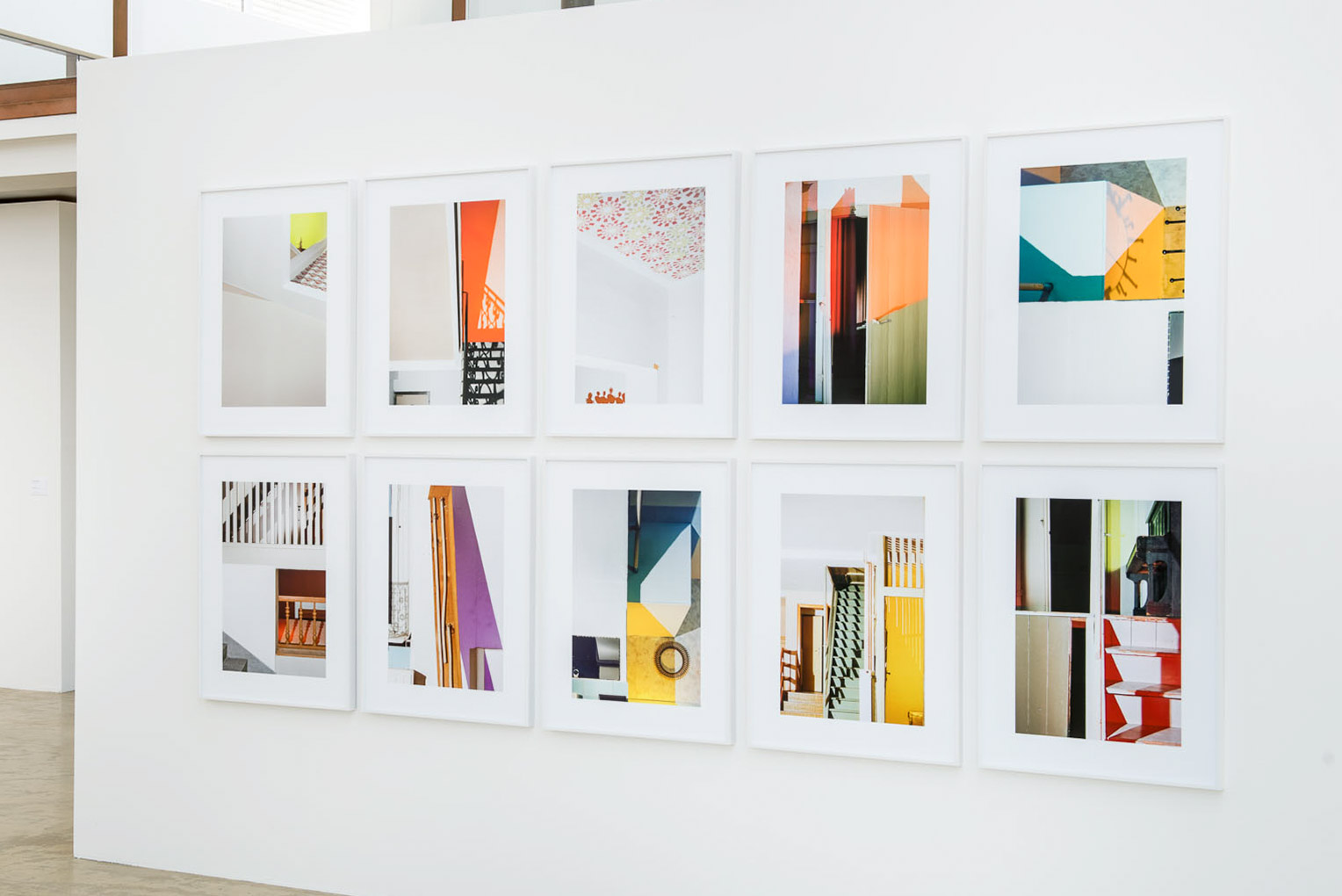
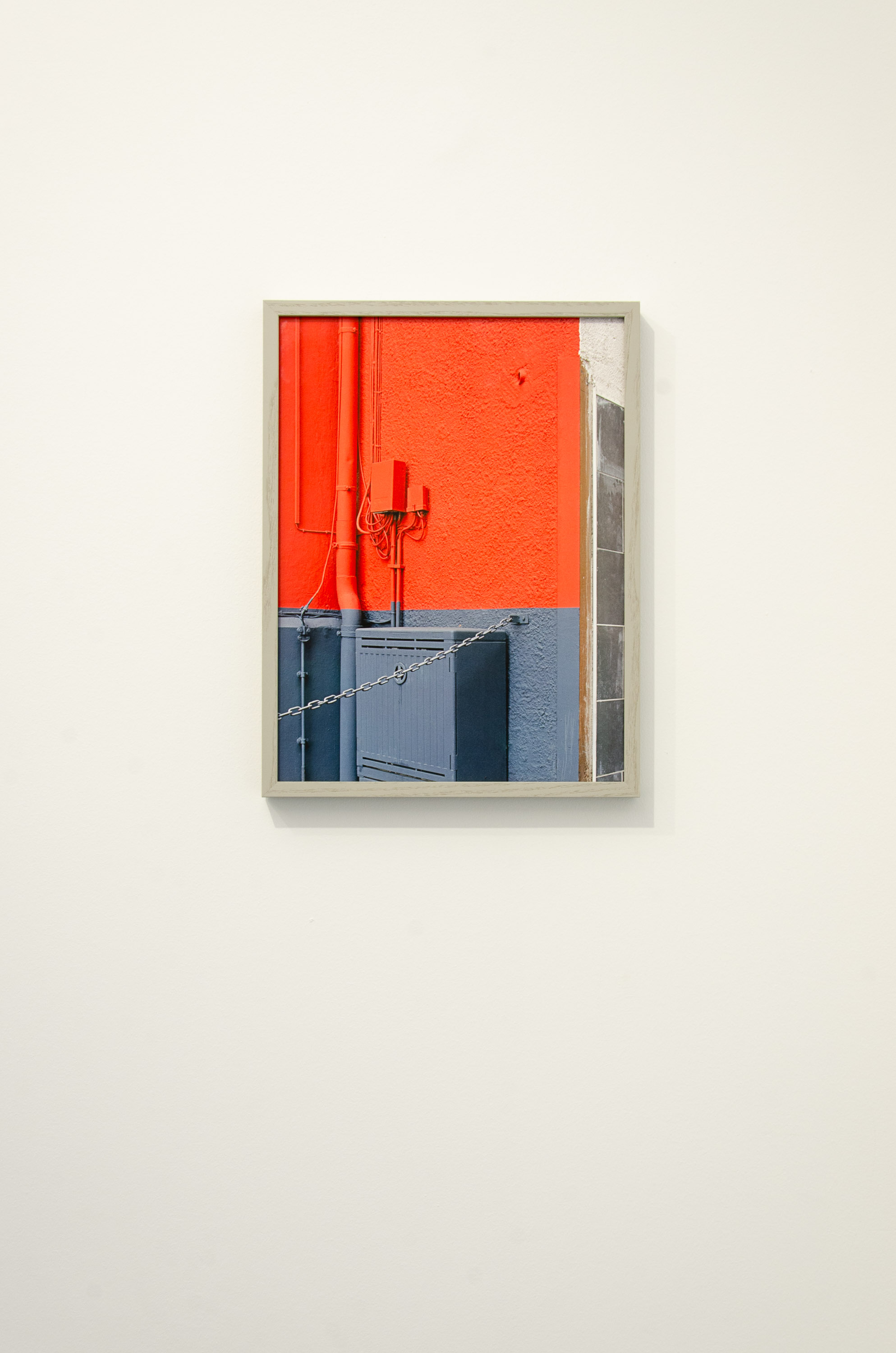
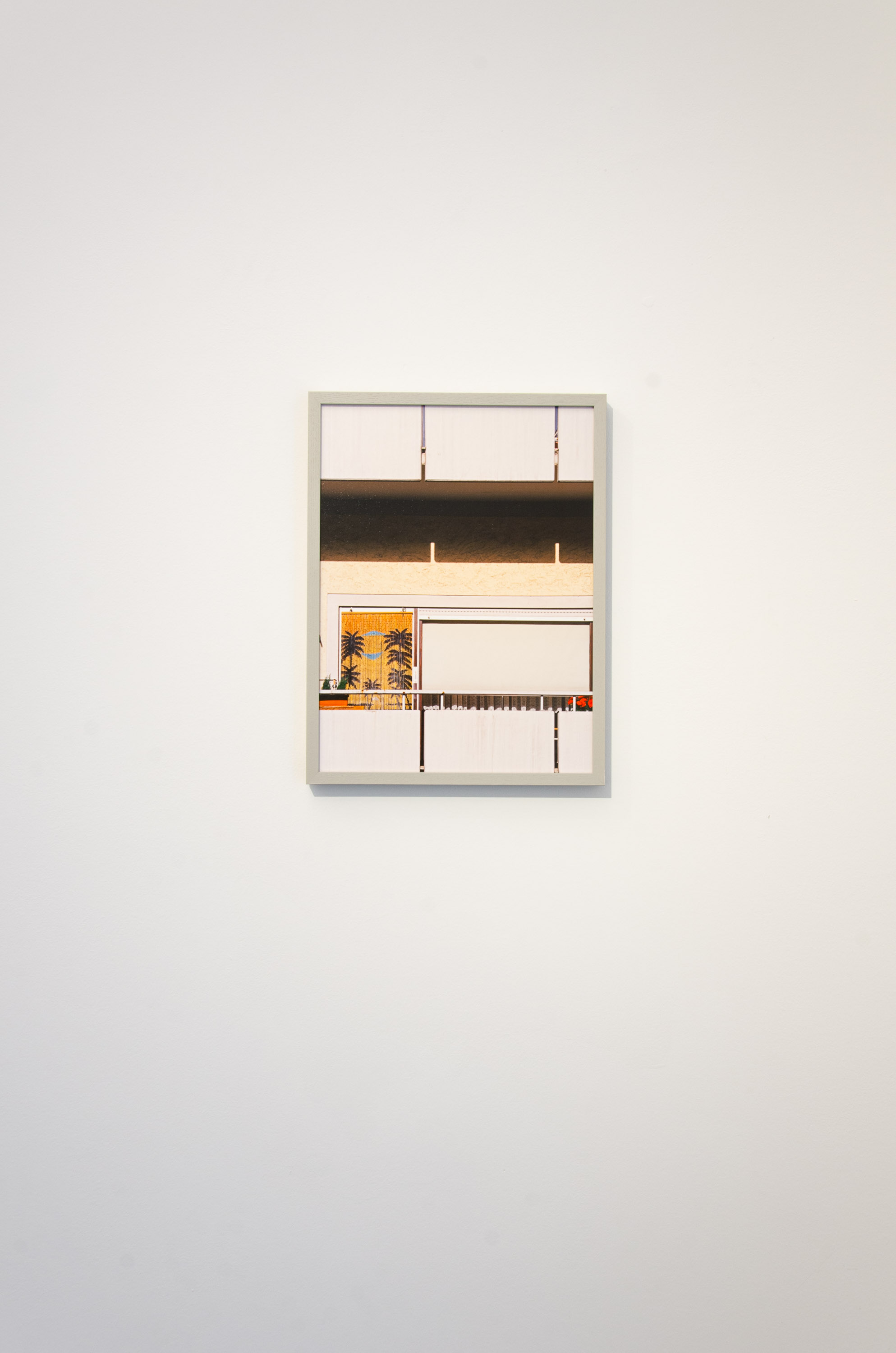
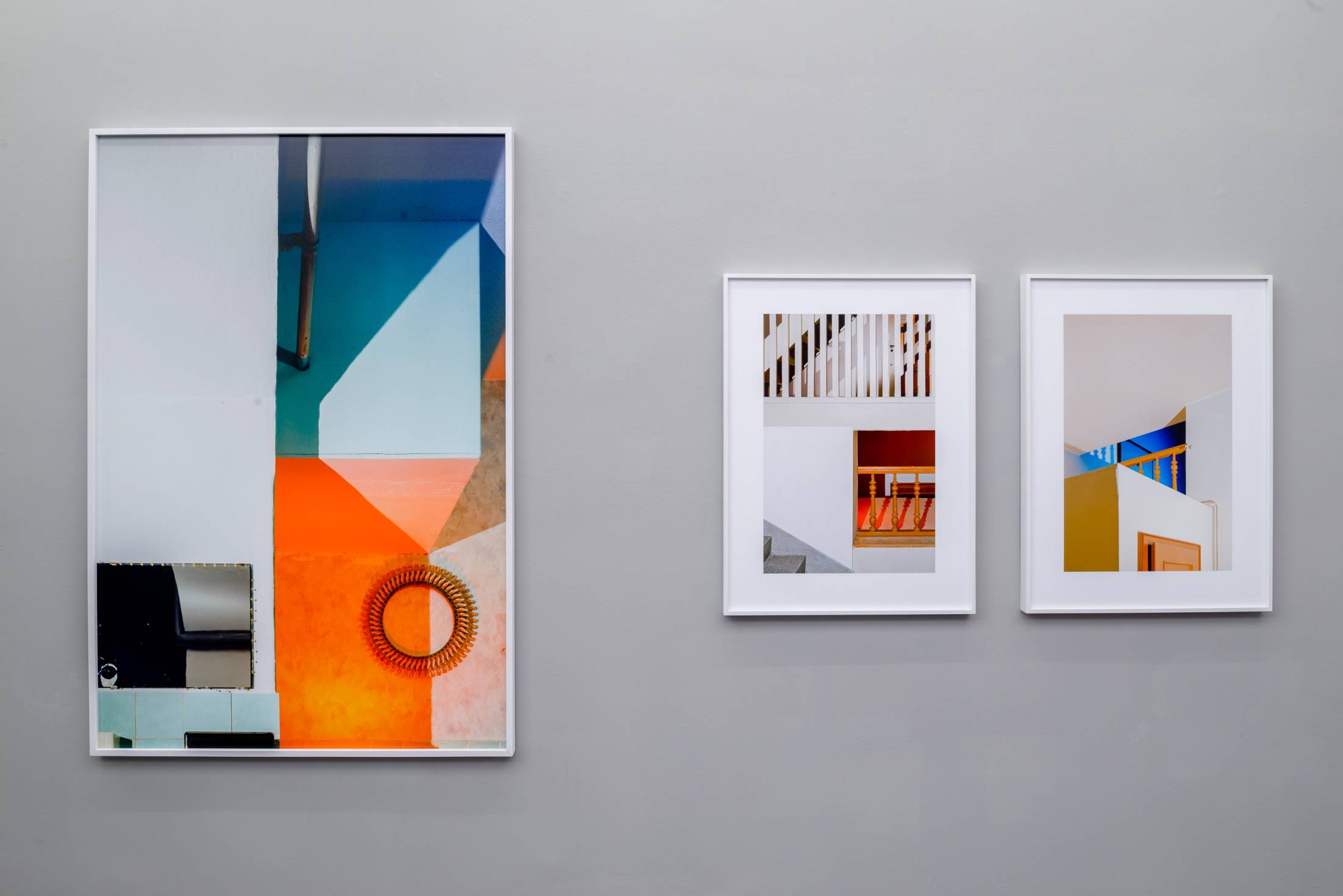
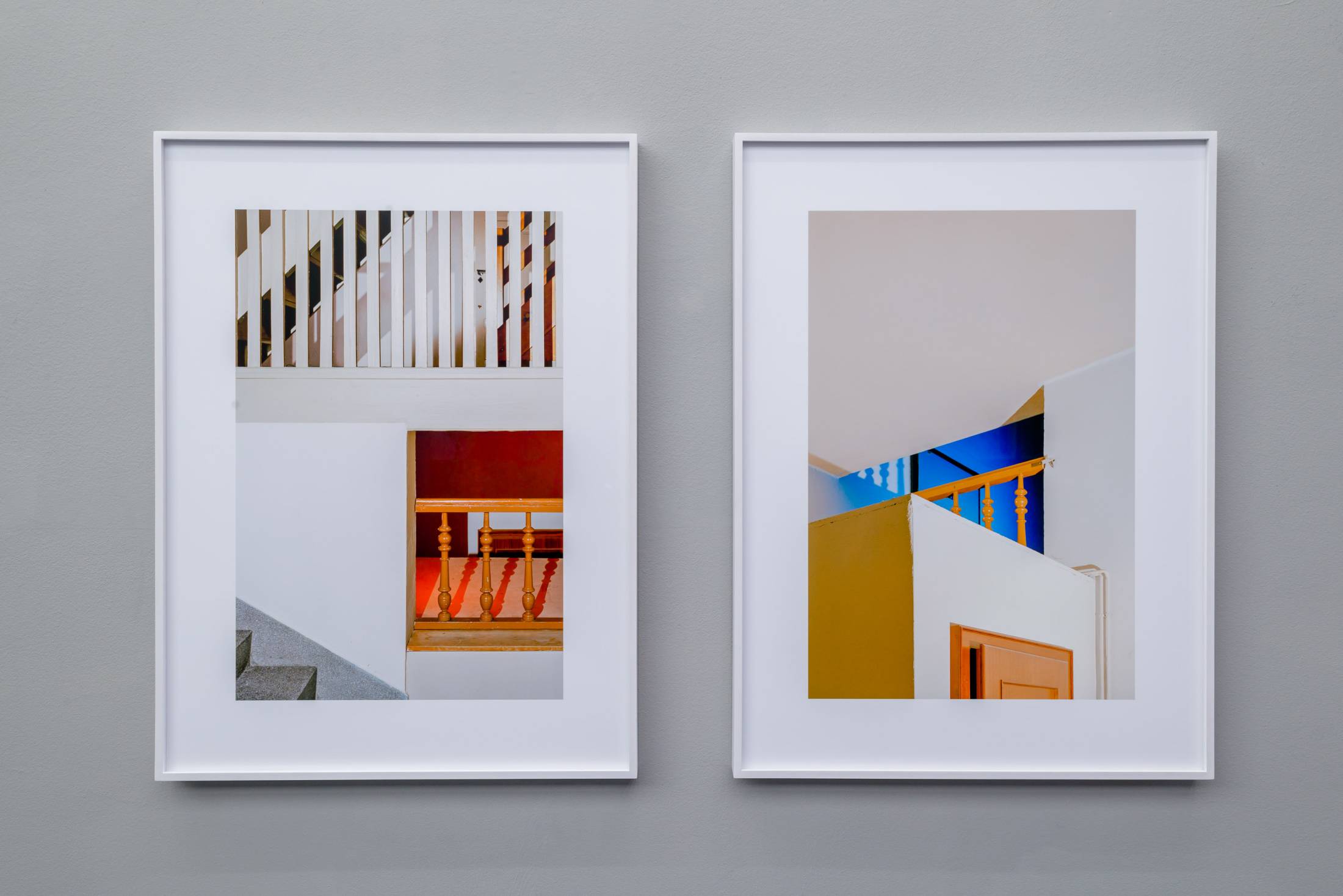
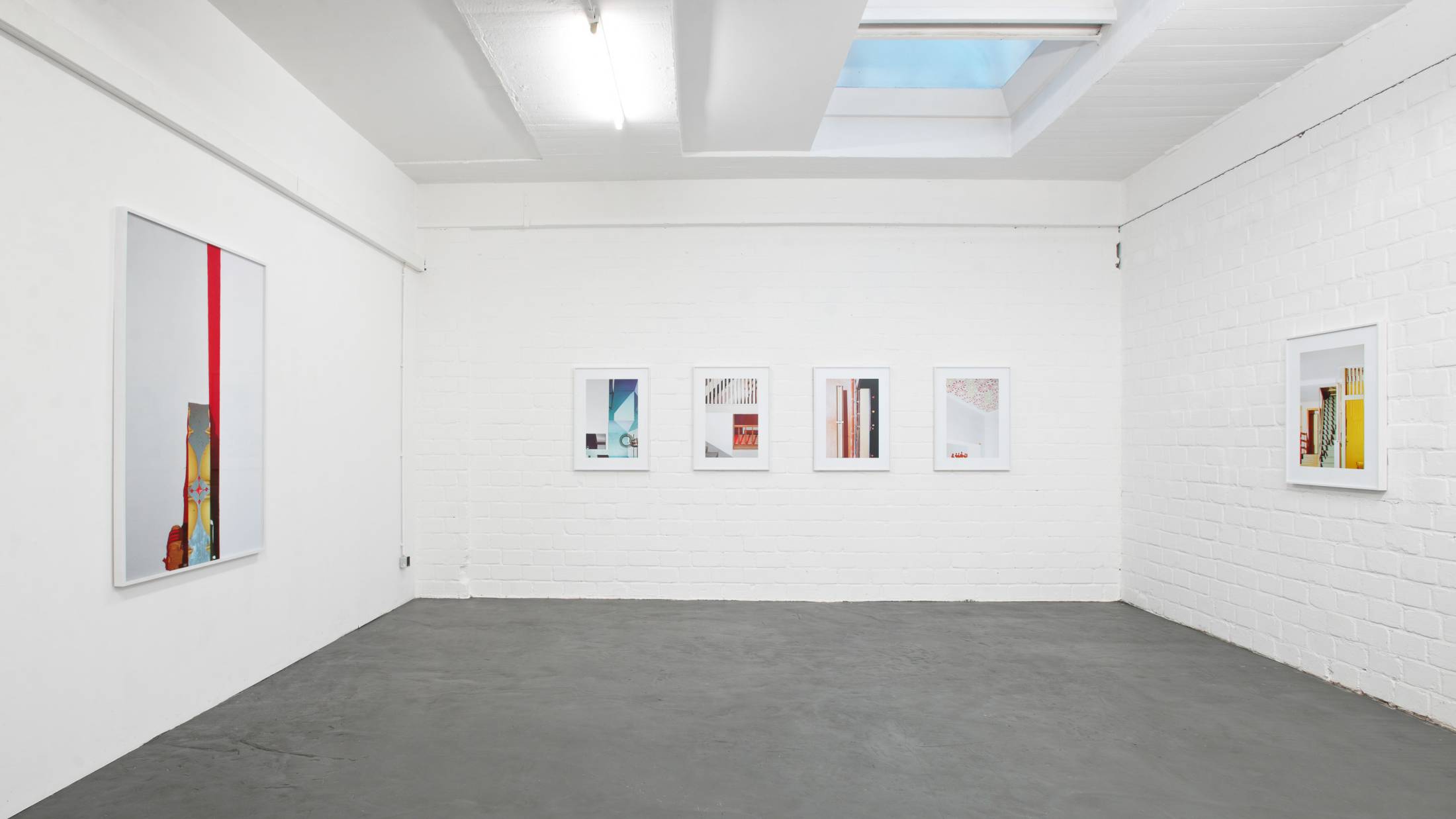
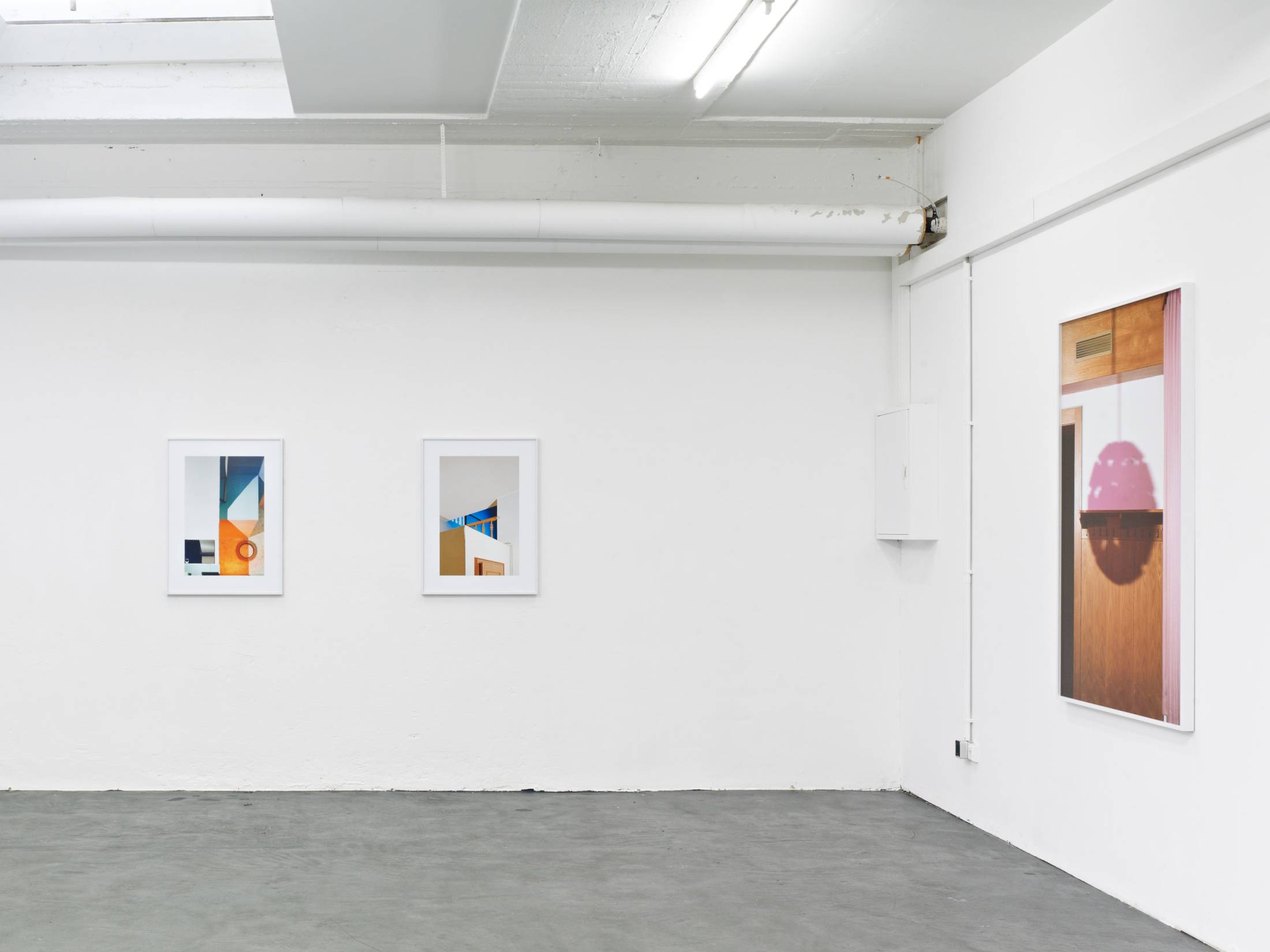
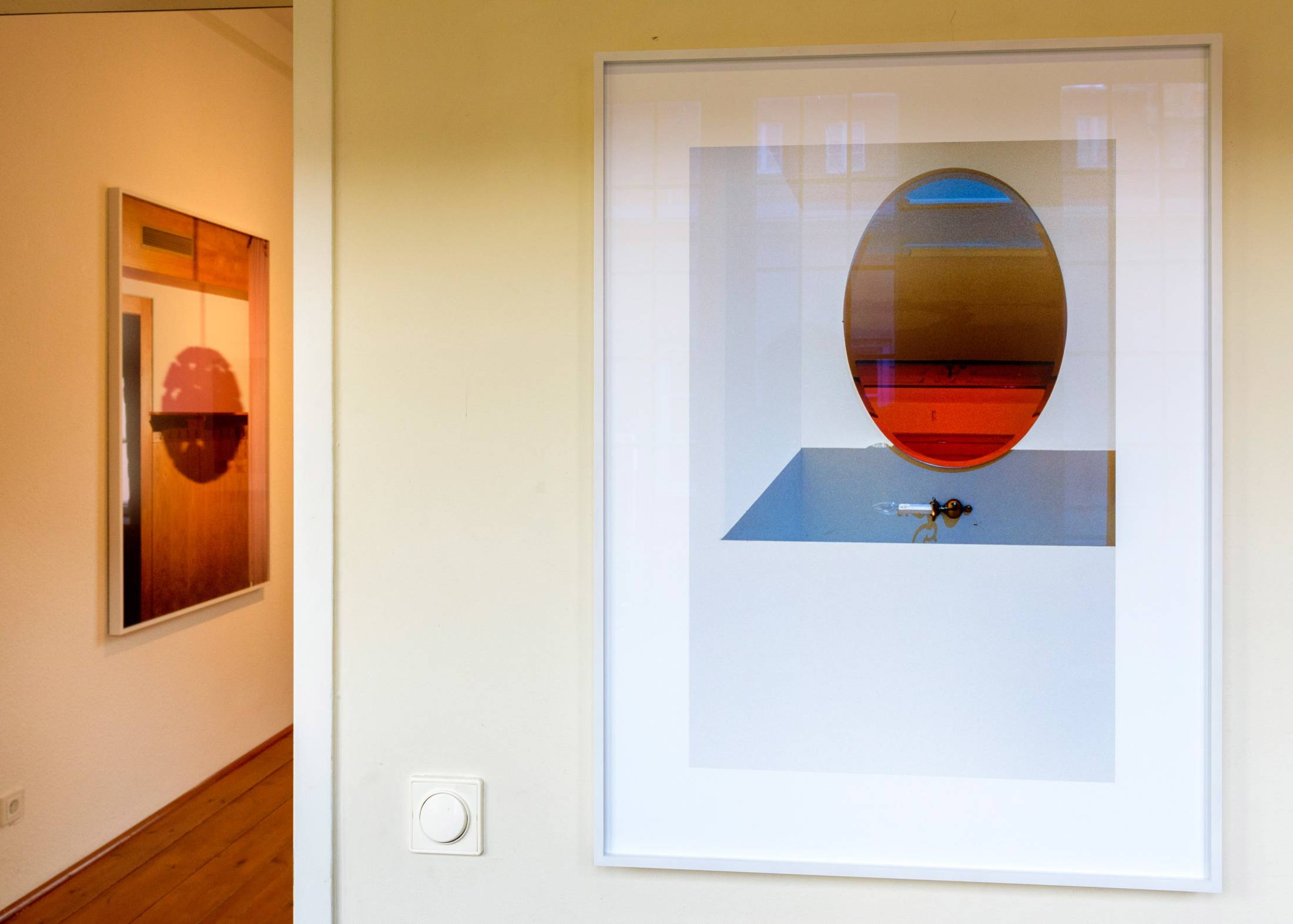
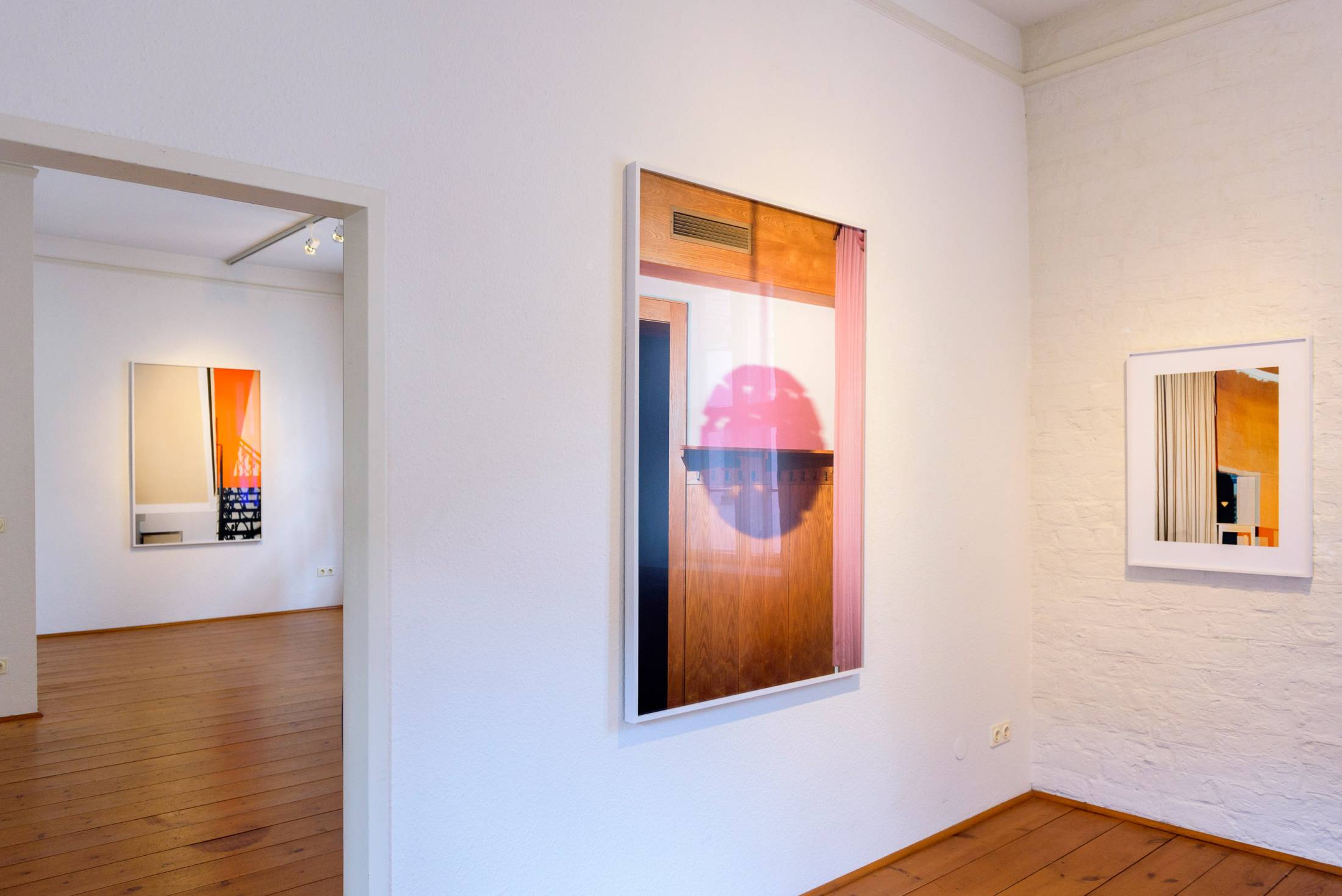
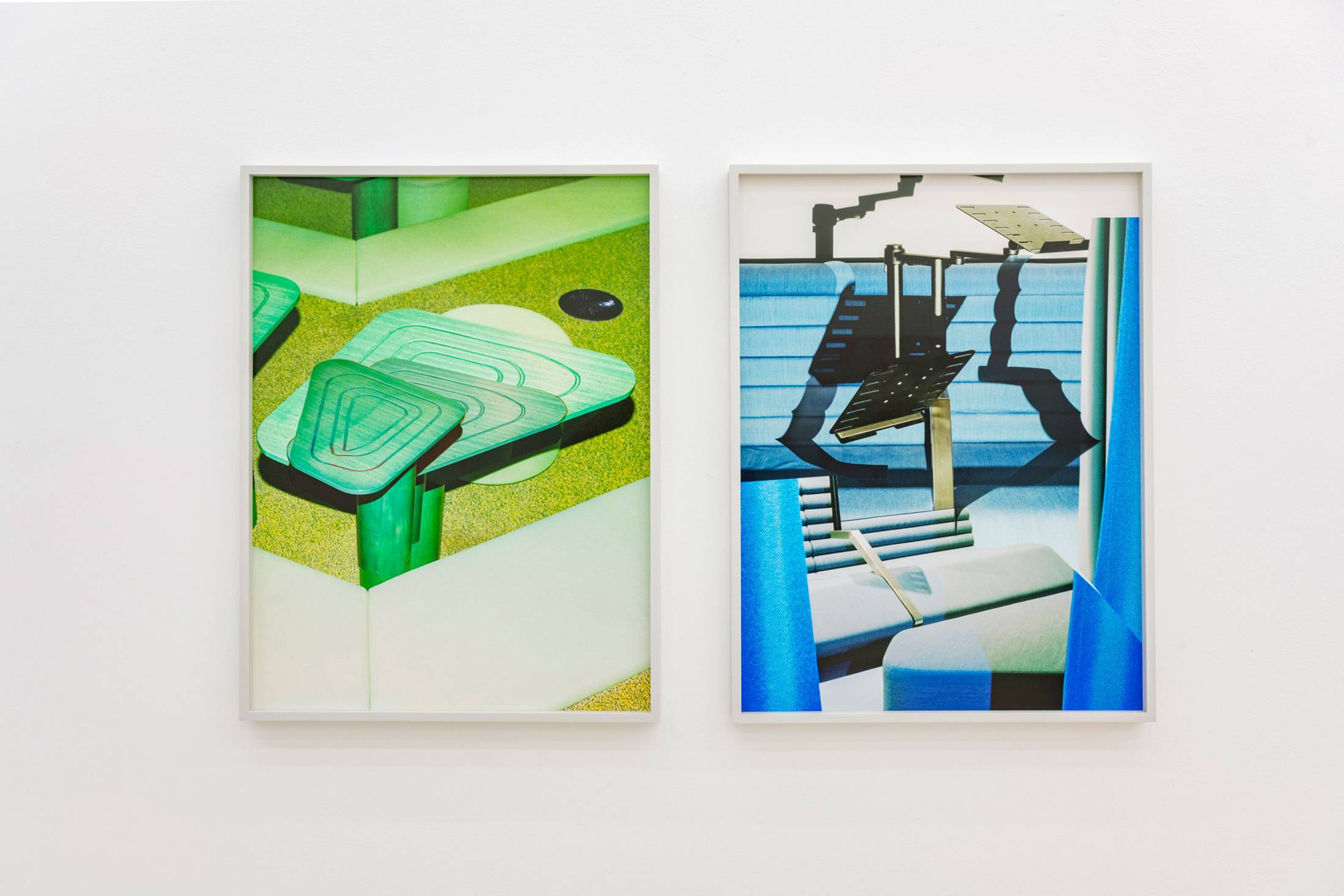
The series Erbgericht explores the transformation of interior spaces within the historic inn Zum Erbgericht in Polenz, on the edge of Saxon Switzerland. Andrea Grützner has known this place since childhood. Her family still celebrates their gatherings there. Through her camera, she stages the building in a way that feels both familiar and strange. The inn is a social and cultural center of the village, and for the artist, a site to rediscover her own connection to a place once called home.

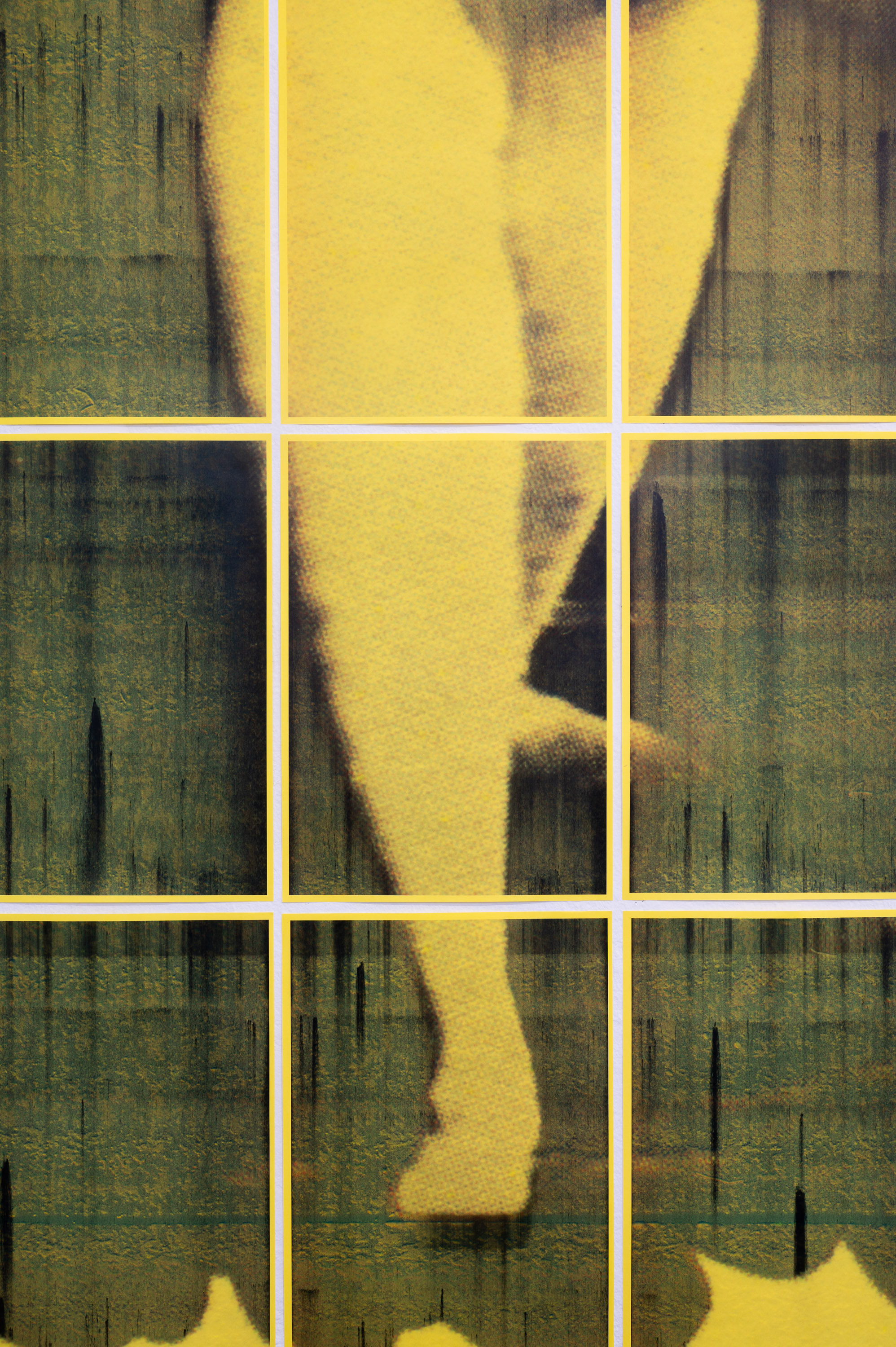
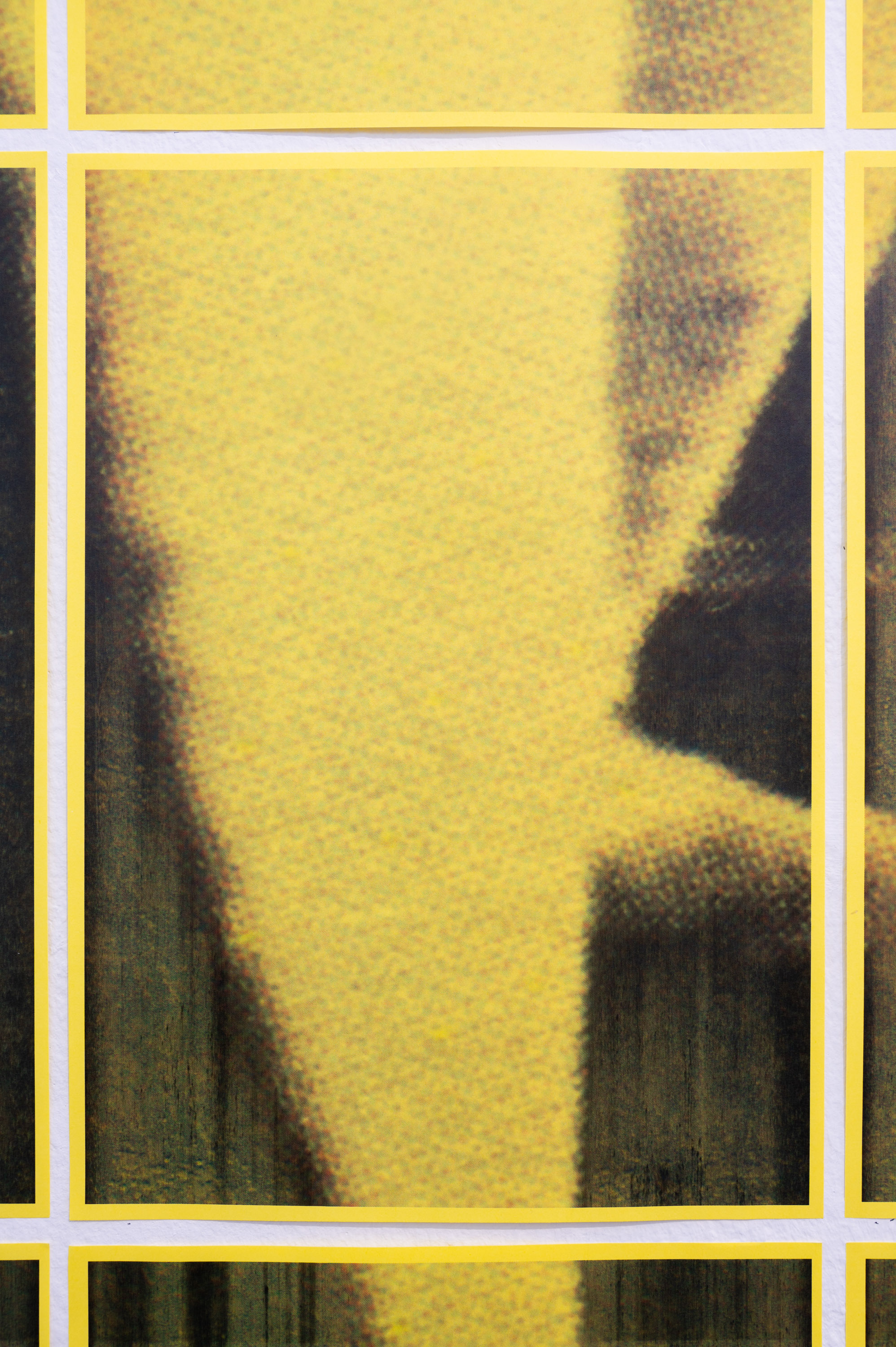
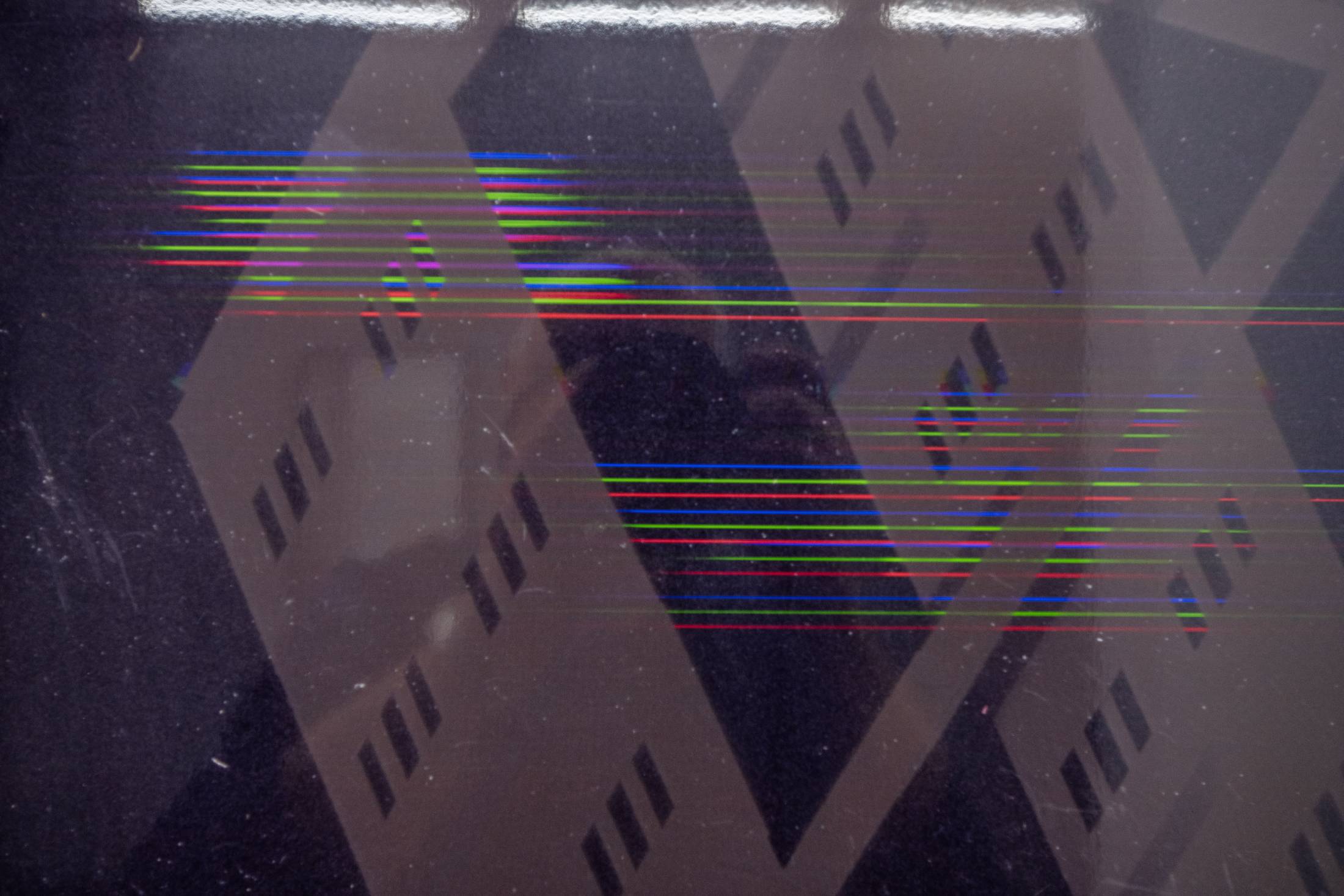
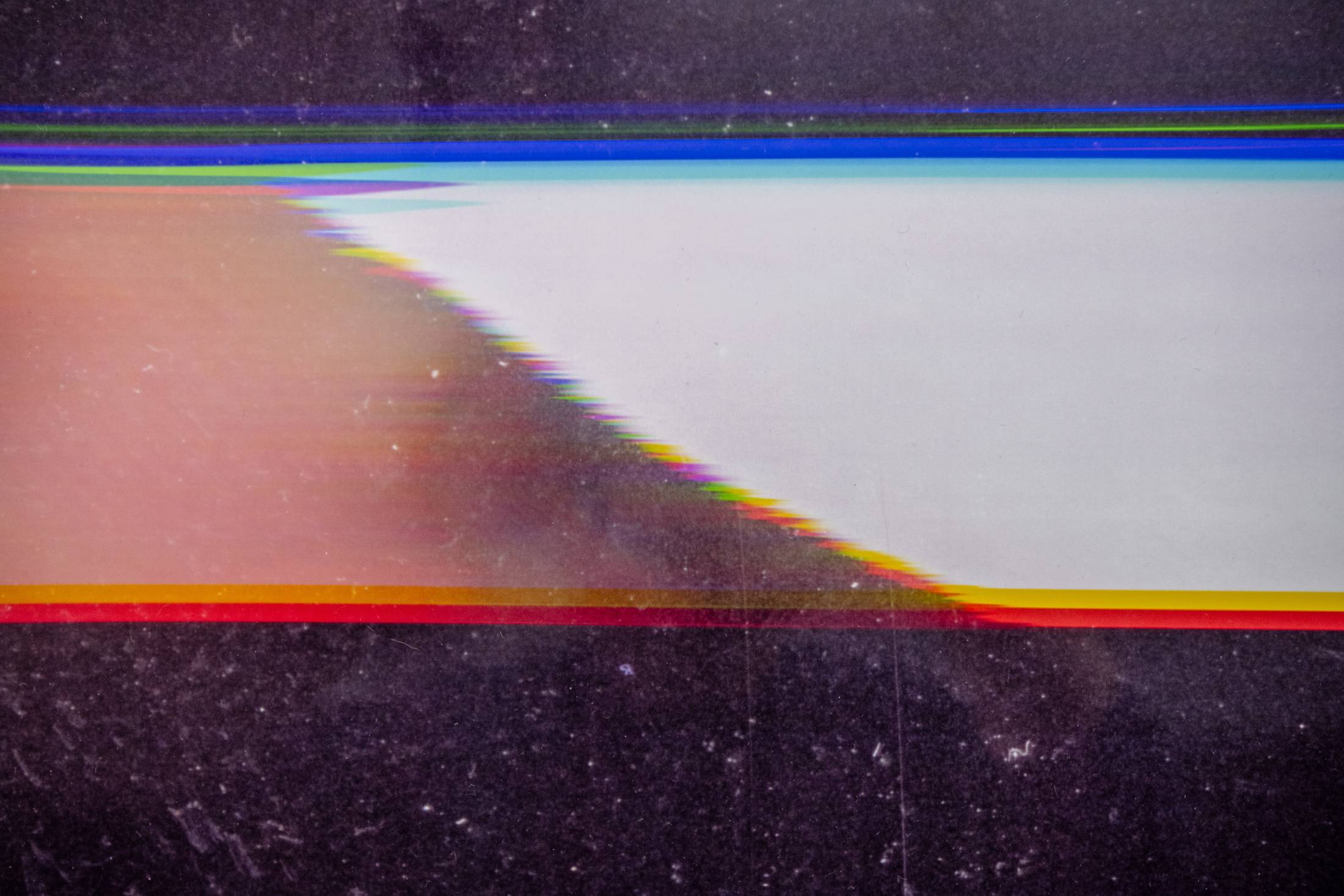
Grützner’s photographs are not documentary records. They obscure orientation through unusual perspectives and flashes of colored light. What may seem like collages or constructed models are single analog photographs that evoke the geometric sensibility of Color Field painting. Her images explore photography’s ability to turn the familiar into something abstract and uncanny. They play with distance and proximity, depth and flatness, light and shadow. Their color and composition capture attention immediately, while their layered surfaces invite the viewer to linger.


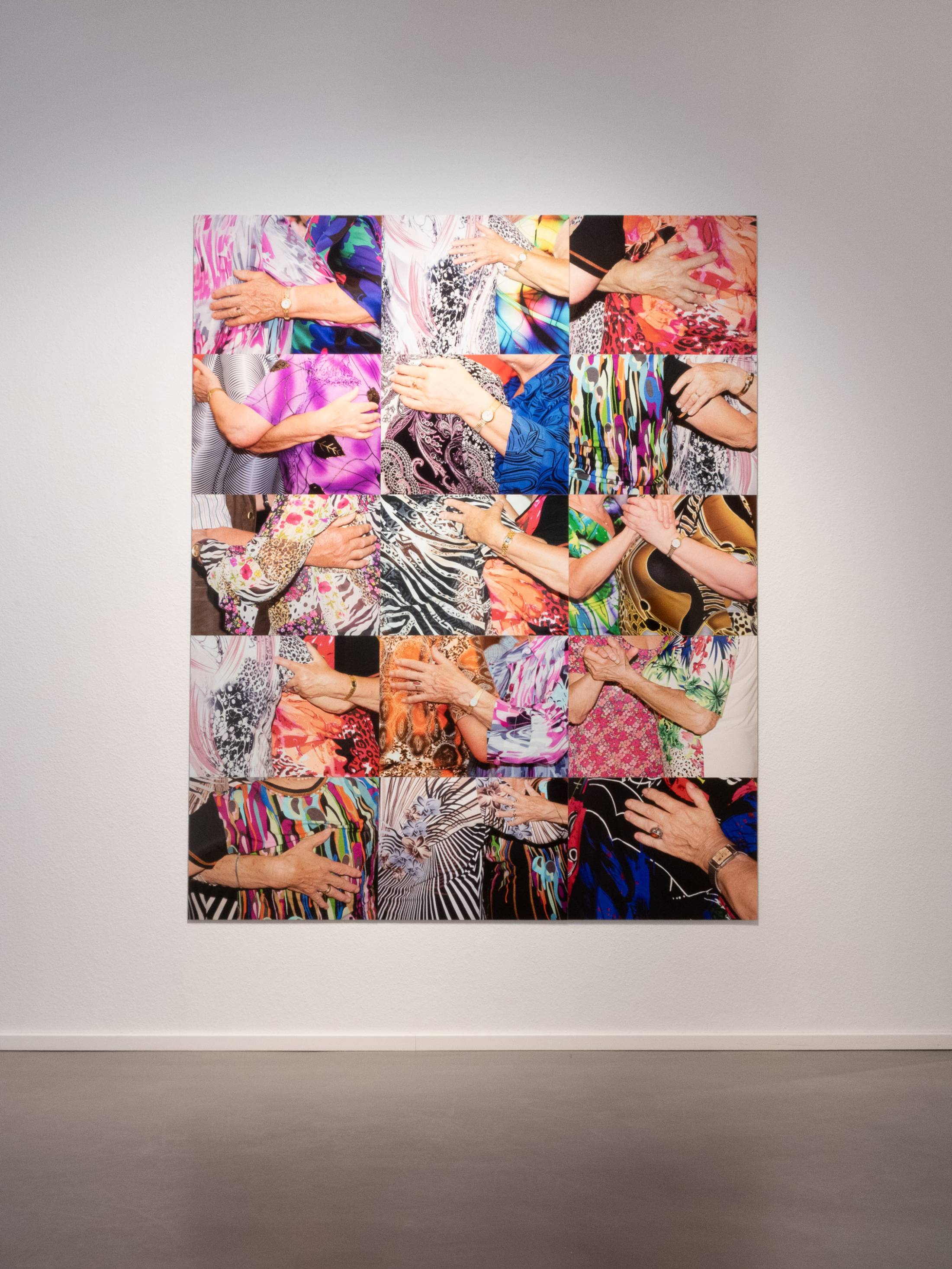
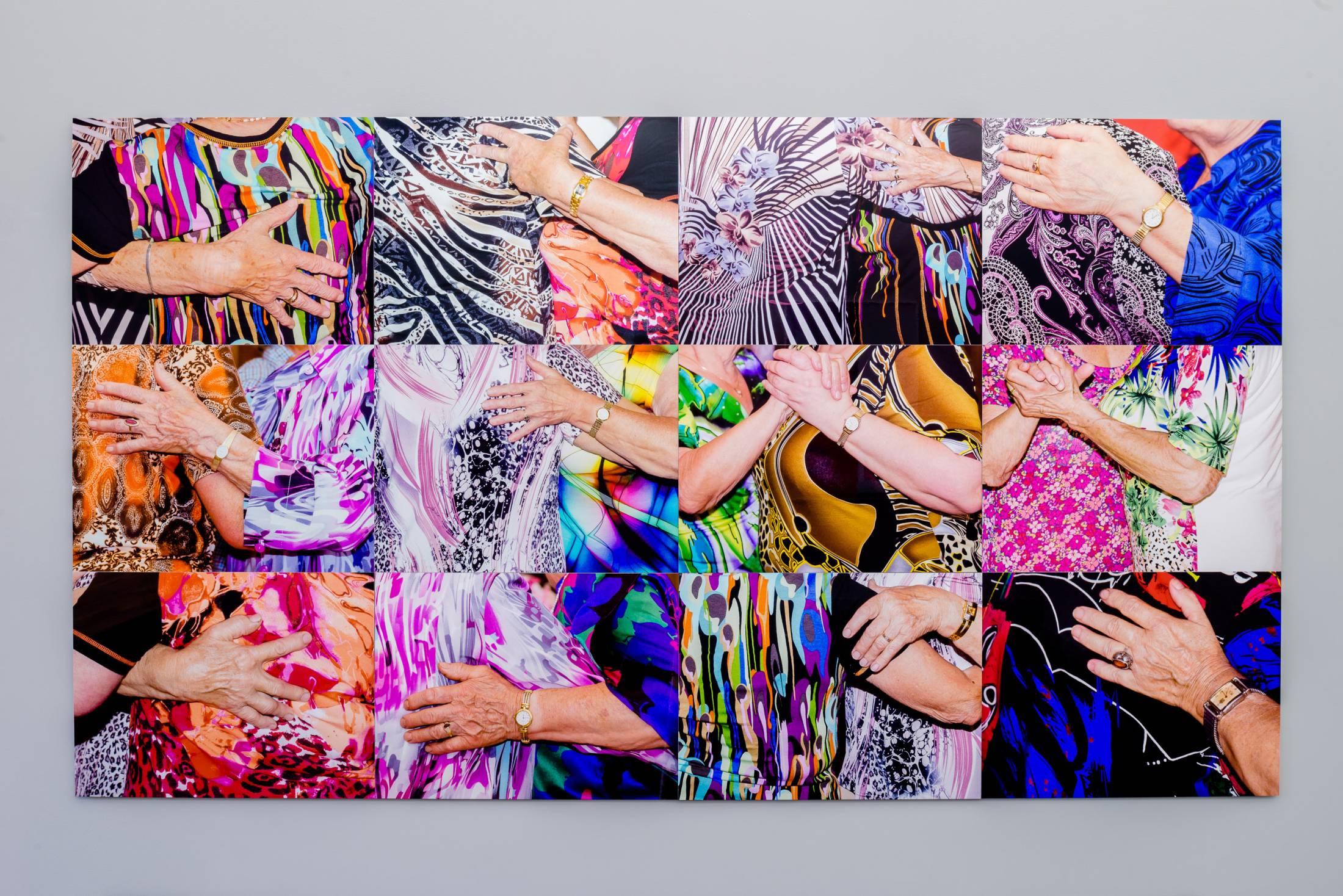
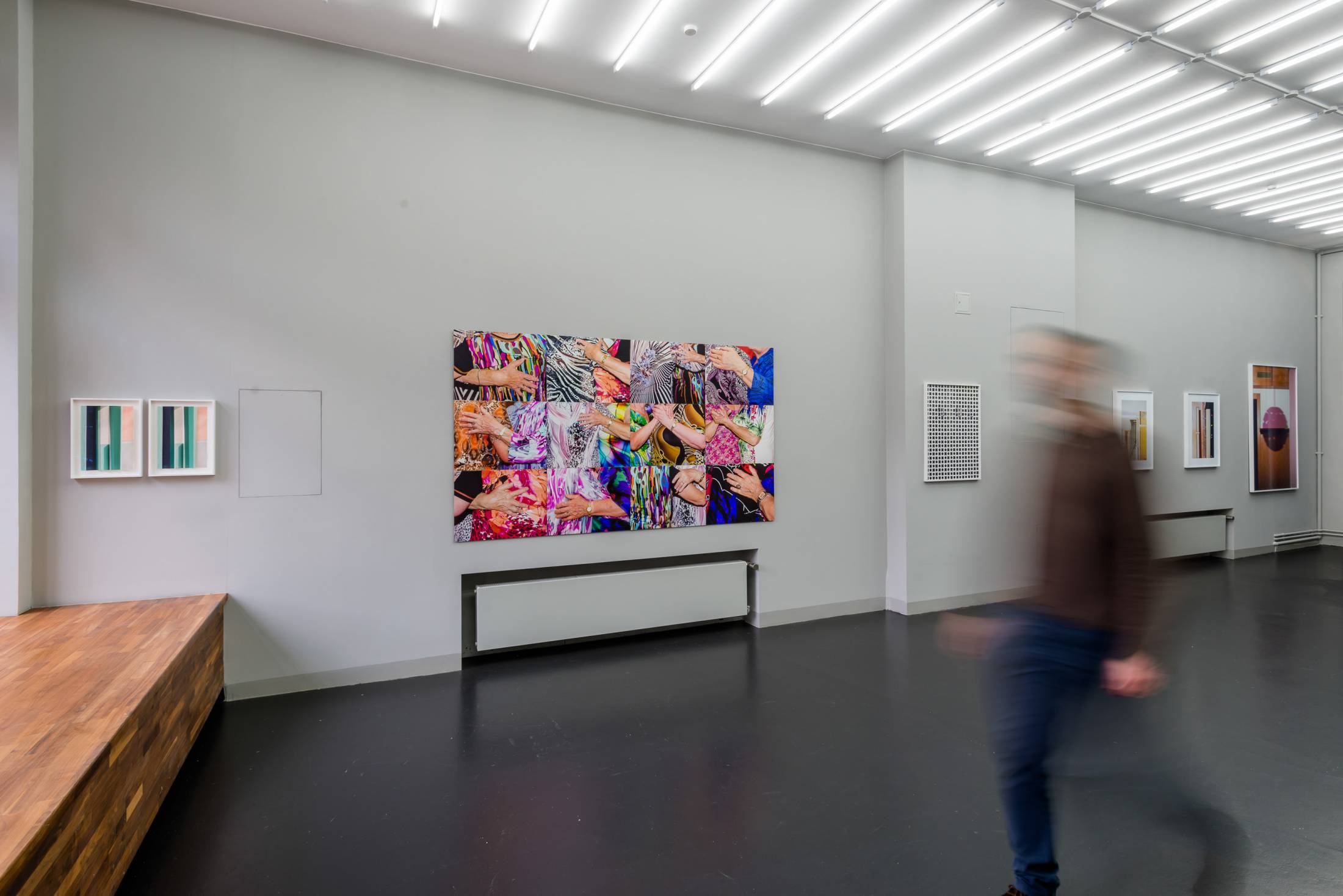
In Tanztee Grützner highlights the painterly quality of her photography in a more expressive way. The vivid colors and dynamic lines recall the energy of abstract expressionist painting.

At the inn Zum Erbgericht, afternoon dance events known as Tanztee take place regularly. Most of the participants are elderly women who meet, dressed for the occasion, to dance together. Rather than documenting the event, Grützner focuses on small details: bright blouses, patterned fabrics, glimpses of hands and jewelry in motion. Faces and settings remain unseen. Women dance closely together, creating moments of tenderness and shared joy.

Hung edge to edge, the photographs form a continuous field of movement and color. The installation draws the viewer into the rhythm and pulse of dancing bodies.


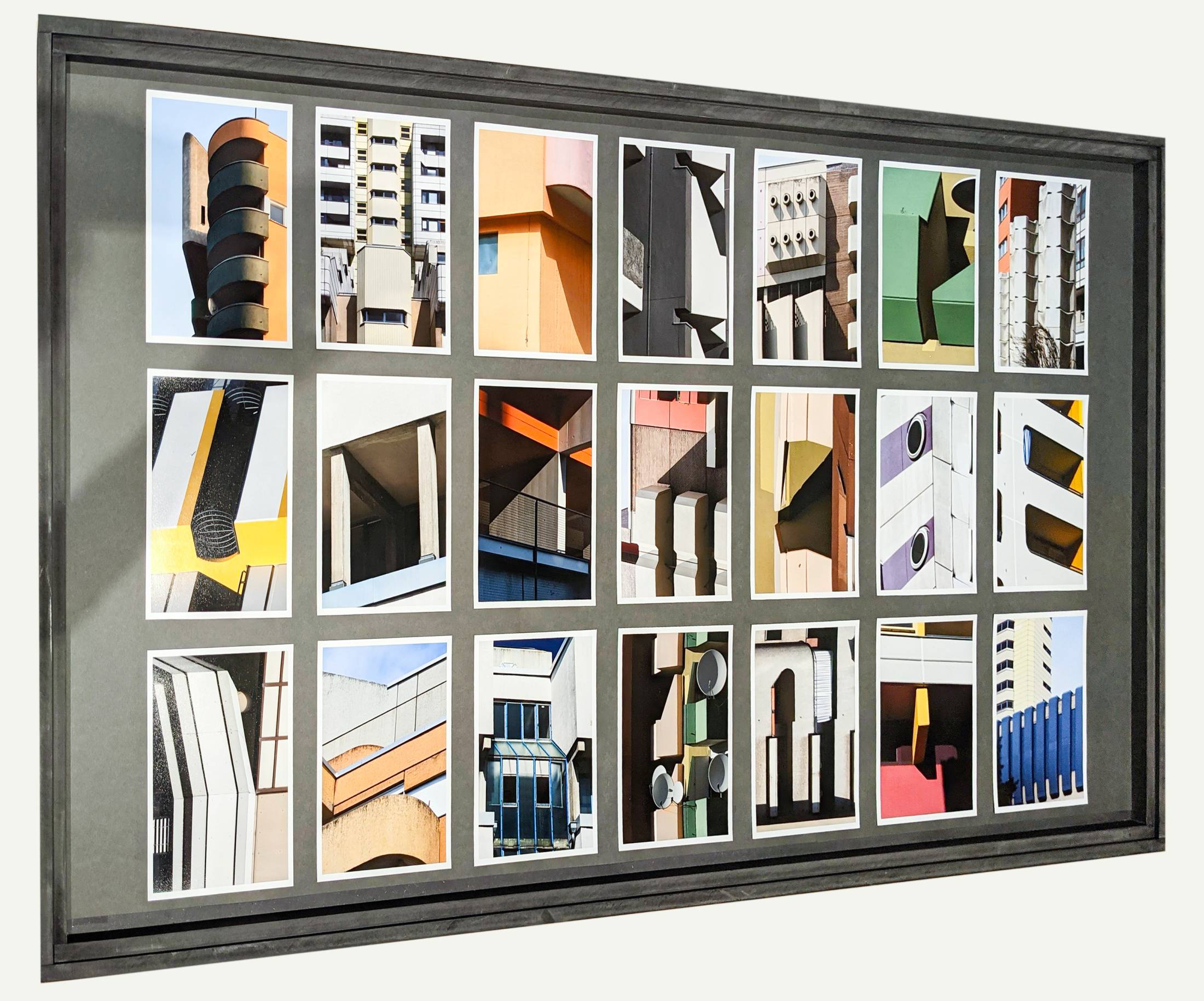
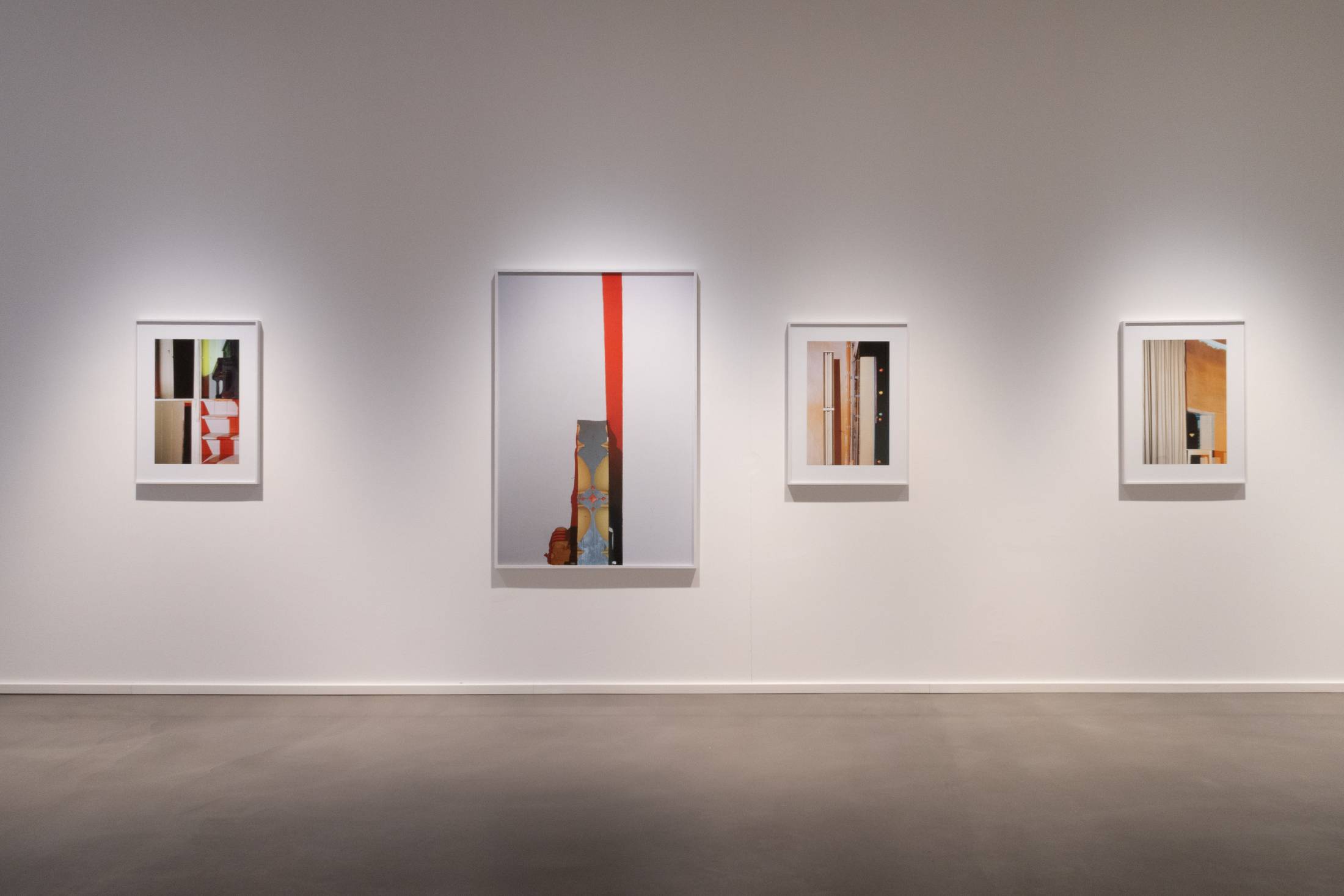
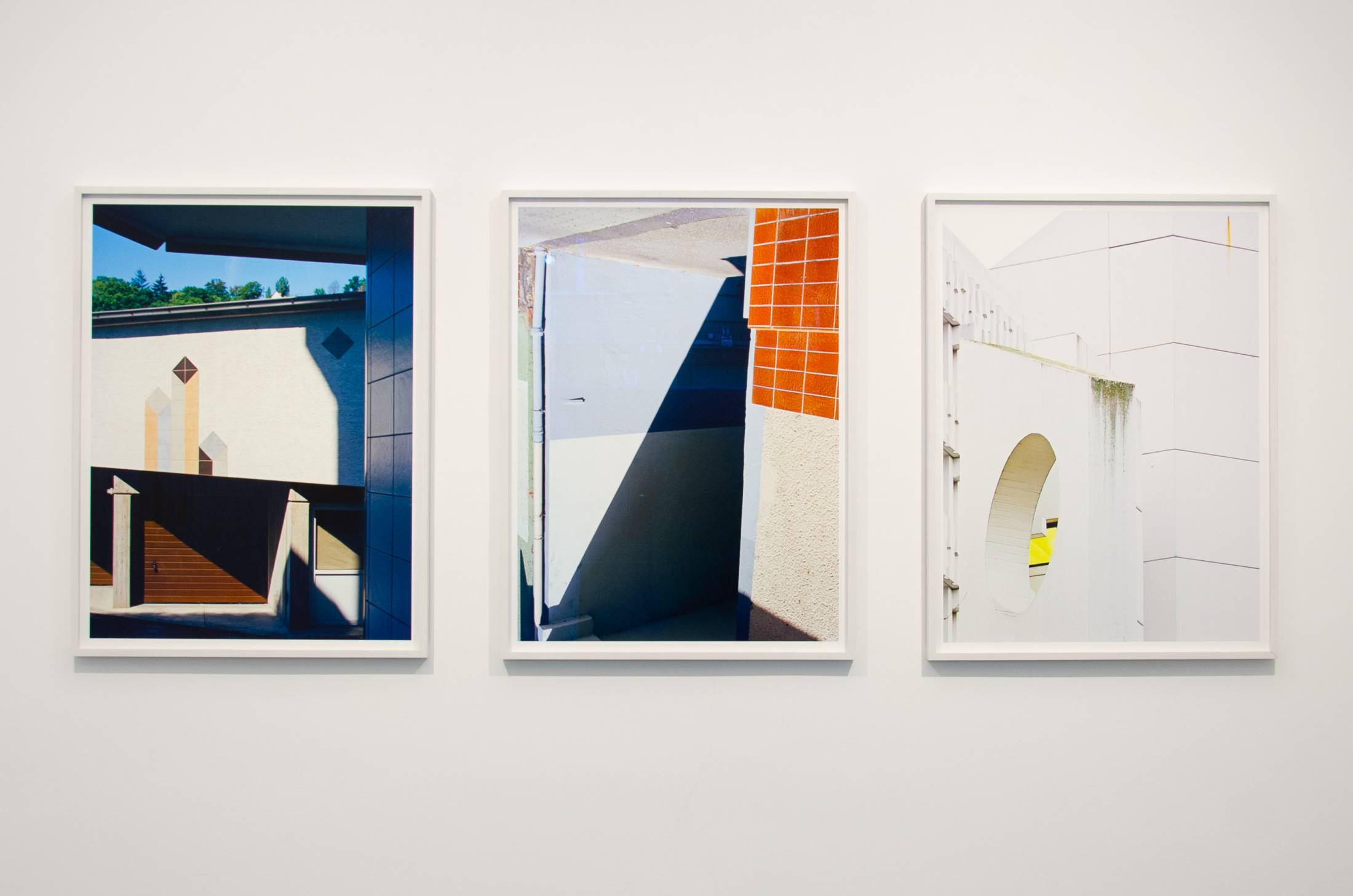
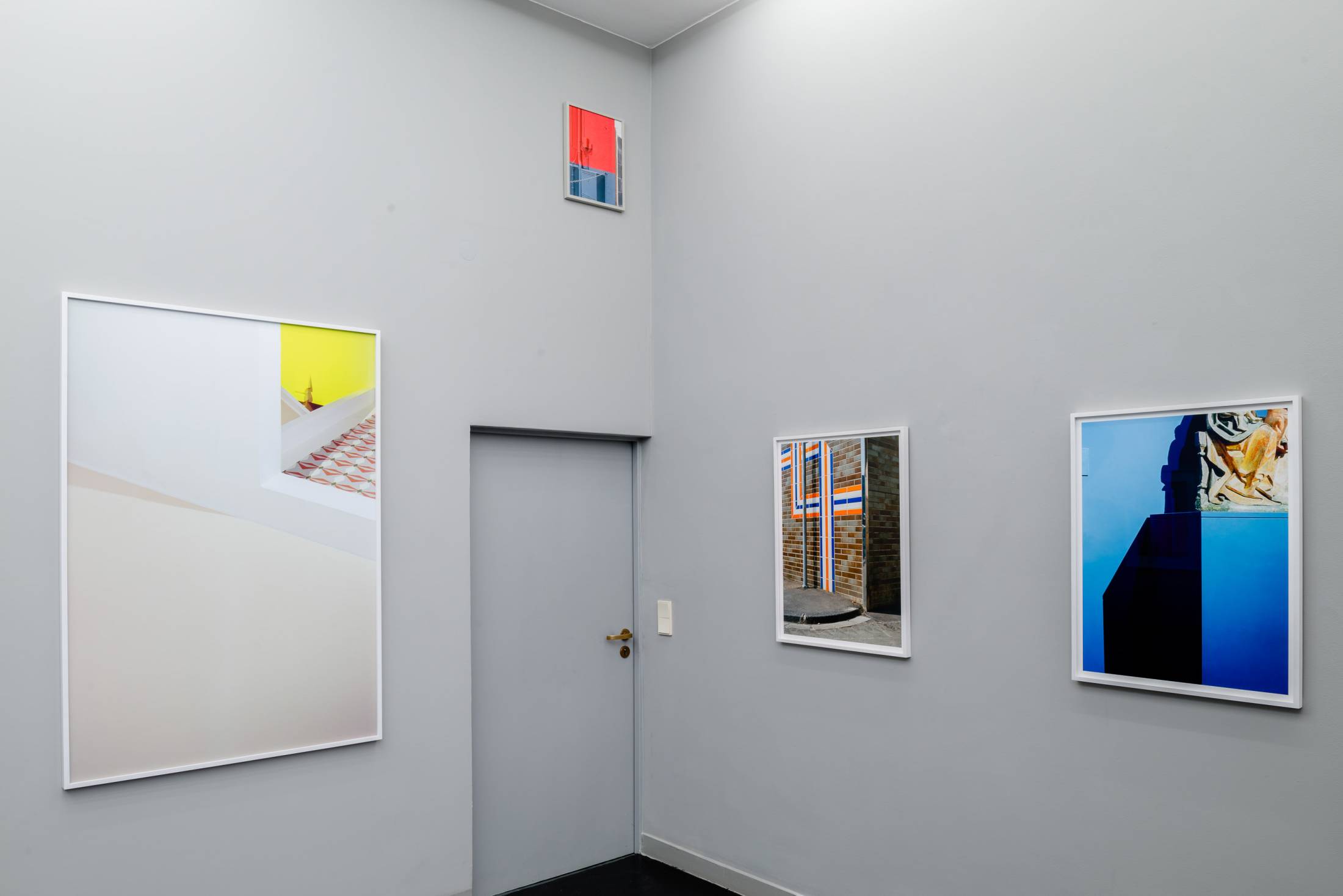
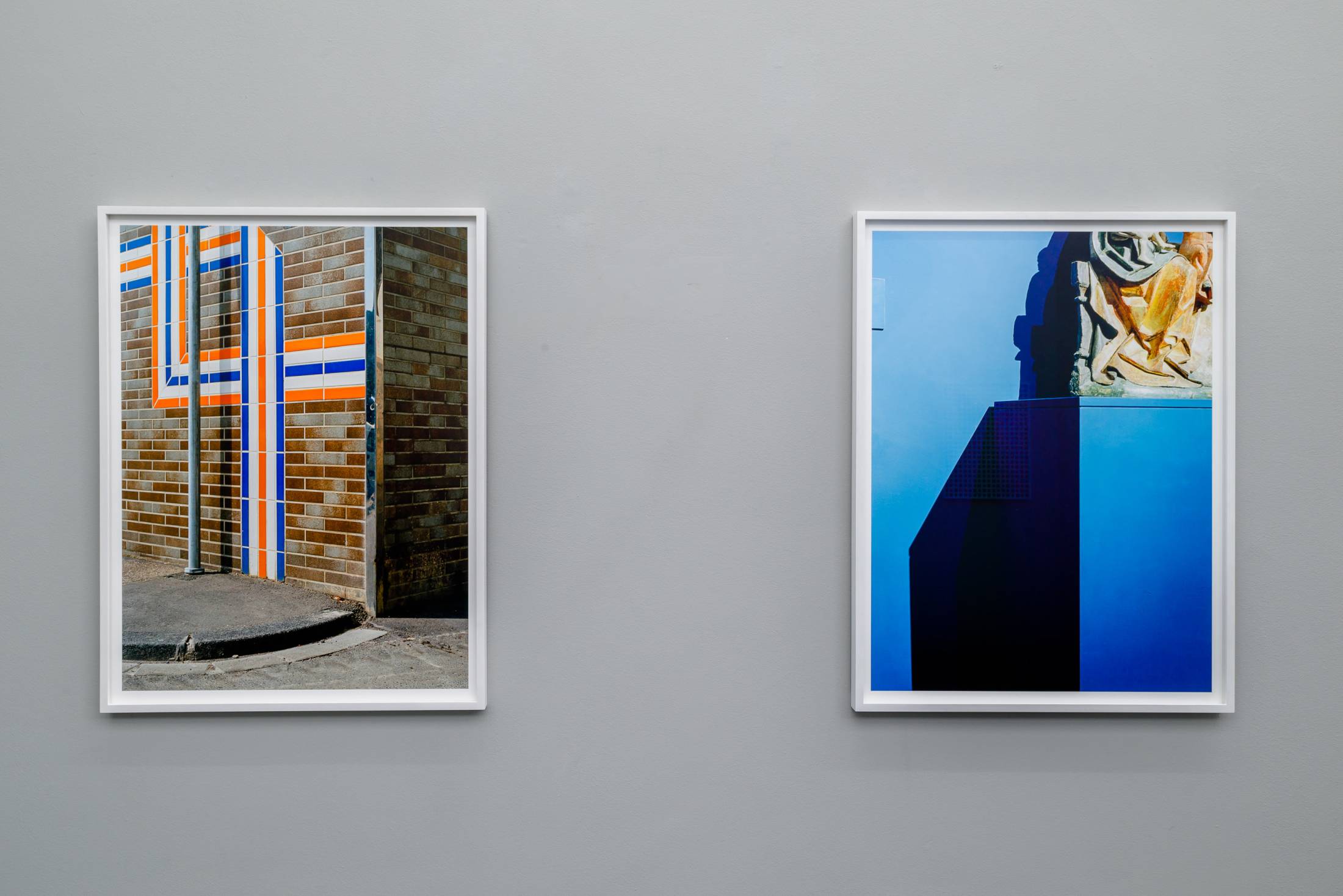
In the series das Eck (“The Corner”), Andrea Grützner turns her gaze to the city of Koblenz, where she served as City Photographer in 2015. The project continues her interest in how photography can reshape our perception of architecture and space.

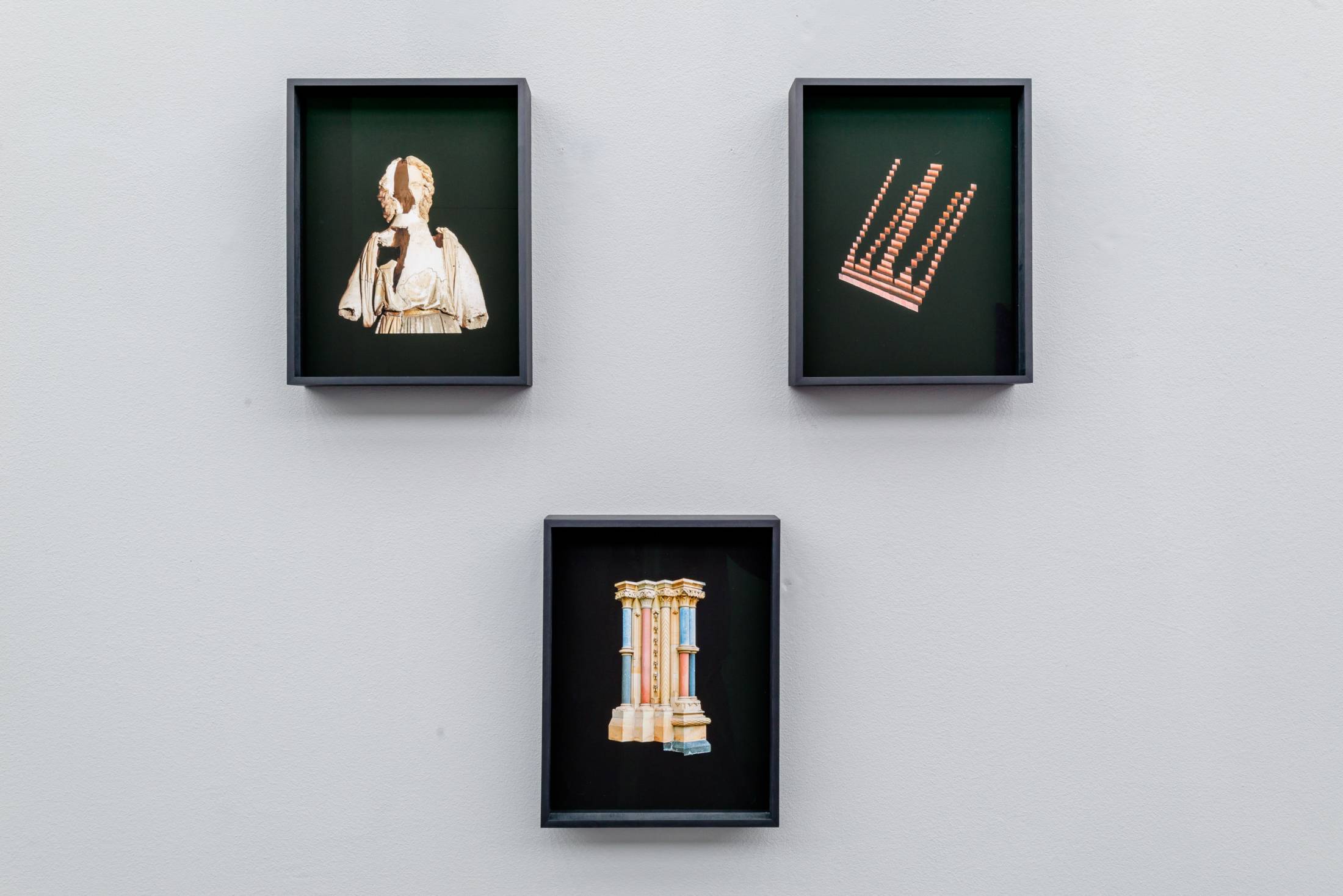
She focuses on fragments of postwar buildings: the corners and edges where materials, surfaces, and colors meet. Rather than showing entire structures, she isolates details that reveal unexpected harmonies and tensions. Grützner’s photographs are as much about what is hidden as what is shown. By omitting the whole, she creates visual puzzles that challenge orientation. The viewer is left to wonder where one form begins and another ends.

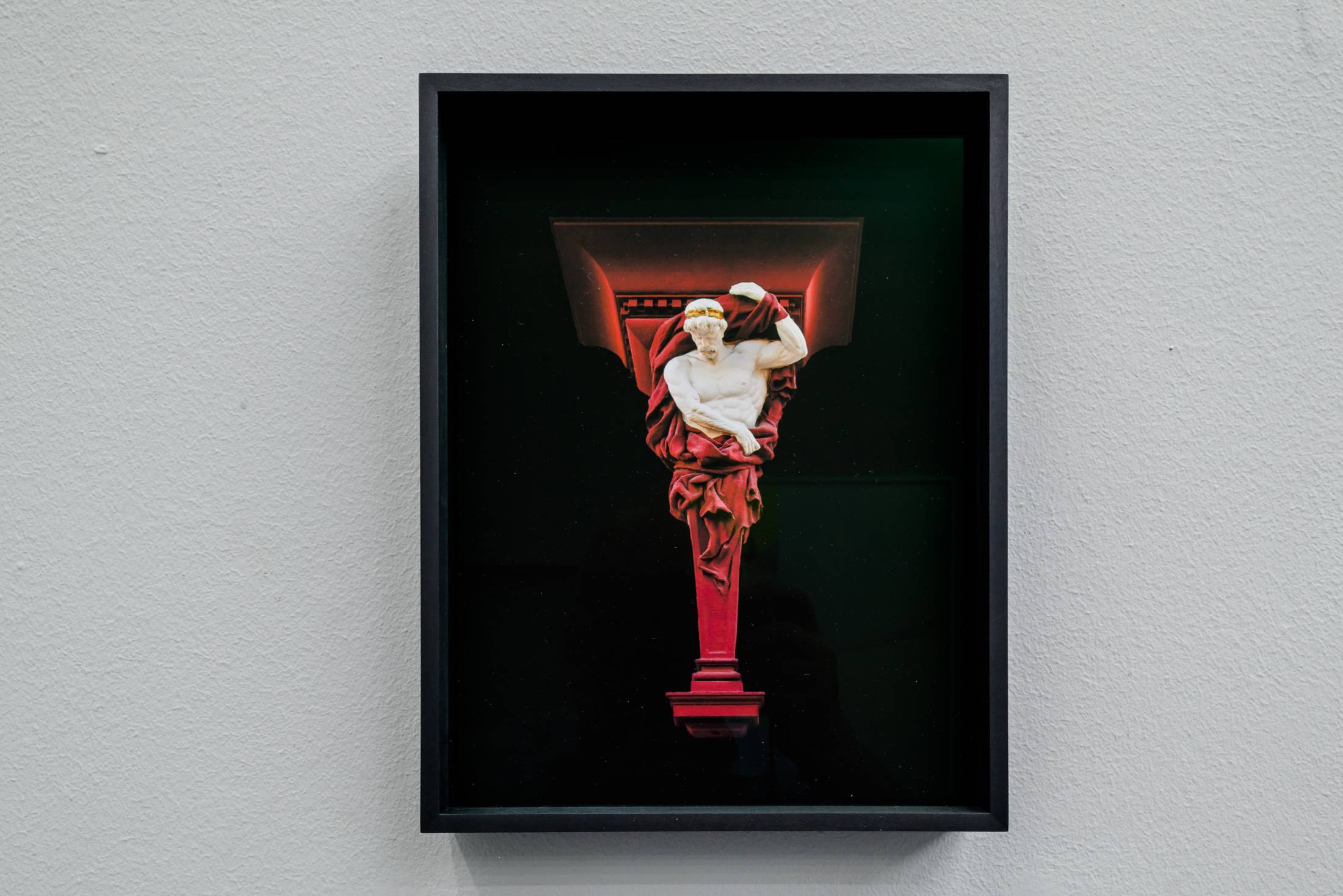
Smaller works within the series, which she calls artifacts, show isolated elements such as staircases, statues, or columns set against dark backgrounds. Stripped of context, they become mysterious objects—architectural relics discovered through the artist’s lens.

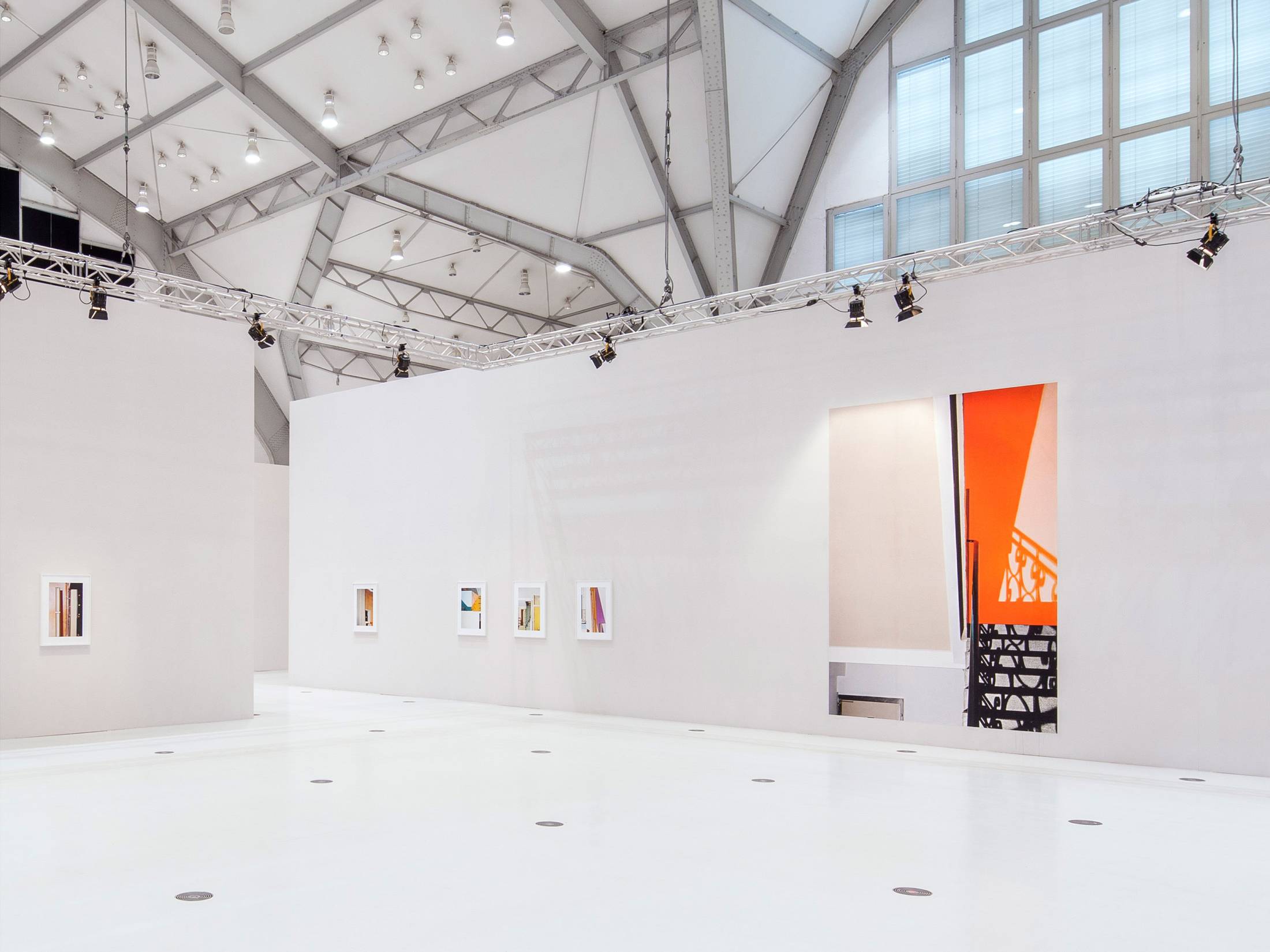
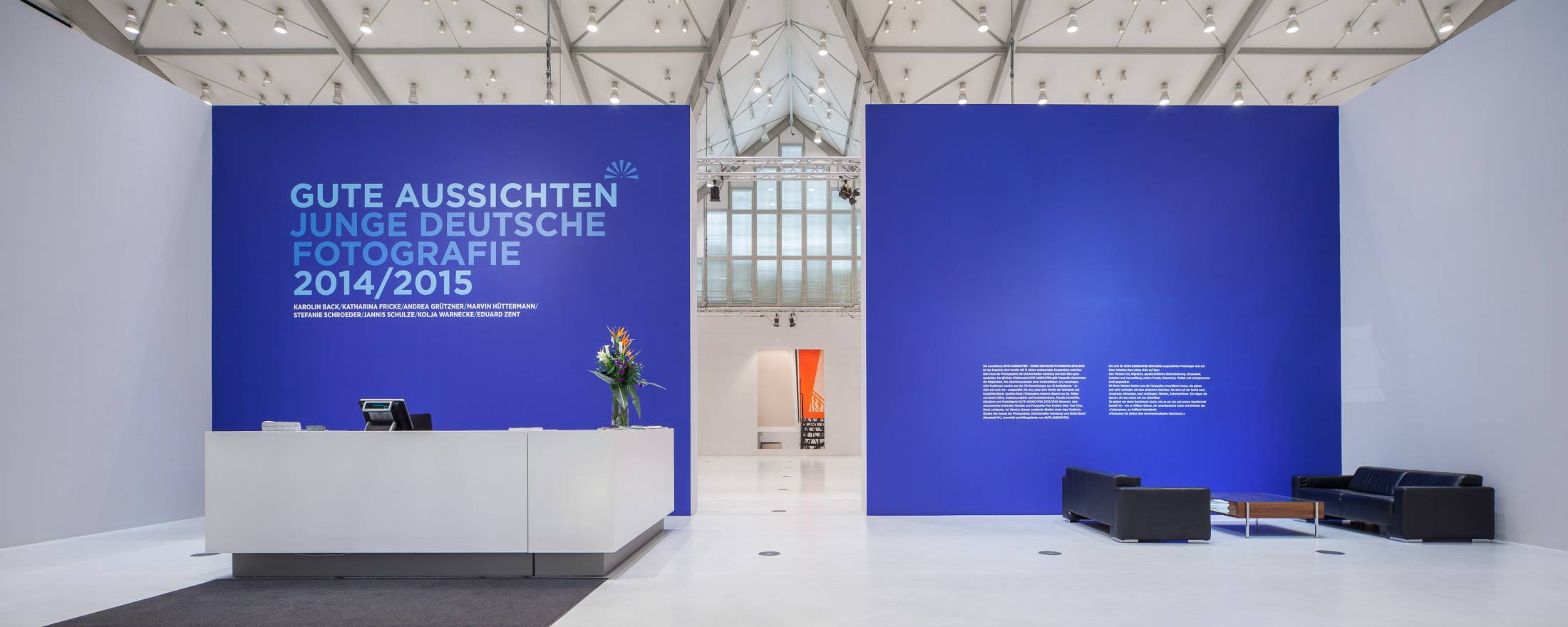
Erbgericht at gute aussichten 2014/2015 - young german photography, Haus der Photographie, Deichtorhallen Hamburg, Germany, 2015 Photo: Henning Rogge
Erbgericht at Walzwerk Düsseldorf and Kunstverein Lüneburg, 2016 Photo: Dirk Rose, Hans-Juergen Wege